Akasa Air Pivots International Strategy Towards Southeast Asia Amidst Gulf Instability and Bilateral Hurdles, Inaugurating Hanoi Flights

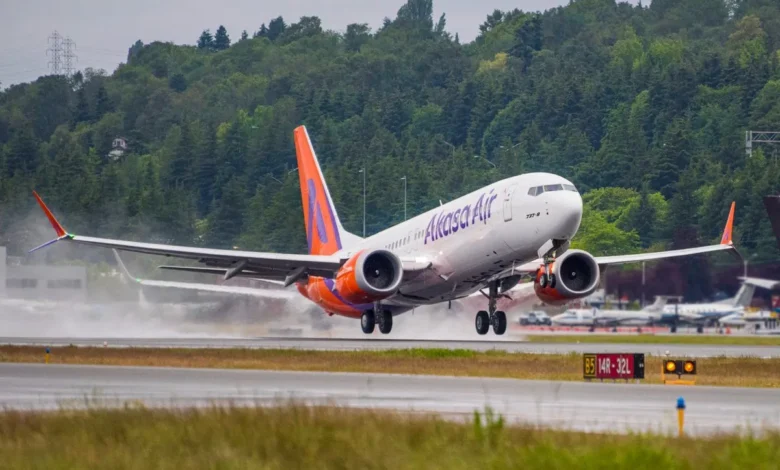
Akasa Air, India’s fastest-growing airline, is set to significantly recalibrate its international expansion strategy, shifting its primary focus from the traditionally dominant Middle East corridor towards the burgeoning markets of Southeast Asia. This strategic pivot is underscored by the announcement of direct Mumbai-Hanoi flights commencing September 4, marking a crucial step in the carrier’s diversification efforts. Hanoi will become Akasa Air’s seventh international destination and its second foray into Southeast Asia, following the successful launch of services to Phuket. This move signals a pragmatic response to escalating geopolitical tensions in the Gulf region and the enduring challenges posed by restrictive bilateral air service agreements (BASAs) that have historically constrained Indian carriers’ growth into Middle Eastern hubs.
The Strategic Reorientation: From Westward Ambition to Eastern Horizons
Akasa Air’s initial international blueprint, articulated as recently as late 2023, heavily emphasized deepening its footprint in the Gulf. In an interview with Skift in November of the previous year, then-Chief Commercial Officer Praveen Iyer had outlined an ambitious Middle Eastern agenda, including putting Sharjah in the pipeline for early 2026 operations. The vision was clear: to build a robust network westward, leveraging the strong demand for travel between India and the Gulf Cooperation Council (GCC) countries. The airline had indeed operationalized five of its first six international routes into the Middle East, connecting Indian metros to Doha, Jeddah, Riyadh, Abu Dhabi, and Kuwait City. These destinations collectively served as the bedrock of Akasa’s early international aspirations, reflecting a conventional growth path for many Indian carriers due to significant expatriate populations, robust trade links, and pilgrimage traffic.
However, the dynamic and often volatile geopolitical landscape of the Gulf, coupled with the long-standing issue of saturated bilateral air traffic rights, has necessitated a swift and decisive re-evaluation of this strategy. The "Gulf in conflict," a reference to ongoing regional instabilities, particularly those stemming from the Israel-Hamas conflict and its broader ripple effects across the Middle East, has introduced an element of uncertainty and operational complexity. While direct flights have largely continued, the perceived risk, potential for airspace restrictions, and the general impact on travel sentiment can influence long-term strategic planning for airlines. More critically, the saturation of bilateral agreements between India and key Gulf nations has emerged as a significant impediment. These agreements, which dictate the number of flights and seats airlines from each country can operate, are often fully utilized, leaving little room for new entrants or expansion by existing players. This effectively creates a bottleneck, stifling the growth ambitions of carriers like Akasa Air, which operate with a rapidly expanding fleet and a mandate for international growth.
Akasa Air’s Journey and the Indian Aviation Landscape
Akasa Air burst onto the Indian aviation scene in August 2022, backed by the late billionaire investor Rakesh Jhunjhunwala. It quickly distinguished itself with its modern fleet of Boeing 737 MAX aircraft, a focus on efficiency, and a commitment to customer service. In a market dominated by established giants like IndiGo and the newly consolidated Air India Group (including Vistara and Air India Express), Akasa carved out a niche as a new-age, value-for-money carrier. Its rapid domestic expansion, connecting major metros with tier-2 and tier-3 cities, laid the groundwork for its international aspirations.
The Indian aviation market itself is one of the fastest-growing globally. Propelled by a burgeoning middle class, increasing disposable incomes, and improving connectivity, domestic passenger traffic has consistently set new records. International travel from India is also experiencing a similar surge, with outbound tourism projected to grow significantly in the coming decade. This vibrant growth trajectory has spurred Indian carriers to expand their global reach, moving beyond the traditional short-haul international sectors. Akasa Air, with its order book for over 200 Boeing 737 MAX aircraft, is well-positioned to capitalize on this demand, provided it can navigate the complexities of international market access.
Chronology of International Expansion and the Pivot
Akasa Air’s international journey began in late 2023, marking a significant milestone for the young airline. The initial phase saw a concentrated effort on the Middle East:
- Late 2023: Akasa Air launches its first international flight, likely to a Middle Eastern destination, establishing its presence in the region.
- Q4 2023 – Q2 2024: Subsequent routes to Doha, Jeddah, Riyadh, Abu Dhabi, and Kuwait City are progressively introduced, building a strong regional network. These launches aligned with the previously stated ambition of a deep Gulf footprint.
- Early 2024: Phuket, Thailand, is announced and launched as Akasa’s first Southeast Asian destination. This marked an initial, albeit seemingly secondary, diversification away from the exclusive Middle East focus. Its success likely provided valuable insights and confidence for further expansion into the region.
- Mid-2024: The announcement of Mumbai-Hanoi flights, effective September 4, 2024, unequivocally signals the full-fledged strategic pivot towards Southeast Asia. This move directly contradicts the earlier stated emphasis on further westward expansion into the Gulf, especially considering the prior mention of Sharjah.
The shift is not merely about adding a new route; it represents a fundamental re-evaluation of market attractiveness and feasibility. The "Gulf in conflict" alludes to the ongoing geopolitical tensions, which, while not leading to widespread flight cancellations, certainly introduce an element of operational risk, increased insurance premiums, and potential for sudden airspace changes. For an airline focused on predictable and efficient operations, such instability can be a significant deterrent for long-term strategic commitment.
Challenges in the Gulf Corridor: Geopolitics and Bilateral Bottlenecks
The challenges in the Gulf corridor are multi-faceted. The phrase "Gulf in conflict" broadly refers to the complex and often volatile geopolitical situation in the wider Middle East. While specific conflict zones might be distant from major airport hubs, the perception of instability, the potential for regional escalation, and the impact on global supply chains and economic sentiment can affect travel demand and airline operational planning. Airlines prioritize safety and predictability, and regions with elevated geopolitical risks naturally invite more scrutiny.
However, the more pervasive and structural challenge for Indian carriers expanding into the Gulf is the issue of Bilateral Air Service Agreements (BASAs). These are treaties between two countries that govern the number of flights, seats, and routes airlines from each nation can operate. For popular sectors like India-UAE or India-Saudi Arabia, the seat entitlements under existing BASAs are largely exhausted. Major Indian carriers like IndiGo and Air India, along with the powerful Gulf carriers (Emirates, Qatar Airways, Etihad, Saudia), already utilize most of the available capacity. This leaves new or rapidly expanding carriers like Akasa Air with limited scope to add new frequencies or launch new routes, even when market demand is robust. The inability to secure additional bilateral rights effectively caps growth in these lucrative markets. The ‘use it or lose it’ clauses in some agreements, combined with the lobbying power of incumbent carriers, further complicate the landscape for new entrants.
The Allure of Southeast Asia: A Viable Growth Corridor
Against this backdrop, Southeast Asia emerges as a highly attractive and viable growth corridor for Akasa Air. The region offers a confluence of favorable factors:
- Booming Tourism and Business Demand: Southeast Asia, encompassing countries like Thailand, Vietnam, Indonesia, Malaysia, and Singapore, is a major magnet for Indian tourists. Countries like Vietnam, in particular, have seen a significant surge in international tourist arrivals post-pandemic, actively promoting tourism and improving infrastructure. There is also growing business travel as economic ties between India and ASEAN nations deepen.
- Expanding Economic Ties: India’s "Act East" policy has fostered stronger economic and strategic relations with Southeast Asian countries. Increased trade, investment, and cultural exchanges naturally translate into higher demand for air connectivity.
- Demographic Dividend: Both India and many Southeast Asian nations possess large, young populations, driving demand for leisure travel, educational exchanges, and professional opportunities.
- Less Saturated Bilateral Agreements: While some routes to major Southeast Asian hubs (like Singapore or Bangkok) might face bilateral constraints, many other routes, especially to emerging destinations or secondary cities, offer more flexibility and untapped capacity under existing BASAs. This provides Akasa Air with greater room to grow and establish new direct connections.
- Operational Efficiency: For an airline operating narrow-body aircraft like the Boeing 737 MAX, many Southeast Asian destinations are within optimal flight range, allowing for efficient fleet utilization.
- Cultural and Historical Links: Shared cultural heritage and historical connections foster a sense of familiarity and encourage travel between the regions.
The success of Akasa’s inaugural Southeast Asian route to Phuket likely served as a strong validation of this strategy. The positive response from passengers and the operational viability of the route demonstrated the immense potential of the region, paving the way for further expansion.
Focus on Vietnam and the Hanoi Gateway
Akasa Air’s decision to launch flights to Hanoi, Vietnam’s capital, is particularly insightful. Vietnam has emerged as a powerhouse in Southeast Asian tourism and a rapidly growing economy.
- Tourism Boom: Vietnam recorded nearly 12.6 million international arrivals in 2023, recovering strongly from the pandemic, and is actively investing in tourism infrastructure and promotion. Indian tourists are a rapidly growing segment for Vietnam.
- Economic Hub: Hanoi is a vital economic and cultural center, attracting business travelers, investors, and students, in addition to leisure tourists. The city serves as a gateway to Northern Vietnam’s scenic attractions, including Ha Long Bay.
- Connectivity Gap: While direct flights exist from India to some Vietnamese cities, robust direct connectivity between Mumbai, India’s financial capital, and Hanoi was still developing. Akasa Air’s four weekly non-stop flights will offer much-needed convenience, reducing reliance on connecting flights through other regional hubs. This direct access will save travel time and enhance the overall travel experience for both leisure and business passengers.
- Akasa’s Value Proposition: By offering a modern fleet, competitive pricing, and a focus on reliability, Akasa aims to capture a significant share of this growing market.
Supporting Data and Market Insights
The shift towards Southeast Asia aligns with broader market trends. According to various aviation forecasts, outbound international travel from India is expected to grow at a compound annual growth rate (CAGR) of 10-12% over the next five years, with Southeast Asia being one of the top preferred destinations. While precise passenger numbers for Akasa’s specific routes are not publicly available, industry data indicates a substantial increase in air traffic between India and ASEAN countries. For instance, pre-pandemic, India-Southeast Asia traffic was robust, and post-pandemic recovery shows accelerated growth, often outpacing that of the Middle East in percentage terms for certain segments.
Akasa Air’s fleet currently comprises over 24 Boeing 737 MAX aircraft, with a steady stream of new deliveries. This continuous fleet expansion necessitates identifying and opening new viable international routes to ensure optimal aircraft utilization and sustained growth. The average flight time from Mumbai to Hanoi is approximately 5-6 hours, well within the comfortable operational range of a 737 MAX, ensuring efficient turnaround times and potentially lower operating costs compared to longer-haul routes.
Inferred Statements and Industry Reactions
While official statements directly addressing the "pivot" are often couched in diplomatic language, the actions speak volumes. A hypothetical spokesperson for Akasa Air might state: "Our strategy is dynamic and customer-centric, constantly adapting to evolving market opportunities and geopolitical realities. Southeast Asia, particularly Vietnam, presents an exciting growth corridor with immense potential for both leisure and business travel. Our focus remains on connecting India to key global destinations efficiently and affordably, and this expansion into Hanoi is a testament to that commitment."
Aviation industry analysts have largely viewed this strategic reorientation as a pragmatic and astute move. Mr. Kapil Kaul, CEO & Director at CAPA India, an aviation consulting firm, might comment: "The challenges of bilateral agreements and geopolitical volatility in the Gulf have long been a bottleneck for Indian carriers. Akasa Air’s pivot towards Southeast Asia, particularly Vietnam, demonstrates strategic agility. This region offers significant untapped potential, favorable demographics, and a more conducive regulatory environment for expansion. It’s a sensible diversification of risk and opportunity." Such a move would be seen as a reflection of a broader trend where Indian airlines are increasingly looking to diversify their international portfolios beyond traditional strongholds.
Broader Implications and Future Outlook
The implications of Akasa Air’s strategic pivot are far-reaching:
- For Akasa Air: This move will diversify its revenue streams, reduce its exposure to geopolitical risks concentrated in one region, and strengthen its brand presence in new, high-growth markets. It positions Akasa as an agile and adaptive player in the competitive Indian aviation landscape. It also optimizes the utilization of its growing fleet of 737 MAX aircraft by opening up new, profitable routes.
- For Indian Aviation: Akasa’s move underscores a broader trend among Indian carriers to explore and establish stronger connections with Southeast Asia. This could lead to increased competition on these routes, potentially benefiting passengers with more choices and competitive fares. It also highlights the persistent challenges Indian carriers face in expanding into mature markets with restrictive bilateral agreements.
- For India-Southeast Asia Relations: Enhanced air connectivity directly supports India’s "Act East" policy, fostering greater trade, tourism, and cultural exchange. Direct flights make travel easier, promoting business investments and people-to-people connections.
- Competitive Landscape: The entry of Akasa Air into the Vietnam market will intensify competition with existing carriers operating between India and Vietnam, potentially prompting other airlines to evaluate their own strategies and offerings.
- Future Expansion: The success of the Hanoi route could pave the way for Akasa Air to explore other destinations within Southeast Asia, such as Bali, Kuala Lumpur, or further points in Vietnam and neighboring countries, solidifying its position as a key connector between India and the ASEAN bloc.
In conclusion, Akasa Air’s decision to launch direct flights to Hanoi and strategically pivot towards Southeast Asia represents a significant moment in its international growth trajectory. It is a pragmatic response to the complex interplay of geopolitical instability in the Middle East and the structural limitations imposed by bilateral air service agreements. By embracing the vibrant and growing markets of Southeast Asia, Akasa Air is not only securing new avenues for expansion but also demonstrating its agility and foresight in navigating the dynamic global aviation landscape, positioning itself for sustained growth and profitability in the years to come.
Related posts: