Sandals Resorts International Firmly Declares "Not for Sale" Amidst Billions in Acquisition Speculation, Prioritizing Ambitious Expansion

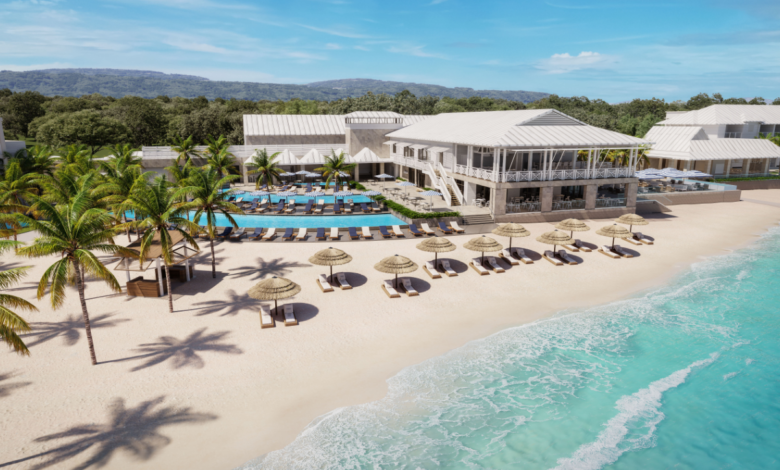
Adam Stewart, Executive Chairman of Sandals Resorts International (SRI), has issued an unequivocal message to the myriad bankers and buyout firms that have long circled his family’s venerable all-inclusive empire: Sandals is not for sale. This definitive statement comes in response to persistent market speculation, most recently highlighted by a March 2024 Wall Street Journal report, which suggested the Caribbean hospitality giant had engaged bankers regarding a potential sale that could command a staggering $6 billion to $7 billion.
"At this stage, we’re just kind of warming up, so we’re not looking at exiting," Stewart asserted, leaving no room for ambiguity regarding the company’s future ownership. "I’m not going anywhere." His comments clarify that while Sandals has indeed been active in the financial marketplace, its purpose is to secure capital for aggressive expansion and development, not to facilitate an ownership transfer. "We’ve for sure been in the marketplace raising funds [for] the buildout that the business is behind, but I don’t think there’s any chance of me retiring at 45 years old, so that’s not the case," he explained.
This forthright declaration from the second-generation leader of one of the Caribbean’s most iconic brands sends a powerful signal across the global hospitality sector, reaffirming the Stewart family’s commitment to independent ownership and long-term growth. It dispels a cloud of M&A rumors that have frequently enveloped the highly desirable asset, especially given the current climate of consolidation within the luxury all-inclusive segment.
The Allure of Sandals: A Coveted Asset
The intense interest from financial institutions and strategic acquirers in Sandals Resorts International is hardly surprising. The company, founded by the late visionary Gordon "Butch" Stewart in 1981, has meticulously built a formidable brand synonymous with luxury, romance, and an unparalleled all-inclusive experience. Operating across prime Caribbean destinations like Jamaica, St. Lucia, Barbados, Antigua, Grenada, the Bahamas, Turks & Caicos, Curaçao, and the upcoming resort in St. Vincent, Sandals and its family-friendly Beaches brand command significant market share and brand loyalty.
The all-inclusive model, once considered a niche or budget option, has undergone a significant transformation, especially in the post-pandemic era. Luxury all-inclusive resorts, pioneered and perfected by Sandals, offer travelers a predictable, high-value, and stress-free vacation experience, a characteristic highly sought after in uncertain times. This segment has demonstrated remarkable resilience and growth, attracting substantial investment from major global hospitality players like Marriott, Hilton, Hyatt, and Accor, all of whom are aggressively expanding their all-inclusive portfolios through acquisitions, partnerships, and new builds.
For private equity firms, Sandals represents a proven cash-generating asset with strong operational efficiencies and significant potential for further scaling and optimization. Its robust brand equity, established distribution channels, and ownership of prime real estate in high-demand tourist destinations make it an exceptionally attractive target. Strategic buyers, on the other hand, would covet Sandals for its immediate market leadership in a lucrative segment, its loyal customer base, and its extensive operational footprint in a region where establishing a similar presence from scratch would be immensely challenging and time-consuming.
A Legacy Forged in the Caribbean
The story of Sandals Resorts International is intrinsically linked to the entrepreneurial spirit of its founder, Gordon "Butch" Stewart. Starting with a single hotel in Montego Bay, Jamaica, in 1981, Stewart revolutionized the hospitality industry by introducing a luxury all-inclusive concept previously unseen in the Caribbean. His vision was to offer couples a premium, worry-free vacation where every conceivable amenity, from gourmet dining and premium spirits to watersports and entertainment, was included in one upfront price. This model was a game-changer, setting new standards for service and value.
Over four decades, "Butch" Stewart expanded Sandals into an iconic global brand, establishing a reputation for innovation, quality, and an unwavering commitment to the Caribbean. His leadership transformed not just his company but also significantly contributed to the development of tourism infrastructure and economies across the region. He passed away in January 2021, leaving behind a monumental legacy and a thriving business.
The mantle of leadership passed to his son, Adam Stewart, who had already served as CEO and Deputy Chairman. Adam Stewart has successfully navigated the company through the unprecedented challenges of the COVID-19 pandemic and has since embarked on an ambitious growth trajectory, demonstrating a keen understanding of both the family’s legacy and the evolving demands of the luxury travel market. His leadership has focused on enhancing the guest experience, investing in digital transformation, and expanding the brand’s footprint while upholding the core values instilled by his father. This continuity in leadership, combined with a clear strategic vision, further bolsters the company’s appeal as a stable, well-managed entity.
The $6-7 Billion Valuation and the Wall Street Journal Report
The Wall Street Journal report in March 2024, which cited unnamed sources, suggested a potential valuation of $6 billion to $7 billion for Sandals. While Adam Stewart’s statements firmly rebut any active sale process, the reported figure itself underscores the immense value placed on the company by market observers. Such valuations are typically derived from a combination of factors, including revenue multiples, EBITDA (Earnings Before Interest, Taxes, Depreciation, and Amortization) multiples, asset values (resort properties), brand equity, and future growth potential.
For a company with Sandals’ scale, profitability, and brand recognition, an EBITDA multiple in the high single to low double digits would not be uncommon in the current M&A environment for hospitality assets. Given the company’s extensive portfolio of luxury resorts, its proprietary operational model, and its strong presence in high-demand markets, a valuation in the reported range is a testament to its intrinsic worth and strategic importance within the global tourism landscape.
The mention of "tapping bankers" in the WSJ report is a common practice for private companies, even when not actively seeking a sale. Investment bankers frequently approach successful private enterprises to present unsolicited acquisition proposals, offer advice on market trends, or discuss options for capital raising. Companies may engage with bankers to understand their market value, explore strategic alternatives, or simply to establish relationships that could be beneficial for future financing needs. Adam Stewart’s clarification suggests that any engagement with bankers has been purely for the latter purpose – raising funds for expansion – rather than initiating a divestment.
Decades of Approaches and a Moment of Contemplation
Adam Stewart candidly acknowledged that interest in acquiring Sandals is far from new. "We have been approached, for more than a decade, by all the majors," he revealed. This consistent overture from major players in the hospitality and financial sectors highlights Sandals’ enduring appeal as a prime acquisition target. The company’s unique position, strong brand, and proven business model have made it a recurring subject of M&A discussions within the industry.
Intriguingly, Stewart also confirmed that Sandals Resorts "most seriously considered a sale around 2019." This period would have been under the direct leadership of the late Gordon "Butch" Stewart. The context of 2019 is important: it was a pre-pandemic era characterized by robust global tourism growth and a vibrant M&A market. For a founder like "Butch" Stewart, who had dedicated his life to building the company, contemplating a sale could have been driven by various factors, including succession planning, market conditions offering peak valuation, or a desire to secure the company’s future in a consolidating industry. The fact that a sale did not materialize then, despite serious consideration, underscores the deep emotional and familial attachment to the business and perhaps a strategic decision that the timing or terms were not optimal. It also reinforces the family’s inherent desire to maintain control, a sentiment that appears to be even stronger under Adam Stewart’s current leadership.
Fueling Growth: The True Purpose of Fundraising
Adam Stewart’s emphasis on fundraising for "buildout" is a critical distinction that redefines the company’s financial activities. Rather than preparing for an exit, Sandals is actively securing capital to fuel an ambitious growth agenda. The hospitality industry, particularly resort development, is inherently capital-intensive, requiring substantial investments in land acquisition, construction, renovation, and ongoing operational upgrades.
Sandals has a clear track record of reinvestment and expansion. Recent examples include the significant renovation and reopening of Sandals Royal Curaçao, which marked the brand’s entry into a new island destination. The company has also announced plans for new resorts and expansions in existing territories, such as the upcoming Sandals Saint Vincent and The Grenadines. These projects involve hundreds of millions of dollars in investment, creating jobs and stimulating local economies.
To fund such large-scale developments, companies like Sandals typically tap into a variety of capital sources, including commercial bank loans, private debt placements, and sometimes minority equity investments that do not dilute family control. Engaging with bankers for these purposes is standard practice, allowing the company to secure favorable terms and access diverse funding pools. Stewart’s declaration clarifies that these financial engagements are strategic moves to strengthen and expand the family’s empire, rather than a prelude to its sale. It reflects a confidence in the future of the all-inclusive model and the Caribbean tourism market.
Implications for the All-Inclusive Sector and Caribbean Tourism
Sandals’ firm stance against a sale carries significant implications for both the global all-inclusive sector and the Caribbean region.
Consolidation Trends: In an era of rampant consolidation, particularly within the hospitality and travel industries, Sandals’ decision to remain independent acts as a counter-narrative. Many independent luxury brands have been absorbed by larger hotel groups seeking to expand their portfolios and leverage economies of scale. Sandals’ commitment to private, family ownership means one of the most significant and desirable assets in the all-inclusive space will not be available for acquisition, potentially shifting the focus of major players to other targets or encouraging them to build their own luxury all-inclusive brands from scratch.
Competitive Landscape: Sandals’ continued independence and aggressive expansion plans will undoubtedly intensify competition within the luxury all-inclusive segment. With a clear vision for growth, Sandals will continue to innovate and raise the bar for guest experiences, putting pressure on competitors to match its offerings and service levels. This competitive dynamic is ultimately beneficial for consumers, driving improvements across the industry.
Economic Impact on the Caribbean: As a major employer and tourism driver, Sandals’ long-term commitment to the Caribbean is excellent news for the region. The company directly employs thousands of individuals and indirectly supports countless local businesses through its supply chain. Its continued investment in new resorts and renovations creates jobs, generates tax revenue, and attracts millions of tourists, who in turn spend money in local communities. An acquisition by a large, multinational corporation could potentially alter the company’s strategic focus on the region or introduce different operational priorities. Sandals remaining family-owned ensures a deep-rooted commitment to the destinations it operates in, many of which are home to the Stewart family’s origins.
The Future Trajectory: An Independent Empire
Adam Stewart’s resolute declaration marks a clear strategic direction for Sandals Resorts International: one of continued independence and aggressive, self-funded growth. His personal commitment to the business, expressed by his "not going anywhere" and "no chance of me retiring at 45" statements, underscores a multi-generational vision for the company.
The future trajectory for Sandals will likely involve:
- Continued Expansion: Exploring new islands, expanding existing resorts, and potentially introducing new brands or concepts that complement the Sandals and Beaches portfolios.
- Luxury Enhancement: Investing further in premium amenities, gourmet dining experiences, and personalized service to solidify its position at the pinnacle of luxury all-inclusive travel.
- Sustainability and Community Engagement: Deepening its commitment to environmental stewardship and local community development, building on the work of the Sandals Foundation.
- Technological Innovation: Leveraging digital tools to enhance guest experience, streamline operations, and personalize marketing efforts.
By firmly shutting the door on acquisition rumors, Adam Stewart is not merely protecting a family asset; he is articulating a powerful statement about the enduring value of independent, family-led enterprises in a world increasingly dominated by corporate giants. Sandals Resorts International, under his stewardship, appears poised to continue its legacy as a trailblazer in luxury travel, deeply rooted in the Caribbean, and confidently charting its own course for decades to come. The message is clear: the Stewarts are not cashing out; they are building up.