Shocked by High Flight Prices? Here’s How We’re Booking (& Rebooking) Flights Now

Global aviation markets are experiencing a profound financial shock as surging crude oil markets and geopolitical instability drive commercial airfares to unprecedented heights. Travelers worldwide are facing a steep financial barrier to mobility, forced to navigate an environment where traditional seasonal discounting has largely evaporated. Major domestic and international carriers have formally acknowledged widespread tariff increases, citing severe margin compression driven by skyrocketing fuel expenditures. As the macroeconomic landscape continues to shift, industry analysts, consumer advocates, and frequent flyers are recalibrating their approach to itinerary planning, emphasizing proactive booking behaviors, sophisticated loyalty program utilization, and continuous price surveillance to mitigate extraordinary travel expenses.

The catalyst for the current pricing crisis stems from a convergence of acute geopolitical conflicts and structural energy supply constraints. Following military engagements involving the United States, Israel, and Iran, regional stability in the Middle East—a critical transit and energy hub—deteriorated rapidly, injecting extreme volatility into global crude markets. Jet fuel, which historically accounts for between 20% and 30% of an airline’s total operating expenses, has seen spot prices nearly double within a compressed operational window. When combined with broader macroeconomic inflationary pressures, the cost of benchmark crude oil has climbed more than 90% year-over-year. Commercial airlines, operating under thin net profit margins, have systematically refused to absorb these elevated overhead costs, instead passing the financial burden directly onto consumers through higher base fares, restructured fare classes, and reduced promotional discounting.
Historically, travel consumers could rely on predictable seasonal troughs—particularly during the late autumn and early winter shoulder periods—to secure discounted itineraries. However, market intelligence indicates that this cyclical pricing behavior has fundamentally broken down. In the current economic climate, waiting for last-minute price contractions has evolved from a speculative gamble into a financially punishing strategy. Industry experts strongly advise travelers to secure itineraries as soon as acceptable pricing is identified, operating under the empirical reality that fares in a rising-fuel environment are statistically far more likely to appreciate than depreciate over time.
To navigate this volatility successfully, travel strategists advocate for the strict implementation of the Flight First Rule. This operational methodology requires consumers to search for and finalize their airfare purchases prior to requesting vacation leave from employers, securing ground transportation, reserving hotel accommodations, or arranging non-refundable tours. By inverting the traditional vacation-planning sequence, travelers retain the essential agility to shift their departure or return dates by a margin of 24 to 48 hours—an adjustment that can yield substantial financial savings. Conversely, locking in rigid land arrangements before securing air transportation leaves the consumer entirely vulnerable to airline pricing algorithms, compounding the risk of severe financial exposure. Furthermore, consumer protection advocates universally advise passengers to bypass basic economy tickets. While a basic economy fare may present an upfront savings of $60 or more, the total lack of flexibility, the prohibition against seat selection, and the steep penalties associated with itinerary modifications or cancellations frequently outweigh the initial discount.
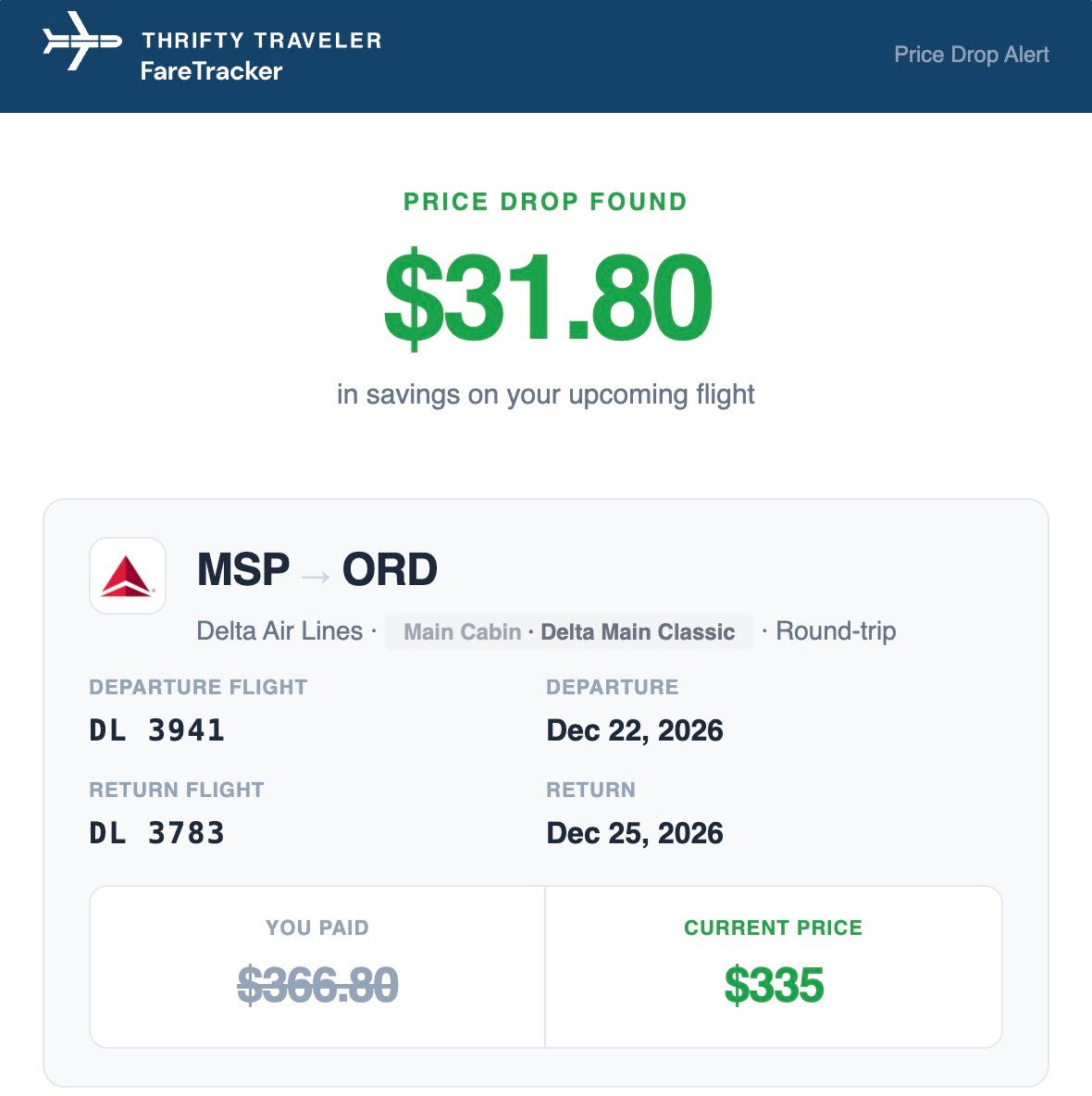
Beyond initial booking strategies, modern flight optimization increasingly relies on post-purchase surveillance and automated rebooking. Airfare pricing and loyalty inventory remain fluid variables, fluctuating constantly right up until the scheduled departure window. Passengers flying in main cabin configurations or higher fare classes possess valuable rebooking rights, enabling them to capitalize on subsequent downward price adjustments. Automated price-tracking applications, such as specialized fare-monitoring utilities, have emerged as indispensable tools for modern travelers. By inputting booking references and baseline purchase prices into these tracking systems, consumers can continuously monitor tariff changes. When a fare drops below the initial purchase price, the airline typically issues the difference as an electronic travel credit. Although individual price adjustments may appear modest—such as a $31 reduction on a holiday itinerary—cumulative savings across multiple trips provide a vital financial buffer against broader inflationary trends.
Concurrently, the rapid devaluation of cash purchasing power has elevated airline loyalty programs and credit card reward points from auxiliary perks to essential hedging instruments. Major domestic carriers—including American Airlines, Delta Air Lines, United Airlines, and the combined Alaska/Hawaiian Airlines network—feature zero-penalty cancellation policies on award bookings, allowing members to reclaim both their expended miles and any underlying government taxes and fees should plans change. Because several major domestic loyalty programs utilize dynamic award pricing models tied directly to cash ticket prices, travelers can establish price alerts on cash fares, monitor market dips, and subsequently cancel and rebook award flights to recover thousands of surplus miles.
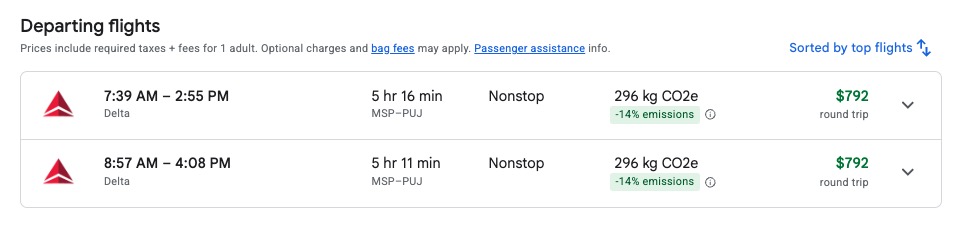
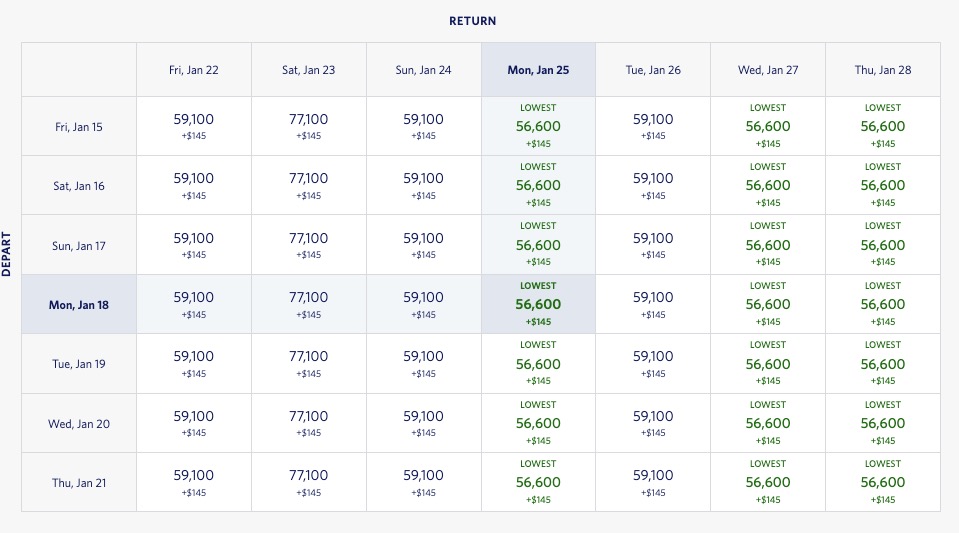
Simultaneously, international alliance partners utilizing traditional, distance-based or zone-based award charts—such as Air France/KLM FlyingBlue, Air Canada Aeroplan, and British Airways Executive Club—offer significant outsized value. By leveraging transferable credit card currencies from major financial institutions like Chase, American Express, and Capital One, consumers can bypass exorbitant cash tariffs entirely. For instance, peak winter itineraries from regional hubs like Minneapolis (MSP) to tropical destinations such as Punta Cana (PUJ) regularly command cash prices approaching $800 to $1,000 for restrictive basic economy seats. Redeployment of proprietary carrier miles can dramatically reduce these costs; however, transferring points to strategic European partners can slash mileage requirements from nearly 60,000 SkyMiles down to 38,000 miles for identical main cabin nonstop flights, requiring only a modest administrative cancellation fee if modifications are required.
Ultimately, the unprecedented elevation of global airfares demands a structural paradigm shift rather than a retreat from leisure and business travel. By abandoning passive booking habits, embracing the Flight First Rule, leveraging post-purchase tracking tools to capture e-credits, and strategically deploying accumulated loyalty miles and transferable bank points, consumers can insulate themselves from the worst impacts of the current energy crisis. While the macroeconomic pressures driving jet fuel prices higher show little sign of immediate resolution, proactive planning and dynamic rebooking methodologies ensure that global mobility remains attainable for the resourceful traveler.