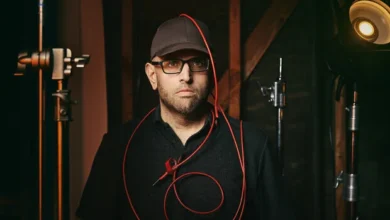
A Photographer’s Ambitious Endeavor: Capturing Rory McIlroy’s Autograph Session with a 4×5 Camera at the PGA Truist Championship


The recent PGA Truist Championship, held just outside of Philadelphia, became the unlikely stage for a unique photographic experiment, as acclaimed photographer Jared Polin took his large-format 4×5 camera to the grounds with the specific, and arguably ambitious, goal of documenting a moment of fan interaction. Polin, known for his distinctive photographic style and extensive experience, aimed to capture images of professional golfer Rory McIlroy as he engaged with fans and volunteers, signing autographs. This endeavor, detailed in a recent post on his platform, highlights the challenges and artistic considerations inherent in capturing spontaneous moments with specialized equipment.
The event, which took place at the PGA Truist Championship 2025, provided a backdrop of high-stakes professional golf against the backdrop of community engagement. Polin’s decision to utilize a 4×5 camera, a format renowned for its exceptional image quality and deliberate process, immediately set his undertaking apart from the ubiquitous digital cameras and smartphones typically seen at such events. The 4×5 format, which uses film sheets measuring four inches by five inches, demands a meticulous approach to photography. Each shot requires careful consideration of composition, focus, and exposure, as the photographer cannot rely on rapid-fire bursts or instant digital previews. This inherent deliberateness makes capturing fleeting moments a significant challenge, especially in a dynamic environment like a professional sporting event.
The Genesis of the Project: A Photographer’s Vision
Polin’s objective was not simply to document the tournament, but to isolate a specific human element within it: the interaction between a star athlete and his audience. The post-round autograph session, a common occurrence at professional sporting events, presents a unique opportunity to witness this exchange. However, the act of photographing such an event with a 4×5 camera introduces a layer of complexity. The photographer must anticipate the action, position themselves strategically, and execute the shot with precision, all while managing the cumbersome nature of the equipment and the limited number of exposures available on film.
"My goal was to try and capture something, anything, of him signing," Polin stated in his report, underscoring the uncertainty and experimental nature of his mission. This admission speaks volumes about the inherent risks involved. Unlike digital photography, where a photographer can take hundreds of shots and select the best, film photography is a more considered art. Each frame is precious, and the ability to review and adjust on the fly is non-existent. This makes the decision to use a 4×5 camera for this specific purpose a testament to Polin’s commitment to his artistic vision and his belief in the unique qualities that the format can impart to an image.
Challenges of Large-Format Photography in a Live Event Setting
The 4×5 camera, often referred to as a field camera, is not designed for rapid deployment or continuous shooting. It requires setup, careful focusing using a ground glass, and precise film loading. These steps, which can take several minutes, are a stark contrast to the instantaneity of digital photography. In the context of a golfer signing autographs, where the action is often brief and unpredictable, this process presents a significant hurdle.
Polin himself acknowledged the "chaos" involved in his attempt to capture these images. The video accompanying his report, which reportedly spans 11 minutes, likely showcases the behind-the-scenes effort, the repositioning, the focusing adjustments, and the anticipation required to even attempt such a feat. This "chaos" is not a sign of failure, but rather an illustration of the dedication and technical skill necessary to bridge the gap between a photographer’s intent and the reality of the moment, especially when using equipment that is fundamentally at odds with the event’s dynamic nature.
The PGA Truist Championship: A Brief Overview
The PGA Truist Championship is a significant event on the professional golf calendar, attracting top players and a substantial audience. Held in the greater Philadelphia area, it serves as a key stop for golfers aiming to accrue points, secure rankings, and ultimately compete in major championships. The tournament typically draws considerable media attention, with photographers and journalists from around the world covering the action on the course.
The event also fosters a strong connection with the local community. The presence of athletes like Rory McIlroy, one of the sport’s most recognizable figures, amplifies this connection. His willingness to engage with fans, particularly children and volunteers, is a crucial element of the fan experience and a significant draw for attendees. It is within this intersection of elite sport and community interaction that Polin sought to make his photographic mark.
The Role of Autographs in Sports Culture
Autograph sessions at sporting events are more than just a fan service; they represent a tangible link between the spectators and the athletes they admire. For many, receiving an autograph is a cherished memory, a physical memento of a personal encounter with a sports hero. This interaction also serves to humanize the athletes, offering fans a glimpse into their personalities beyond the competitive arena.
From a photographic perspective, these moments can be compelling. They capture expressions of joy, gratitude, and connection. However, the act of photographing them requires sensitivity and an understanding of the dynamics at play. Polin’s approach, by focusing on the signing itself, suggests an interest in the gesture, the artist-fan relationship, and the physical act of inscription.
Potential Supporting Data and Analysis
While the provided content does not include specific data on the number of attendees or the duration of McIlroy’s autograph session, general observations about professional golf events can provide context. Tournaments like the PGA Truist Championship often attract tens of thousands of spectators over the course of several days. Star players like Rory McIlroy are typically surrounded by a significant throng of admirers during any public appearance, making crowd management and access a critical aspect of event organization.
The choice of a 4×5 camera, with its inherent limitations on shot count and the time required for each exposure, suggests that Polin was likely aiming for a very specific aesthetic. Large-format film is known for its exceptional detail, tonal range, and the distinctive depth of field that can be achieved. These qualities might have been precisely what Polin sought to imbue in his images of McIlroy’s autograph session, aiming for a timeless and artistically rendered portrayal of the interaction.
Inferred Reactions and Broader Implications
While direct statements from Rory McIlroy or PGA officials regarding Polin’s photographic approach are not available, it can be inferred that the PGA, like most major sporting organizations, has specific guidelines for media and professional photographers. Their primary concerns typically revolve around ensuring the safety of athletes and spectators, maintaining the flow of the event, and managing access to sensitive areas.
Polin’s description of the "chaos" implies that his pursuit of the shot may have involved navigating crowds and potentially working within the periphery of official media zones. The success of his endeavor would ultimately be judged by the quality and impact of the final images, which are available for viewing at the provided link.
The broader implications of Polin’s project lie in its exploration of artistic intent versus practical execution. In an era dominated by rapid digital capture, his deliberate use of a challenging, analog format for a spontaneous event speaks to a commitment to craft and a belief in the enduring power of traditional photographic techniques. It also highlights the ongoing dialogue between technological advancement and artistic expression in the field of photography. The results of his experiment offer a unique perspective on a common fan experience, rendered through a lens that prioritizes detail, texture, and a considered artistic vision.
The success of such an endeavor is not solely measured by the number of frames captured, but by the quality and narrative power of the images produced. Polin’s willingness to share the "chaos" suggests a transparency about the process and a desire to educate his audience about the challenges and rewards of his chosen medium. The final output, available at the link provided, will ultimately determine the artistic merit of his ambitious undertaking at the PGA Truist Championship.
Sponsorship and Support
It is noteworthy that this project, like many creative endeavors, is supported by various platforms and tools. The mention of Squarespace, a website building platform, and FROPACK4, a collection of Lightroom presets, indicates Polin’s engagement with the broader creative ecosystem. His long-standing use of Squarespace and the promotional offer for his Lightroom presets are typical of content creators seeking to sustain their work through commercial partnerships and product offerings. The Amazon affiliate links further underscore his reliance on an integrated online presence to support his photographic pursuits. These commercial aspects, while not directly related to the photographic subject matter, are integral to the sustainability of modern content creation and photography.
Related posts: