Navigating Nepal’s Post-Disaster Tourism Recovery: Balancing Economic Vitality with Community Safety

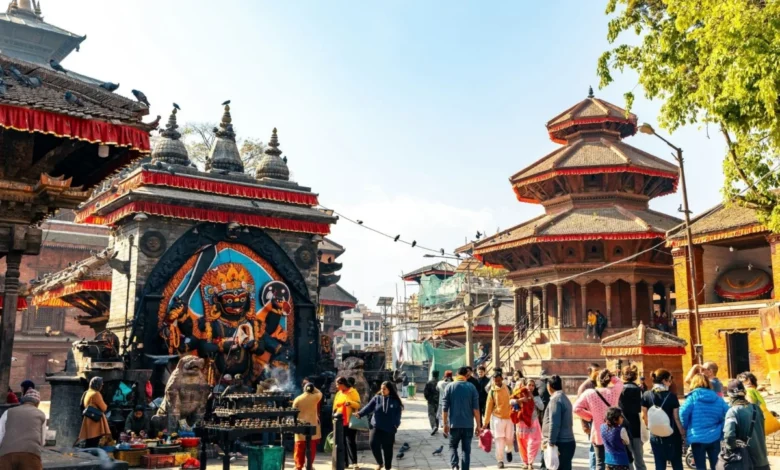
Following the catastrophic floods that swept across Nepal and Tibet in late August, claiming at least 1,386 lives and leaving thousands missing, the Himalayan nation faces a daunting secondary challenge: restoring its vital tourism industry without overstraining recovering infrastructure. With the disaster displacing communities and destroying essential services, the government and local stakeholders have launched a concerted campaign urging international travelers not to cancel their trips. This delicate balancing act highlights the complex relationship between a nation’s economic survival and its capacity to manage post-disaster rehabilitation safely.
The Anatomy of the Late-August Disaster
The crisis began when torrential monsoon rains triggered massive flooding and landslides across large swathes of Nepal and neighboring Tibet. The resulting devastation overwhelmed local rescue operations, washing away bridges, severing major roadways, and flattening homes. The International Organization for Migration (IOM) and local authorities confirmed a death toll of at least 1,386 people, with thousands remaining unaccounted for weeks after the initial impact.
In the immediate aftermath, the primary focus of the Nepalese government, alongside international aid agencies, was strictly humanitarian. Emergency responders prioritized search-and-rescue missions, delivering medical supplies, establishing temporary shelter camps, and restoring critical utilities such as electricity and clean water to isolated districts. However, as the initial emergency phase gave way to recovery planning, economic realities quickly came to the forefront.
Economic Reliance on Global Travelers
Nepal’s economy is deeply entwined with international tourism. Prior to the disaster, the sector was experiencing a robust post-pandemic revival, welcoming nearly 1.16 million foreign visitors last year—the highest volume recorded since before the COVID-19 global health crisis. Tourism accounts for roughly six to eight percent of the nation’s Gross Domestic Product (GDP) and supports approximately 15 percent of total employment, translating to nearly one in every seven jobs in the country.
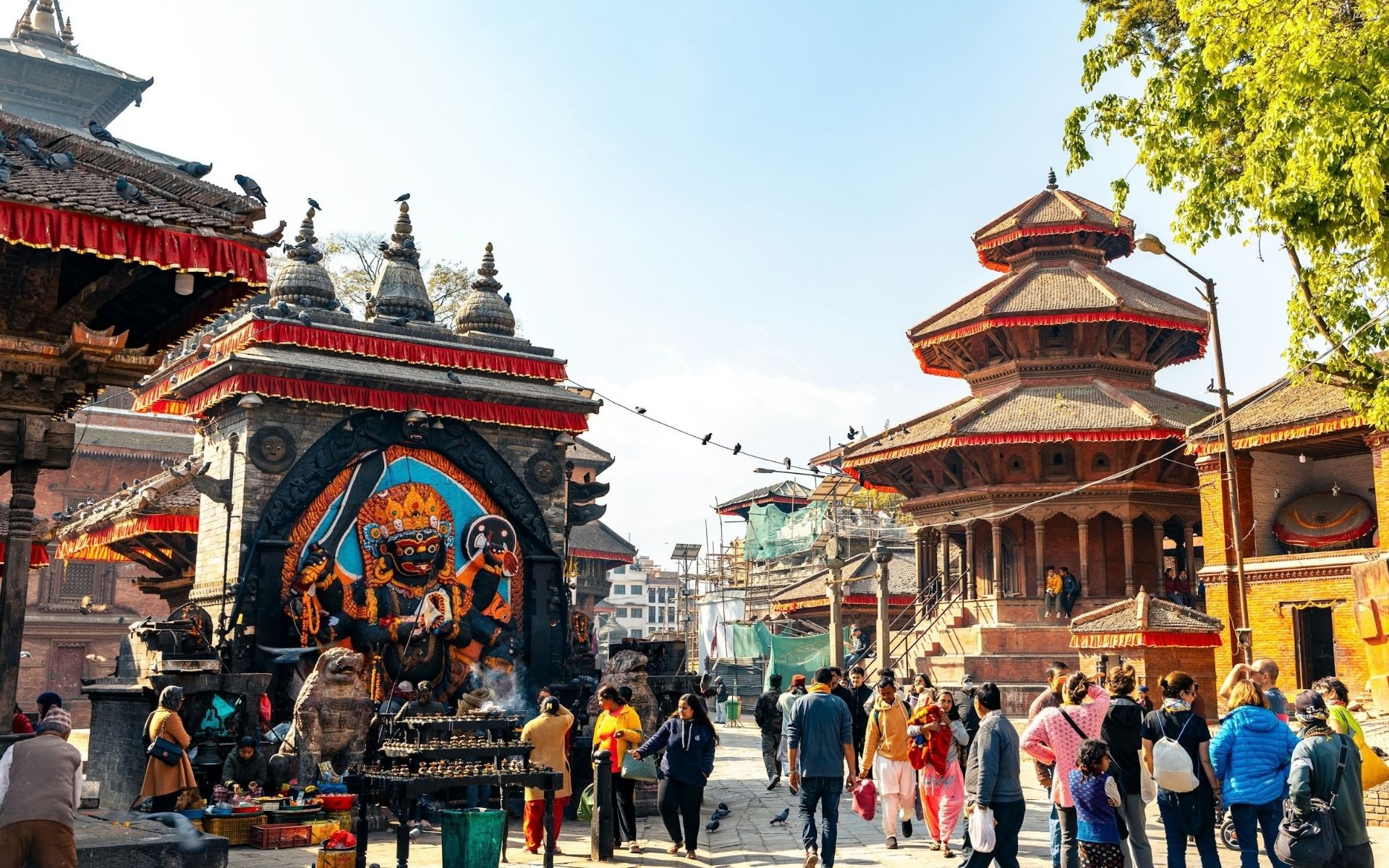
The livelihoods generated by this industry form a complex web reaching far beyond major urban hotels and trekking agencies. Porters, mountain guides, local restaurant owners, transport operators, and artisans in remote mountain hamlets depend heavily on visitor expenditures. Consequently, tourism advocates warn that a prolonged freeze on travel could transform a localized natural disaster into a nationwide economic crisis, deepening poverty and delaying long-term recovery in regions untouched by the floods.
The Perception Footprint: Lessons from the 2015 Gorkha Earthquakes
To understand the current dilemma, tourism researchers look back at historical precedents, most notably the devastating Gorkha earthquakes of 2015. That seismic disaster claimed nearly 8,800 lives and inflicted widespread structural damage across central Nepal.
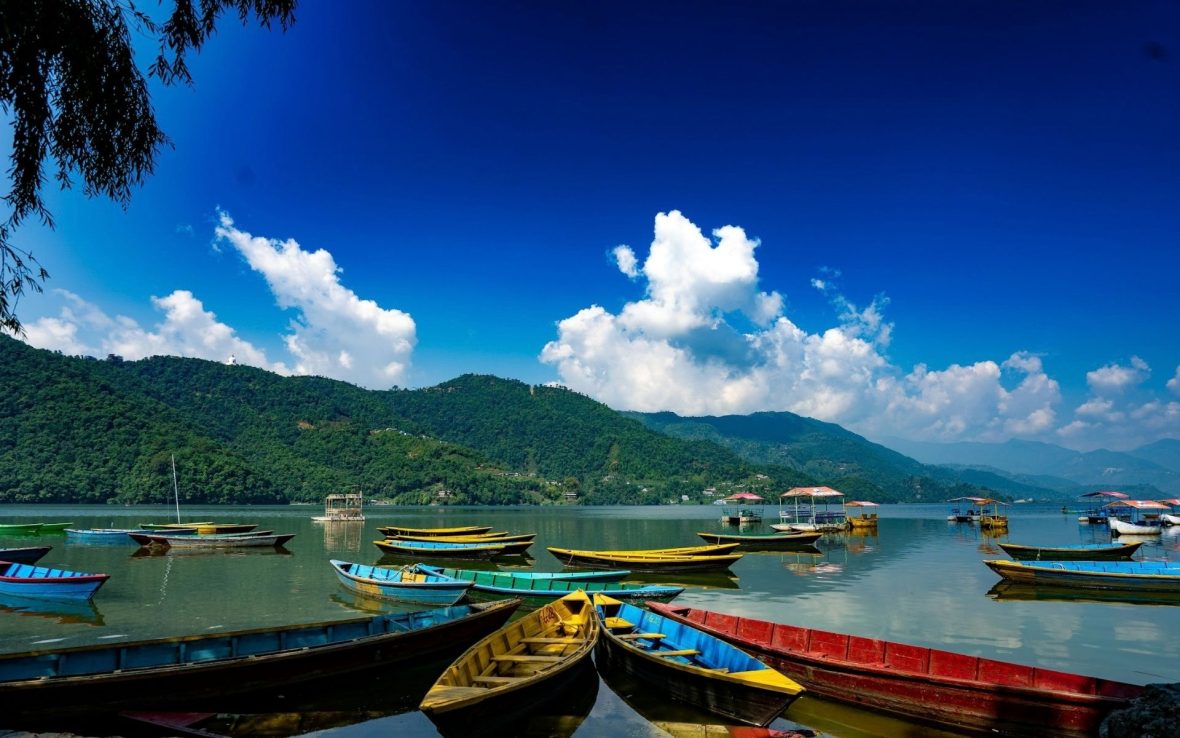
In the wake of the 2015 earthquakes, international visitor arrivals plummeted by 32 percent compared to the previous year. Crucially, this steep decline occurred despite the fact that several major tourist hubs—including the lakeside city of Pokhara and the wildlife-rich Chitwan National Park—sustained little to no structural damage and remained fully operational.
Experts attribute this drop to the "perception footprint," a phenomenon where media coverage, social media imagery, and generalized travel advisories create a false impression that an entire country is devastated and unsafe. For prospective travelers thousands of miles away, isolated images of destroyed temples and collapsed buildings in Kathmandu translated into a belief that all of Nepal was closed for business.
Tourism authorities eventually countered this trend by utilizing targeted digital campaigns, leveraging social media posts from returning visitors, and partnering with international media to highlight that vast regions of the country were safe and welcoming travelers. This strategy eventually fueled a strong rebound, culminating in a record 940,000 visitors by 2017.

Current Appeals and the #NepalCalling Initiative
Learning from past crises, Nepalese authorities and tourism boards are acting swiftly to manage the narrative surrounding the late-August floods. Government officials have issued detailed press statements and travel advisories, while digital campaigns utilizing the hashtags #NepalCalling and #VisitNepal have proliferated across platforms like X (formerly Twitter) and Instagram.
These campaigns aim to provide transparent, real-time updates regarding which trekking routes, national parks, and cultural sites are open, and which regions remain restricted or under repair. Navin Jha, a prominent local journalist and commentator, noted on social media that proactive official communication is essential to prevent speculative cancellations from harming unaffected hospitality businesses.
However, industry experts caution that a hasty reopening carries its own set of dangers. Rushing to bring tourists back before local infrastructure is fully stabilized can place undue strain on limited community resources, complicate ongoing relief efforts, and potentially expose travelers to secondary hazards such as compromised roads or unstable mountain passes.
Strategic Insights from Global Disaster Recovery Research
Academic studies on tourism crisis management offer clear frameworks for how destinations should navigate post-disaster revivals. Research conducted by tourism management scholars following major climate events—such as the 2011 Queensland floods in Australia, which affected an area the size of France and Germany combined, and Cyclone Marcia—highlights several critical findings regarding tourist behavior.
First, potential travelers exhibit high levels of uncertainty following a natural disaster. While many express a strong desire to support economic recovery through travel, their decisions are heavily influenced by the credibility of information provided by destination marketing organizations.
Second, research indicates that destinations attempting to accelerate visitor returns should tailor their initial marketing efforts toward repeat visitors. Individuals who have traveled to Nepal multiple times in the past possess a deeper understanding of local geography, maintain stronger personal connections with local families or guides, and are significantly more resilient to generalized fear generated by international media coverage than first-time visitors.
Timing, Trusted Information, and Official Travel Advisories
As Nepal moves further into its recovery timeline, tourism stakeholders emphasize that traveler confidence must be earned through rigorous transparency. Prospective visitors are encouraged to consult official government sources before finalizing itineraries. Major diplomatic bodies continue to update their advisories; travelers can review specific regional guidelines through platforms such as the Australian Government’s Smartraveller, New Zealand’s SafeTravel, and the United States Department of State travel advisory pages.
Ultimately, Nepal’s primary hurdle is not simply declaring the country "open," but rather communicating granular, location-specific details regarding readiness. By carefully timing promotional efforts and prioritizing regions that can safely host guests, Nepal aims to ensure that tourism acts as a pillar of strength for its communities, rather than an additional burden on a society working tirelessly to rebuild.