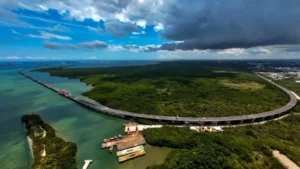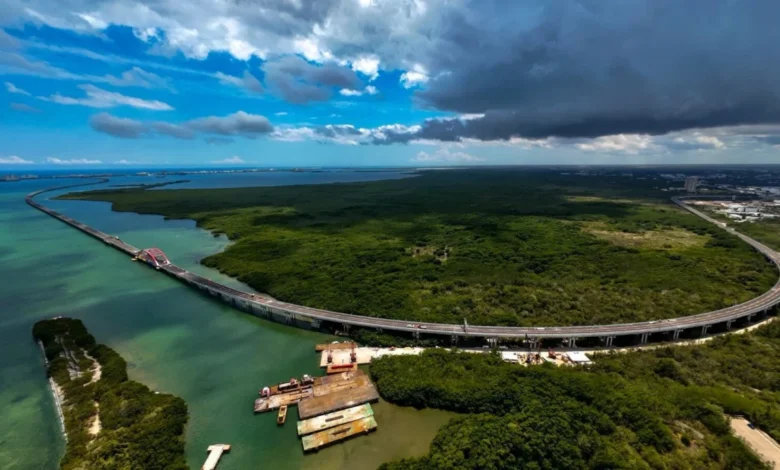
The inauguration and operational integration of the Nichupté Bridge represents a pivotal shift in the urban and touristic landscape of Cancún, marking one of the most significant infrastructure investments in the history of the Mexican Caribbean. Designed to alleviate the chronic traffic congestion that has long plagued the city’s Hotel Zone, this architectural landmark serves as a critical artery connecting the mainland urban center with the world-renowned beachfront strip. As the region continues to experience record-breaking visitor numbers, the bridge is positioned not merely as a local transit solution, but as a strategic asset intended to modernize the traveler experience and ensure the long-term sustainability of the destination’s economic engine.
Infrastructure Overview and Strategic Purpose
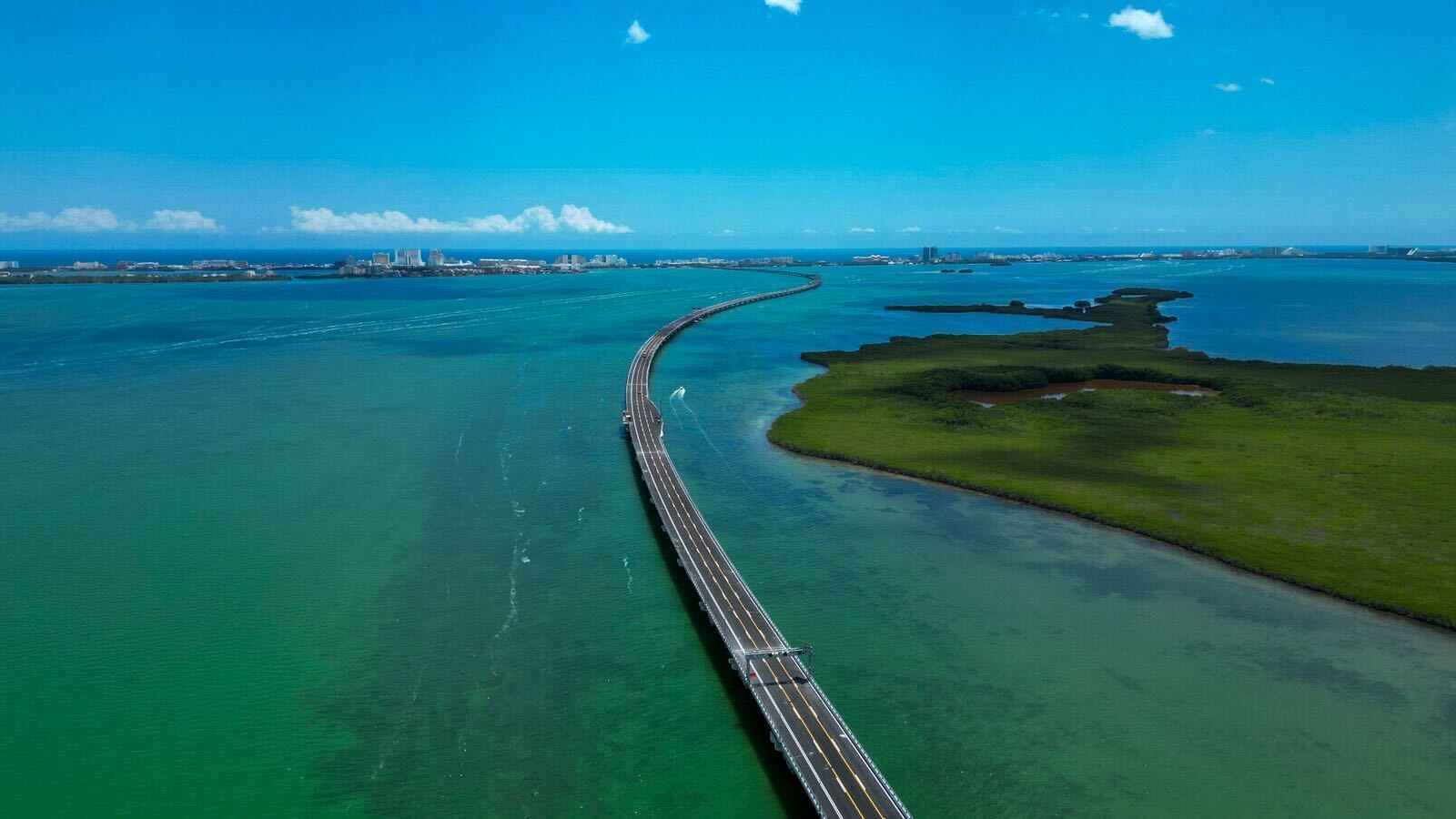
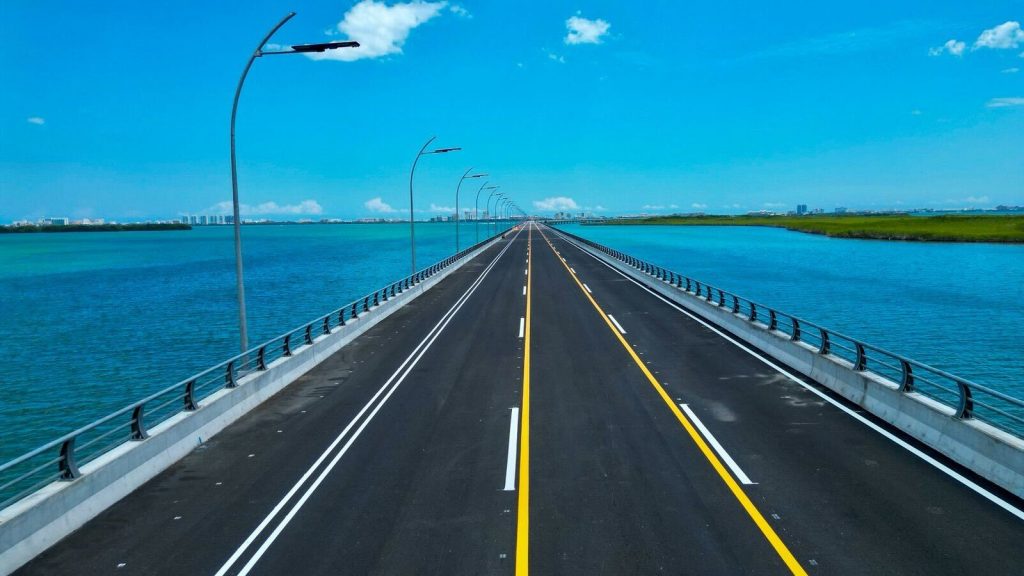
The Nichupté Bridge is an 8.8-kilometer (approximately 5.5-mile) elevated roadway that traverses the Nichupté Lagoon system. For decades, the Cancún Hotel Zone—a narrow spit of land between the Caribbean Sea and the lagoon—was accessible primarily via Kukulcan Boulevard. This single-access bottleneck often resulted in transit times exceeding 90 minutes during peak hours, impacting both the quality of life for the local workforce and the satisfaction of international tourists.
The new bridge provides a direct link between the intersection of Colosio Boulevard and Kabah Avenue in downtown Cancún and the mid-section of the Hotel Zone. By creating a third entry and exit point, the project effectively redistributes traffic flow, significantly reducing the duration of the commute between the Cancún International Airport and the northern and central resort sectors. Beyond convenience, the bridge serves a vital safety function, providing an essential evacuation route in the event of hurricanes or other natural disasters, a contingency that was previously limited by the geographical constraints of the Hotel Zone.
Chronology of Development and Construction
The trajectory of the Nichupté Bridge from concept to completion reflects a multi-year effort involving federal, state, and municipal collaboration. While the need for a lagoon crossing had been discussed by urban planners for nearly twenty years, the project gained definitive momentum in 2022 under the administration of President Andrés Manuel López Obrador and Governor Mara Lezama.
- Project Announcement (2021-2022): The federal government identified the bridge as a priority project within the "Program for the Development of the Southeast." Funding was allocated through the Secretariat of Infrastructure, Communications, and Transportation (SICT).
- Environmental Impact Assessment (2022): Given the bridge’s path through a protected mangrove ecosystem, extensive environmental studies were conducted. The project was required to adhere to strict protocols to minimize the footprint on the lagoon’s biodiversity.
- Commencement of Works (Late 2022): Construction began with the deployment of specialized "Top-Down" engineering technology. This method allowed for the assembly of the bridge from above, significantly reducing the need for heavy machinery to enter the sensitive lagoon waters or disturb the seabed.
- Operational Milestones (2024-2025): Throughout the construction phase, the project faced challenges including weather delays and the logistical complexity of building over water. However, the phased opening of segments and the final completion of the span have now transitioned the project into full operational status.
- International Recognition (2026): The bridge was a focal point of discussion at the EDGE 2026 conference in San Diego, where its success was cited as a primary reason for selecting the Cancún-Riviera Maya region to host the EDGE 2027 summit.
Economic Impact and Supporting Data
The scale of the Nichupté Bridge is matched by its economic implications. The project involved an investment of approximately 5.5 billion Mexican pesos (roughly $320 million USD). This capital expenditure is expected to yield substantial returns by improving the efficiency of the tourism sector, which accounts for over 80% of Quintana Roo’s Gross State Product.
Statistical data indicates that Cancún International Airport handled over 32 million passengers in recent annual cycles. A significant portion of these travelers must navigate the corridor between the airport and the Hotel Zone. Preliminary traffic studies suggest that the Nichupté Bridge will accommodate approximately 40,000 vehicles per day, diverting nearly 35% of the traffic currently utilizing Kukulcan Boulevard. For the average traveler, this translates to a reduction in travel time by an estimated 30 to 45 minutes during peak periods.
Furthermore, the bridge facilitates the movement of the local workforce. Approximately 70,000 employees work within the Hotel Zone, most of whom reside in the mainland suburbs. The reduction in commute times is projected to increase labor productivity and enhance the overall well-being of the local population, creating a more stable and efficient service environment for the tourism industry.
Engineering Excellence and Environmental Stewardship
One of the most notable aspects of the Nichupté Bridge is the engineering methodology employed to protect the Nichupté Lagoon, a federally protected area. The use of "Top-Down" construction is a hallmark of the project’s commitment to sustainability. By utilizing a launching gantry to place pre-cast concrete sections, the developers avoided the traditional dredging and filling methods that often devastate aquatic ecosystems.
The bridge stands at a height that allows for the continued passage of maritime traffic beneath it, ensuring that local boating and eco-tour operations remain unaffected. Additionally, the project included a comprehensive mangrove reforestation program. For every hectare impacted by construction, the government committed to restoring and protecting multiple hectares of mangrove forest in surrounding areas. This "green-gray" infrastructure approach has been praised by regional environmental analysts as a model for future developments in ecologically sensitive zones.
Official Responses and Regional Leadership
The successful completion of the bridge has been met with widespread approval from both government officials and private sector leaders. Andrés Martínez Reynoso, CEO of the Mexican Caribbean Tourism Board, emphasized the bridge’s role in the region’s evolution. "The Nichupté Bridge is a transformational project for Cancún," Reynoso stated. "It reflects our continued evolution to meet the needs of modern tourism. We are no longer just focusing on what happens inside the resorts; we are investing in the total journey of the traveler."
Governor Mara Lezama has frequently highlighted the bridge as a symbol of the "New Era" of tourism in Quintana Roo. During several site inspections, she noted that the bridge is a "work of social justice," as it benefits the workers who are the backbone of the industry as much as it benefits the high-end tourists.
The international community has also taken note. The announcement that EDGE 2027—a major global travel and infrastructure summit—will be held in the region serves as a vote of confidence in Cancún’s ability to execute large-scale, modern infrastructure projects. Industry analysts suggest that the bridge, combined with the recently opened Tulum International Airport and the Tren Maya (Mayan Train) project, positions Quintana Roo as the most technologically advanced tourism hub in Latin America.
Broader Implications for the Mexican Caribbean
The Nichupté Bridge does not exist in a vacuum; it is part of a broader, integrated strategy to decentralize and modernize the Mexican Caribbean. Historically, Cancún was a self-contained destination. However, the current trend in global travel favors "seamless mobility"—the ability of a traveler to move between different types of experiences (urban, beach, jungle, and archaeological) with minimal friction.
By easing the transit out of the Hotel Zone, the bridge encourages tourists to explore downtown Cancún and the surrounding mainland areas. This promotes a more equitable distribution of tourist dollars, benefiting small businesses, local restaurants, and cultural sites that were previously difficult to reach for those staying in all-inclusive resorts.
Moreover, the bridge’s connection to Colosio Boulevard places it in direct proximity to the Tren Maya station. This creates a multi-modal transport network where a tourist can land at the airport, take a shuttle across the Nichupté Bridge to their hotel, and later board a high-speed train to visit Chichén Itzá or Mérida. This level of connectivity is designed to increase the "length of stay" and the "average spend" per visitor, two key metrics for the region’s economic health.
Conclusion: A Benchmark for Modern Tourism
The Nichupté Bridge stands as a testament to the fact that for a destination to remain competitive on a global stage, it must prioritize the logistics of movement. In an era where travelers have endless options, the "luxury of time" has become a primary differentiator. By removing the frustration of traffic congestion and replacing it with an efficient, scenic, and environmentally conscious roadway, Cancún has reinforced its status as a premier global destination.
As the region prepares to host EDGE 2027 and continues to integrate its massive infrastructure projects, the Nichupté Bridge will likely be remembered as the project that bridged the gap between Cancún’s storied past and its high-tech, highly connected future. It is a clear signal to the world that the Mexican Caribbean is thinking beyond the resort gates, focusing instead on the overall rhythm and quality of the travel experience.
Related posts: