Black Women and the Wilderness: Navigating Historical Fears and Forging Paths to Peace in Nature

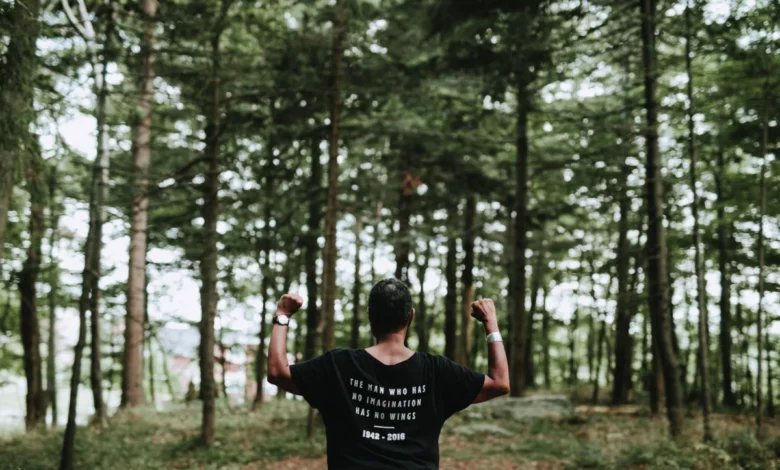
The profound question of whether a woman of color can truly find peace in the outdoors resonates deeply with many, echoing sentiments of pervasive, often unspoken, fear that has historically shadowed the experiences of Black women in nature. This fear, described by one participant as "like a heartbeat, always present, while at the same time intangible, elusive, and difficult to define," highlights a complex interplay of historical disenfranchisement, systemic racism, and a lack of cultural representation that has long dictated access and comfort in wilderness spaces. For many, the desire to connect with nature – to "sit outside and listen to the roar of the ocean," "walk through the redwoods," or "glide in a kayak" – is often tempered by an underlying apprehension, so ingrained that its presence is almost unnoticed until a pivotal moment brings it to the fore.
Historical Roots of Apprehension in the Wilderness
The apprehension felt by Black women in natural environments is not an isolated individual sentiment but rather a deeply rooted societal construct, shaped by centuries of racial discrimination and violence in the United States. Historically, outdoor spaces, particularly in rural or isolated areas, have often been sites of racial terror and exclusion for Black communities. The era of Jim Crow laws, for instance, not only mandated segregation in public facilities but also effectively restricted Black Americans’ access to and enjoyment of national parks, state parks, and other recreational areas. While not always explicitly forbidden, a climate of hostility, threats, and even violence in many predominantly white rural areas, often referred to as "sundown towns," made venturing into the wilderness a perilous undertaking. These historical realities instilled a generational caution, transforming potential havens into spaces perceived as dangerous.
Furthermore, the narrative of nature and outdoor adventure in popular culture has historically excluded Black people. Images of explorers, adventurers, and environmentalists have predominantly featured white individuals, creating a powerful visual and cultural reinforcement that the outdoors is not a space "for us." This lack of representation has profound psychological impacts, fostering a sense of alienation and questioning of belonging for Black individuals who might otherwise feel drawn to nature. The historical context thus creates a foundational understanding for the "intangible, elusive" fear described, revealing it not as an irrational personal phobia but a rational response to historical and ongoing societal threats.
The Catalyst: "Flight of the Mind" and a Path to Self-Discovery
For one woman, a significant turning point in confronting this deeply ingrained apprehension came with an invitation to teach at "Flight of the Mind," a women’s writing workshop held annually on the McKenzie River in the foothills of Oregon’s Cascade Mountains. This workshop, founded by a Seattle writer and her friend, a poet who had relocated from England to Oregon, was built on strong feminist principles. Their invitation to a woman of color to join their teaching staff underscored a shared belief in the importance of diverse voices and experiences in shaping narratives and fostering collective empowerment.
The McKenzie River region, known for its pristine waters, ancient forests, and rugged mountain terrain, offered a striking contrast to the urban or suburban environments where many might feel more secure. For the invited instructor, the prospect of immersing herself in such a setting, despite its natural beauty, was initially met with a familiar, low-level anxiety. The workshop, however, was designed to be a sanctuary, a space where women could explore their inner landscapes through writing, supported by a community committed to introspection and growth. It provided a unique opportunity to directly confront the fears that had previously kept her from fully embracing the wilderness. The founders’ dedication to creating an inclusive environment, where vulnerability was encouraged and personal narratives valued, laid the groundwork for a transformative experience.
Unpacking the "Intangible Fear": A Journey of Understanding
Upon arrival at the "Flight of the Mind" workshop, the author’s initial apprehension began to be unpacked within the supportive framework of the community. Surrounded by other women, many of whom shared their own vulnerabilities and struggles, the "intangible, elusive" fear started to gain definition. It was recognized not merely as a personal failing but as a societal echo, a protective mechanism honed over generations. Discussions within the workshop likely touched upon themes of belonging, safety, and the historical marginalization of women and people of color.
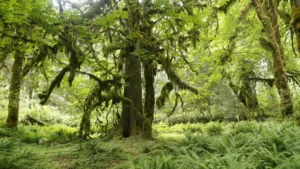
The act of writing, central to the workshop’s mission, became a crucial tool for self-discovery. By articulating her fears on paper, the instructor could analyze their origins and manifestations, moving beyond the subconscious "heartbeat" to a conscious understanding. This process allowed her to connect her personal feelings to broader societal patterns of exclusion and the historical trauma associated with Black bodies in open, uncontrolled spaces. The serene yet wild setting of the McKenzie River, initially a source of trepidation, slowly began to transform. The sounds of the river, the rustling of leaves in the redwoods, and the vastness of the mountains started to shift from symbols of the unknown and potentially dangerous to elements of grounding and peace. The presence of a supportive community of women, committed to feminist ideals and inclusive practices, created a psychological safety net that enabled this profound shift.
Contemporary Challenges and the Call for Inclusive Outdoors
Despite significant progress in civil rights, contemporary challenges persist for Black women and other people of color in outdoor spaces. Studies and anecdotal evidence consistently reveal that individuals from marginalized communities often encounter microaggressions, implicit bias, and even overt racism while engaging in outdoor recreation. A 2020 survey by The Wilderness Society, for example, highlighted that people of color often feel less safe or welcome in natural spaces compared to their white counterparts, citing instances of racial profiling, stares, and uncomfortable encounters. This ongoing reality reinforces the historical apprehensions and creates new barriers to equitable access and enjoyment of the outdoors.
Furthermore, systemic disparities in access to green spaces disproportionately affect communities of color, particularly in urban areas. Environmental racism, where communities of color are often located near industrial pollution and lack adequate parks and natural areas, exacerbates health inequalities and further limits opportunities for outdoor engagement. Even when access is physically available, economic barriers, such as the cost of gear, transportation, and specialized training, can be prohibitive. These contemporary factors underscore that the journey towards finding peace in the outdoors is not solely an individual one but requires systemic interventions to dismantle barriers and foster true inclusivity.
The Rise of Movements for Outdoor Equity
The recognition of these historical and contemporary challenges has fueled the growth of powerful movements dedicated to fostering diversity, equity, and inclusion in outdoor recreation. Organizations such as Outdoor Afro, Black Girls Trekkin’, Melanin Base Camp, and Latino Outdoors have emerged as vital forces, creating safe and welcoming spaces for people of color to connect with nature. These groups not only organize outings and educational programs but also actively work to redefine the narrative of who belongs in the outdoors. They champion representation, advocate for policy changes, and build communities where individuals can share experiences, overcome fears, and find empowerment in nature.
Their work is critical in addressing the legacy of exclusion. By showcasing diverse faces in outdoor media, sharing stories of joy and resilience, and providing mentorship, these organizations are actively dismantling stereotypes and building a new culture of outdoor engagement. For many participants, these groups offer a first opportunity to experience activities like hiking, climbing, or kayaking in an environment where they feel understood, supported, and safe. The collective experience transforms the individual fear into collective strength, fostering a sense of belonging that was historically denied.
Implications for the Future of Outdoor Recreation
The experience of the writing workshop participant, transitioning from pervasive fear to a profound connection with nature, offers a powerful microcosm of the broader shift needed in the outdoor industry and society at large. The implications for the future of outdoor recreation are clear: true inclusivity requires a multi-faceted approach that acknowledges history, addresses present-day barriers, and actively builds pathways for all individuals to experience the myriad benefits of nature.
Firstly, educational institutions, outdoor recreation companies, and environmental organizations must commit to diversifying their leadership, staff, and outreach efforts. This means moving beyond tokenism to genuine systemic change that reflects the demographics of the broader population. Secondly, intentional efforts are needed to create welcoming environments, which includes anti-racism training for park rangers and outdoor guides, developing culturally relevant programming, and investing in infrastructure that improves access for marginalized communities. Thirdly, media representation must evolve to showcase a diverse range of outdoor enthusiasts, normalizing the presence of Black people, Indigenous people, and people of color in every facet of wilderness engagement.
Ultimately, the ability for a woman of color to find peace in the outdoors is not just a personal quest but a societal imperative. Access to nature is a human right, essential for physical health, mental well-being, and spiritual nourishment. By confronting the historical legacies of exclusion and actively building inclusive communities, the outdoor world can move closer to its full potential: a space of healing, empowerment, and universal belonging for everyone, regardless of their background. The journey from fear to peace in the wilderness is a testament to resilience and a powerful call to action for a more equitable future.