Beyond the Monuments: How Osaka and the Evolution of Modern Travel Prioritize Local Immersion Over Landmark Sightseeing

The modern tourism landscape is undergoing a fundamental philosophical shift. Where travel was once defined by an exhaustive checklist of UNESCO World Heritage sites, majestic ancient temples, and iconic architectural marvels, contemporary globetrotters are increasingly prioritizing cultural immersion over static sightseeing. This transformation in travel psychology is vividly demonstrated in destinations that lack traditional monuments yet thrive on vibrant local subcultures, rich working-class histories, and deeply ingrained culinary traditions. Japan’s third-largest city, Osaka, serves as a prime case study for this evolving travel paradigm, demonstrating how community spirit, neighborhood character, and intangible heritage can outweigh physical landmarks in driving tourism appeal.
The Historical Context and Urban Landscape of Osaka
While neighboring Kyoto boasts centuries-old Shinto shrines and Tokyo presents a futuristic skyline of towering skyscrapers, Osaka occupies a distinct and historically vital niche in the Japanese archipelago. Founded on a legacy that includes a brief stint as the nation’s capital nearly 1,300 years ago, Osaka developed primarily as a commercial hub rather than an imperial seat of power. Its intricate network of waterways established the city as a critical domestic and international trading port, making it a strategic stronghold for historical warlords attempting to unify Japan under a single shogunate.
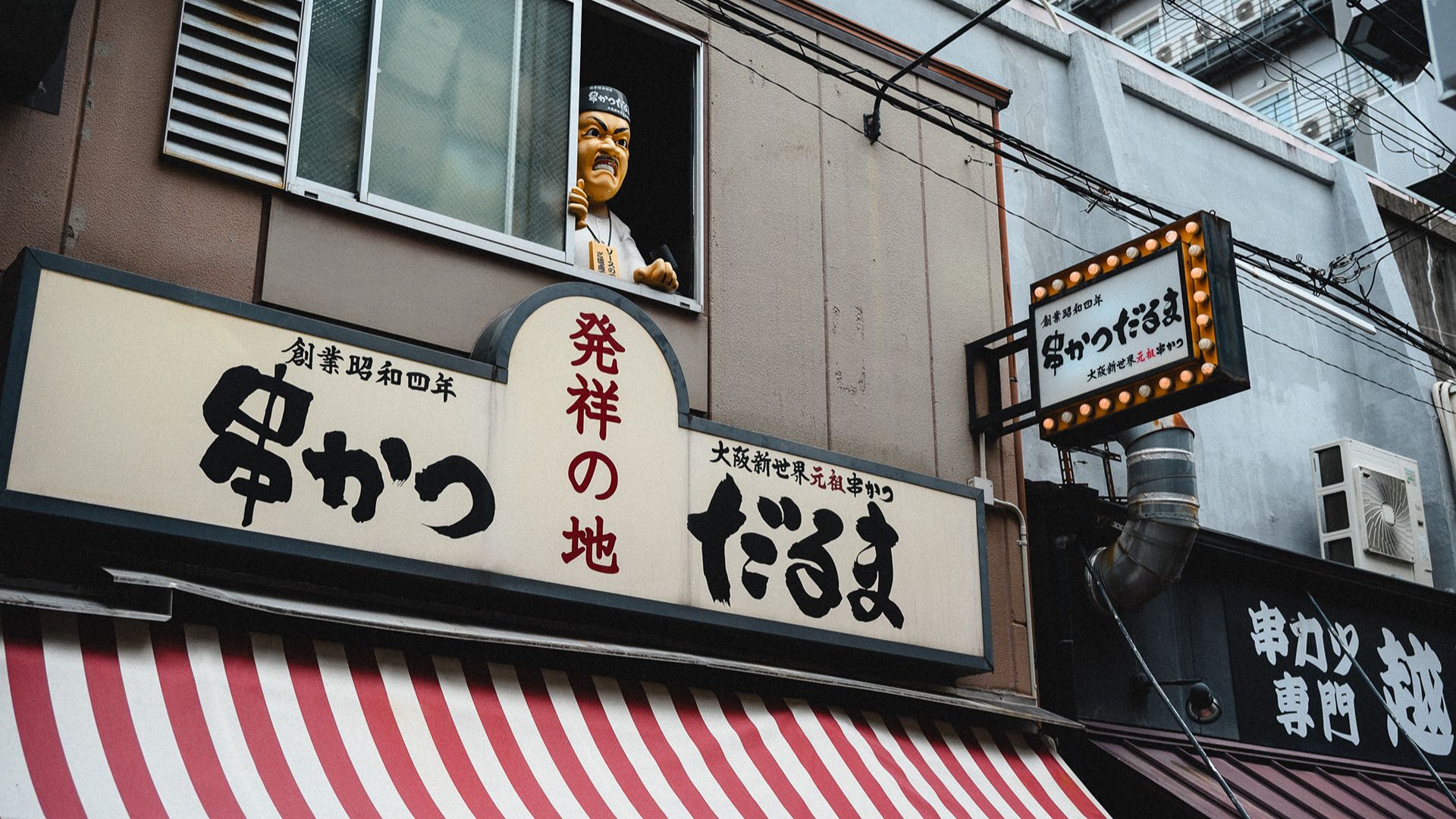
Despite its profound historical footprint, Osaka’s modern tourism profile is largely defined by its unpretentious, working-class ethos rather than a dense concentration of ancient monuments. Barring landmarks such as Osaka Castle, the Kaiyukan Aquarium, and Universal Studios Japan, the city does not compete on the traditional checklist of major tourist attractions. Instead, its magnetic pull lies in its social atmosphere and cultural identity. Osakans have long held a nationwide reputation for being among the most direct, friendly, and expressive people in Japan, contrasting sharply with the more reserved social norms found in other major metropolitan centers.
The Rise of Immersive Neighborhood Tours
Recognizing this shift in traveler behavior—away from concrete-and-brick tourism toward deep engagement with local communities—tour operators have begun reshaping their offerings. A notable example is the introduction of specialized neighborhood explorations, such as the retro streets and local eats adventures curated by Intrepid Urban Adventures. Rather than funneling visitors through standardized sightseeing routes, these itineraries delve into the city’s subcultures, vintage retail districts, gaming arcades, and culinary history.
This approach aligns with broader tourism data indicating a rising demand for experiential travel. According to global tourism trend analyses, international visitors increasingly seek out localized narratives, independent neighborhood explorations, and authentic culinary interactions that bypass mass-market tourist traps. By focusing on areas that reflect the everyday lives of residents, these tours offer a window into the socioeconomic fabric of post-war Japan.
Chronology of Urban Transformation: The Evolution of Shinsekai
To understand Osaka’s current cultural landscape, one must examine the evolution of its most distinctive districts, such as Shinsekai, meaning "The New World." Established in 1912 as a model neighborhood of the future, Shinsekai was architecturally inspired by a combination of early-20th-century New York City and Paris. It was designed to showcase modernization and forward-thinking urban planning.
However, the district’s trajectory shifted dramatically following the Second World War. In the decades that followed, Shinsekai experienced a significant economic decline, eventually devolving into a challenging area associated with poverty and organized crime. For many years, it remained on the periphery of mainstream tourism, avoided by mainstream travelers and locals alike.
In recent decades, however, a concerted revitalization effort has transformed Shinsekai. While shedding its illicit elements, the neighborhood successfully preserved its nostalgic, mid-century atmosphere. Today, it stands as a vibrant district characterized by retro architecture, neon-lit alleyways, traditional izakaya standing bars, pachinko parlours, and vintage gaming arcades. This chronological journey from futuristic utopia to post-war hardship, and finally to a celebrated bastion of retro culture, mirrors the resilience and adaptability of Osaka itself.

Culinary Heritage: Tenka no Daidokoro
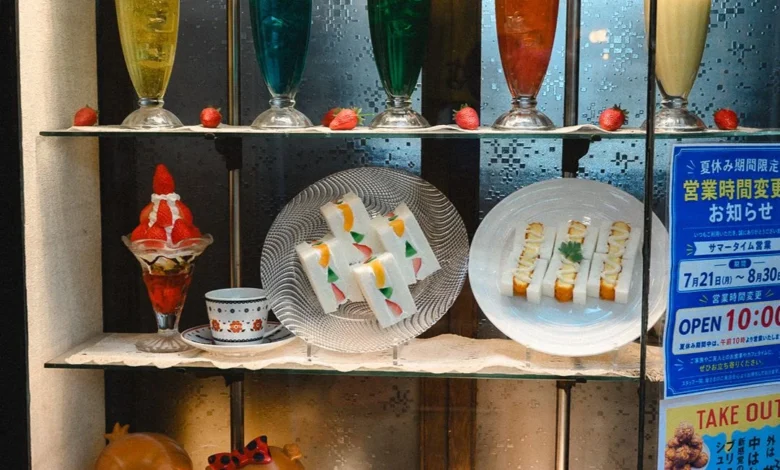
No exploration of Osaka is complete without examining its identity as tenka no daidokoro—the nation’s kitchen. Osaka’s culinary traditions are deeply rooted in the post-war era, born out of necessity and frugality among the city’s working-class laborers. Dishes such as kushikatsu (deep-fried skewered meats and vegetables), takoyaki (fried octopus-filled batter balls), and okonomiyaki (savory cabbage pancakes) were originally invented as inexpensive, high-energy meals for day laborers.
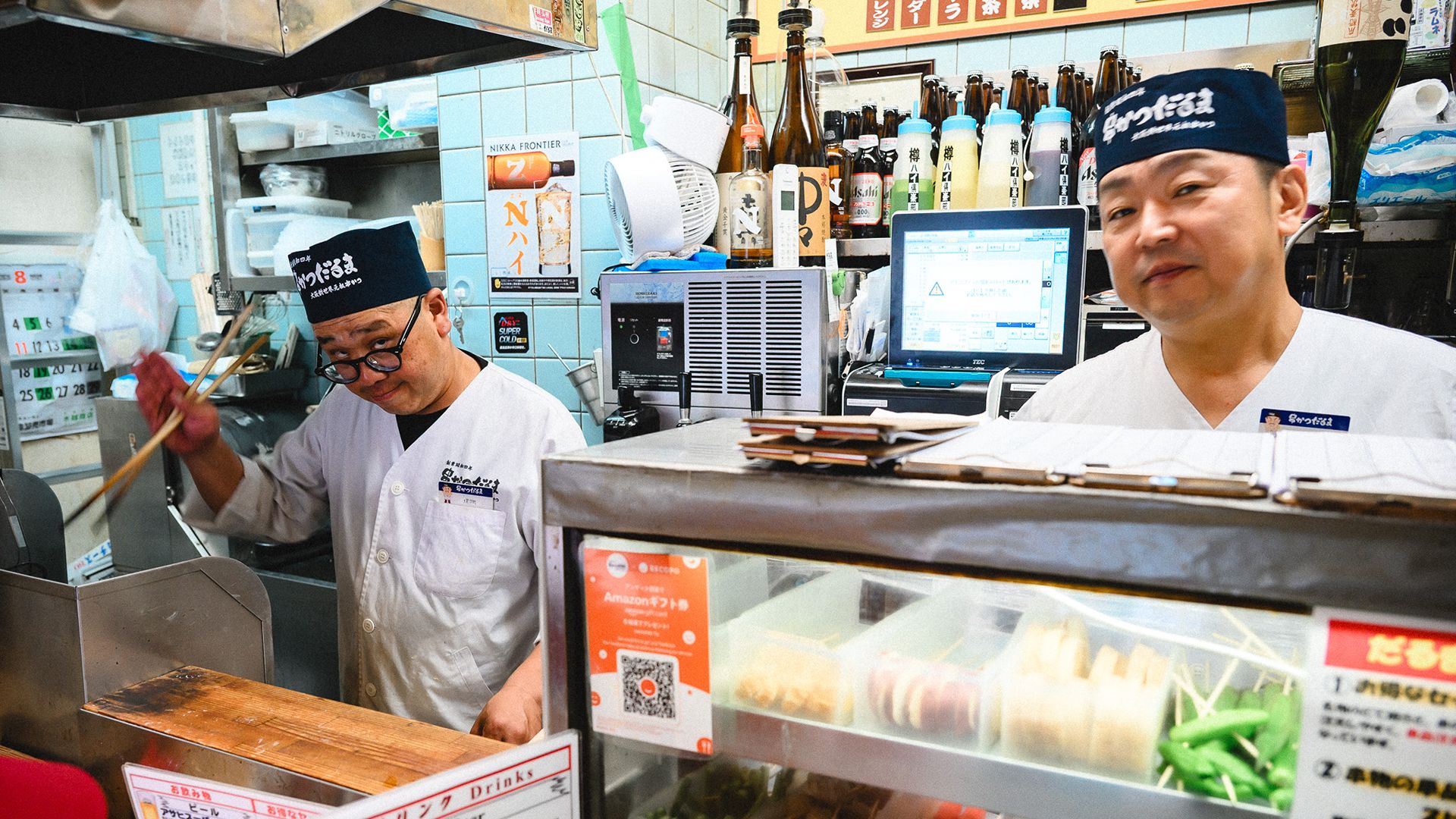
Over the decades, these functional working-class meals evolved into celebrated regional delicacies. Establishments like Kushikatsu Daruma, founded nearly a century ago in Shinsekai, have preserved these culinary traditions while offering an interactive, unpretentious dining environment. Unlike the formal, silent dining atmospheres often encountered in high-end Tokyo establishments, Osakan eateries emphasize lively banter between chefs, local patrons, and visitors, reinforcing the city’s egalitarian social values.
Economic and Sociological Implications of Experiential Tourism
The pivot toward experiential travel in cities like Osaka carries significant economic and sociological implications for destination management. Traditional mass tourism often concentrates visitor traffic within a narrow corridor of high-profile monuments, leading to overcrowding, infrastructure strain, and the commercialization of local communities. In contrast, neighborhood-based urban adventures distribute economic benefits more evenly across secondary and tertiary commercial districts, supporting small, independent businesses ranging from family-owned street food vendors to retro arcade operators.

Furthermore, this form of tourism fosters cross-cultural understanding by encouraging meaningful interactions between visitors and residents. By engaging with local vendors in covered shopping streets (shotengai) and historic markets like Kuromon Market, travelers contribute directly to the grassroots economy while gaining insight into the daily realities of urban Japanese life.
Broader Impact on the Global Travel Industry
The popularity of Osaka’s subculture and culinary tours highlights a broader structural change in the global tourism industry. Travelers are increasingly fatigued by highly curated, highly photographed itineraries that prioritize aesthetic replication for social media over genuine human experience. Destinations that lack monumental architecture are successfully redefining their value propositions around intangible cultural assets—hospitality, culinary heritage, humor, and neighborhood history.
As travel operators continue to adapt to these shifting consumer preferences, the success of Osaka’s tourism model suggests that the future of travel lies not in the accumulation of landmark stamps, but in the depth of connection forged between the traveler and the lived reality of a place. Through its unpretentious charm, resilient history, and unwavering culinary pride, Osaka offers a blueprint for how modern cities can thrive by simply being authentic to themselves.