Tracing the Edge of the World: A Historical and Ecological Expedition Through the Northwest Passage

The pursuit of the Northwest Passage has for centuries stood as one of maritime history’s most harrowing endeavors, a labyrinth of ice and islands spanning thousands of kilometers across the Canadian Arctic archipelago. Connecting the Atlantic and Pacific Oceans through a network of intricate waterways, the passage long enticed European explorers seeking a faster trade route to Asia. While Indigenous peoples, including Inuit communities, had inhabited and navigated these treacherous waters for millennia, European exploration of the region was defined by high-stakes expeditions, tragic disappearances, and eventual triumphs of navigation.
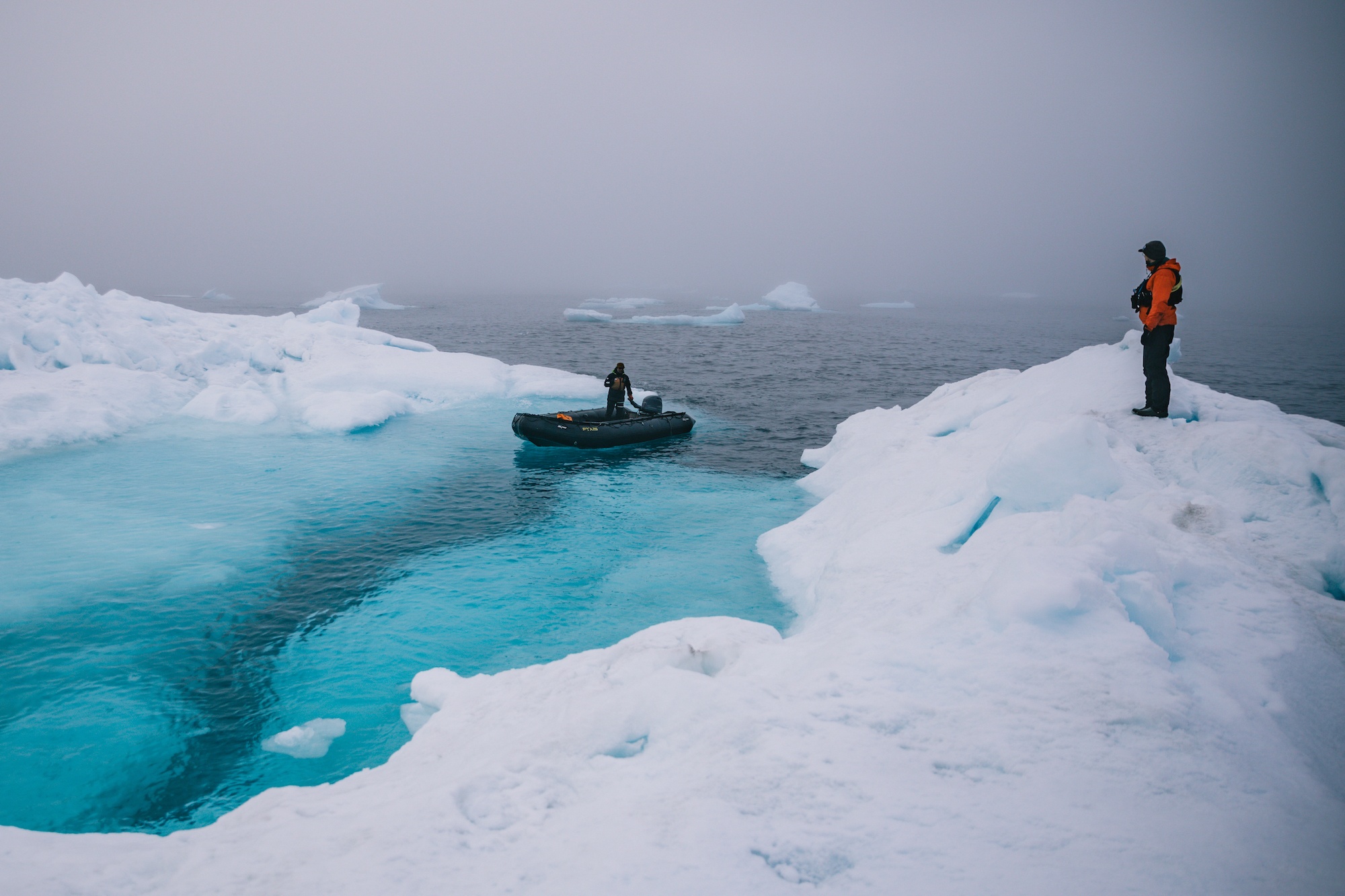
Today, the shrinking of Arctic sea ice driven by climate change has made the Northwest Passage increasingly navigable, transforming a mythical graveyard of ships into a destination for modern expedition cruising. Recent voyages, such as those operated by Adventure Canada aboard vessels like the Ocean Endeavour, offer travelers a rare window into a landscape where stark natural beauty intersects with a heavy, complex history.
Historical Context and the Shadow of the Franklin Expedition
The most prominent chapter in the history of European exploration in the region remains the ill-fated 1845 expedition led by Sir John Franklin. Commissioned by the British Admiralty, Franklin set sail from England with two state-of-the-art Royal Navy ships, the HMS Erebus and the HMS Terror, and a crew of 128 men. Their objective was to chart the final uncharted sections of the Northwest Passage.
The expedition vanished entirely after being last sighted anchoring near an iceberg in Baffin Bay. The subsequent disappearance of Franklin and his crew triggered one of the largest search operations in maritime history, sparking public obsession in Victorian Britain and across the globe. Over the following decades, numerous rescue and search missions recovered artifacts, skeletal remains, and grim physical evidence pointing to starvation, hypothermia, and, ultimately, cannibalism among the desperate survivors.
The mystery of the lost expedition left a permanent imprint on the cultural imagination of polar exploration. Archaeological discoveries in the late 20th and early 21st centuries, including the final locations of the wrecks of the HMS Erebus and HMS Terror discovered in 2014 and 2016 respectively, have provided modern historians with fresh insights into the final days of the crew, while corroborating historical Inuit accounts that had been largely dismissed by contemporary European authorities.
It was not until the turn of the 20th century that the passage was successfully navigated in its entirety. Between 1903 and 1906, Norwegian explorer Roald Amundsen successfully sailed his small vessel, the Gjøa, from the Atlantic to the Pacific. Amundsen’s success was largely attributed to his willingness to adopt the survival techniques, clothing, and travel methods of the Netsilik Inuit in Gjoa Haven, where he based his expedition for two years.
Key Landmarks and Geographic Milestones Along the Passage
Modern expedition itineraries through the Northwest Passage follow in the wake of these historic voyages, stopping at sites that encapsulate both the triumphs and the tragedies of Arctic exploration.
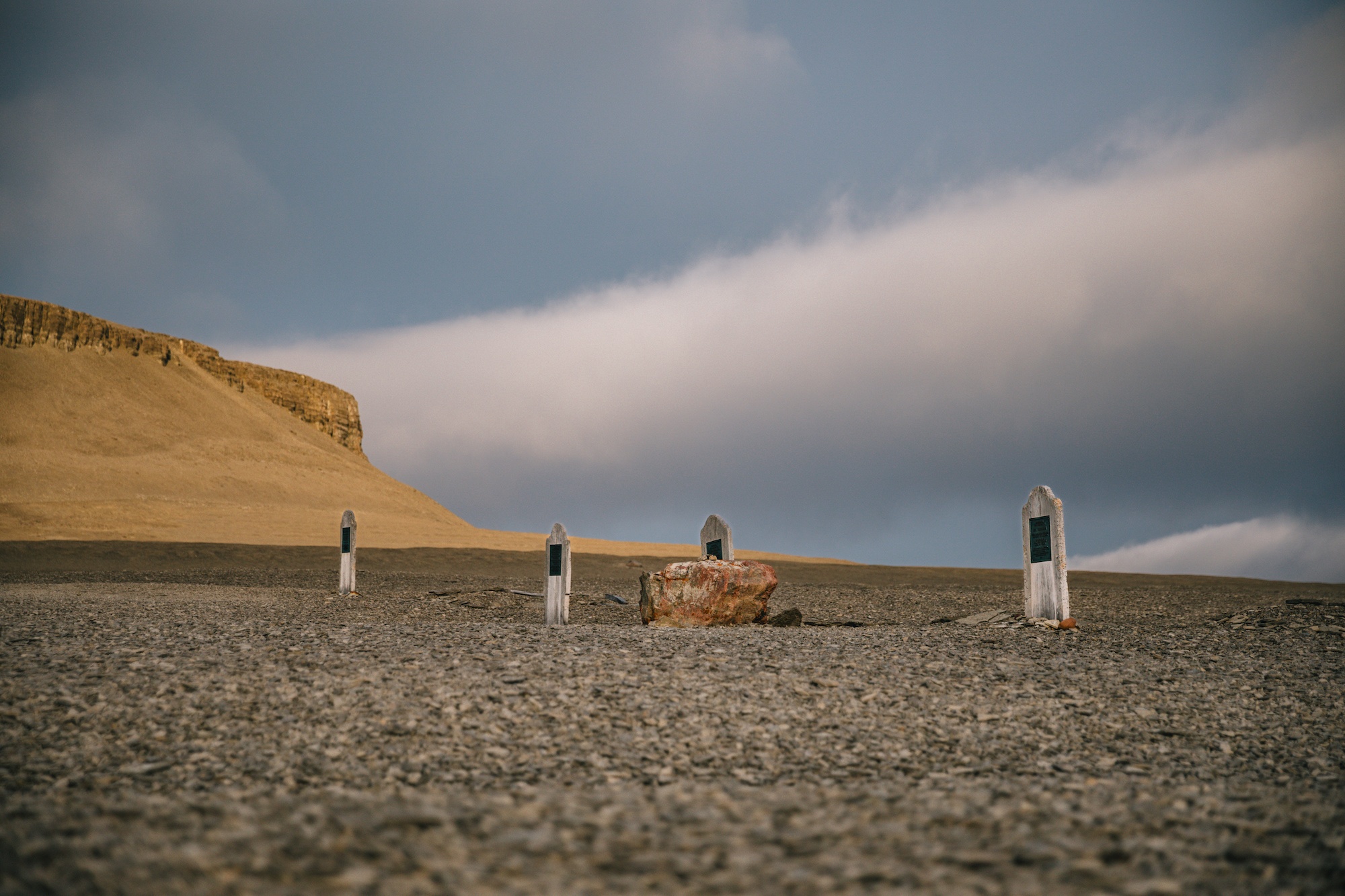
Beechey Island serves as one of the most poignant historical waypoints on the route. It was here that Franklin’s expedition established its first winter camp during the 1845–1846 season. The desolate, wind-swept island is home to the graves of three crew members who died during that first winter: John Torrington, William Braine, and John Hartnell. Exhumations conducted in the 1980s revealed remarkable preservation of the bodies, fueling scientific theories regarding lead poisoning from improperly sealed canned provisions as a contributing factor to the expedition’s cognitive and physical decline.
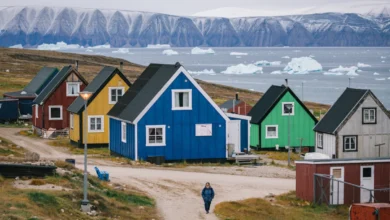
Further west, Gjoa Haven, known traditionally as Uqsuqtuuq, preserves the legacy of Roald Amundsen’s historic stopover. The remote community maintains a deep connection to its Inuit heritage, showcased through cultural institutions such as the Nattilik Heritage Centre, which highlights traditional hunting, fishing, and survival knowledge.
Other notable stops include Dundas Harbour on the eastern coast of Devon Island. Established in the 1920s as a Royal Canadian Mounted Police outpost to assert Canadian sovereignty in the High Arctic, the site later operated as a Hudson’s Bay Company trading post. Dundas Harbour also bears the darker legacy of Canada’s High Arctic relocation program of the 1950s, during which Inuit families were forcibly moved from their traditional homelands to remote northern outposts to serve as sovereign markers. The socio-economic and cultural fallout of these forced relocations remains a central subject of reconciliation efforts in Canada today.
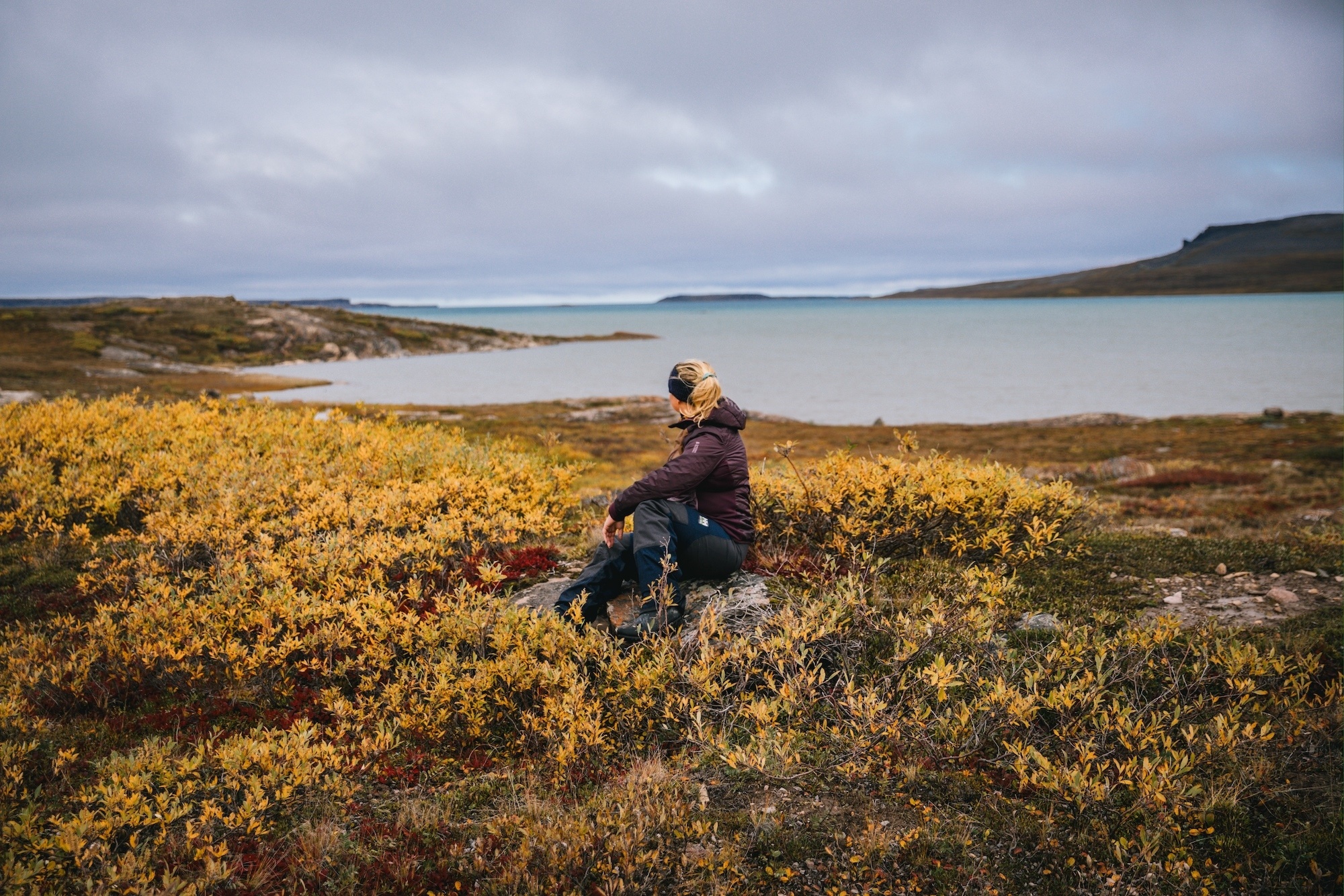
Arctic Ecosystems and Wildlife Dynamics
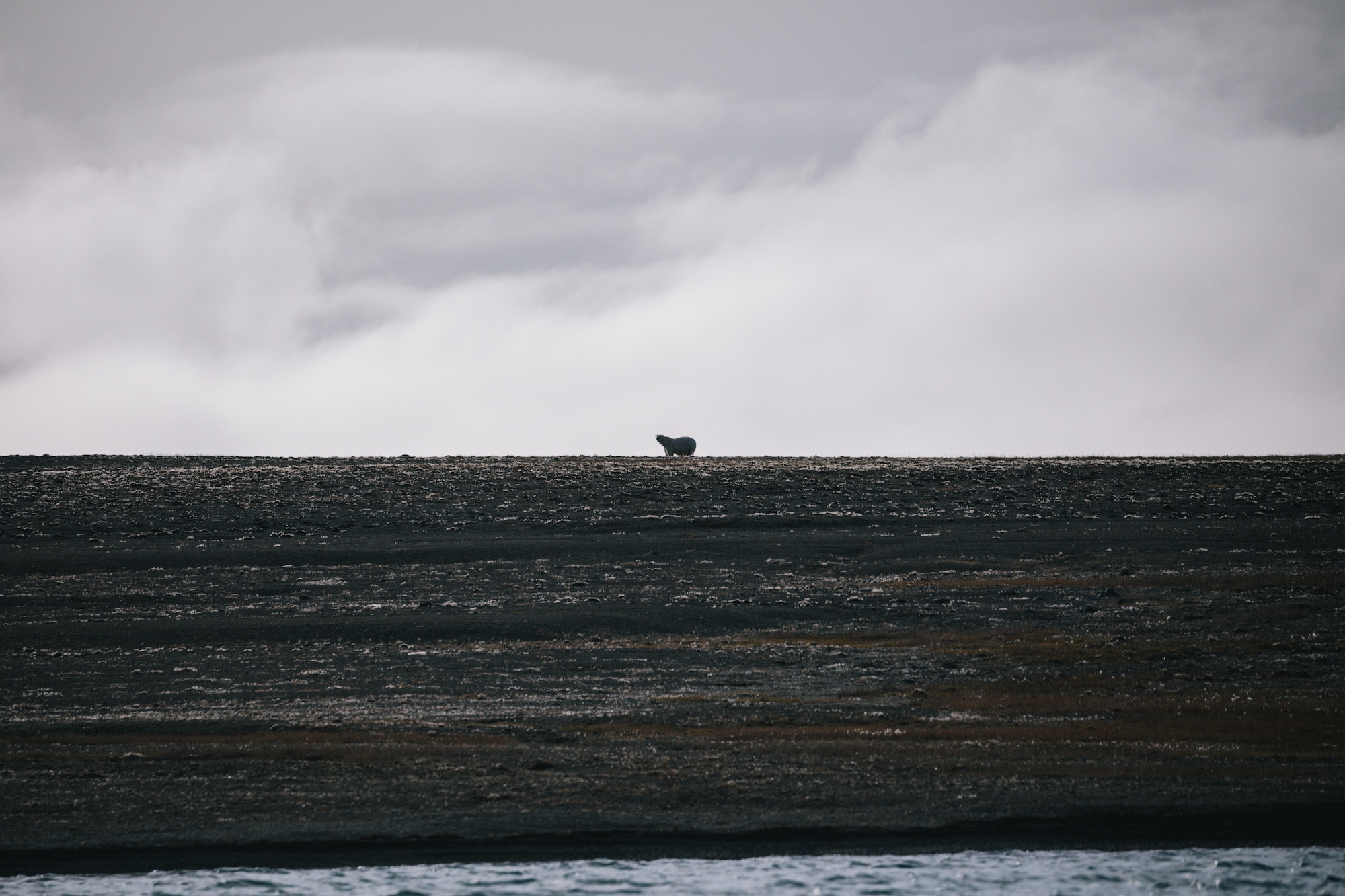
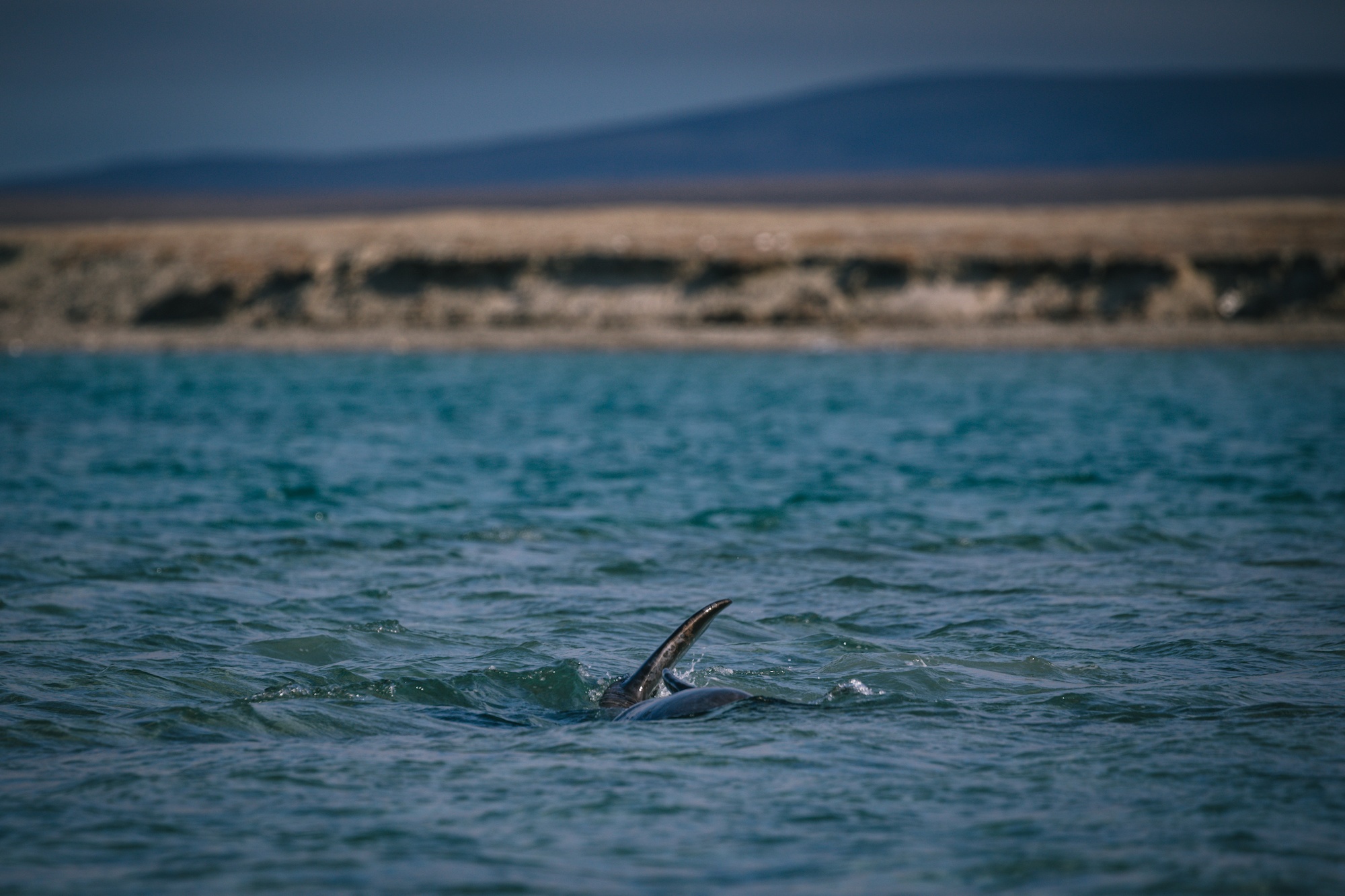
Beyond its human history, the Northwest Passage encompasses some of the most dynamic and fragile marine ecosystems in the world. The Canadian Arctic supports a significant portion of the global polar bear population, alongside marine mammals such as narwhals, beluga whales, and walruses.
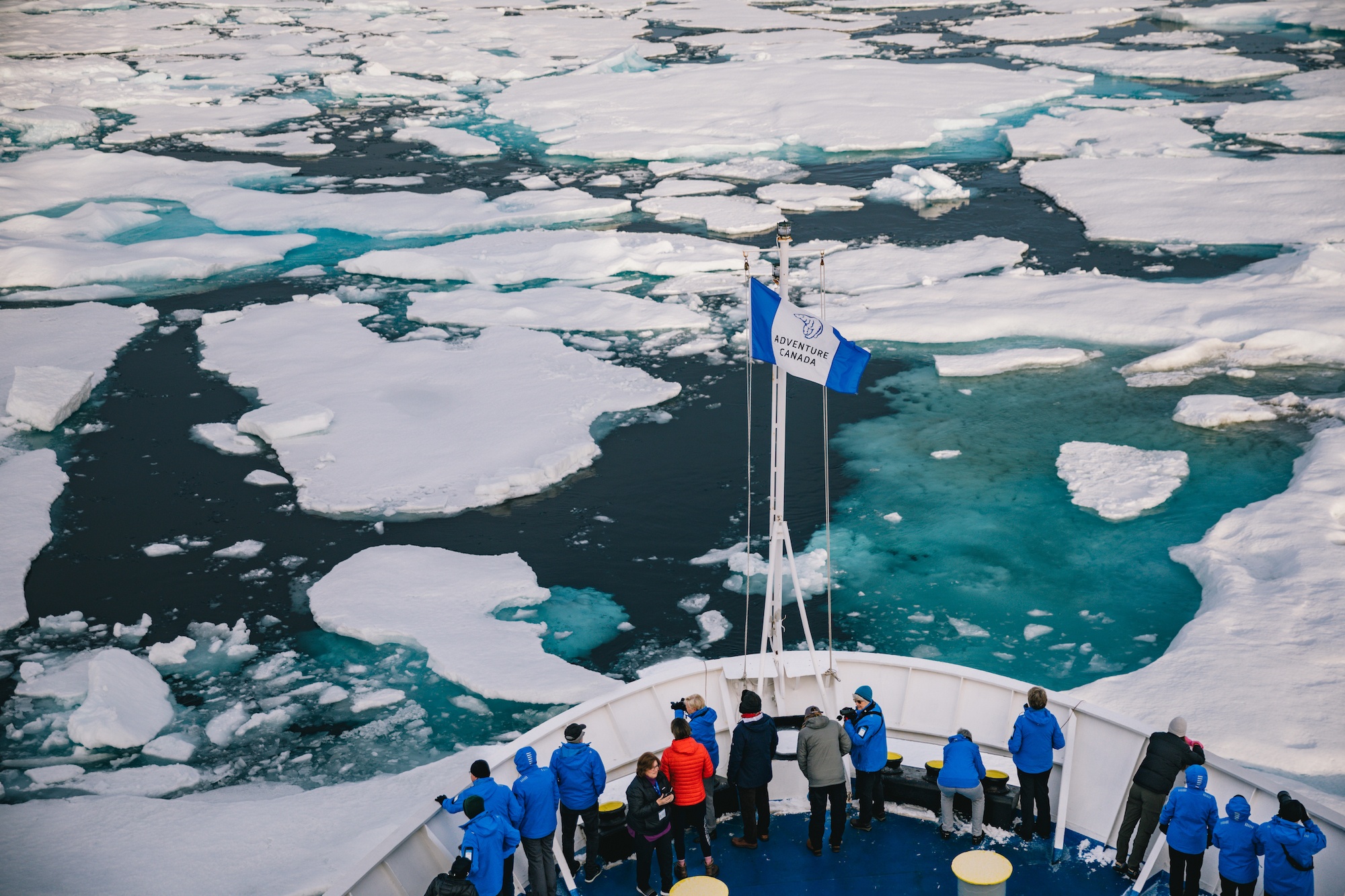
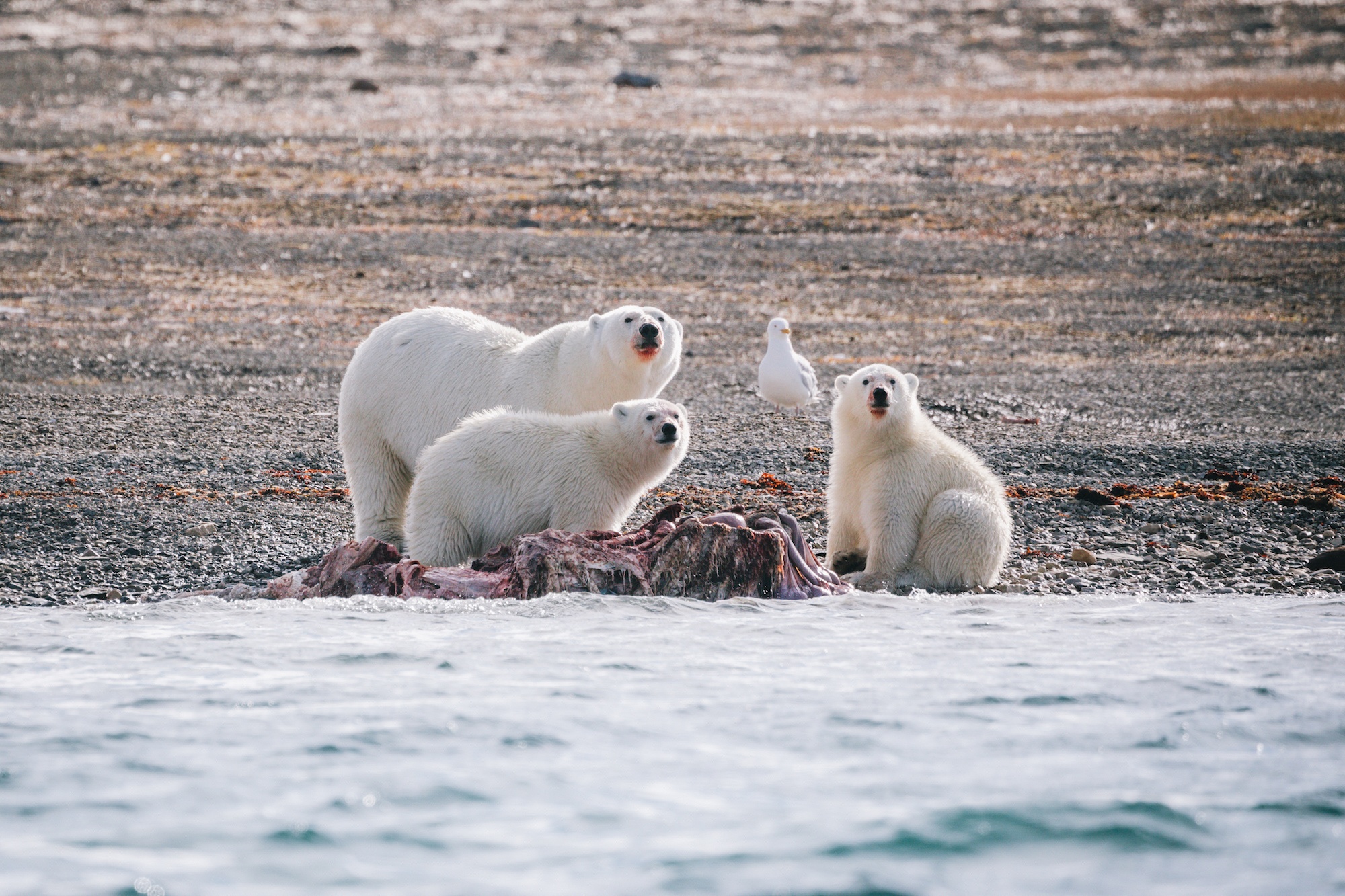
A striking example of this ecosystem in action can be observed at Coningham Bay on Somerset Island. During the summer months, narrow, shallow channels trap beluga whales at low tide as they enter the shallows to molt their dead skin. This natural phenomenon attracts aggregations of polar bears, which gather in the bay to hunt the trapped marine mammals. Observers have documented multiple bears feeding in proximity—a departure from the solitary nature typically observed in the species outside of the mating season.
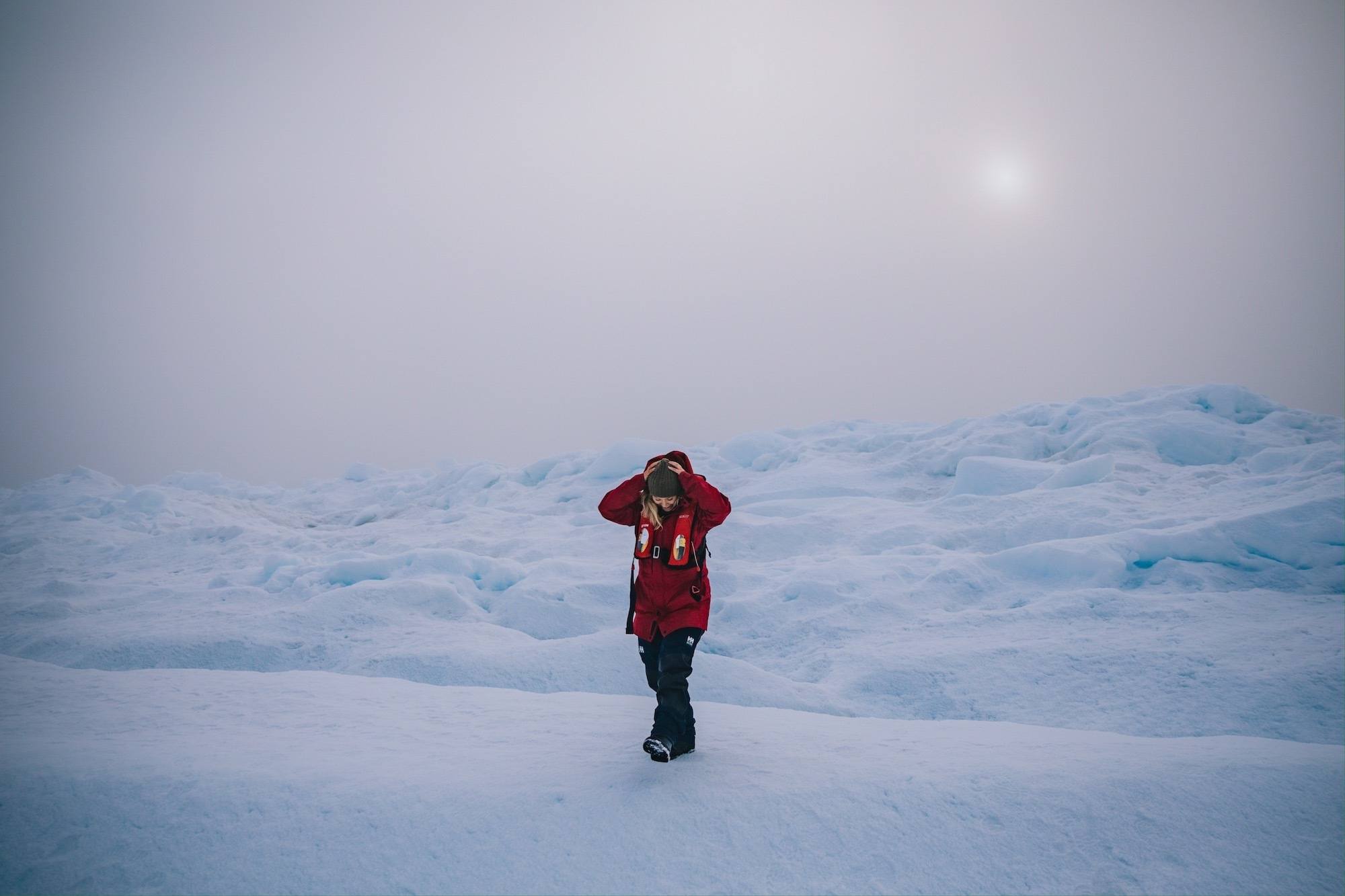
At the same time, marine conservation areas such as Tallurutiup Imanga (Lancaster Sound) protect vital feeding grounds for seabirds, seals, and whales. Indigenous stewardship and modern conservation frameworks increasingly collaborate to manage these waters against the pressures of industrial shipping, resource extraction, and changing climatic conditions.

Implications of Changing Climate and Future Tourism
The steady decline of multi-year sea ice in the Arctic has profound geopolitical, environmental, and commercial implications. While receding ice has opened the Northwest Passage to increased marine traffic, commercial shipping, and expedition tourism, it simultaneously threatens the traditional livelihoods and food security of Inuit communities who rely on stable ice platforms for hunting and traveling.
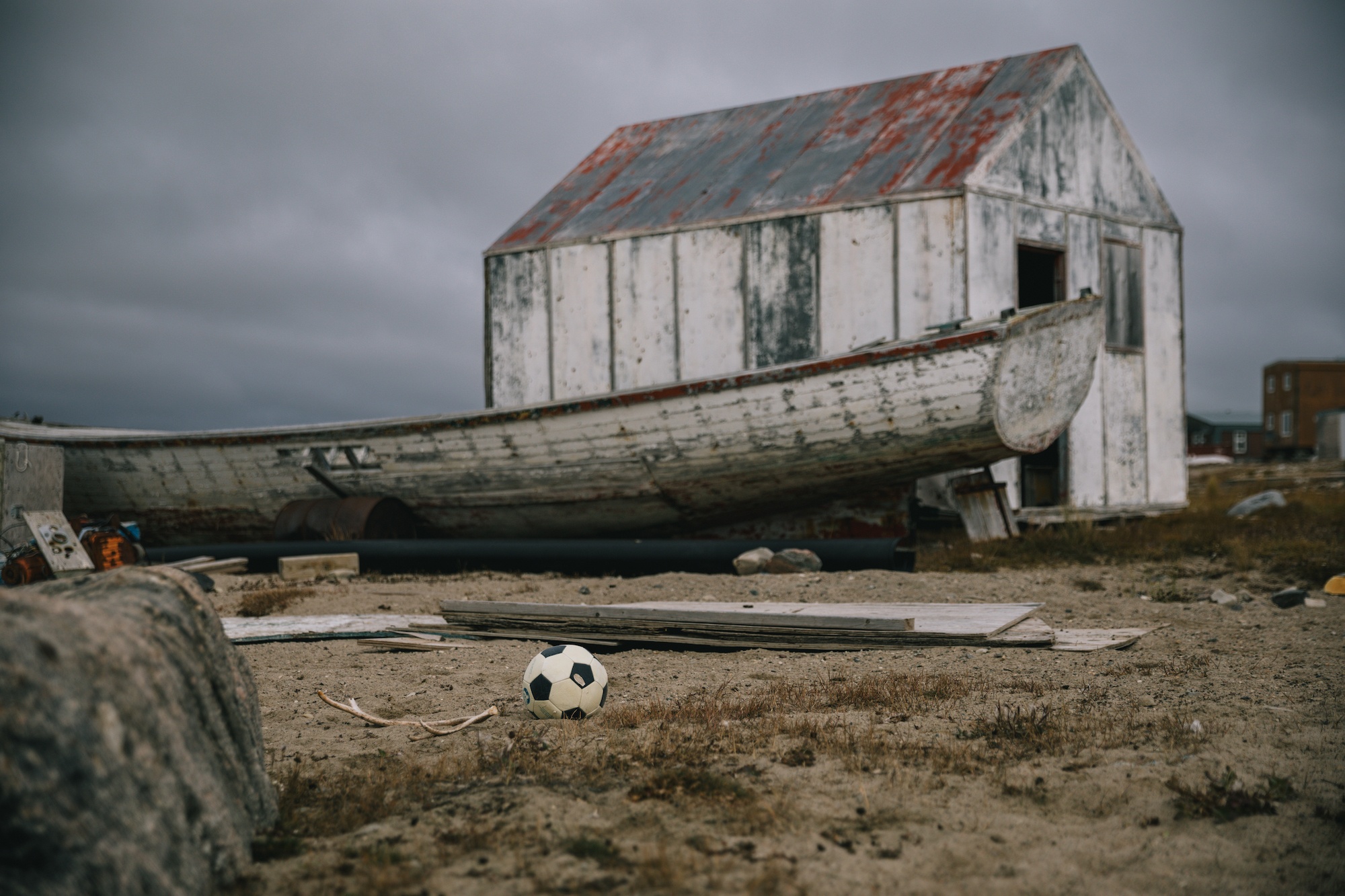
Expedition cruise operators working in the region operate under strict environmental and safety guidelines, including mandated wildlife monitoring and community consultation protocols, to mitigate the impact of external visitors on delicate northern ecosystems. As the Arctic continues to warm at rates significantly higher than the global average, the balancing act between economic development, cultural preservation, and environmental conservation in the Northwest Passage remains a critical challenge for international governance bodies and local stakeholders alike.