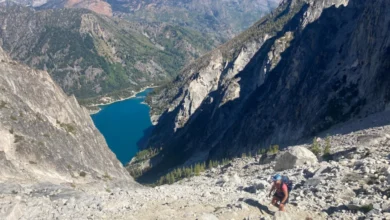
Next Go For Sure with Alex Honnold explores the raw intensity of modern trad climbing in the high Sierra.

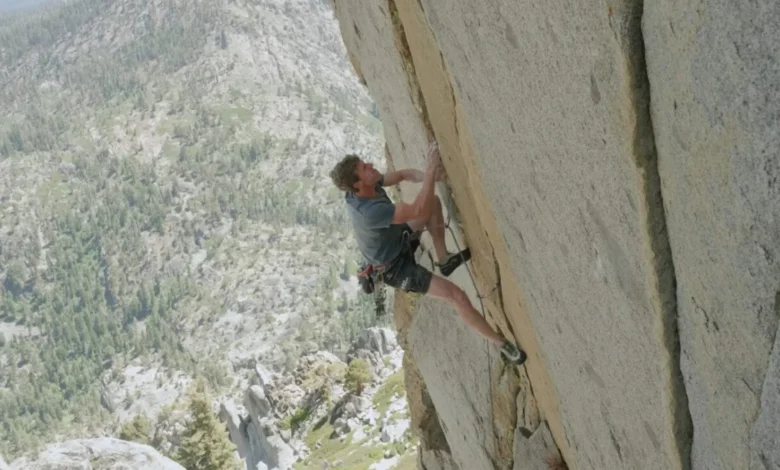
In the latest short film released by Black Diamond, world-renowned free soloist Alex Honnold invites professional climbers Carlo Traversi and Nik Berry to his backyard playground near Lake Tahoe. The documentary, titled Next Go For Sure, captures a grueling day of exploration, physical exertion, and technical mastery on a remote, unnamed crag. While Honnold is globally recognized for his historic free solo ascent of El Capitan in 2017—a feat that fundamentally altered the trajectory of professional climbing—this film shifts the focus from death-defying soloing to the collaborative, high-intensity nature of trad climbing with peers.
A Journey into the Unknown
The film follows the trio as they navigate the dense, rugged wilderness of the Lake Tahoe backcountry. The objective is an obscure, unnamed rock formation that Honnold identifies with characteristic nonchalance as the “east face of the whatever.” Reaching the base of the climb requires significant bushwhacking, underscoring the reality that even for elite athletes, the process of finding and developing new lines is often as exhausting as the climbing itself.
Once at the base of the wall, the group identifies a challenging line designated as a 5.13b, which they later christen the “East Face of the Plectrum.” In the sport of rock climbing, the Yosemite Decimal System (YDS) classifies a 5.13b as a highly technical route requiring exceptional finger strength, precision, and endurance. Such grades are generally considered the threshold of elite-level climbing, where the margin for error is razor-thin and the physical toll on the climber’s hands is substantial.
Chronology of the Ascent
The production documents the climb in a straightforward, chronological fashion. Honnold takes the lead, demonstrating a fluid, spider-like movement that has become his trademark. Despite his reputation for cold-blooded composure, he is seen grappling with the reality of the route’s difficulty. He describes the process to his companions as “10 moves of extreme pain,” highlighting the necessity of enduring discomfort to secure the crucial holds required for the ascent.
Following Honnold’s initial lead, Nik Berry steps up to the challenge. The film captures the raw effort required to navigate the same sequence, with Berry contending with the sharp, unforgiving finger locks that define the route. Carlo Traversi, who serves as both a participant and the director of the film, follows next. The dynamic between the three is notable for its lack of hierarchy; despite Honnold’s fame, the session functions as a peer-to-peer exchange of beta—the specific sequences of moves required to climb a route—and mutual encouragement.
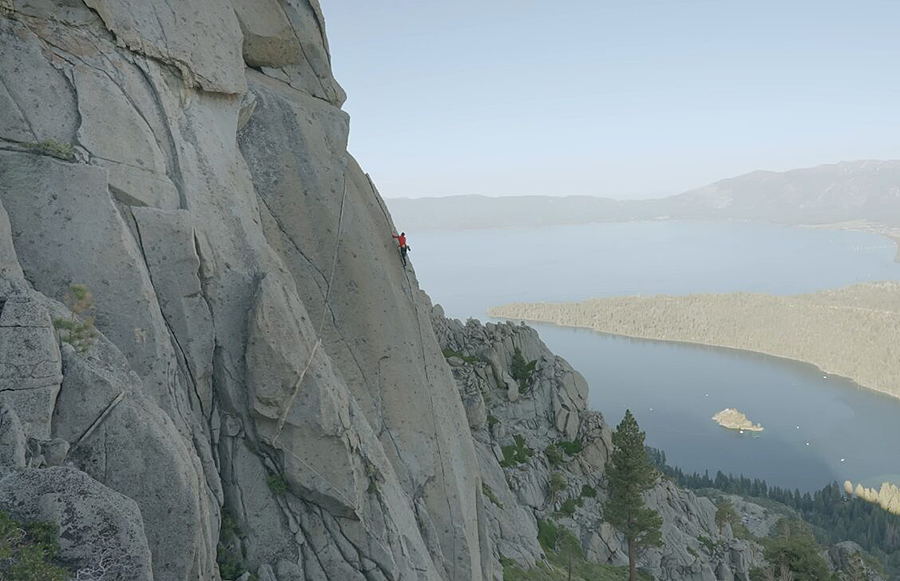
The sequence concludes with Honnold making his final ascent. Even for a climber of his caliber, the addition of protective gear and ropes introduces a weight and complexity that changes the experience of the movement. He openly admits to the difficulty of maneuvering with a rack of climbing equipment, a moment of vulnerability that resonates with the broader climbing community.
Technical Context and Route Development
The film serves as a window into the process of “First Ascent” (FA) culture. Unlike indoor climbing, where routes are curated by professional setters, outdoor climbing in remote areas requires the climber to assess the rock, place their own protection (cams, nuts, and slings), and manage the inherent risks of loose rock and unpredictable conditions.
The “East Face of the Plectrum” is a testament to the persistent exploratory spirit of climbers like Honnold, Traversi, and Berry. In the high-altitude climate of the Sierra Nevada, the quality of rock can vary significantly. By choosing to develop a route on an “obscure” crag, the climbers are engaging in a traditional form of the sport that prioritizes the experience of discovery over the convenience of established crags.
Broader Impact and Implications
While the film is presented as a casual look at a day out in the mountains, it carries deeper implications for the professional climbing industry. With the inclusion of Alex Honnold, these projects often serve to normalize the rigors of trad climbing for a younger generation of indoor-trained athletes.
The sport of rock climbing has seen an unprecedented surge in popularity, particularly following its debut at the Tokyo 2020 Olympics. However, the vast majority of new climbers focus on gym-based bouldering and sport climbing. By showcasing the technicality and the “painful” reality of trad climbing, Black Diamond and Honnold are bridging the gap between competitive, controlled environments and the wild, unpredictable nature of traditional climbing.
Furthermore, the film touches upon the informal culture of route naming. The tongue-in-cheek moniker “East Face of the Plectrum” and the subsequent free solo of the “All-American Finger Crack” underscore the tradition of self-expression within the community. While some critics within the sport argue for more standardized naming conventions, these informal, often humorous names act as a historical record of the climbers who were present at the moment of creation.
Analysis of the Climbing Dynamic
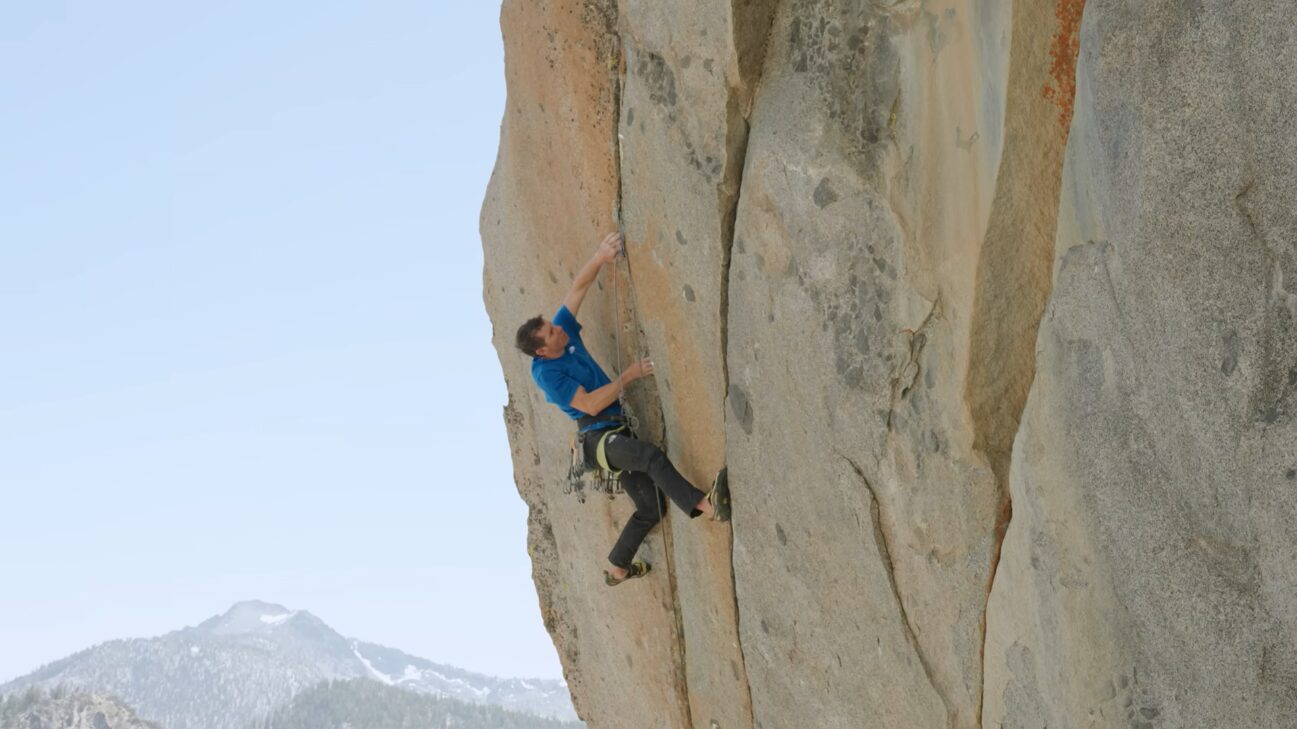
The absence of a traditional teacher-student dynamic is perhaps the most significant takeaway from the footage. In many sports, the presence of a global icon like Honnold would naturally create a mentor-mentee relationship. Here, however, the film presents a horizontal power structure. When Honnold struggles with the gear or the specific cruxes of the route, he is met with constructive feedback from Traversi and Berry.
This equality is essential to the credibility of the film. It reinforces the idea that at the highest levels of the sport, the mountain remains the ultimate authority. No amount of fame or past performance can mitigate the physics of a 5.13b crack or the physical toll of a long day in the backcountry.
Conclusion
Next Go For Sure functions as both an entertaining look at a high-level training session and a piece of archival material for the climbing community. It documents the evolution of a new route from an anonymous piece of rock to a recognized challenge. By prioritizing authentic, unfiltered interactions over overly produced cinematic drama, the film captures the essence of what motivates elite climbers to keep pushing: the simple, visceral joy of overcoming physical obstacles in the mountains.
As the climbing community continues to grow, such content remains vital. It provides context for the immense effort that goes into the sport and highlights the camaraderie that serves as the backbone of climbing culture. Whether it is the “East Face of the Plectrum” or the “All-American Finger Crack,” the film reminds us that for climbers like Honnold, the objective is never truly finished; there is always a "next go" for sure.