Beyond the Statues: Rapa Nui at the Crossroads of Overtourism, Indigenous Sovereignty, and Infrastructure Expansion

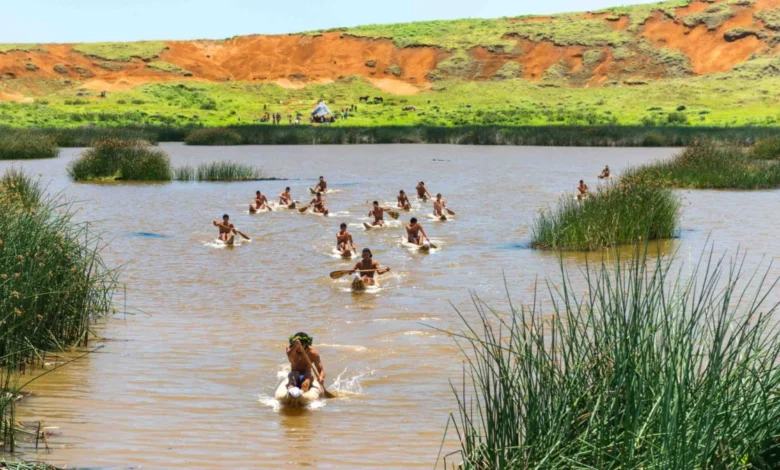
The morning mist lifts slowly over Rano Raraku, revealing the stoic, silent silhouettes of hundreds of multi-ton stone figures jutting directly from the volcanic earth. To the casual visitor, Rapa Nui—widely known internationally as Easter Island—is an open-air museum frozen in time, defined entirely by its archaeological wonders. However, beneath the serene facade of empty coastal roads, wild horses roaming open grasslands, and ancient ceremonial platforms, a modern dilemma is unfolding. Rapa Nui is not a relic of the past; it is the living, breathing home of an Indigenous Polynesian community actively wrestling with the pressures of overtourism, infrastructural expansion, and the enduring legacies of Chilean colonial administration.

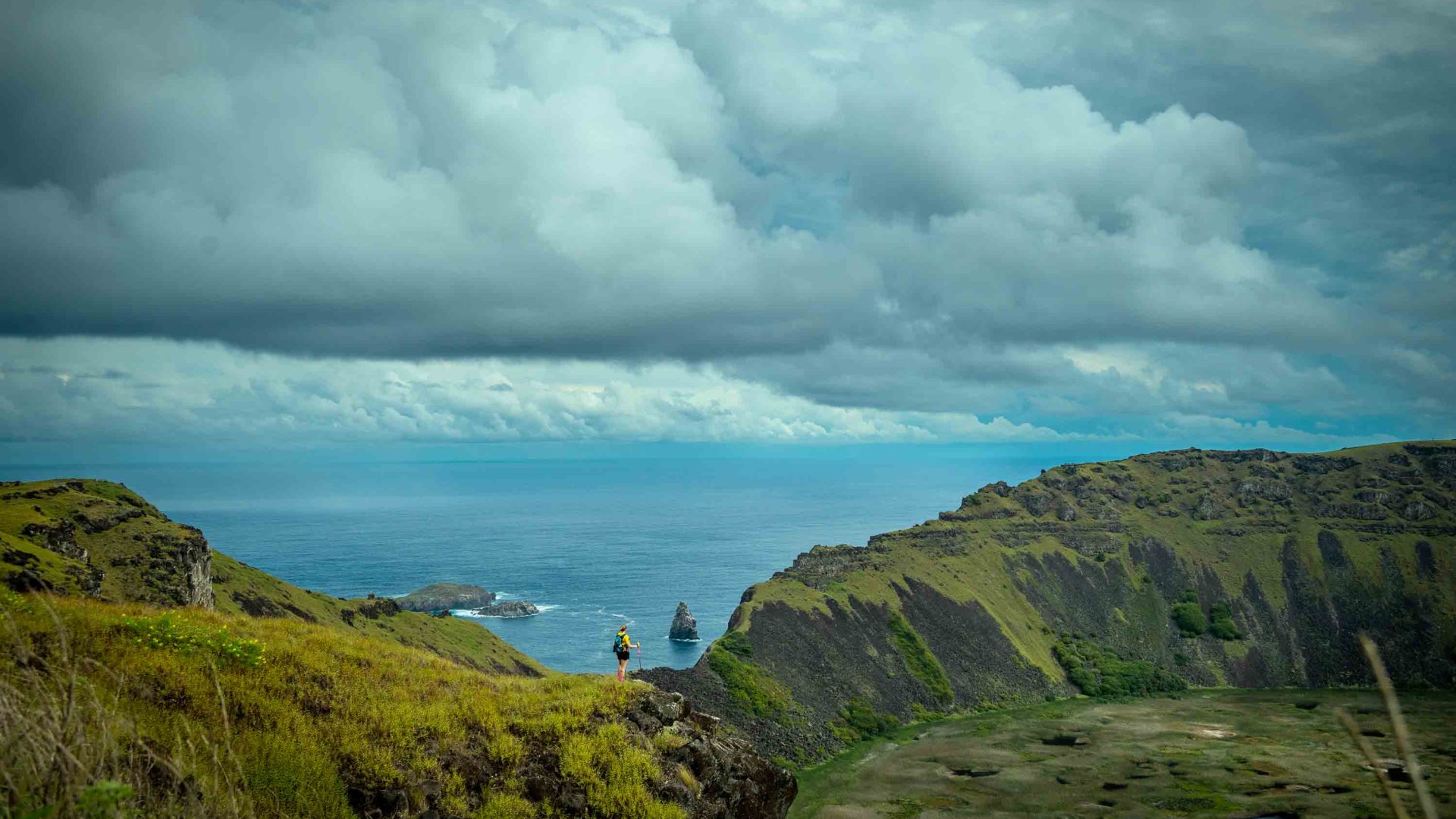
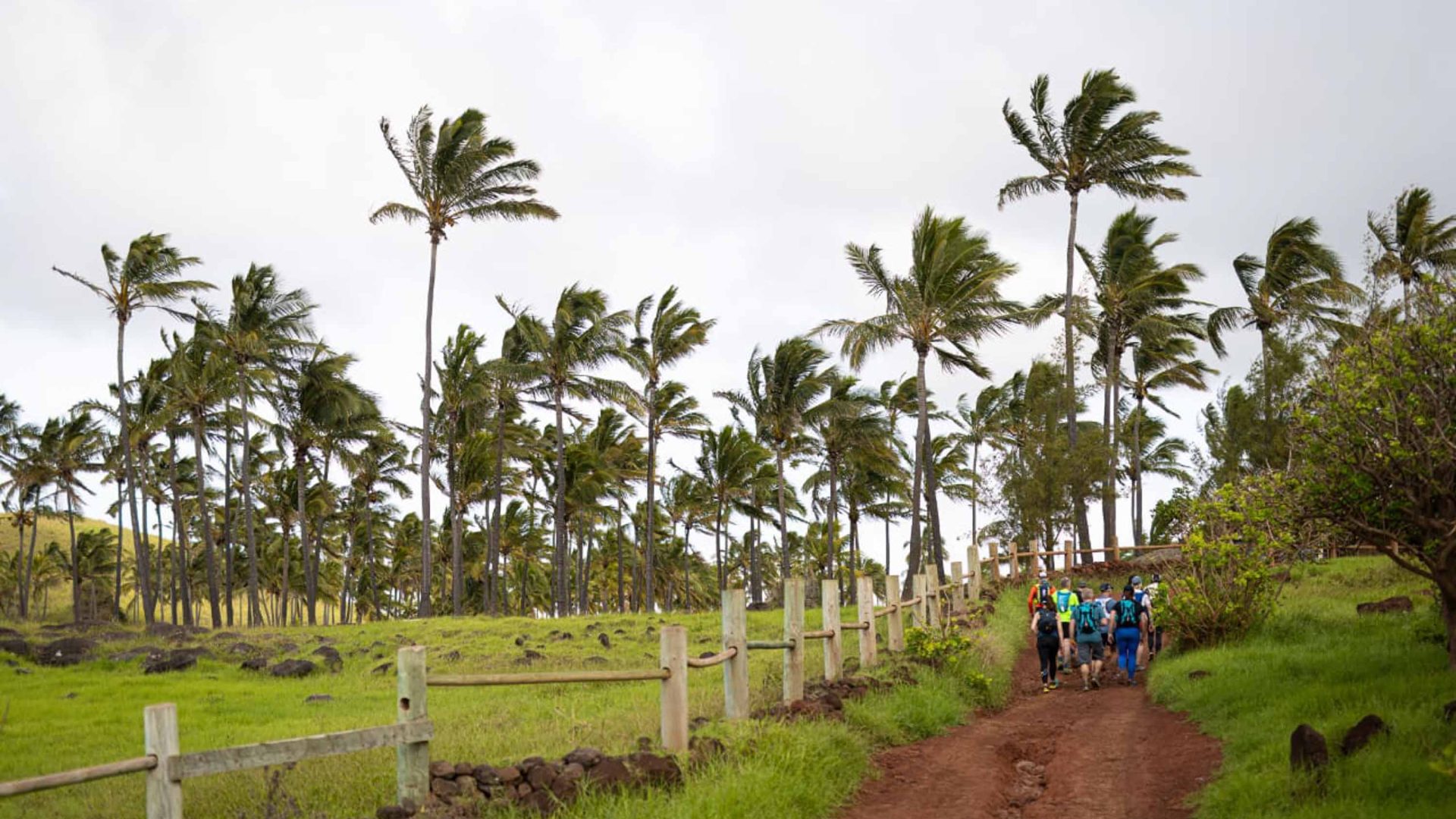
For athletes participating in endurance events such as the Rat Race Rapa Nui Round-Island Ultra, the island offers a deceptive sense of tranquil isolation. Situated more than 2,300 miles (3,700 kilometers) west of mainland Chile, this triangular speck of volcanic land spans just 63 square miles (165 square kilometers) and is dominated by three extinct volcanoes. Yet, while runners experience hours of peaceful solitude along deserted coastal paths, headline sites like Ahu Tongariki and the volcanic quarry of Rano Raraku tell a very different story—one defined by packed minibuses, tour groups, and the strain of modern mass tourism.
Demographic Realities and the Economic Engine of Tourism

To understand the contemporary tensions on Rapa Nui, one must examine its delicate demographic balance. Local estimates place the total population at approximately 8,000 residents, roughly 2,000 of whom identify as Indigenous Rapa Nui. This permanent population is augmented by a floating population of 2,000 seasonal workers, tourists, and expatriates. Although residents hold Chilean citizenship, the Rapa Nui possess recognized Indigenous status, which grants them specific rights regarding residency, land tenure, and local governance.
Economically, the island is heavily dependent on the visitor economy, with an estimated 80 percent of the local population relying directly or indirectly on tourism for their livelihoods. More than 100,000 travelers visit the island annually. While this influx generates vital employment and funds the conservation of the Rapa Nui National Park, it has pushed the island’s fragile ecosystem to its breaking point.

Local leaders have increasingly sounded the alarm. Mayor Elizabeth Arévalo Pakarati has publicly emphasized that while the community values economic vitality, it firmly opposes unregulated mass tourism. Indigenous guide and local entrepreneur Natalie Hotu notes that the strain manifests practically during the summer months, when luxury hotels drain the island’s dwindling water reserves, cause regular electricity outages, and leave behind mounting volumes of waste.
"The tourists use our resources, but the garbage stays here," Hotu explains. "We need to know how many people we can support. Why don’t they ask the community if we want to support more flights? We are at the point where we have to question what we want. First should come protection of the ecosystem; second, the social side; and last, the economic."

The Infrastructure Debate: The Expansion of Mataveri Airport
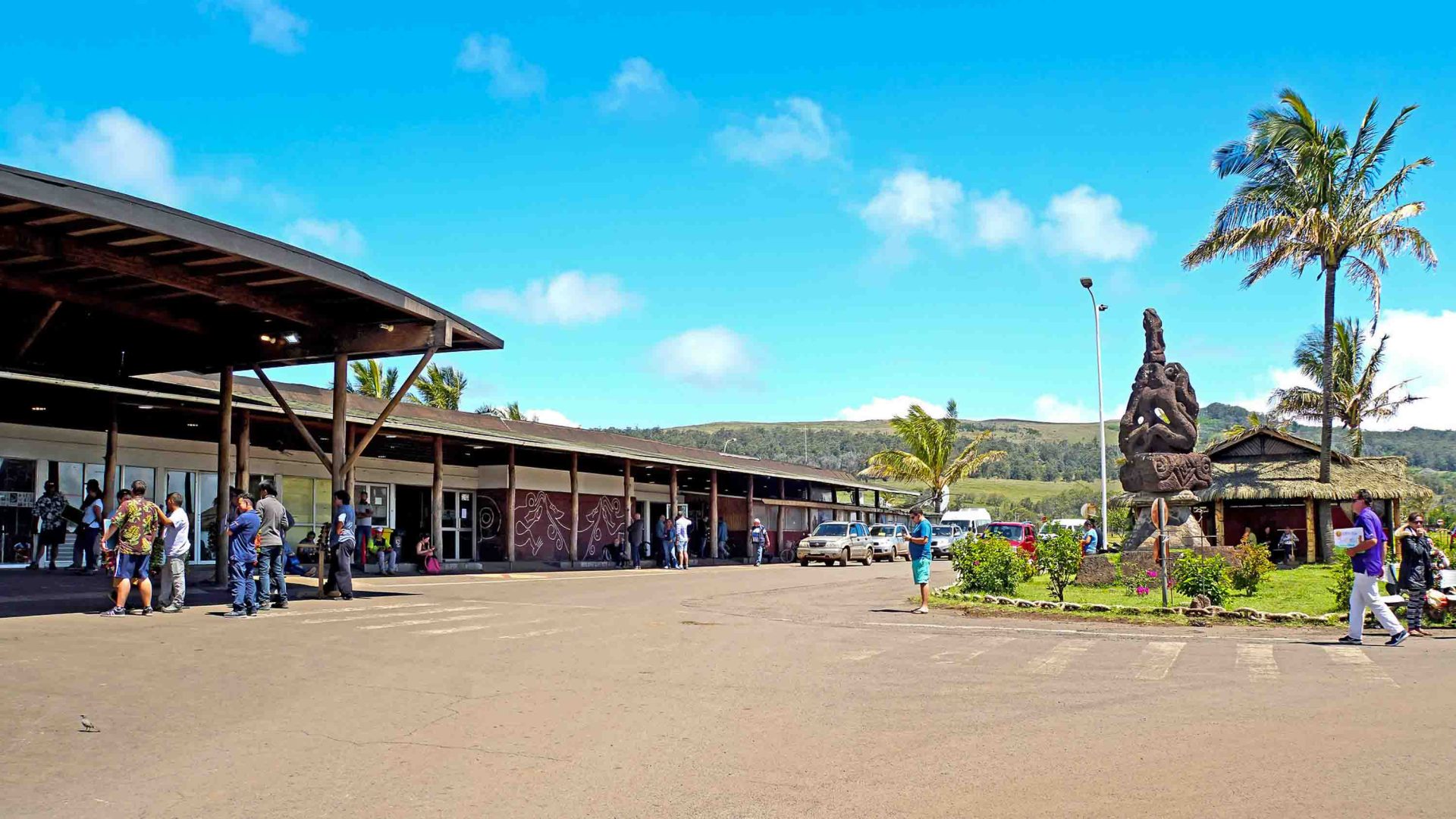
The friction between local self-determination and central government initiatives is perhaps most visible in the controversial plans to upgrade Mataveri International Airport, the island’s primary gateway. The Chilean government has committed to a sweeping $400 million infrastructure program designed to replace the existing passenger terminal with a facility nearly three times its current size.
Central government officials, including President Gabriel Boric, argue that the development is essential for the island’s long-term survival. The project is framed not merely as a conduit for vacationers, but as an indispensable lifeline for residents requiring medical evacuation, freight delivery, and consistent supply chains. President Boric has maintained that the infrastructure investment is intended to serve those who live on Easter Island every day, rather than just tourists staying for brief periods.
However, local stakeholders remain deeply divided. Mahina Pakarati Trengove, an architect at the Rapa Nui Technical Secretariat for Heritage, acknowledges that basic services—including electricity, water, gas, and healthcare infrastructure—have failed to keep pace with population growth. While she agrees that infrastructural improvements are necessary, she stresses that they must be paired with stringent caps on visitor arrivals and vehicular traffic.

"The island has grown, and basic services cannot keep up," Trengove notes. "This is an island where everything happens haphazardly and without oversight—that is simply not right."
The Historical Context of Land Rights

The disputes over airport expansion and maritime infrastructure are inextricably linked to Rapa Nui’s complex and contested colonial history. Chile claimed political sovereignty over the island in 1888 following the signing of the Agreement of Wills between Chilean authorities and Rapa Nui leaders. However, interpretations of this foundational document have sharply diverged over the decades.
According to Rapa Nui oral tradition, island leaders agreed to accept Chilean political sovereignty but explicitly retained ownership of their ancestral lands. Despite this understanding, the Chilean state registered the island under its own name in 1933, initiating nearly a century of land disputes.
A breakthrough in these long-standing grievances occurred recently regarding the very land occupied by Mataveri Airport. For over five decades, the Roe family—descendants of traditional Rapa Nui landowner Rafael Roe Roe—campaigned for the restitution of their ancestral property underlying the airport facilities. In 2024, the Chilean government formally recognized the family’s land rights, agreeing to return the property once the airport facilities are successfully relocated.
Similar debates surround proposed maritime developments. Currently, supply ships cannot berth directly at the coast, forcing goods to be transferred via smaller vessels—a logistical bottleneck that incurs significant financial and environmental costs. While the Ministry of Public Works has initiated consultations regarding a new docking port, residents fear that a large-scale marine facility will trigger unchecked commercial development. Conversely, heritage experts point out that anchored supply ships lingering offshore pose a severe threat to local coral reefs and marine ecosystems.
Governance and Institutional Complexity
Navigating these multifaceted challenges is complicated by Rapa Nui’s unique administrative status. Designated a "special territory" by the Chilean constitution in 2007, the island remains administratively tethered to the Valparaíso Region on the mainland. Local administration is divided among an elected mayor, a municipal council, and representatives of the central government.
Additionally, a dense network of Indigenous institutions operates on the island, including CODEIPA (the Easter Island Development Commission), which bridges elected Rapa Nui representatives and state bodies; Honui, the traditional Council of Elders; and Ma’u Henua, the Indigenous community organization that administers the national park under contract but lacks land ownership rights.
"There is a great deal of institutional structure and little local coordination," Trengove observes. "We need local governance that is more autonomous from the Chilean state."
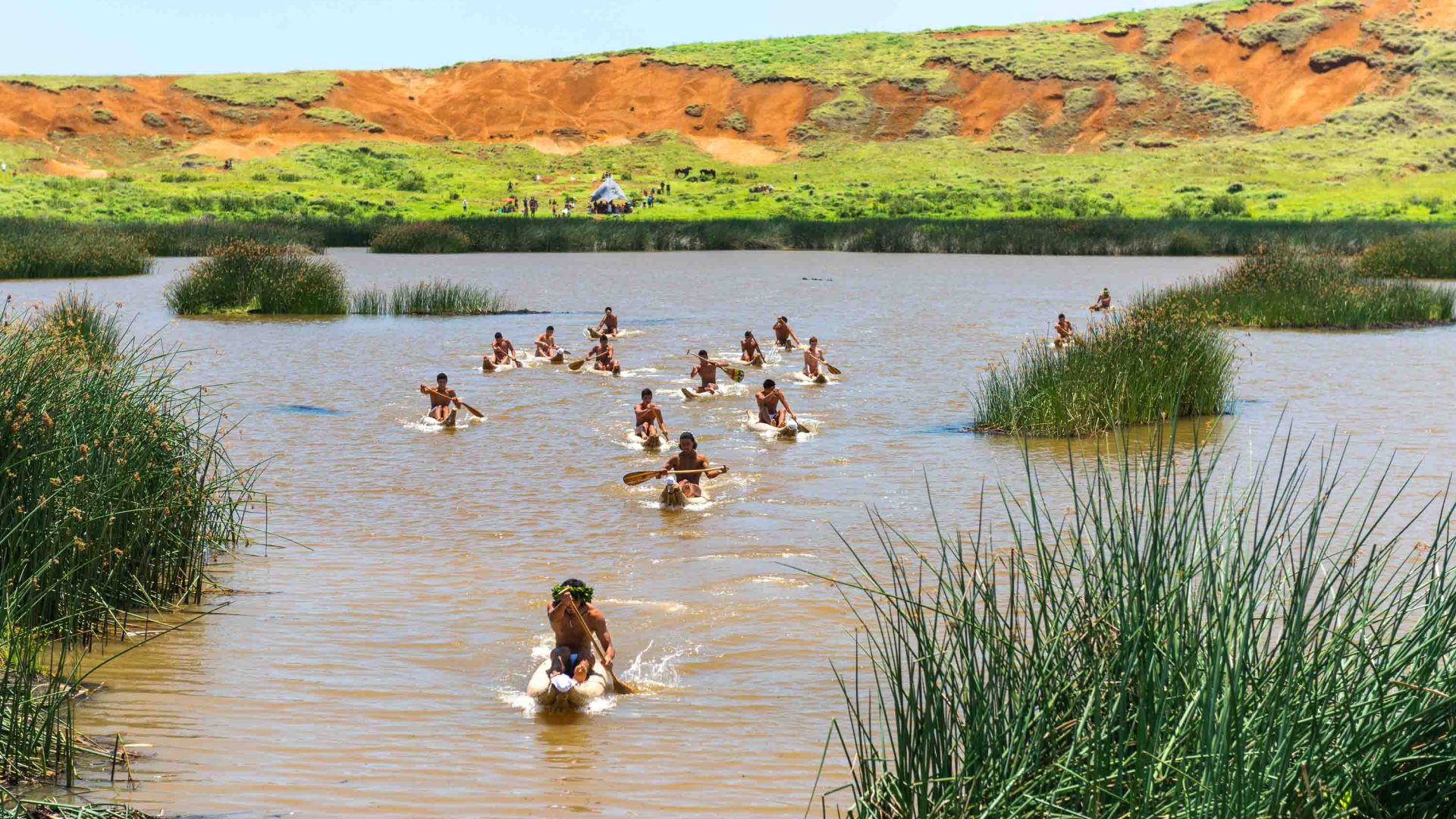
Looking Ahead: An Inflection Point for Rapa Nui
As Rapa Nui navigates the twenty-first century, it stands at a critical historical juncture. The island’s cultural identity, natural beauty, and archaeological heritage remain globally revered, yet its daily reality is shaped by the delicate balancing act between economic survival and cultural preservation.

For the Rapa Nui community, the path forward does not involve retreating from the globalized world, but rather reclaiming agency over their own territory and future. As Natalie Hotu reflects on the current trajectory of her island home, the core message from the Indigenous community remains resolute:
"We can share our culture, our history, and our nature with everyone. But first, we have to protect our place."
Related posts: