Navigating the Ancient Mediterranean: A Comprehensive Review of the National Geographic Orion Expedition Itinerary

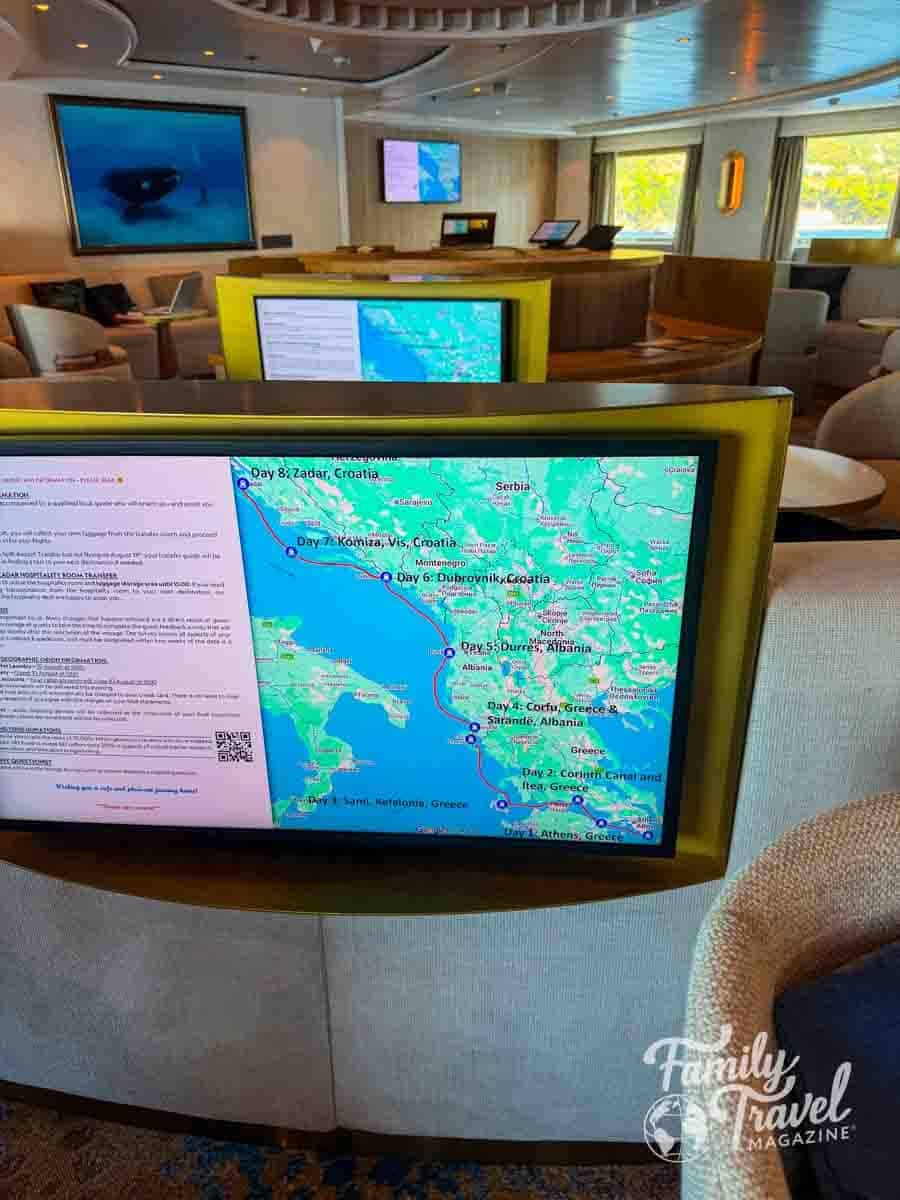
The intersection of luxury expedition cruising and educational travel represents one of the fastest-growing sectors in the modern tourism industry. As travelers increasingly seek deeper cultural immersion combined with the seamless logistics of a floating boutique hotel, operators like National Geographic Expeditions—in partnership with Lindblad Expeditions—have positioned themselves at the vanguard of this market. Among their most sought-after offerings is the Ancient Mediterranean itinerary, a seven-night, eight-day voyage traversing the waters from Athens, Greece, to Zadar, Croatia. This expedition aboard the National Geographic Orion offers a compelling case study in modern experiential travel, demonstrating how small-ship cruising can access remote historical sites while maintaining high standards of comfort and academic enrichment.
Overview of the Expedition and Demographic Fit
The National Geographic Orion is purpose-built for expedition cruising, allowing it to navigate narrow waterways, shallow coastal approaches, and intimate harbors inaccessible to traditional mega-cruise ships. Spanning Greece, Albania, and Croatia, the Ancient Mediterranean voyage is engineered for travelers with an appetite for active sightseeing and historical inquiry.
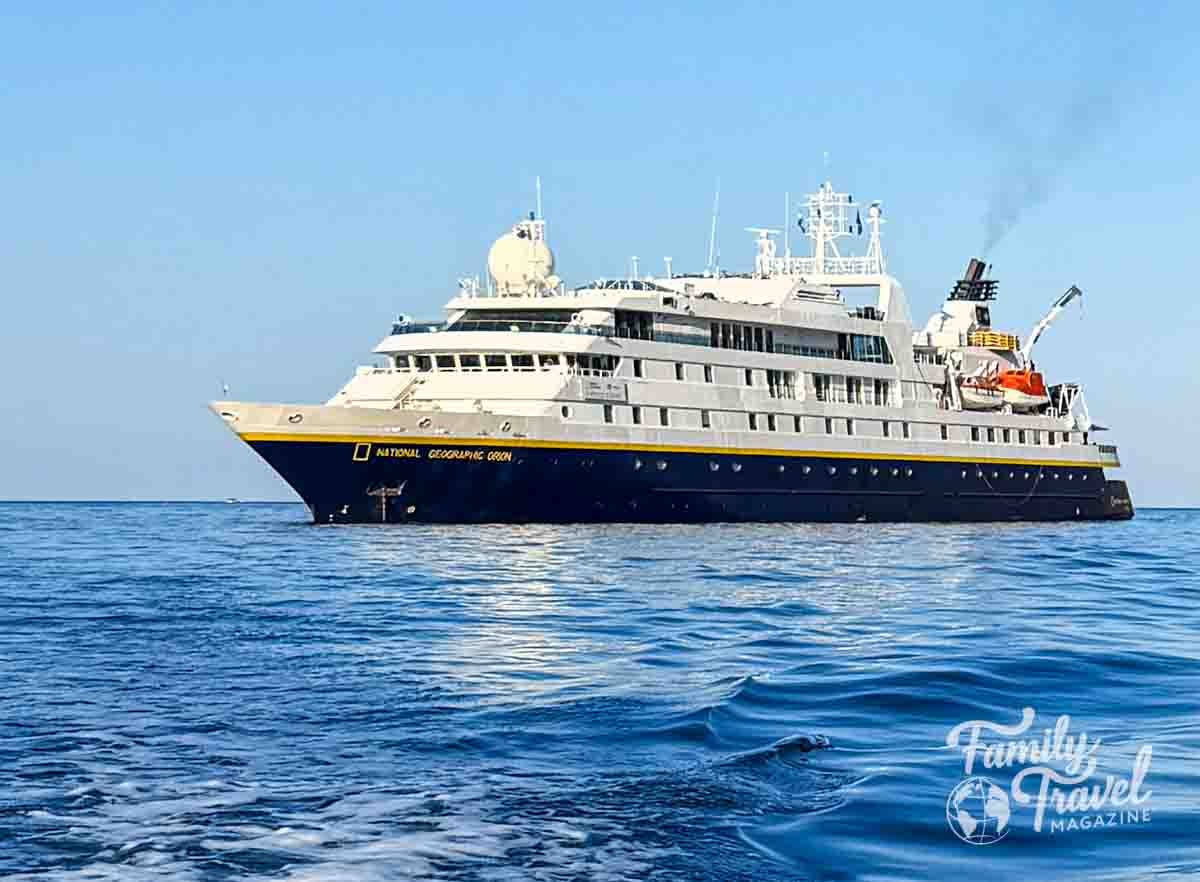
Market analysis of expedition cruising indicates a shift toward multigenerational travel with adult children. While traditional luxury cruises often attract retirees, the physically active nature of this specific itinerary—incorporating Zodiac landings, rigorous walking tours of archaeological sites, and optional outdoor excursions—finds a distinct demographic alignment with families featuring college-aged or adult children. The vessel’s capacity, which fosters a close-knit community of approximately 100 guests, encourages an environment where academic experts, photographers, and naturalists travel alongside passengers, delivering nightly briefings and contextual lectures.
Pre-Expedition Logistics and Embarkation
The logistical framework of an expedition cruise often dictates the success of the journey. For the Athens-to-Zadar sailing, passengers are given the option to embark on northbound or southbound routes depending on seasonal scheduling. Industry experts generally advise selecting dates based on personal availability rather than directional preference, as the educational depth remains consistent regardless of the terminus.
Standard protocol for National Geographic Expeditions involves pre- and post-cruise tour extensions, frequently anchored by partner properties such as the NJV Athens Plaza. Embarkation day underscores the value of arriving at the port city at least 24 hours prior to departure to mitigate common international transit delays and baggage mishandling issues.
On the official day of embarkation, centralized luggage drop-offs at designated host hotels precede motorcoach transfers to the Lavrio Cruise Port, situated approximately an hour to ninety minutes outside central Athens, depending on traffic conditions. Upon clearing port security, passengers board the vessel for initial documentation, safety orientations, and stateroom settling. A hallmark of the Orion’s itinerary design is immediate contextual immersion; the inaugural evening frequently features a sunset viewing of the Temple of Poseidon at Cape Sounion, establishing a thematic precedent for the historical exploration to follow.
Day-by-Day Chronology and Itinerary Breakdown
Day 2: Corinth Canal and Delphi
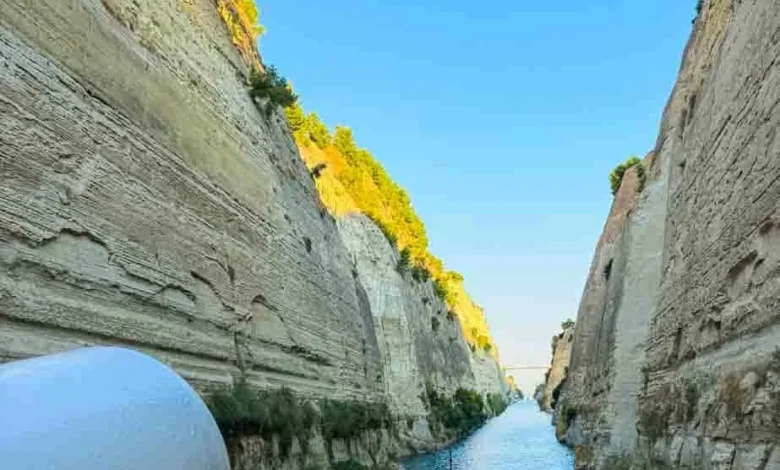
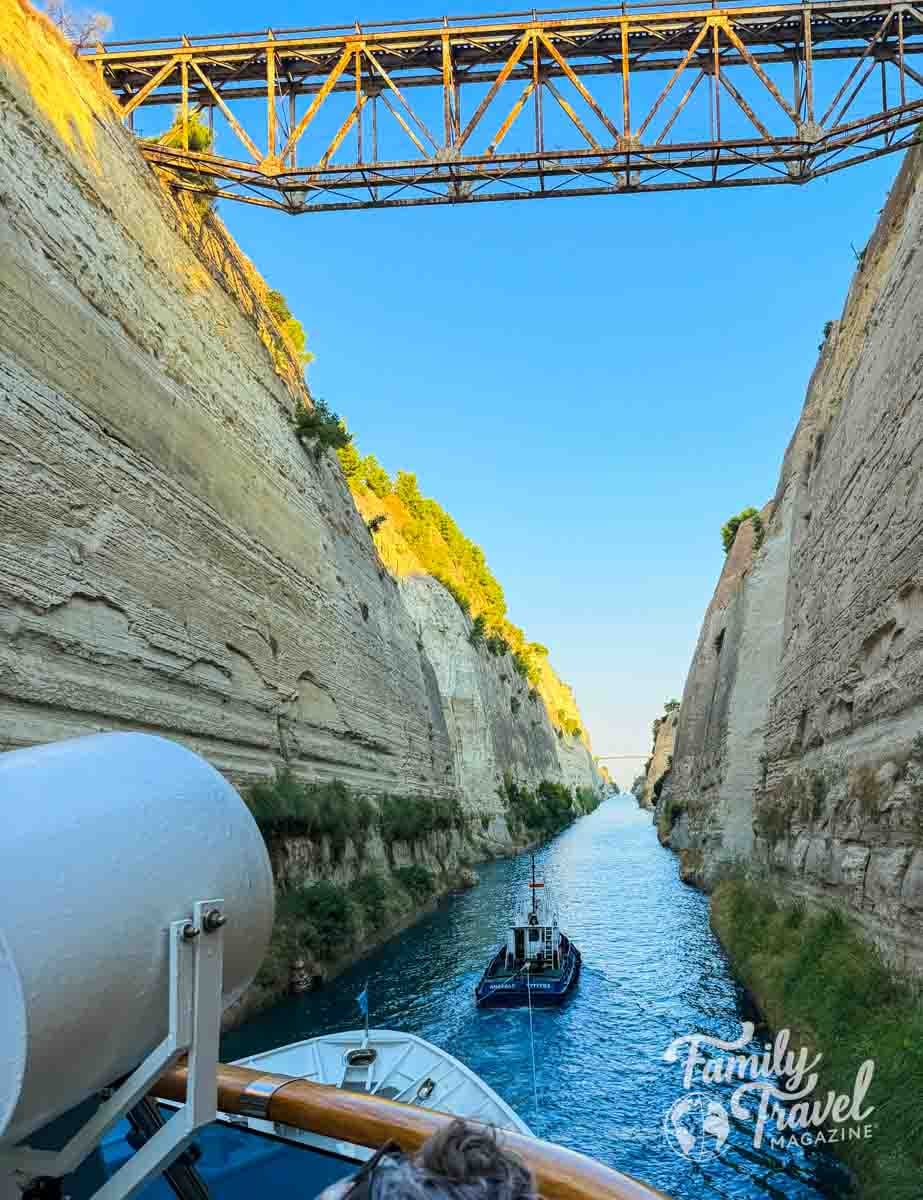
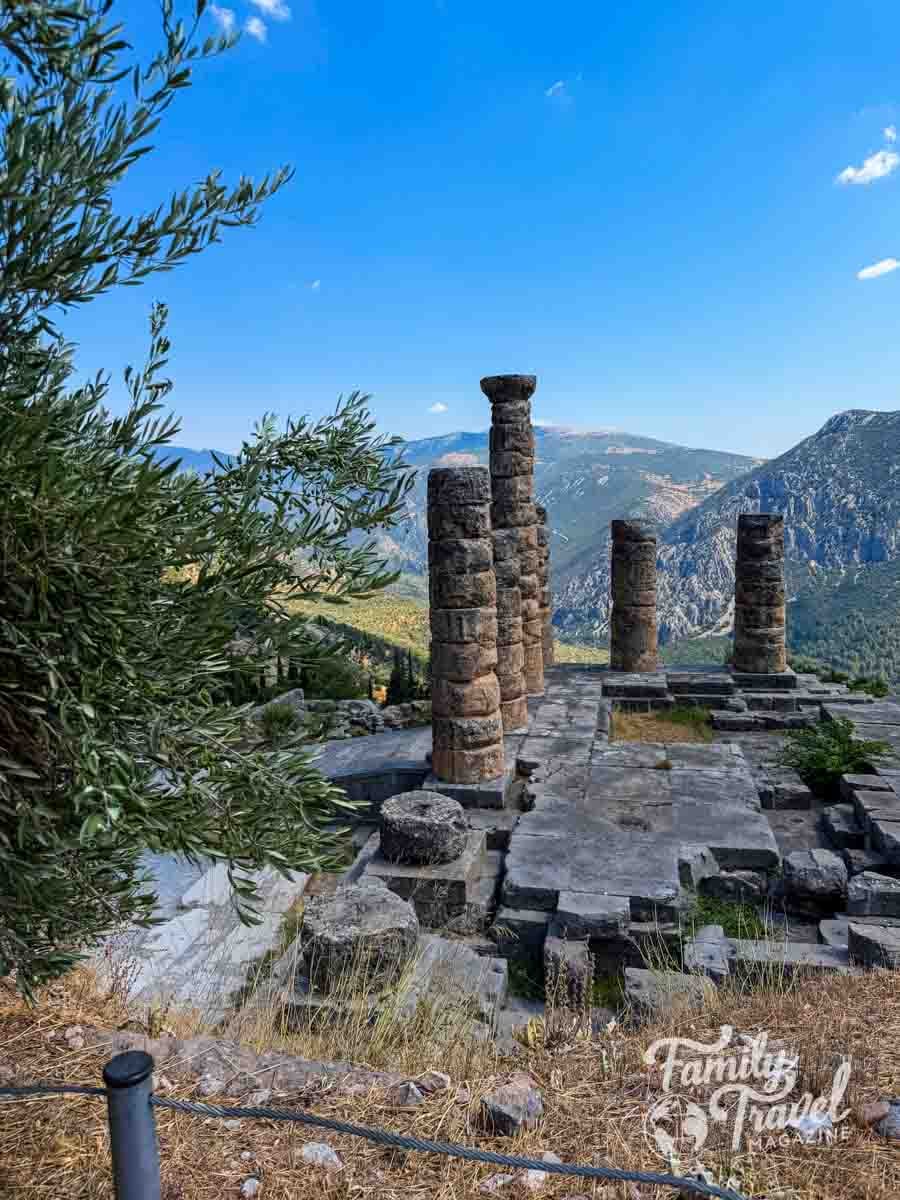
The operational agility of a small expedition vessel is immediately apparent on the second day, which features a transit of the historic Corinth Canal. Navigating the narrow, sheer-walled engineering marvel requires specialized pilots and restricted bridge and bow access, offering passengers a unique vantage point from the observation decks. Subsequent days are structured around a blend of mandatory safety and technical briefings—such as Zodiac operation protocols—and academic enrichment sessions led by onboard cultural historians and National Geographic photography instructors. The afternoon typically transitions to land excursions, such as guided tours of the archaeological site and museum of Delphi, executed via coordinated motorcoaches from Itea with tiered walking groups to accommodate varying physical paces.
Day 3: Kefalonia, Greece
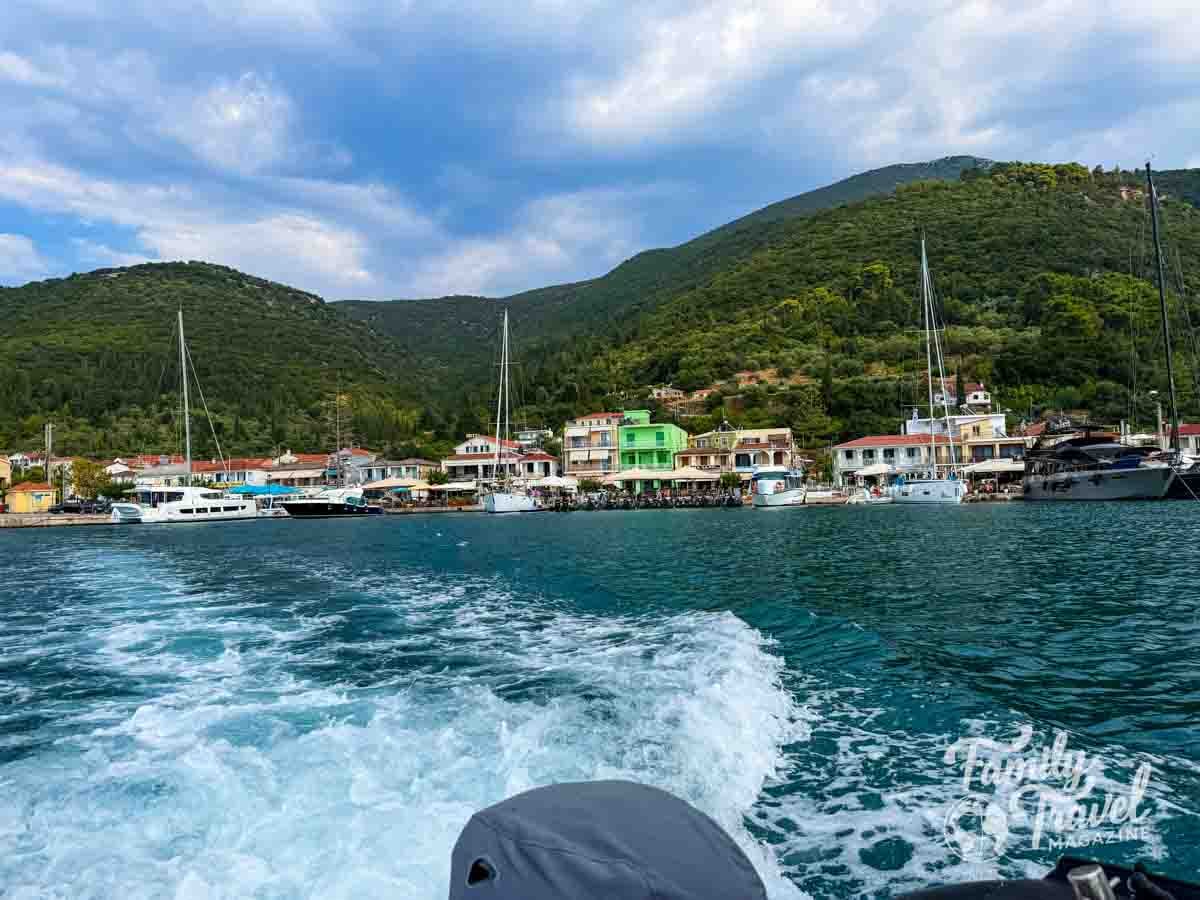
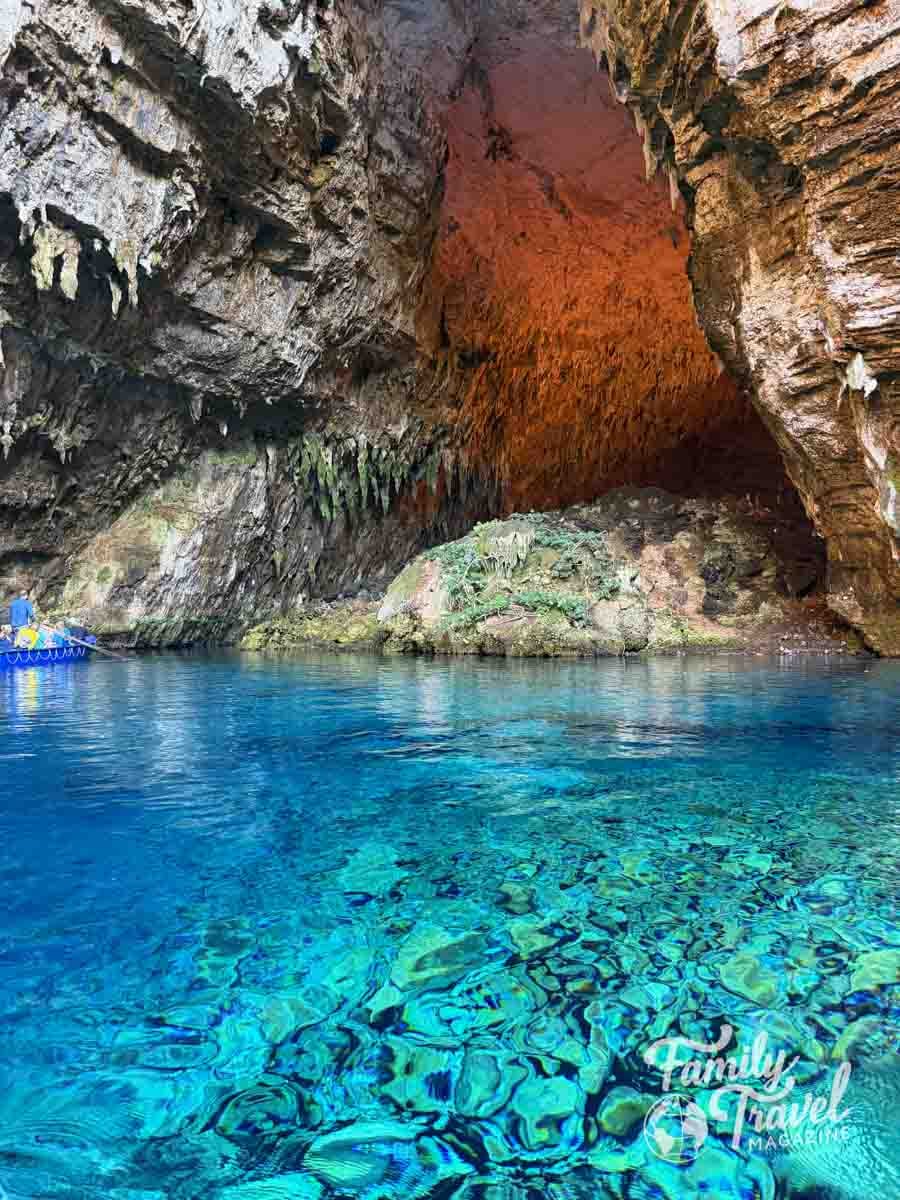
Splitting programming between morning geological and afternoon recreational excursions, the stop in Kefalonia highlights the region’s natural geography. Morning tours guide passengers through the subterranean wonders of Melissani Lake—where small wooden rowboats navigate the sunlit cavern—and the stepped descents of Drogarati Cave. Afternoon options diversify the traveler’s experience, ranging from independent exploration of Sami’s archaeological sites to coastal relaxation at Antisamos Beach. Onboard enrichment continues concurrently, featuring specialized seminars from resident wine experts and naturalists.
Day 4: Corfu, Greece, and Sarandë, Albania
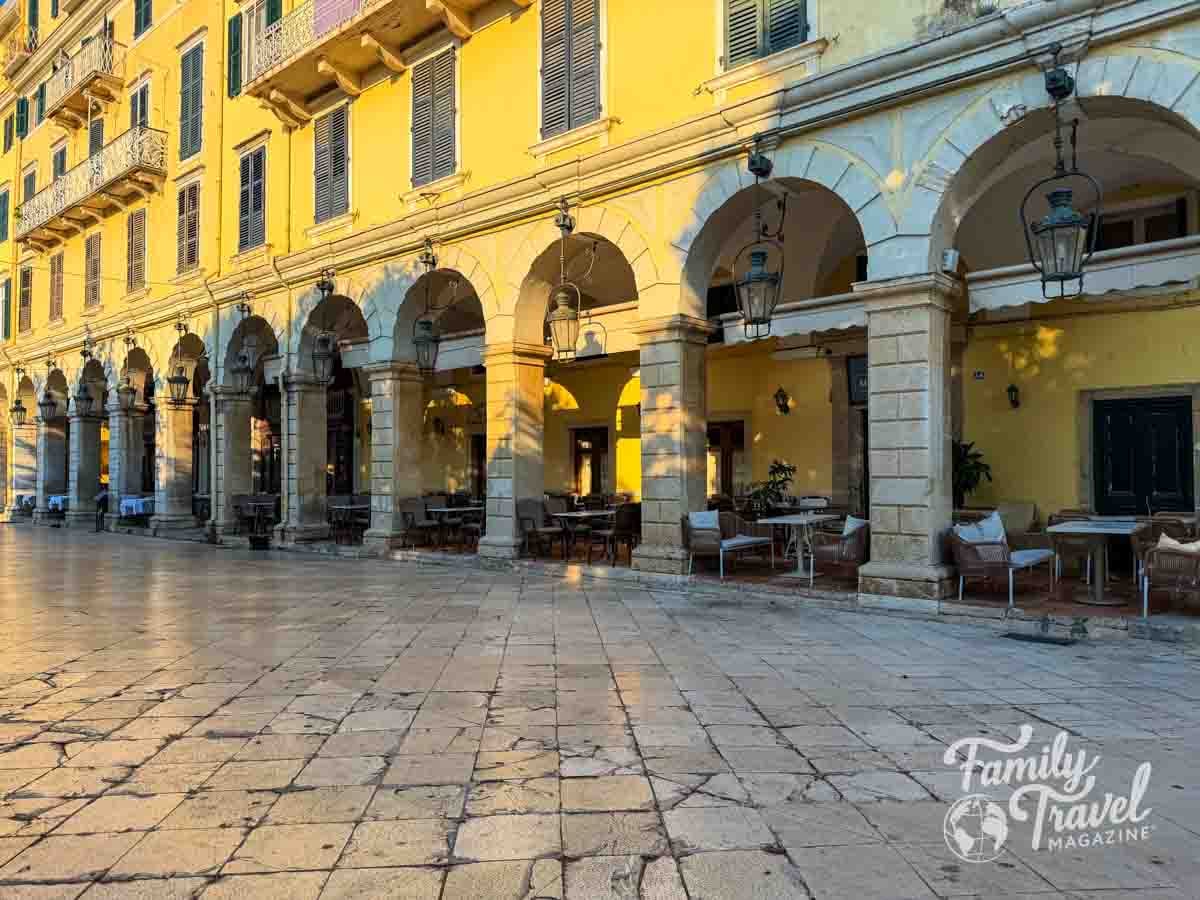
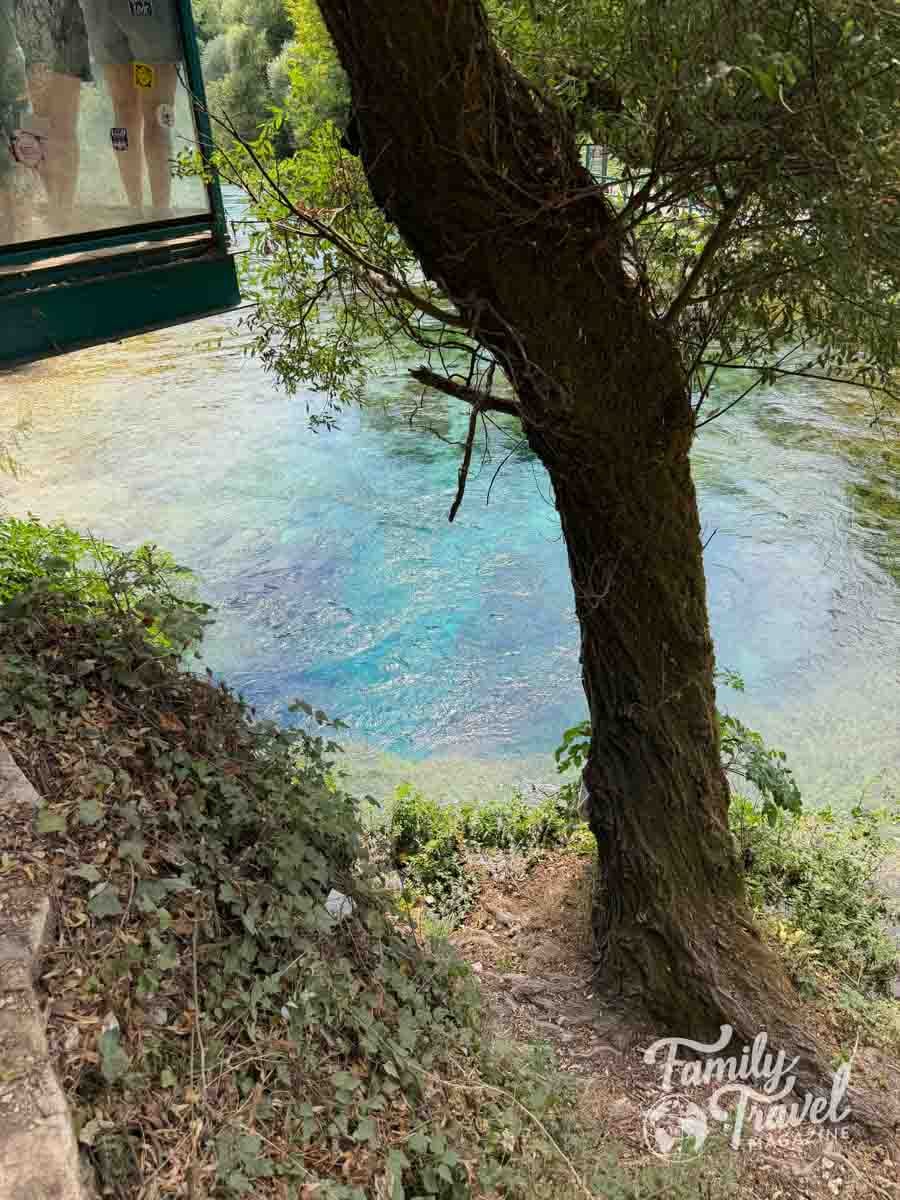
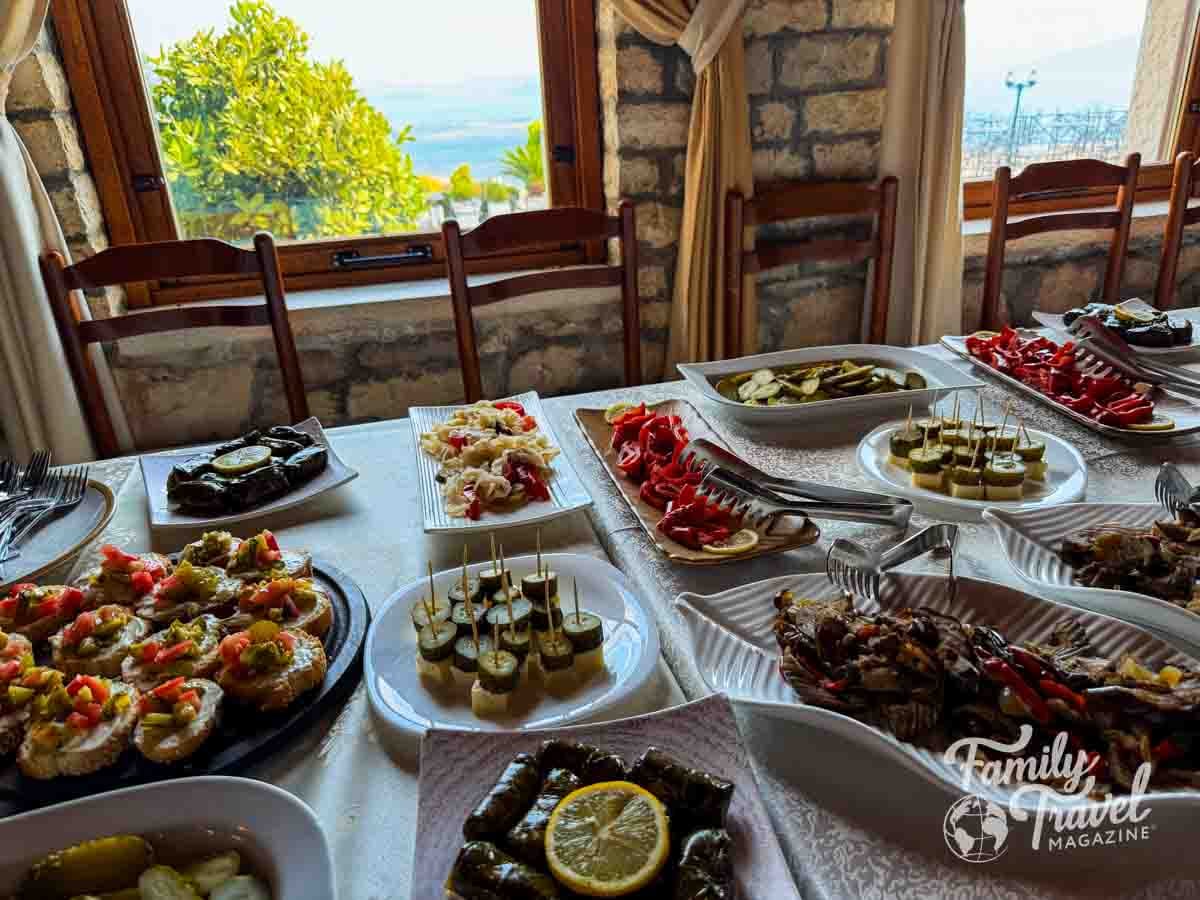
International boundaries are crossed seamlessly on day four, transitioning from the Venetian-influenced architecture of Corfu’s Old Town to the rugged coastline of southern Albania. The morning walking tour of Corfu offers free time for historical navigation and local commerce, followed by an afternoon repositioning toward Sarandë. Upon arrival, passengers disembark via the ship’s gangway to access inland destinations such as the Blue Eye natural spring—accessible via historical narrow-gauge transport systems—and the panoramic vistas of Lekursi Castle, where traditional Albanian culinary arts and performances are showcased.
Day 5: Durres, Albania
Durres serves as a departure point for bifurcated land excursions, offering participants a choice between ecological conservation and deep historical immersion. One cohort typically engages with the Divjake-Karavasta National Park via open-air Jeeps and small watercraft, observing Dalmatian pelicans, flamingos, and localized wetland conservation projects. Alternatively, travelers visiting Kruje explore the Ethnographic and Skanderbeg museums, tracing medieval resistance against the Ottoman Empire before engaging with regional commerce at the traditional local bazaar. Evenings on board frequently feature community-building events, such as the traditional Orion Crew Show hosted by the hotel director.
Day 6: Dubrovnik, Croatia
Docking directly adjacent to the historic fortifications of Dubrovnik via Zodiac operations, the itinerary maximizes time in one of the Adriatic’s most prominent cultural hubs. Excursion choices range from rigorous city-wall walking tours and hikes up Srdj Hill to localized culinary deep-dives. A standout regional excursion often involves rural exploration of Orasac for olive oil pressing demonstrations, visits to the historic salt pans and town of Ston, and private boat transfers to traditional oyster farms in the bay for fresh marine tastings.
Day 7: Vis Island and Bisevo, Croatia
The final full day of the expedition centers on the isolated marine environments of Vis and Bisevo islands. Utilizing high-speed RIBs (Rigid Inflatable Boats) and local wooden watercraft, passengers navigate into the famous Blue Cave, where subterranean sunlight creates distinct chromatic water phenomena. Afternoon transit toward the northern terminus of Zadar allows for final photo-essay submissions, farewell cocktail receptions featuring curated voyage slideshows compiled by the onboard National Geographic photographer, and the Captain’s Farewell Dinner.
Day 8: Disembarkation and Broader Implications
The conclusion of the expedition in Zadar exemplifies modern cruise logistics efficiency. Passengers are provided flexible disembarkation options, including centralized hospitality staging areas for those partaking in post-trip land extensions, alongside coordinated motorcoach transfers to regional aviation hubs such as Zadar Airport or the larger international transit center at Split Airport.
Analysis of the expedition model reveals several distinct advantages over traditional large-ship cruising. By utilizing smaller vessels like the National Geographic Orion, operators minimize environmental footprints while maximizing geographical reach, granting access to ports constrained by infrastructure limitations. Furthermore, the integration of credentialed experts—including geologists, historians, and photographers—transforms a standard vacation into a formalized educational journey.
While the premium pricing model and active physical demands of expedition cruising exclude certain demographics, the format satisfies a growing market demand for meaningful, logistically seamless educational tourism. As travelers continue to prioritize experiential depth over passive leisure, itineraries bridging historical navigation with rigorous environmental interpretation are likely to remain a dominant force in the high-end travel sector.