Dublin’s Cultural Soul Under Siege: The Fight to Preserve Arts Venues Amidst Rapid Urban Redevelopment

Dublin, a city celebrated globally for its vibrant cultural tapestry, finds its artistic heart under profound threat. Over the past two decades, at least 52 arts venues have shuttered their doors, victims of escalating rents, aggressive redevelopment, and a systemic lack of robust cultural infrastructure. Despite this alarming trend, musician and activist Eoghan Ó Ceannabháin embodies an unwavering spirit of resistance, declaring, "I don’t think there’s any option to give up." This sentiment resonates deeply within a community battling to safeguard the spaces that nurture Ireland’s rich heritage of music, dance, and creative expression.
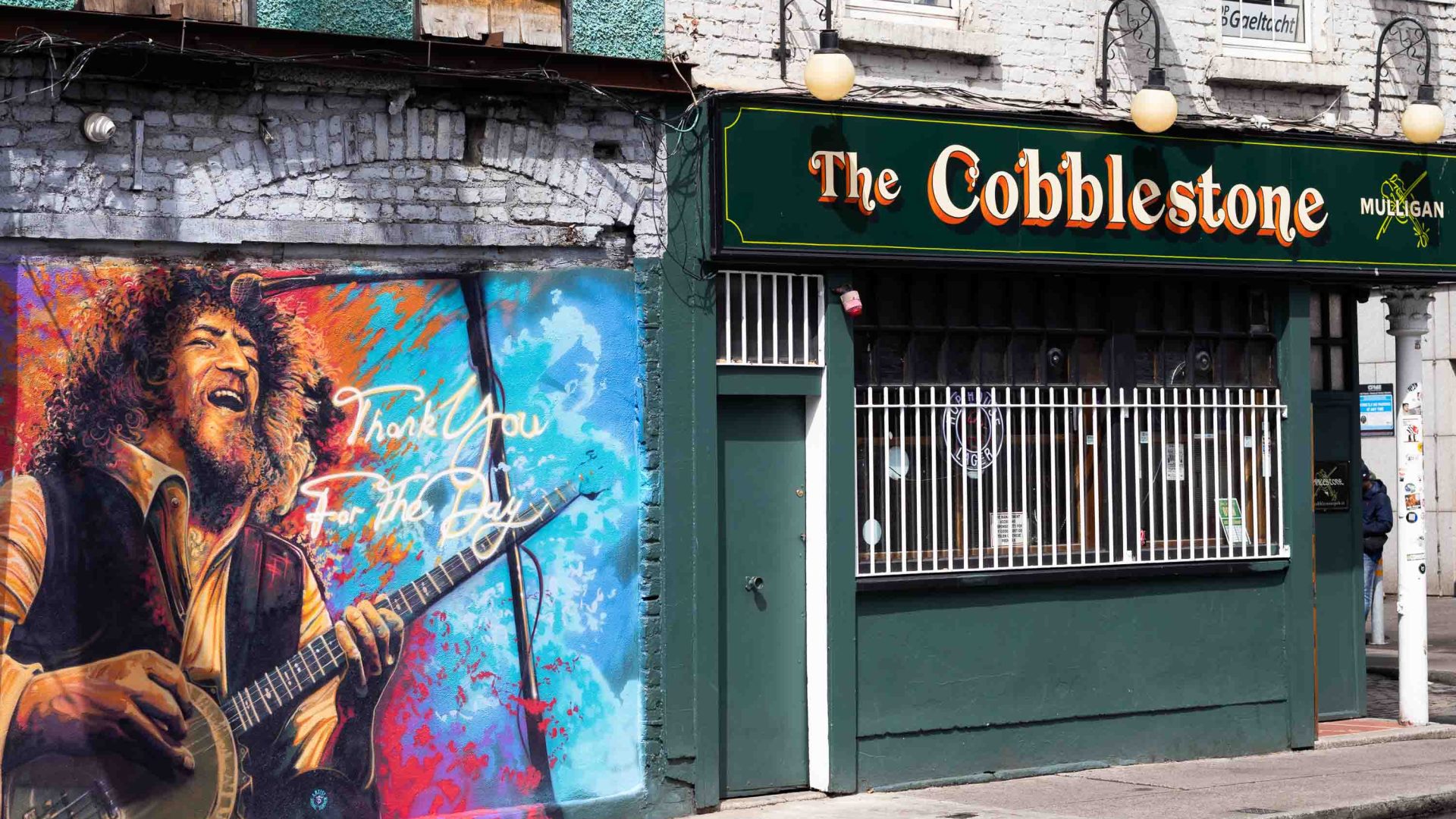
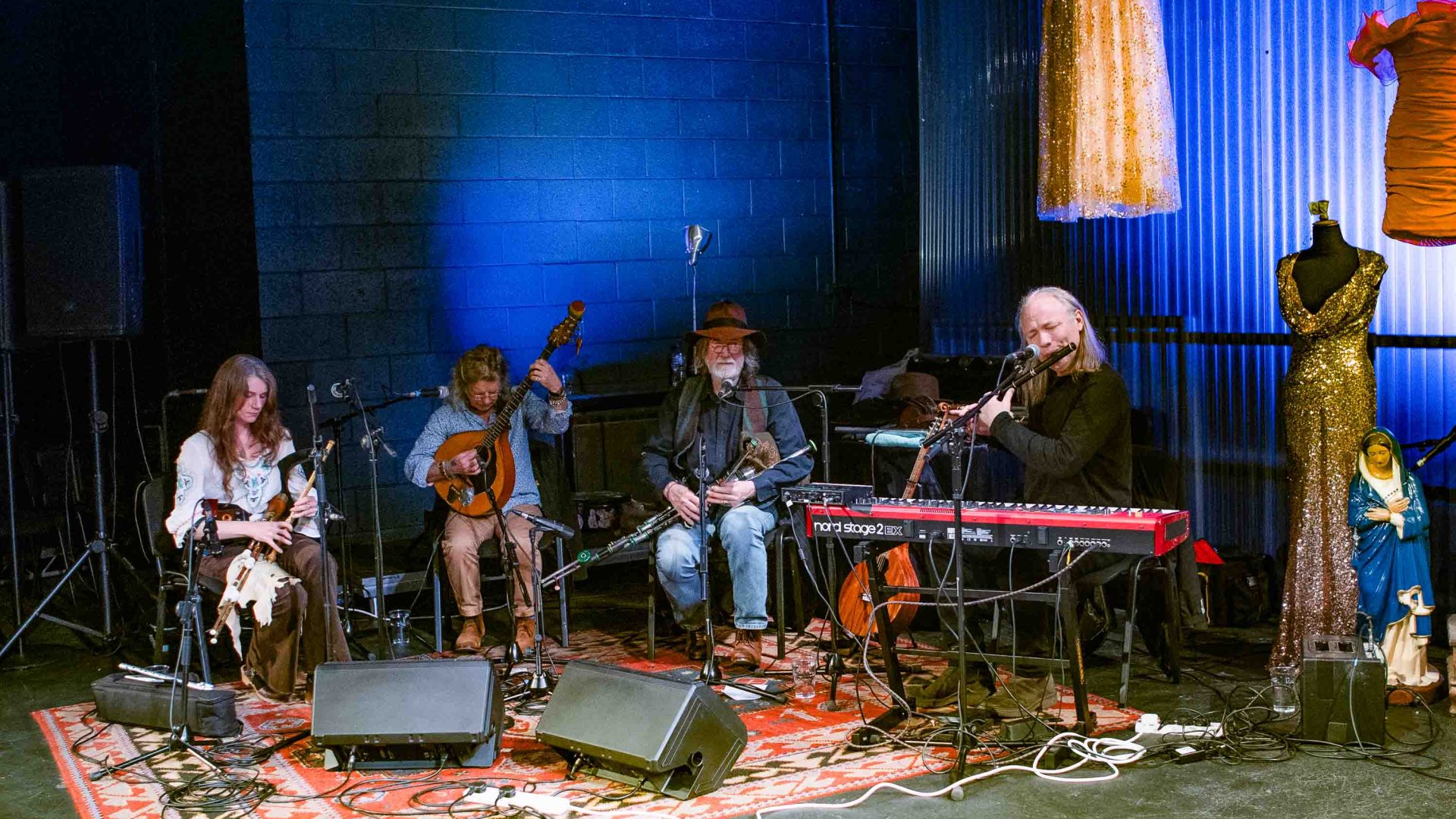
The plight of Dublin’s cultural spaces is starkly illustrated by The Cobblestone, a venerable institution in Smithfield, a short walk from the River Liffey. Here, beneath framed photographs of generations of musicians, sixteen artists convene, their instruments weaving a spellbinding tapestry of traditional Irish music. A young uilleann piper, his arm working the bellows with practiced ease, his fingers dancing across the chanter, epitomizes the raw, unadulterated talent fostered within these walls. Fiddles and flutes join the chorus, their melodies causing cold pints of Guinness to tremble gently on wooden tables as feet instinctively tap to the rhythm. For many, including this correspondent, The Cobblestone is more than a pub; it is a familiar haven, a surrogate "local" in a transient world, dedicated to preserving traditional Irish music. Tom Mulligan, who inherited the pub in the late 1980s, has steadfastly maintained its ethos as a "drinking pub with a music problem," intentionally eschewing modern distractions like televisions and pool tables. Beyond its daily "trad" sessions that draw artists and aficionados from across the globe, its back rooms host vital Irish language lessons, dance classes, and community music meet-ups, making it a true cultural hub.
A Near Miss: The Cobblestone’s Battle for Survival
The vulnerability of such cherished spaces became acutely clear in October 2021 when The Cobblestone faced a development proposal that threatened its very existence. A plan to demolish the majority of the building to make way for a nine-storey hotel ignited widespread outrage. The community’s response was swift and formidable. Over 35,000 individuals signed a petition, and hundreds marched defiantly along the River Liffey, their collective voice demanding the preservation of a national treasure. Ultimately, Dublin City Council, responding to the overwhelming public outcry, rejected the proposal, citing its potential "detriment to Irish culture." While The Cobblestone was saved from the immediate threat, its survival highlighted the precarious position of countless other cultural venues in the city. The victory was a powerful testament to grassroots activism but also a stark reminder of the constant vigilance required to protect these invaluable assets.
The Broader Crisis: Dublin’s Vanishing Arts Landscape
The Cobblestone’s close call is but one episode in a much larger, ongoing crisis. According to figures released by Ireland’s Labour Party, at least 52 arts venues have ceased operations in the Irish capital over the past two decades. This alarming statistic underscores a pattern seen in major cities worldwide, where rising property values, relentless redevelopment pressures, and inadequate cultural infrastructure combine to displace grassroots venues. These spaces, often operating on short-term or "meanwhile" leases, are particularly susceptible to market fluctuations, making them easy targets for developers seeking lucrative commercial opportunities. The economic boom in Ireland, while bringing prosperity, has inadvertently fueled a property market that prioritizes profit over cultural preservation, transforming historic districts into zones of high-density commercial and residential developments. This trend disproportionately impacts independent venues, which often lack the financial resources or political leverage to resist such pressures.
Eoghan Ó Ceannabháin: An Activist’s Stand
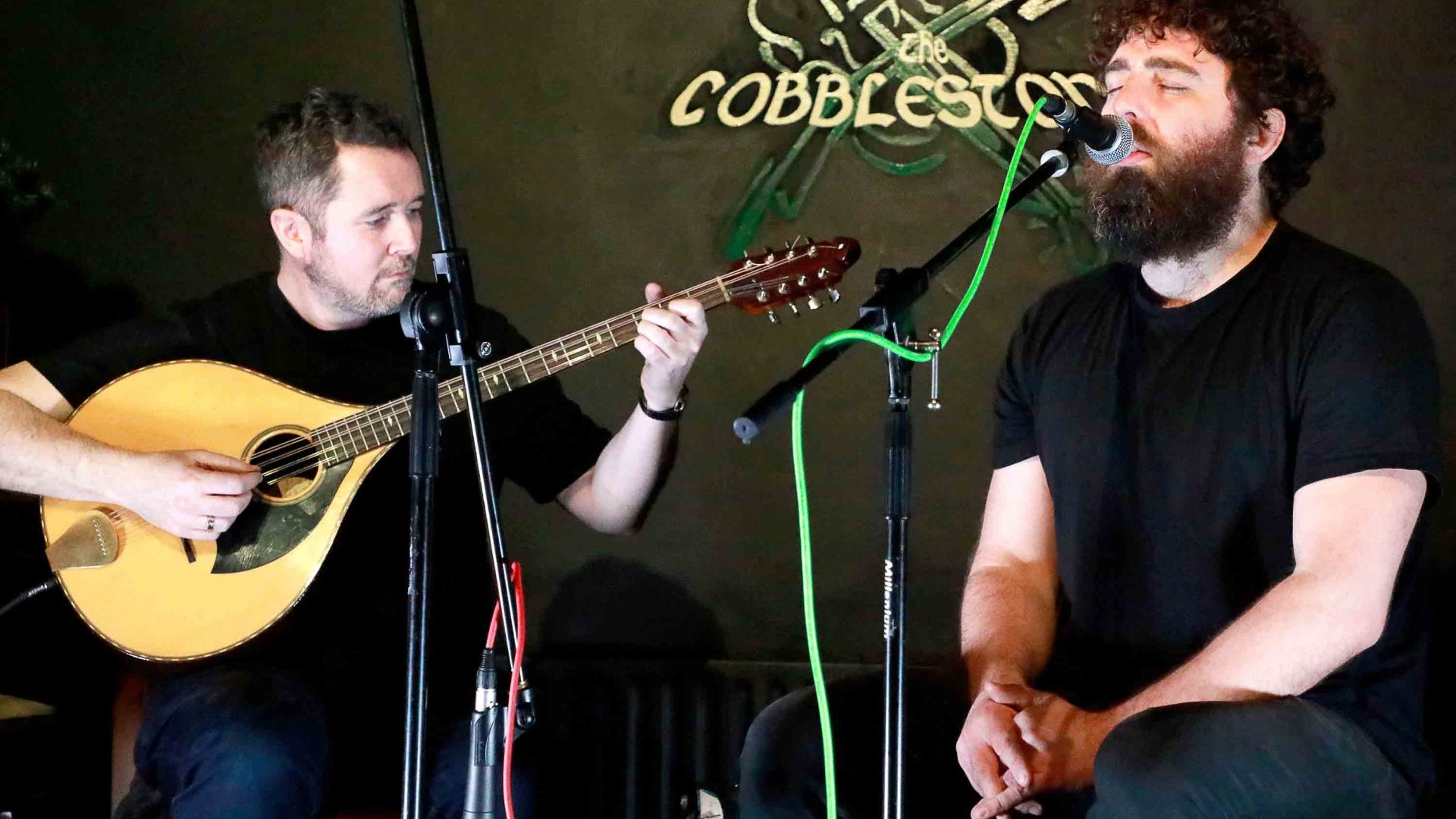
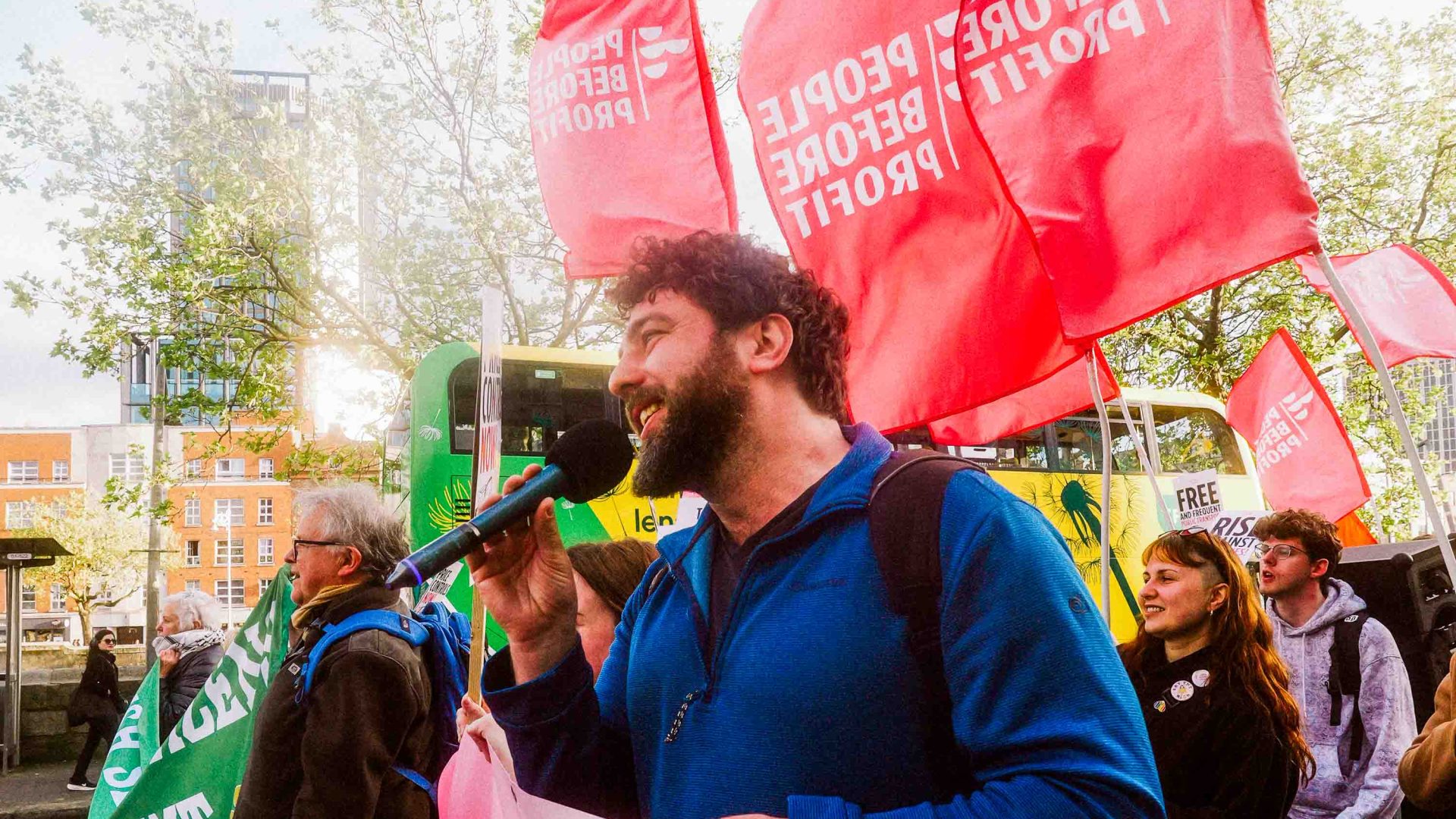
At the forefront of Dublin’s cultural defense is Eoghan Ó Ceannabháin, a 36-year-old musician and activist whose commitment to preserving these spaces is both deeply personal and politically charged. Ó Ceannabháin, who recently stood as a candidate for the eco-socialist People Before Profit party in a local election (though the seat was ultimately won by the Social Democrats), believes the struggle is fundamental to human flourishing. "Human beings are innately creative," he passionately asserts, "and we don’t get a chance under capitalism to fulfill our full creative potential." His entry into politics around 2015 was driven by a vision for a society that not only meets basic needs but also fosters richer, more expressive lives for its citizens.
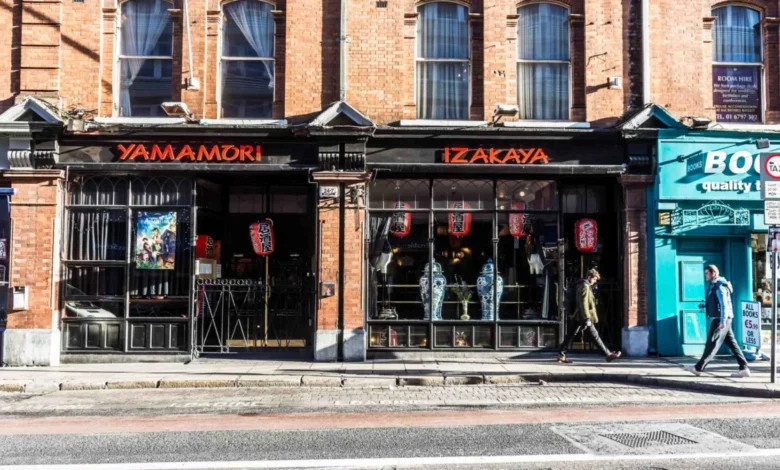
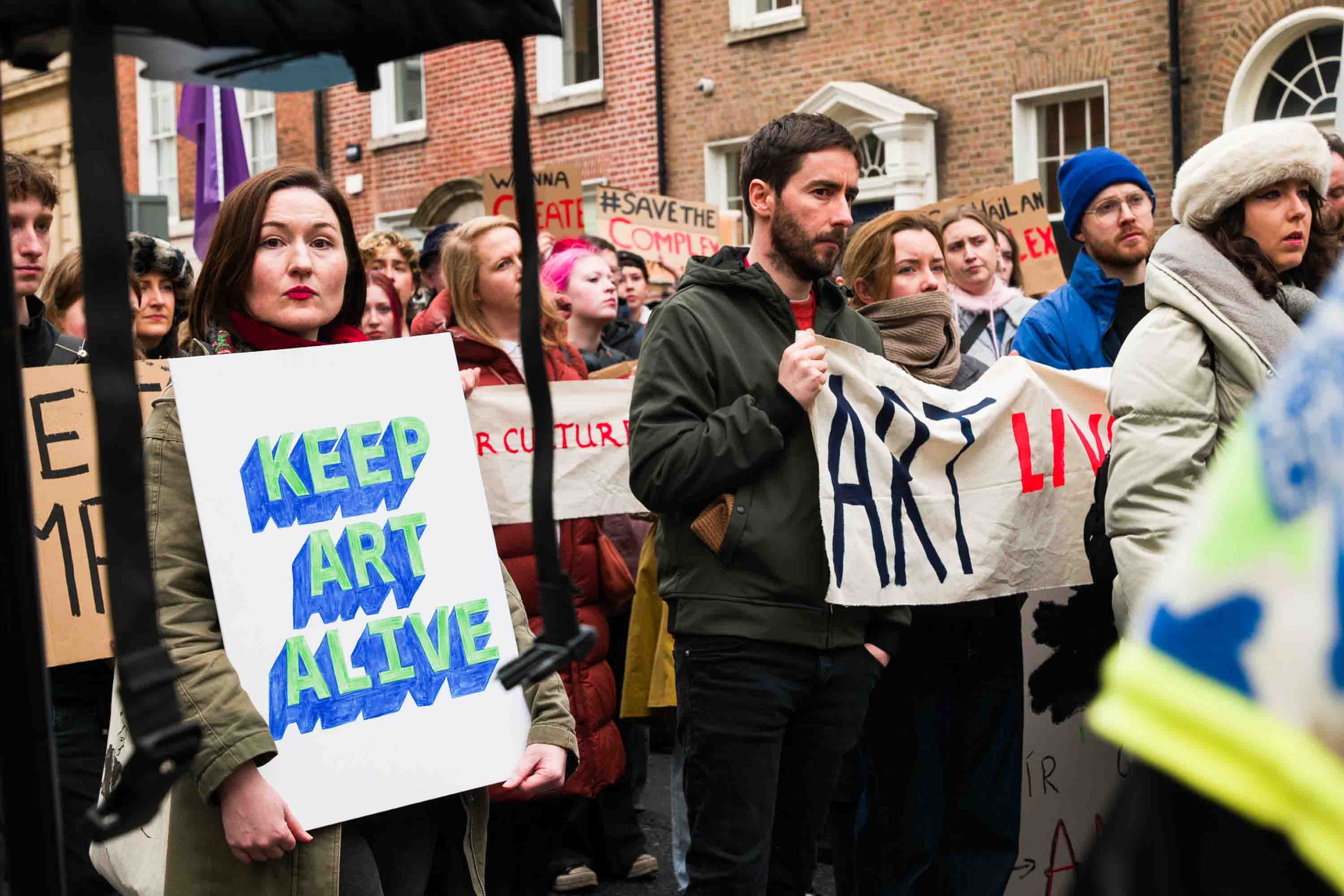
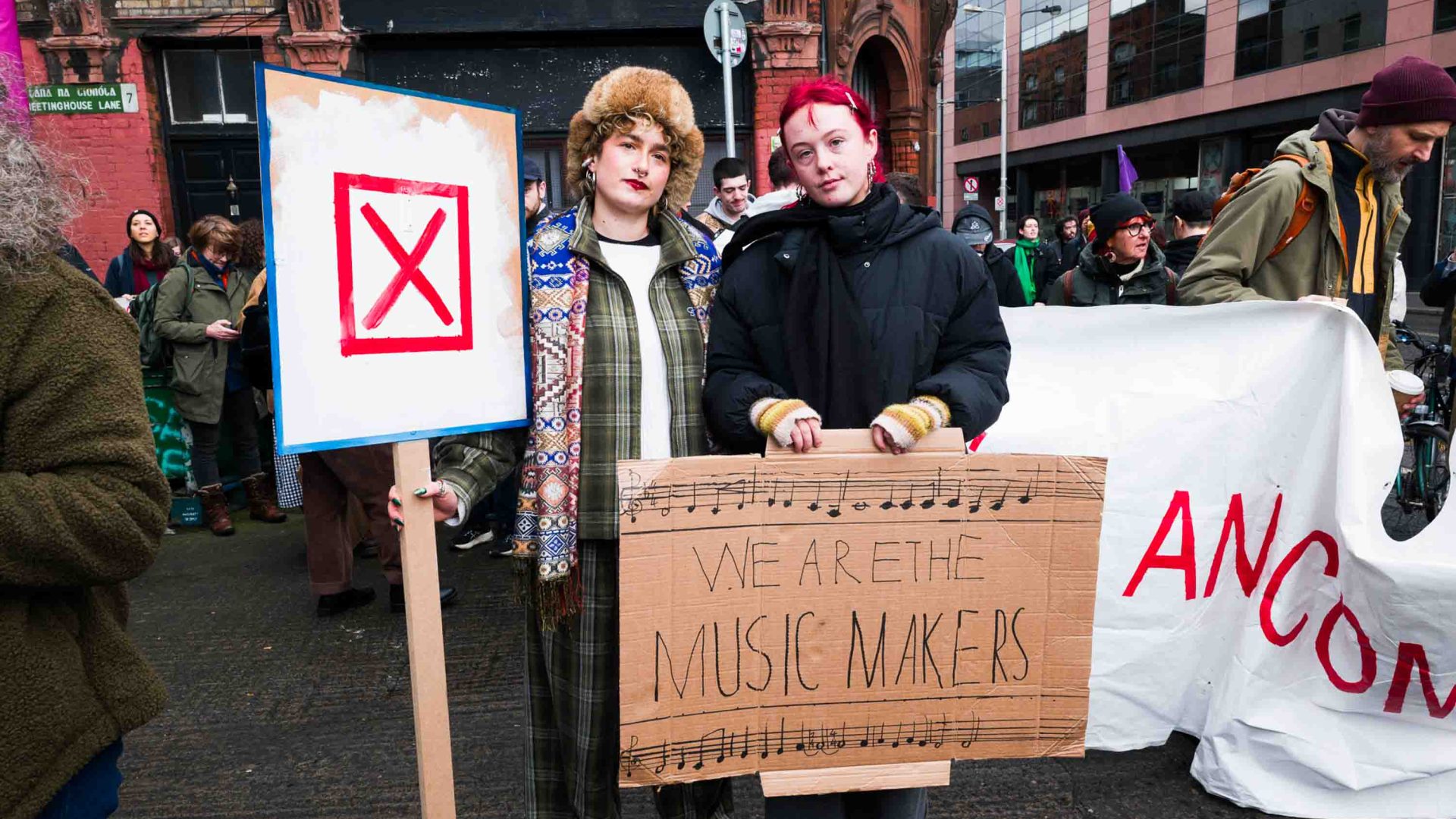
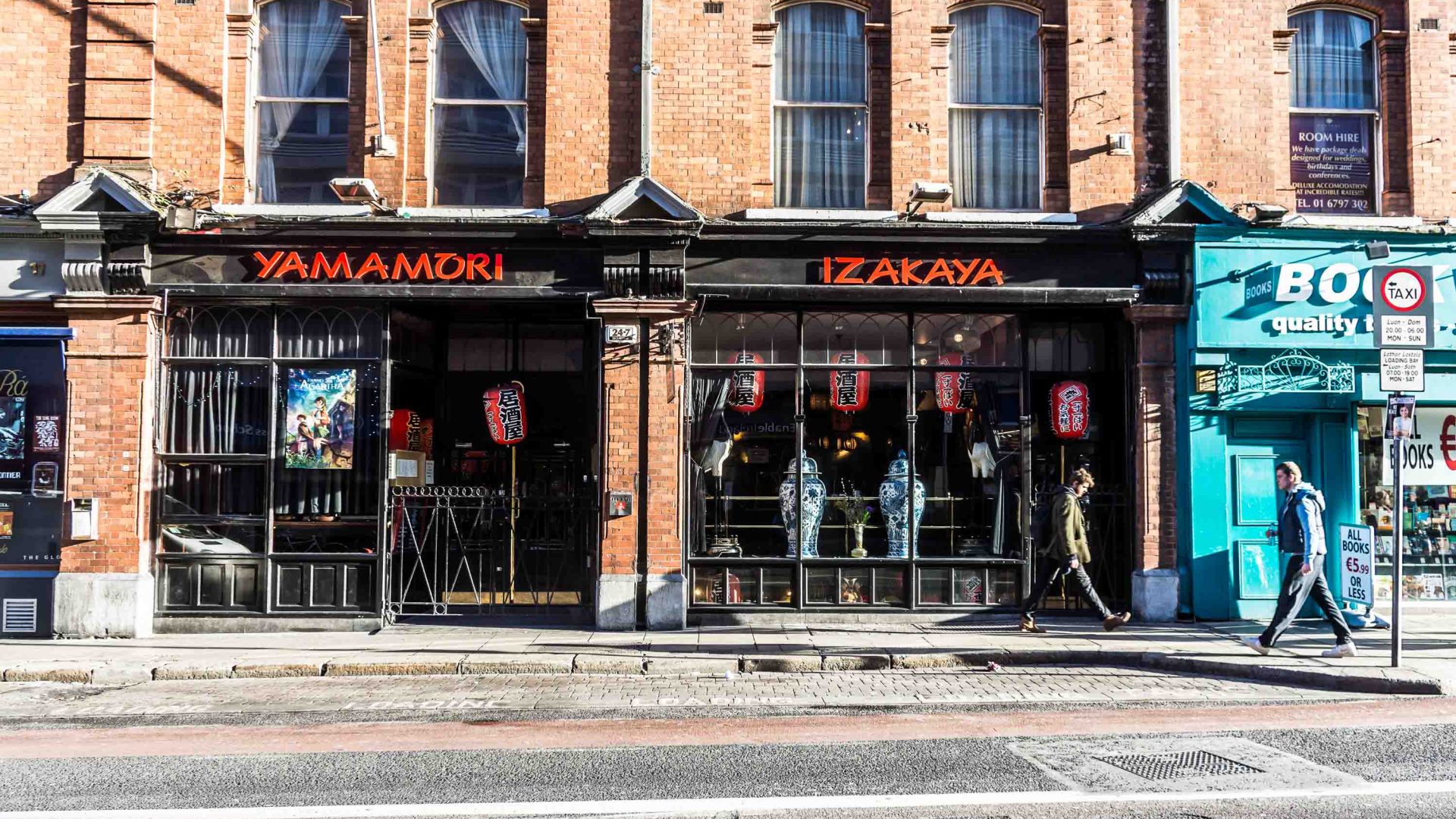
His activism frequently takes him to the streets, where he lends his voice to protests. One February evening, amidst the chill and drizzle, Dame Court transformed into a vibrant scene of resistance. Protesters, bundled in winter coats, gathered to support Yamamori Izakaya, an independent restaurant and nightclub on South Great George’s Street, facing a High Court injunction from its new neighbour, The Hoxton hotel, over a noise complaint. A DJ hunched under a gazebo, his music pulsating, while moving lights from the hotel played across its walls. Ó Ceannabháin, taking the microphone, galvanized the crowd with his rallying cry: "We need a city we can live in! We need a city we can sing in! We need a city we can dance in!" The crowd erupted, underscoring the deep public frustration. He articulated the core issue: "So many of us are paying exorbitant rents and are stuck at home while [the government] are prioritizing the profits of corporate landlords and big vulture funds. The same model for developing the city is impacting on our cultural space and the things we need to breathe." His gestures, so impassioned that some Instagram followers playfully liken him to an Italian, betray a profound dedication. Yet, when he performs, such as during a campaign céilí at The Cobblestone, singing the rebel ballad "Where Oh Where Is Our James Connolly?", his intensity transforms into a serene, focused artistry, uniting his political message with his musical identity.
The Loss of The Complex: A Harsh Reality
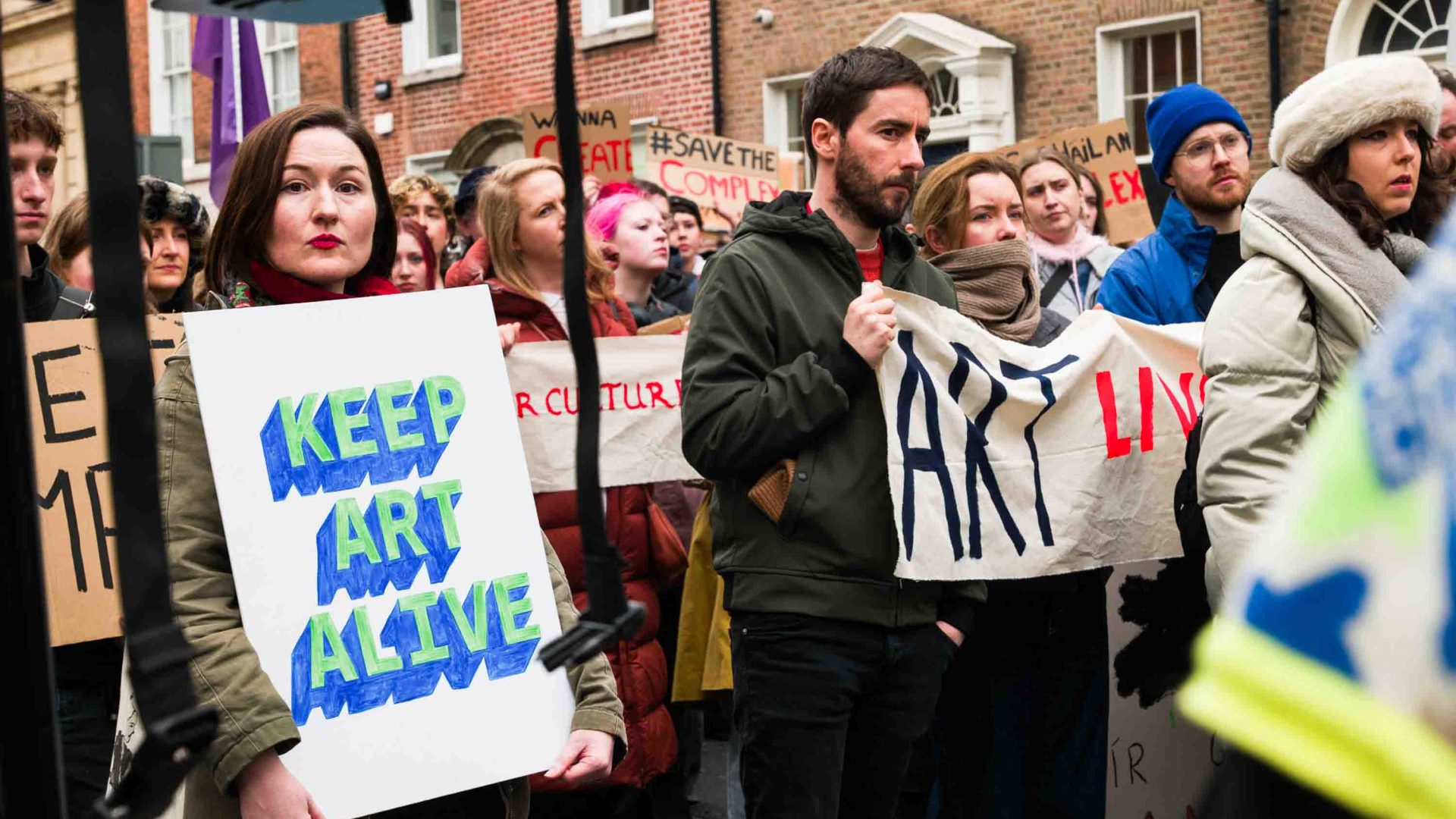
While the Cobblestone’s story offers a glimmer of hope, the closure of The Complex in January 2026 serves as a stark reminder of the ongoing challenges. This multidisciplinary arts center, ingeniously repurposed from a former banana-ripening unit in Dublin’s north inner city, was a rare and vital resource. It housed 18 studios, a versatile performance space, a gallery, and a 50-seat jazz club. Its founder, Vanessa Fielding, described it as "a rare space in Dublin where you could conceive a project in a studio, rehearse and perform it all in one space." The landlord’s decision to sell the property led to its inevitable closure. Despite the Dublin City Council backing Fielding’s plan for The Complex to be integrated into any redevelopment, and a petition gathering over 16,500 signatures, alongside a protest led by Ó Ceannabháin, the venue could not be saved. The critical barrier was the absence of a state mechanism to acquire the building for cultural use unless it met strict national heritage qualifications. Fielding’s frustration is palpable: "I suppose in the end, it will become a place of no destination," she lamented, highlighting the existential threat posed to a city that continuously loses its creative anchors. This incident underscores a systemic flaw: the lack of robust legal and financial frameworks to protect cultural spaces from market forces, even when their value to the community is overwhelmingly evident.
Policy and Politics: Navigating Support and Shortcomings
The government has not been entirely unresponsive to the pressures on the arts sector. Ó Ceannabháin points to Ireland’s Basic Income for the Arts (BIA) as a significant victory, demonstrating the power of sustained public pressure. Launched as a pilot in 2022 and made permanent in 2026, the BIA provides €325 (approximately USD$370) per week to 2,000 eligible artists, making it the world’s first scheme of its kind. While Ó Ceannabháin acknowledges its positive impact, he argues it should be expanded to reach more eligible artists, emphasizing that a successful pilot should lead to broader implementation. Furthermore, Dublin City Council has initiated efforts to restore some buildings for artist studios and has mandated that new developments allocate five percent of their space for cultural use.
However, these measures, while welcome, appear to be insufficient in stemming the tide of closures. A spokesperson from the Government of Ireland’s Department of Culture, Communications and Sport stated that "support for artists is at record levels," with a new "capital support scheme" soon to be announced to foster "wider participation in the arts." Yet, a report from the Arts Council of Ireland (An Chomhairle Ealaíon) offers a more nuanced perspective, indicating that "despite significant recent increases, it is not in line with EU averages or able to keep pace with rising costs." This disparity between governmental claims and the on-the-ground reality experienced by artists and venue operators highlights the persistent gap in comprehensive cultural policy. The financial pressures on artists and venues continue to mount, encompassing everything from studio rent and performance space costs to the rising cost of living in Dublin, which impacts artists’ ability to sustain themselves in the city.
The Economic and Social Fabric of Creativity
Dublin’s cultural prowess is undeniable, having produced an extraordinary lineage of writers, musicians, and artists, from literary giants like James Joyce and Oscar Wilde to musical legends such as The Dubliners and Sinéad O’Connor. The creative industries remain a significant economic force in Ireland, accounting for 8.9 percent of national employment, the second highest in the EU. This sector is not merely about entertainment; it is a vital engine of economic activity, job creation, and international reputation.
Crucially, the "pipeline" of talent feeding larger venues and contributing to this economic output begins in the very grassroots spaces now under threat. Back rooms, makeshift studios, and independent venues are the crucibles where artists hone their craft, experiment, and develop their unique voices. Without these foundational spaces, the wellspring of future talent risks drying up, ultimately diminishing the quality and quantity of Irish artistic output. The erosion of these venues also hollows out the very cultural essence that draws visitors to Dublin, impacting the tourism sector that relies heavily on the city’s unique charm and vibrant arts scene. More profoundly, locals lose irreplaceable community hubs, places where connections are forged, traditions are celebrated, and collective identity is reinforced.
BAFTA-winning Irish actor Paul Mescal has eloquently voiced this frustration, recalling his time in drama school and the anger he felt at the demolition of vital artistic institutions. In an interview with lovedublin, he lamented, "We have such brilliant artists in this country, and I don’t feel like we can cultivate the kind of talent that’s here that’s beneficial to the industry." His observation underscores the critical link between physical spaces and the nurturing of artistic potential, a link that policymakers often overlook in their focus on immediate economic returns.
The Path Forward: Sustained Activism and Optimism
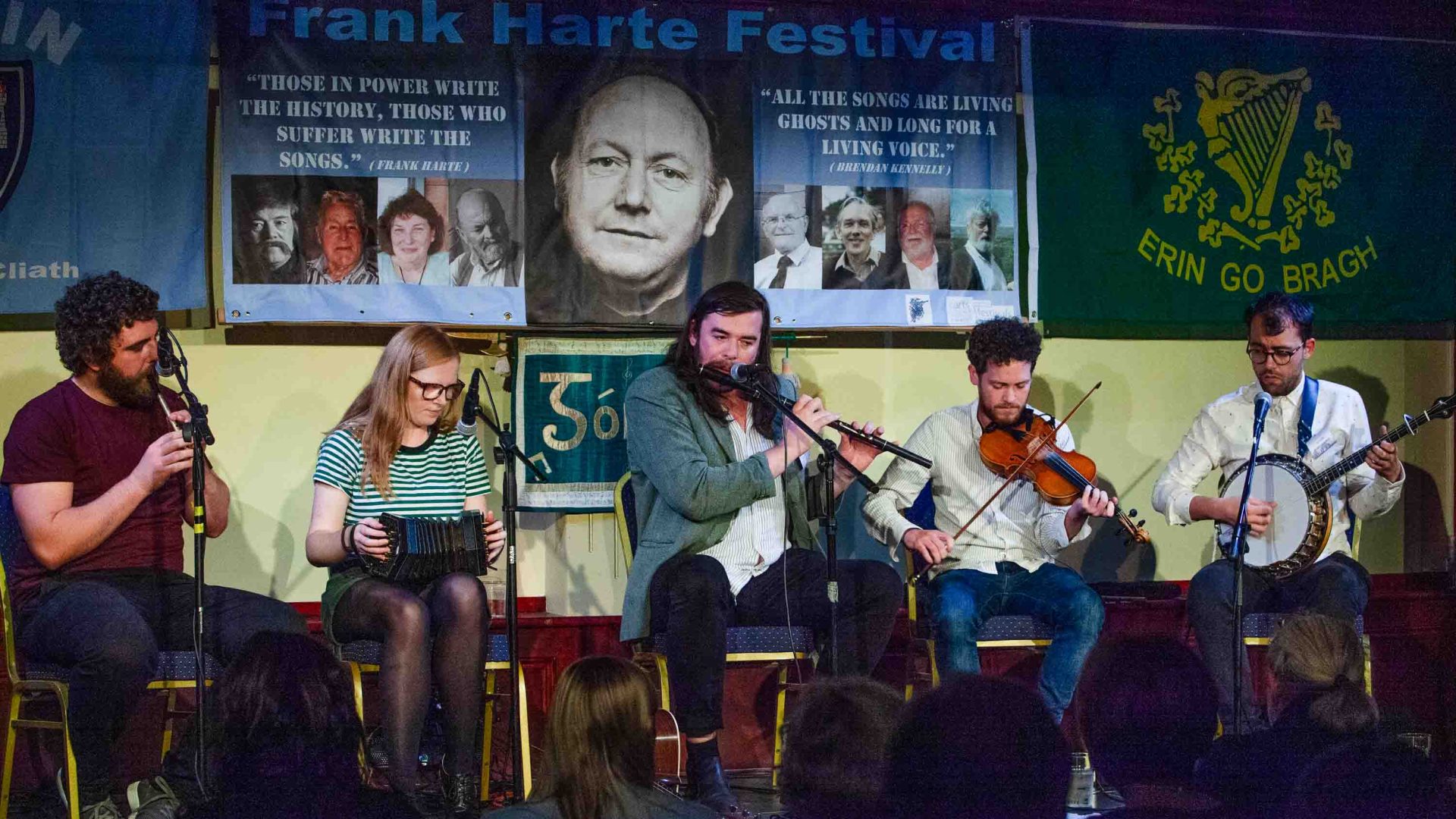
For Ó Ceannabháin, the power to effect change lies with ordinary people. He encourages individuals, both local and international, to engage actively. While tourists can support local culture by financially backing artists and venues, the most significant change, he believes, starts at home. "Depending on where you are, you probably have a lot of the same issues. Try to build up a network and a community to fight those things," he advises, advocating for localized, collective action. The fight for Dublin’s cultural spaces is not an isolated phenomenon but a microcosm of broader global struggles against gentrification and the commodification of urban life.
Back at The Cobblestone, the céilí whirls on, a testament to enduring spirit. "I don’t know what I’m doing!" this correspondent confessed amidst the lively chaos. "No-one does!" laughed musician Chris Marron, pulling hands into line for "Shoe the Donkey." It has been nearly five years since the community rallied to save this back room from demolition, yet the venue remains somewhat vulnerable, as Mulligan continues to rent from a private landlord. "I don’t know where it’s going to end up," Mulligan concedes, "but one thing that has always kept me going is optimism."
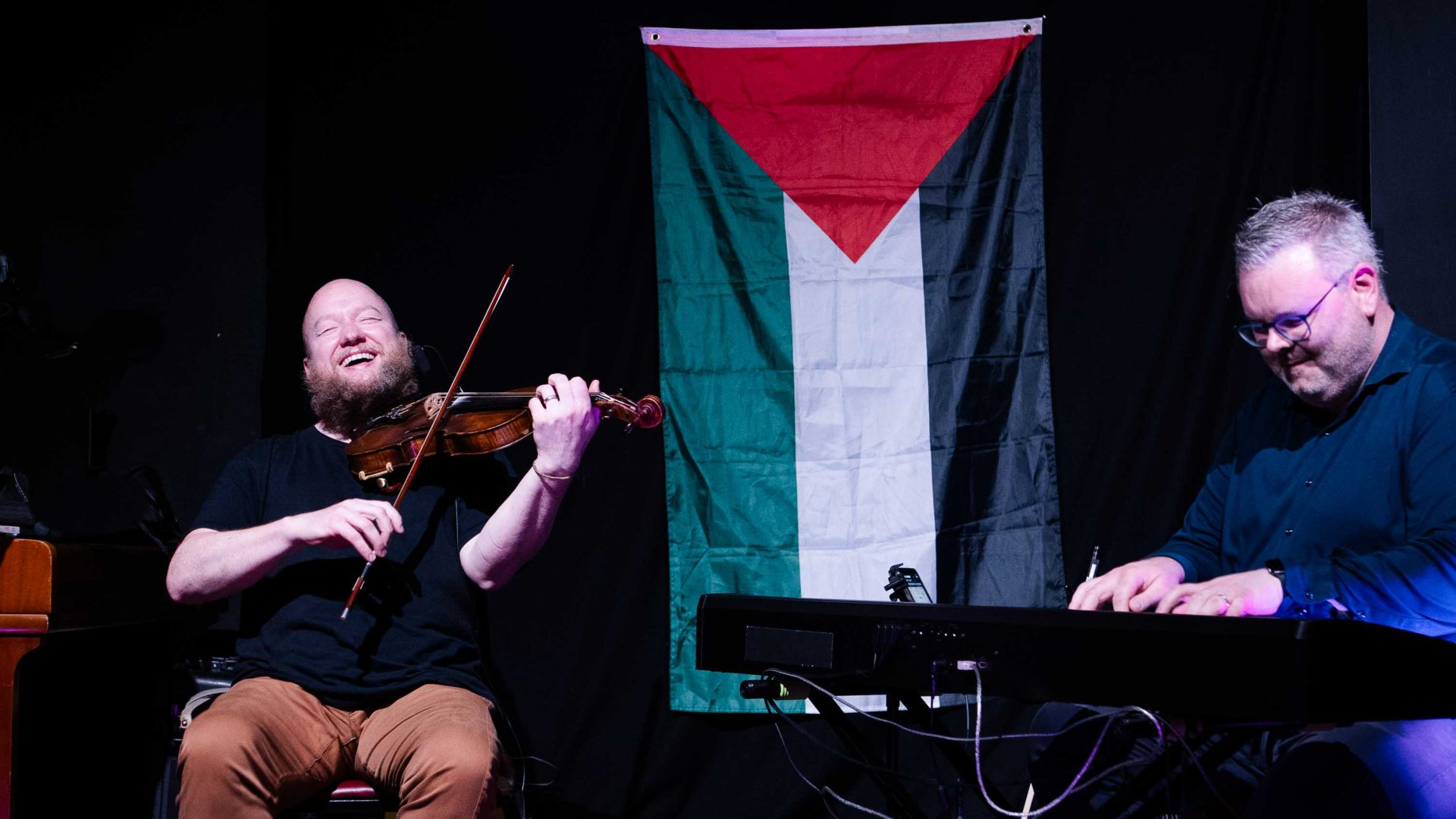
This optimism is a shared bedrock with Ó Ceannabháin. When questioned about giving up, his response is immediate and resolute: "I don’t think there’s any option to give up. The fact that people all over the world are making art and music and beautiful things under these difficult circumstances is a demonstration of what it is to be human. We have to fight for that, and fight for more space for it." The ongoing battle for Dublin’s cultural venues is more than a fight for bricks and mortar; it is a struggle for the city’s soul, for the fundamental human right to create, to connect, and to preserve the unique identity that makes Dublin an irreplaceable cultural beacon. The future of Dublin’s creative landscape hinges on the sustained vigilance and passionate advocacy of its artists, activists, and citizens, ensuring that its rich cultural legacy continues to thrive against the tide of rapid urban transformation.