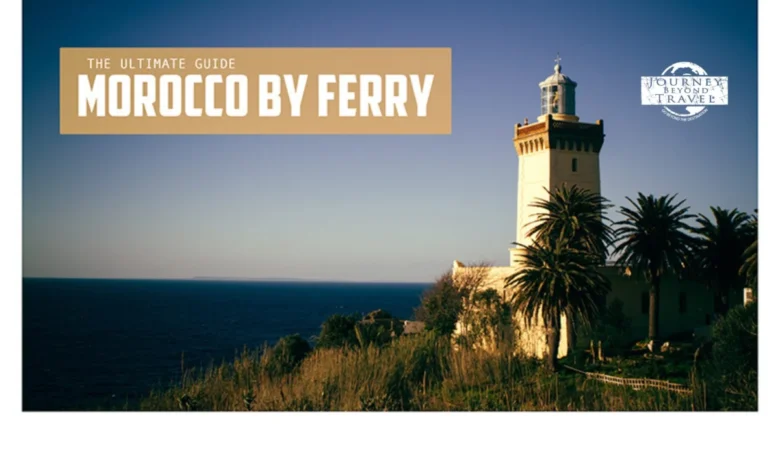
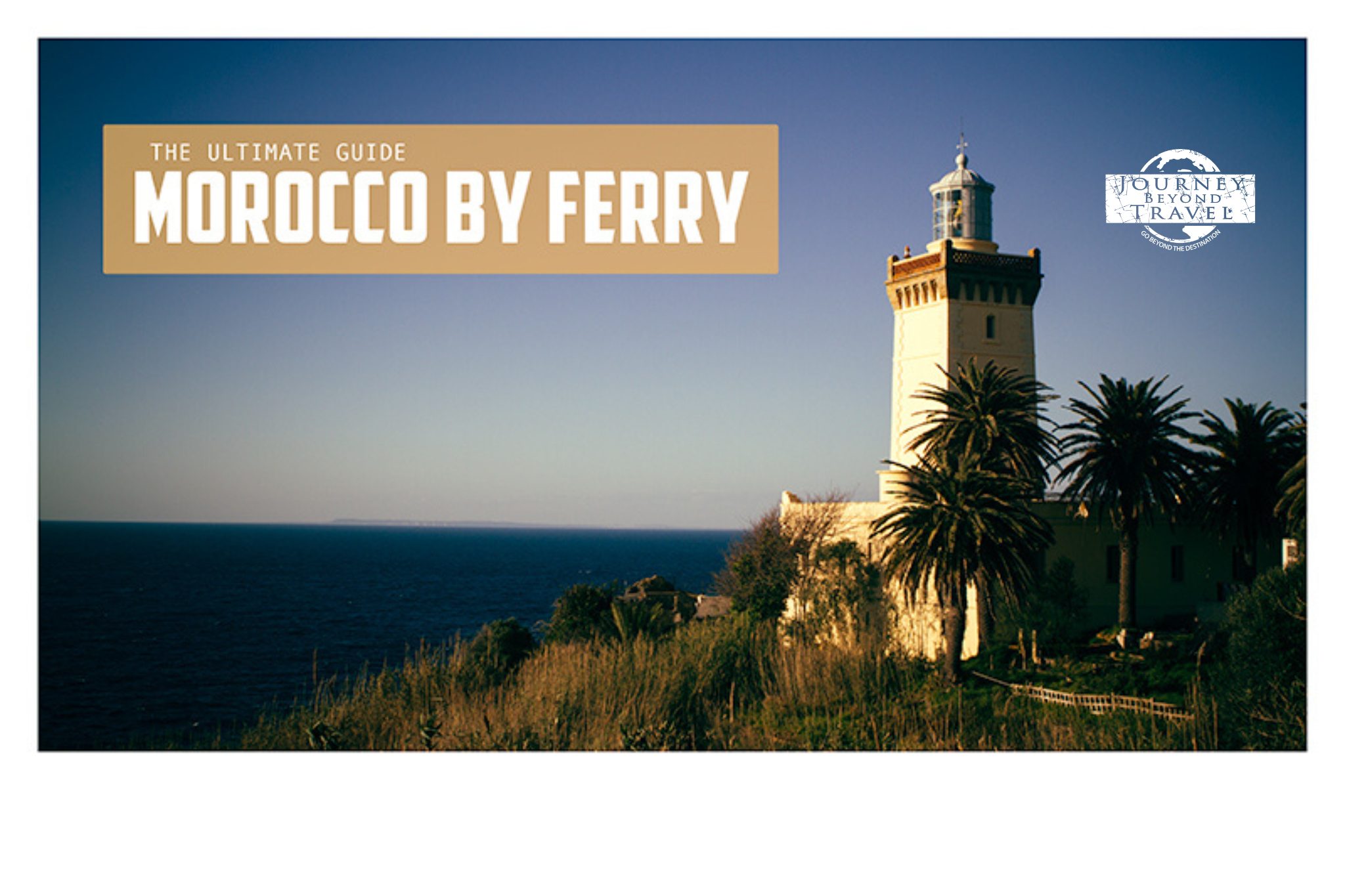
While numerous airlines offer direct flights into Morocco’s international airports, an increasingly popular and often more immersive method of entry is via ferry boat. This mode of transport not only caters to a different travel ethos but also presents several practical benefits, including significantly fewer baggage restrictions, the ability to transport personal vehicles for independent exploration, and the unparalleled opportunity to experience the dramatic crossing of the Strait of Gibraltar, a bustling maritime corridor connecting two continents. This comprehensive guide details the principal ferry routes, key Moroccan ports, and essential considerations for travelers opting for this distinctive journey.
Key Moroccan Ports and Onward Connectivity
Morocco’s northern coastline is dotted with port cities, serving as vital gateways from Europe. The primary disembarkation points for most international ferry services are Tangier, the modern commercial hub of Tangier Med (located approximately 30 kilometers east of Tangier city), and Nador, situated further east. Additionally, while not sovereign Moroccan territory, the Spanish enclaves of Ceuta and Melilla, strategically positioned on the North African coast, also function as crucial entry points, with numerous ferries arriving daily from mainland Spain.
Upon arrival, travelers can access a robust network of transportation options to commence their Moroccan adventure. From Tangier Ville, Tangier Med, or Ceuta, major urban centers and popular tourist destinations are readily accessible. By car, the historic city of Tetouan is approximately 1.5 hours away, while the picturesque blue-walled town of Chefchaouen, nestled in the Rif Mountains, can be reached in just over 2 hours. Morocco’s capital, Rabat, is less than a 3-hour drive. For longer excursions, major cities like Casablanca (4 hours), Fes (4.5 hours), and Meknes (4 hours) are well within reach. Travelers arriving in Nador or Melilla, located in the eastern region, will find slightly longer driving times to these central and western cities, but are ideally positioned for exploring the Rif and Oriental regions.
For those not bringing a vehicle, Morocco boasts an extensive and efficient intercity bus and train network. Major ferry terminals in Tangier (both Ville and Med) and Nador offer direct access to these public transport services. From Ceuta, taxis are readily available to transport passengers to nearby Tetouan or Tangier. Similarly, travelers disembarking in Melilla typically proceed to Nador to connect with onward Moroccan transportation. The national rail operator, ONCF, and major bus companies like CTM, provide reliable and comfortable services across the country, with schedules often synchronized with ferry arrivals, especially during peak seasons.
Main European Ferry Departure Hubs and Routes
Ferry services to Morocco operate daily from three European countries: Spain, France, and Italy, offering diverse options depending on a traveler’s starting point in Europe, desired Moroccan destination, and preferred travel duration. It is consistently advisable to book tickets in advance, particularly when traveling with a vehicle or during the shoulder seasons (September to May). During the bustling summer months, ferry frequencies increase significantly, offering more flexibility for last-minute bookings.
Spain: The Primary Gateway to Morocco
Spain, due to its geographical proximity, represents the most frequent and diverse ferry link to Morocco. Departures originate from key Spanish ports including Tarifa, Algeciras, Barcelona, Malaga, and Almeria. The choice of route often depends on whether travelers prioritize speed, direct city access, or vehicle transport.
Tarifa to Tangier Ville: This route is highly favored by foot passengers seeking direct access to Tangier’s city center. The crossing is the shortest, typically lasting just 1 hour, and disembarks passengers within walking distance of the historic medina. Following the retirement of FRS from this route in May 2025, Balearia and Africa Morocco Link (AML) have significantly bolstered their services, collectively offering 10-14 daily sailings. This route is ideal for those prioritizing speed and direct urban connectivity.
Algeciras to Tangier Med: For travelers transporting vehicles or prioritizing maximum departure frequency, the Algeciras-Tangier Med route is the optimal choice. This crossing takes approximately 1.5 hours. However, it is important to note that Tangier Med is a large commercial port located 30-45 minutes outside Tangier city, necessitating an additional transfer. Operators on this route include DFDS, Balearia, Naviera Armas, and AML, providing more than 15 daily crossings, highlighting its critical role in cross-strait traffic.
Algeciras to Ceuta: Serving the Spanish enclave, this 1-hour route offers 15-19 daily sailings by Balearia, DFDS, and Naviera Armas. While not directly Moroccan territory, Ceuta provides an efficient entry point, with easy taxi connections to Moroccan cities like Tetouan and Tangier.
Malaga to Melilla: This route connects Malaga to the other Spanish enclave, Melilla, with typically 1 daily sailing (7-10 weekly) by Balearia, taking approximately 6 hours. Similar to Ceuta, Melilla serves as a convenient entry point for exploring Morocco’s eastern regions.
Almeria to Nador: A direct link to Morocco’s eastern port, this route takes 6-9 hours and is serviced by Balearia and Naviera Armas, offering 7-14 weekly sailings. It is a strategic option for travelers aiming for the Oriental region of Morocco.
Barcelona to Tangier Med: For those beginning their journey further north in Spain, this longer route offers a more relaxed, overnight ferry experience. Taking 28-36 hours, Grandi Navi Veloci operates 2-5 weekly sailings, providing a comprehensive travel solution for passengers and vehicles.
| Route | Length of Trip | No. of Ferries | Ferry Companies | Average Price (€) |
|---|---|---|---|---|
| Tarifa-Tangier | 1h | 10–14 daily | Balearia, AML | 30–50 |
| Algeciras-Ceuta | 1h | 15–19 daily | Balearia, DFDS, Naviera Armas | 38–150 |
| Malaga-Melilla | 6h | 1 daily / 7–10 weekly | Balearia | 53–91 |
| Algeciras–Tangier Med | 1.5h | 15+ daily | DFDS, Balearia, Naviera Armas, AML | 40–150 |
| Almeria-Nador | 6h–9h | 7–14 weekly | Balearia, Naviera Armas | 70–90 |
| Barcelona-Tangier Med | 28h–36h | 2–5 weekly | Grandi Navi Veloci | from 90 |
France: Extended Mediterranean Journeys
For travelers originating from France, the port of Sete (near Marseille) serves as the main departure point. Grandi Navi Veloci operates routes from Sete to both Tangier Med and Nador. These journeys are considerably longer, ranging from 24 to 48 hours, offering a leisurely sea travel experience. In high season, up to 4 weekly departures are available, reducing to roughly one every four days off-season. These routes are well-suited for those who appreciate longer periods at sea and have the time for an extended journey, often utilizing cabin accommodations.
| Route | Length of Trip | No. of Ferries | Ferry Companies | Average Price (€) |
|---|---|---|---|---|
| Sete-Tangier Med | 35h–48h | up to 4 weekly | Grandi Navi Veloci | from 90 (up to 300+ for cabins) |
| Sete-Nador | 24h–29h | up to 4 weekly | Grandi Navi Veloci | from 90 |
Italy: Navigating the Mediterranean’s Full Expanse
Italy provides the longest ferry connections to Morocco, offering an immersive Mediterranean voyage spanning two to three days. Departures are primarily from Genoa, with a seasonal service also available from Civitavecchia (near Rome) during the summer months (June-August). Direct Livorno-Tangier services have reportedly been discontinued or significantly reduced, with Civitavecchia now filling the role of Italy’s seasonal link to Morocco. These extended journeys are ideal for travelers seeking a cruise-like experience and are generally undertaken with cabin bookings.
| Route | Length of Trip | No. of Ferries | Ferry Companies | Average Price (€) |
|---|---|---|---|---|
| Genoa-Tangier Med | 48h–54h | 2–3 weekly | Grandi Navi Veloci | from 89 (up to 500+ peak season) |
| Civitavecchia–Tangier Med | 53h–55h | 1 weekly, summer only (Jun–Aug) | Grandi Navi Veloci | from 110 |
The Strategic Significance of the Strait of Gibraltar Crossings
The Strait of Gibraltar is one of the world’s busiest shipping lanes, a narrow gateway where the Mediterranean Sea meets the Atlantic Ocean. Its strategic importance extends far beyond commercial shipping, serving as a critical artery for passenger and cargo transport between Europe and Africa. The ferry routes across the Strait, particularly those between Algeciras/Tarifa and Tangier/Ceuta, facilitate millions of passenger crossings and hundreds of thousands of vehicle movements annually. This intense traffic underscores the deep historical, economic, and cultural ties between Spain and Morocco, and by extension, Europe and Africa. The smooth operation of these routes is vital for tourism, trade, and the annual "Operation Crossing the Strait" (OPE), a logistical marvel that manages the mass migration of Moroccan diaspora from Europe to their home country during summer holidays.
Seasonal Dynamics and Operational Considerations
Ferry services to Morocco exhibit distinct seasonal variations. The summer months (June to August) represent peak season, characterized by increased frequencies, higher demand, and often elevated prices. This period coincides with school holidays in Europe and the aforementioned OPE, where Moroccan expatriates return home. During this time, ports can experience significant congestion, and booking well in advance becomes critical, especially for vehicle transport. Conversely, the off-season (September to May) sees reduced frequencies but generally lower prices and less crowded conditions.
Operational efficiency is a constant focus for ferry companies and port authorities. Investments in port infrastructure, such as expanded check-in facilities and modernized docking procedures, aim to enhance passenger experience and reduce delays. However, external factors like adverse weather conditions (particularly strong winds in the Strait) or unforeseen technical issues can occasionally lead to schedule disruptions. Travelers are advised to remain updated on their ferry’s status, especially during periods of inclement weather.
Onboard Experience and Practical Considerations
The comfort of transporting a personal car, bypassing typical airline baggage restrictions, and enjoying panoramic sea views are significant advantages of ferry travel. Many modern ferries are equipped with a range of amenities, including restaurants, cafes, duty-free shops, and comfortable seating areas, with longer routes often offering cabins for overnight stays. For families, children’s play areas are sometimes available.
However, the experience can vary. While short crossings like Tarifa-Tangier are often quick and efficient, longer journeys from France and Italy can involve many hours, or even days, at sea. The quality of onboard amenities can differ between operators and vessel types. Furthermore, despite scheduled departure and arrival times, ferries are not always perfectly punctual, which can pose a challenge for travelers with tight onward connection schedules. Prices, particularly for vehicle transport and during peak season, can also escalate, sometimes making air travel a more budget-friendly option for foot passengers.
Ultimately, the choice hinges on individual travel preferences. For those prioritizing a self-driven road trip in Morocco and seeking maximum flexibility, the shorter Spanish routes (Tarifa for direct city access, Algeciras for vehicle frequency) are ideal. Sea enthusiasts and those with more time to spare may find the longer, more leisurely voyages from Barcelona, France, and Italy to be an integral part of their travel adventure.
Economic and Tourism Impact
Ferry travel plays a crucial role in Morocco’s economy and tourism sector. The ease of bringing vehicles facilitates independent road trips, allowing tourists to explore remote areas and contribute to local economies beyond the major cities. The influx of Moroccan diaspora during summer months, predominantly via ferry, represents a significant economic injection through remittances and local spending. Port cities like Tangier and Nador benefit directly from port fees, ancillary services, and increased local commerce driven by passenger traffic. The ferry links also serve as vital conduits for trade, transporting goods between Europe and North Africa, thereby bolstering bilateral economic relationships.
Future Outlook and Infrastructure Developments
The future of ferry travel to Morocco is characterized by ongoing efforts to enhance efficiency, sustainability, and passenger comfort. Port authorities and ferry operators are exploring advancements in vessel technology, including more fuel-efficient engines and potentially hybrid or electric ferries, to reduce environmental impact. Digitalization of booking and check-in processes is also a continuous focus, aiming to streamline operations and improve the overall traveler experience. There is also a continuous assessment of existing routes and potential new connections to cater to evolving travel demands and strengthen connectivity.
Traveler’s Guide: Essential Information
To ensure a smooth ferry journey to Morocco, keep the following practical advice in mind:
Visa Requirements: Most Western travelers, including citizens from the US, UK, and EU, do not require a visa for stays in Morocco under 90 days, irrespective of whether they arrive by air or sea. However, it is imperative to verify specific visa requirements based on your nationality prior to booking, as regulations can change.
Bringing a Car: Most ferry operators on these routes accommodate vehicles. Essential documents typically include your vehicle registration, valid international insurance (often green card insurance), and a valid driving license. It is advisable to have physical copies of all documents readily accessible.
Port Choice: Tangier Ville vs. Tangier Med:
- Tangier Ville: Ideal for foot passengers, offering immediate access to Tangier city center and its medina.
- Tangier Med: Better suited for drivers due to its large capacity and high frequency of vehicle departures. Be prepared for a 30-45 minute transfer to Tangier city.
Arrival Time at Port: Most operators recommend arriving 1-2 hours before scheduled departure. If traveling with a vehicle, especially during peak summer months, it is prudent to allow more time (2-3 hours) due to potential congestion and vehicle processing procedures.
Onboard Facilities: While amenities vary, expect basic services such as cafeterias, seating areas, and restrooms. Longer routes will offer more extensive facilities, including restaurants, shops, and various cabin options. It’s wise to pack any personal entertainment or snacks for the journey.
Disclaimer: Route information and prices are accurate as of June 2026 based on available public data and industry trends. Travelers are strongly advised to double-check all details directly with specific ferry providers before departure, as schedules, operators, and pricing can fluctuate significantly based on season, demand, and operational changes.