Exploring the Isles of Scilly: A Comprehensive Guide to Britain’s Subtropical Archipelago

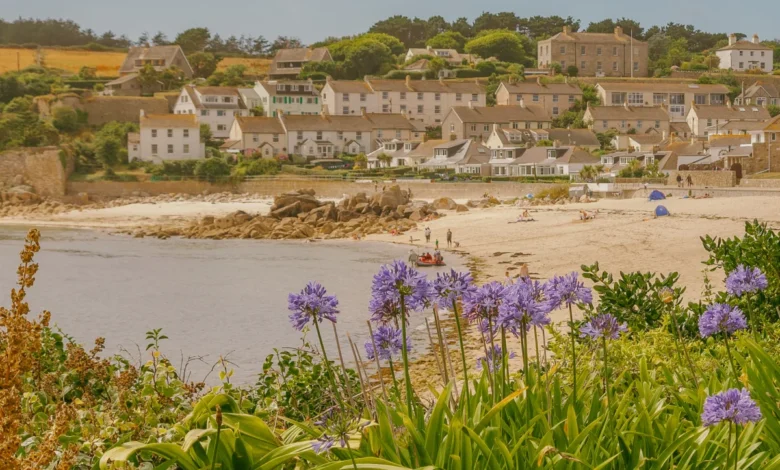
Perched approximately 30 miles off the dramatic coast of Cornwall, the Isles of Scilly form a breathtaking archipelago renowned for its unparalleled natural beauty and distinctive subtropical climate. This cluster of around 140 islands, only five of which are inhabited – St. Mary’s, Tresco, St. Martin’s, St. Agnes, and Bryher – offers a tranquil escape that feels a world away from mainland Britain. The unique microclimate, nurtured by the warming influence of the Gulf Stream and Atlantic Drift, allows exotic flora to flourish, lending the islands an almost Mediterranean allure. Recognized as an Area of Outstanding Natural Beauty (AONB) since 1975, the Isles of Scilly are a testament to pristine landscapes, rich history, and a vibrant island community that prides itself on sustainable living and welcoming visitors.

Navigating to the Isles: Your Gateway to Paradise
Reaching this idyllic destination is part of the adventure, with two primary modes of transport connecting the islands to mainland Cornwall. The most convenient and often preferred method for many travelers is by air via SkyBus flights. These services operate from Exeter, Land’s End, and Newquay airports, landing at St. Mary’s Island, the largest and most commercially active of the inhabited islands. The flights offer spectacular aerial views of the Cornish coastline and the scattered Scillonian islands below. A notable feature of SkyBus is its dog-friendly policy, allowing furry companions to join their owners on this unique journey. It is advisable to book these flights well in advance, especially during peak summer months, due to limited capacity and high demand.

Alternatively, for those already at the western tip of Cornwall or preferring a sea voyage, the Scillonian III Ferry departs from Penzance. The crossing typically takes between 2.5 to 3 hours, subject to sea conditions. While the ferry provides a more leisurely pace and an opportunity to spot marine wildlife, passengers are often advised that the journey can be choppy on windy days, particularly across Mount’s Bay. Both options serve as crucial links, bringing visitors to St. Mary’s, from where inter-island boat services, often referred to as "tripper boats" or "water taxis," facilitate exploration of the other islands. These boat schedules are tidal and seasonal, necessitating a flexible approach to island hopping.

St. Mary’s: The Vibrant Hub
St. Mary’s stands as the bustling heart of the Isles of Scilly, hosting the main airport, ferry port, and the archipelago’s largest settlement, Hugh Town. Despite its central role, Hugh Town retains a charming, small-town feel, distinct from any mainland commercial center. Visitors to St. Mary’s will find ample opportunities to explore, from its historic fortifications to its pristine beaches.

A popular way to traverse the island is by renting a golf buggy from local providers like Scilly Carts. This allows for independent exploration of the island’s winding country lanes and hidden gems. As you journey, a visit to St. Mary’s Garrison Walls is highly recommended. Maintained by English Heritage, these 16th-century fortifications offer a fascinating glimpse into the islands’ strategic past, particularly during the English Civil War. The circular walk around the Garrison takes approximately 25 minutes, offering panoramic views of the surrounding islands and sea. Entry is free, making it an accessible historical landmark.

For relaxation, Porthcressa Beach, situated right on the shores of Hugh Town, is a sandy paradise with shallow, inviting waters perfect for a refreshing dip on a warm day. Its accessibility makes it a convenient spot for families and casual beachgoers. Nearby amenities include eateries such as Dibble and Grub, known for its delightful cocktails and delicious sandwiches, offering a perfect respite after a swim.

Further exploration of St. Mary’s reveals more historical and natural wonders. Peninnis Head, crowned by the striking Peninnis Lighthouse, offers dramatic coastal walks, especially captivating at sunset. The area is characterized by unusual rock formations and expansive sea views. Other sites of interest include The Chair, the ancient burial chambers at Porth Hellick, and the Down Burial Chamber, all of which provide insights into the island’s prehistoric inhabitants. For dining, Juliet’s Garden is celebrated for its exquisite seafood, particularly its scallops, served in a lovely ambiance.

St. Agnes & Gugh: Southern Serenity and Ancient Stones
As the southernmost inhabited island in the Isles of Scilly, St. Agnes offers a truly charming day trip. Easily accessible by water taxi from other islands, visitors should always check the fluctuating boat schedules, which are dependent on tidal differences and seasonality. Upon docking at Porth Conger Quay, the island invites leisurely strolls through its stunning landscapes.

A culinary highlight on St. Agnes is the Turk’s Head, proudly holding the title of the most southerly pub in the British Isles. This traditional establishment boasts an incredible view from its beer garden and decked area, serving hearty meals and local brews – a perfect spot for lunch. Following a meal, a wander through the small settlement reveals quaint shops and the picturesque Post Office, where visitors can purchase local souvenirs or simply enjoy the tranquil pace of island life. The Coastguards Lookout offers a cute cafe for a quick cuppa, while the St. Agnes Lighthouse and St. Agnes Church are notable landmarks along New Lane.

A unique feature of St. Agnes is its connection to Gugh Island by a sandy bar, or tombolo, which is exposed at low tide. This allows visitors to walk across to Gugh with ease. Gugh is largely unpopulated, save for a single farm, offering an even deeper sense of peace and unspoiled nature. The island can be circumnavigated on foot in under an hour, revealing its serene beauty. A significant archaeological site here is the Old Man of Gugh, a Bronze Age menhir (standing stone) that has stood proudly for thousands of years, a silent sentinel overlooking the sea. Its presence underscores the deep human history of these islands, dating back to approximately 2,500 BC.

St. Martin’s: Beaches, Vineyards, and Island Flavours
St. Martin’s presents a more low-key and less bustling alternative to St. Mary’s, though it sacrifices none of the archipelago’s inherent charm. Ferry boats typically dock at Higher Town, from where visitors can embark on a leisurely exploration of the island.

Higher Town Bay is a particularly accessible and inviting beach, ideal for swimming and enjoying the clear waters. A culinary must-try on St. Martin’s is Adam’s famous fish and chips, renowned for its freshly fried fish and generous lashings of vinegar – a true taste of traditional British seaside fare.

Adding a unique dimension to the island’s appeal is the St. Martin’s Vineyard and Winery. This unexpected gem offers tours and tastings, showcasing the surprising capability of the Scillonian climate to produce quality wines. It’s a testament to the islands’ agricultural diversity and a delightful stop for wine enthusiasts.

For beach lovers, Great Bay Beach is often cited as a favorite, celebrated for its expansive white sands and pristine waters. Here, visitors can rent a kayak from St. Martin’s Watersports to explore the shallow shoreline at their own pace. Concluding a day of exploration, The Seven Stones Inn provides a quintessential English pub experience, serving local Cornish brews and what many claim are the best Cornish pasties on the island, all within a warm, welcoming atmosphere.

Tresco: A Horticultural Masterpiece and Historic Fortifications
Tresco Island is perhaps most famous for its extraordinary Tresco Abbey Garden, a horticultural marvel that vividly demonstrates the benefits of the Gulf Stream’s influence. Within its sheltered walls, a stunning collection of over 20,000 exotic plants from 80 countries flourishes, including species from the Mediterranean, South Africa, and Australia. The garden also houses "Valhalla," a unique collection of figureheads from shipwrecks, adding a maritime historical layer to its botanical wonders. The vision of Augustus Smith, who leased the islands in 1834, transformed this landscape into a world-class garden. A small entry fee provides access to this peaceful sanctuary, where visitors can easily spend several hours meandering through its diverse sections.

Beyond the gardens, Tresco’s history is etched into its defensive structures. Cromwell’s Castle and the ruins of King Charles’ Castle stand on opposite sides of the island, remnants of a tumultuous past. Cromwell’s Castle, built during the English Civil War, was a key strategic fortification, while King Charles’ Castle represents an earlier defensive effort. Although largely in ruins, these sites offer evocative coastal walks and insights into the islands’ historical importance.

The charming village of New Grimsby is home to The New Inn, a quintessential English pub celebrated for its excellent food, making it a popular dining spot for both residents and visitors. The nearby New Grimsby Quay is also ideal for a leisurely stroll.

A distinctive aspect of Tresco, and indeed many of the Isles of Scilly, are the ubiquitous honesty boxes. These roadside stalls, operating on trust, offer everything from freshly laid eggs and homemade jams to local crafts and artwork. They symbolize the close-knit, trusting community spirit that defines life on the islands. Visitors can enjoy cycling around Tresco, with bike rentals readily available, providing a pleasant way to explore its varied landscapes.

Bryher: Rugged Coastlines and Artistic Inspiration
Located just off the coast of Tresco, Bryher is consistently praised as one of the most charming islands in the archipelago. Its compact size makes it entirely walkable, offering a deep sense of peace and rugged natural beauty. Most boat transfers arrive at Church Quay, from which the island’s attractions are easily accessible.

Bryher’s dramatic coastline is a highlight, inviting visitors to follow its paths and discover hidden coves. The island is also home to Richard Pearce’s Artist Studio, where visitors can admire and purchase beautiful paintings inspired by the island’s unique light and landscapes, showcasing the vibrant local art scene.

A visit to Fraggle Rock is a must, a landmark that also lends its name to the popular Harbour View and Fraggle Rock bar and cafe. This establishment offers a great spot for lunch, especially appealing with its glorious beer garden perfect for warm summer days. Bryher’s western side, particularly Hell Bay, is known for its wilder, more exposed character, offering dramatic views of the Atlantic waves.

The island’s commitment to community and trust is also evident in its honesty boxes, offering local produce and crafts, mirroring the tradition found on Tresco. Bryher provides a perfect blend of natural splendor, artistic endeavor, and a welcoming community spirit.

Teän Island: An Untouched Wilderness
For those seeking true solitude and unspoiled nature, Teän Island, located near St. Martin’s, is an unpopulated gem. It offers a quieter experience, even by Scillonian standards, making it an ideal destination for escaping the modest bustle of the main islands.

The primary draw of Teän is its exquisite, untouched beaches. These pristine stretches of sand are perfect for swimming, sunbathing, and quiet contemplation. However, visitors planning a trip to Teän must be entirely self-sufficient, as there are no shops, cafes, or facilities on the island. Bringing ample water, food, and sun protection is essential. A hike up Great Hill rewards adventurers with panoramic views across the wider archipelago, offering a unique perspective of the scattered islands. Teän is also a haven for wildlife, with opportunities for birdwatching and spotting seals in its surrounding waters.

Broader Impact and Implications
The Isles of Scilly represent a delicate balance between welcoming tourism and preserving their unique environment and heritage. The AONB status, coupled with conservation efforts by organizations like the Isles of Scilly Wildlife Trust, highlights the commitment to protecting its rare flora and fauna, including seabirds and marine life. The reliance on sustainable practices, visible in the local honesty boxes and community-run services, fosters a deep connection between visitors and the islands’ way of life.

The islands’ growing popularity as a "staycation" destination, particularly since global travel shifts, underscores the need for careful management of visitor numbers and infrastructure development. The challenges include maintaining reliable transport links, managing waste effectively, and ensuring that tourism benefits local residents without compromising the fragile ecosystem. The Isles of Scilly serve as a compelling model for how small island communities can thrive by embracing their unique identity while navigating the complexities of modern tourism and environmental stewardship. Their enduring appeal lies not just in their beauty, but in the promise of a simpler, more connected experience with nature and history.