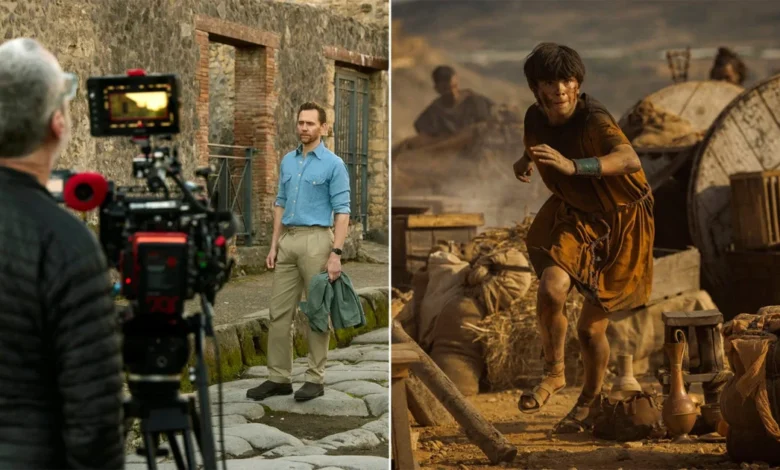
National Geographic’s ambitious new three-part docudrama series, Pompeii: Out of Time, ventures beyond typical historical documentaries by masterfully weaving together cinematic reenactments, the engaging narrative of acclaimed actor Tom Hiddleston, and a deep-seated passion for uncovering the past. The series meticulously reconstructs the final, cataclysmic hours of Pompeii before its utter devastation by the catastrophic eruption of Mount Vesuvius in 79 A.D. This groundbreaking production aims to immerse viewers in the ancient world, offering a vivid and emotionally resonant exploration of a civilization frozen in time.
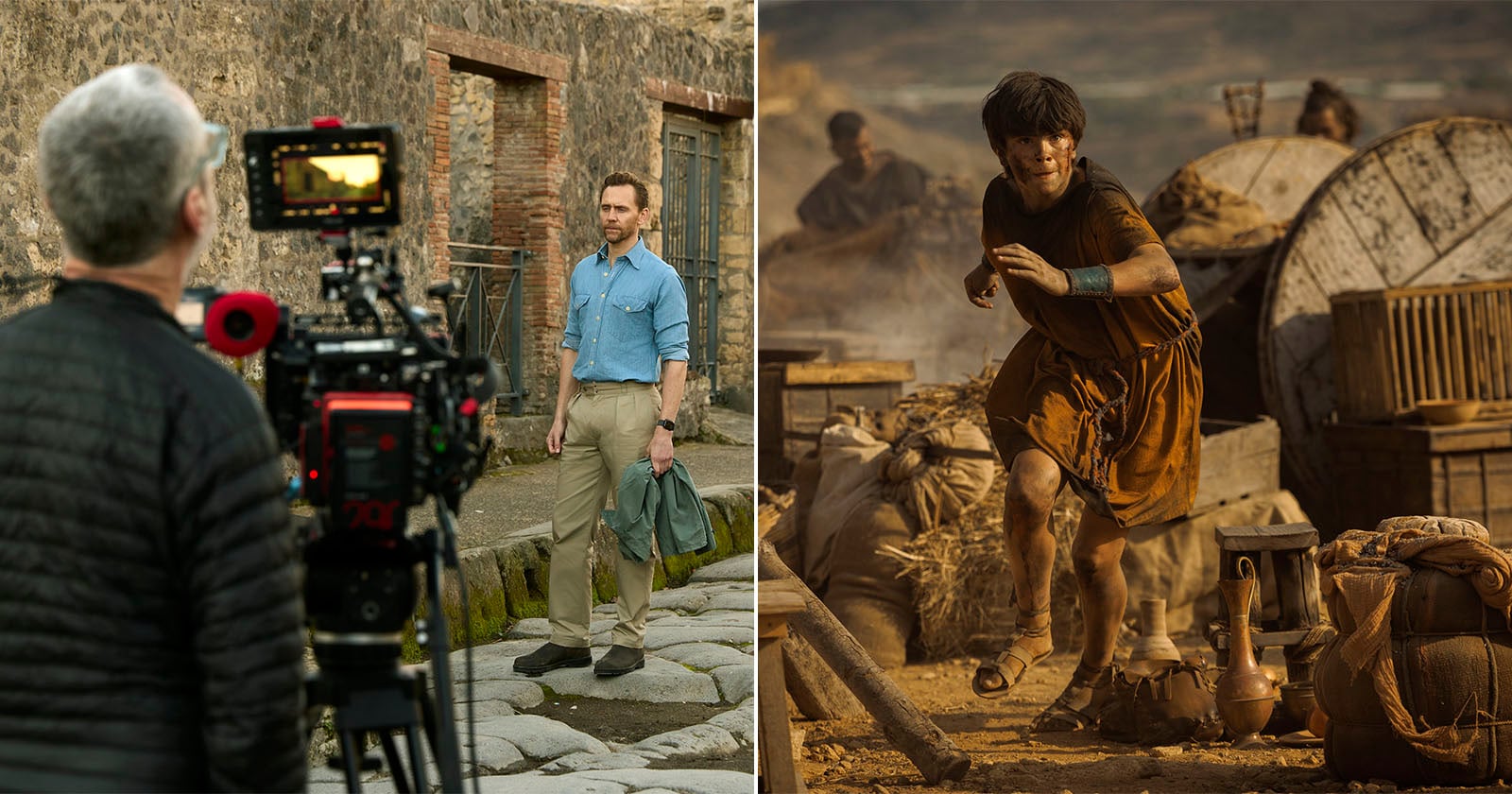
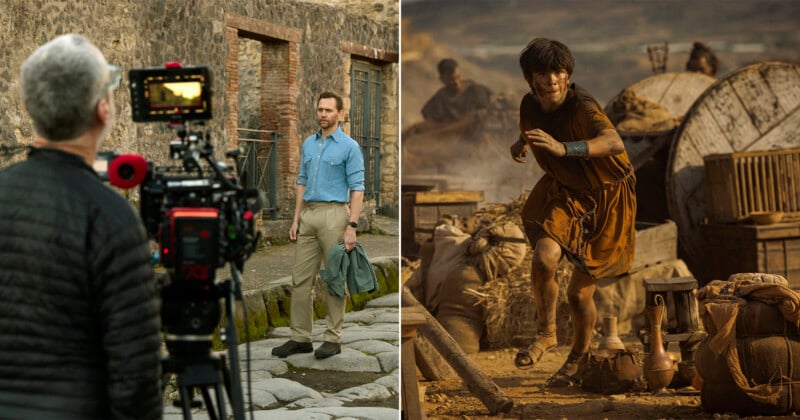
The enduring allure of Pompeii is undeniable. For nearly two millennia, this Roman city, tragically preserved under layers of volcanic ash and pumice, has captivated the human imagination. Today, it stands as a UNESCO World Heritage Site, drawing an estimated 2.5 million visitors annually. These travelers walk among the remarkably intact ruins, seeking to connect with the lives of those who perished, gaining unparalleled insight into Roman urban life, architecture, and daily routines. The site’s unique status as a snapshot of a moment in history continues to fuel scholarly research and public fascination, making it a subject ripe for innovative storytelling.
A Personal Connection to Vesuvius
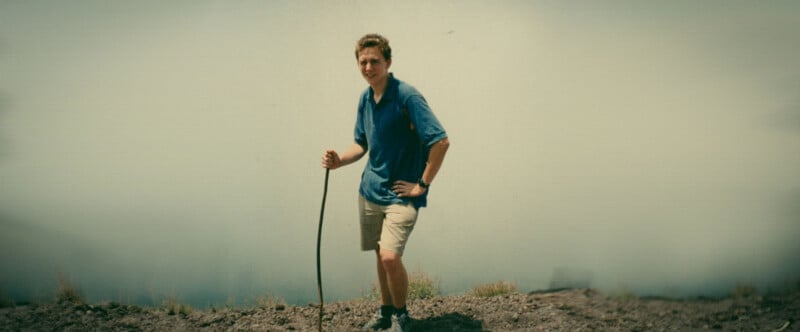
Adding a layer of personal resonance to the series is its host and executive producer, Tom Hiddleston. Far from merely being a celebrity figurehead, Hiddleston possesses a genuine and long-standing connection to the story of Pompeii. As cinematographer Jim Jolliffe revealed in an interview, Hiddleston’s fascination with the ancient world began long before his ascent to Hollywood stardom. An archive photograph shows a 17-year-old Hiddleston standing atop Mount Vesuvius in 1998, a trip he took with friends that also included visits to Pompeii and Herculaneum. This early exposure to the historical site clearly ignited a passion that has now culminated in his leading role in this documentary endeavor. Hiddleston’s expertise extends beyond his personal interest; Jolliffe notes his remarkable ability to put interviewees at ease, a crucial skill when engaging with archaeologists, historians, and academics who are often more accustomed to the quiet halls of academia than the glare of a television camera.
Cinematic Storytelling Meets Historical Rigor
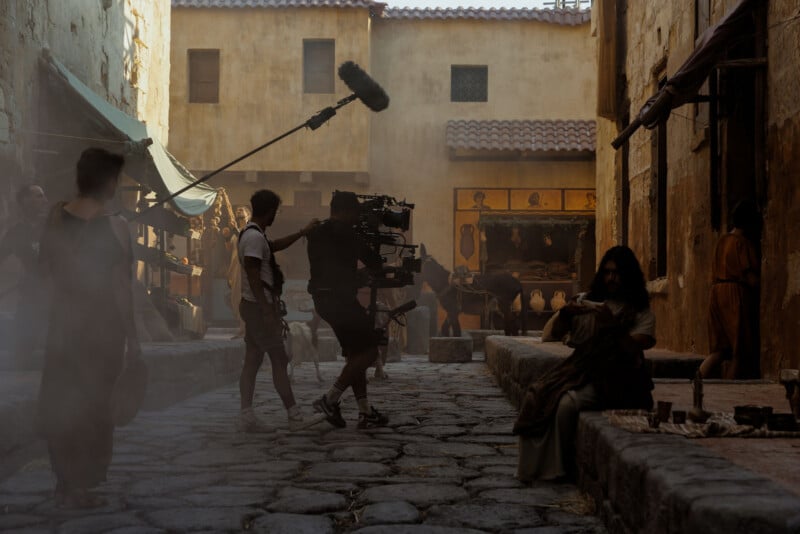
Pompeii: Out of Time distinguishes itself by its sophisticated approach, which eschews the often simplistic reenactments found in many historical programs. Instead, the series employs a cinematic style, treating its dramatic segments with the gravitas and visual artistry typically reserved for feature films. This elevated aesthetic was a deliberate choice made by Jolliffe and director Tom Barbor-Might.
“The first thing we thought was that we both wanted to shoot on anamorphic lenses,” Jolliffe explained. “We thought, first, it’s obviously great for the drama, and second, it would be a great way to visually tie the drama-world into the present-day with Tom and his interviews and stuff.”
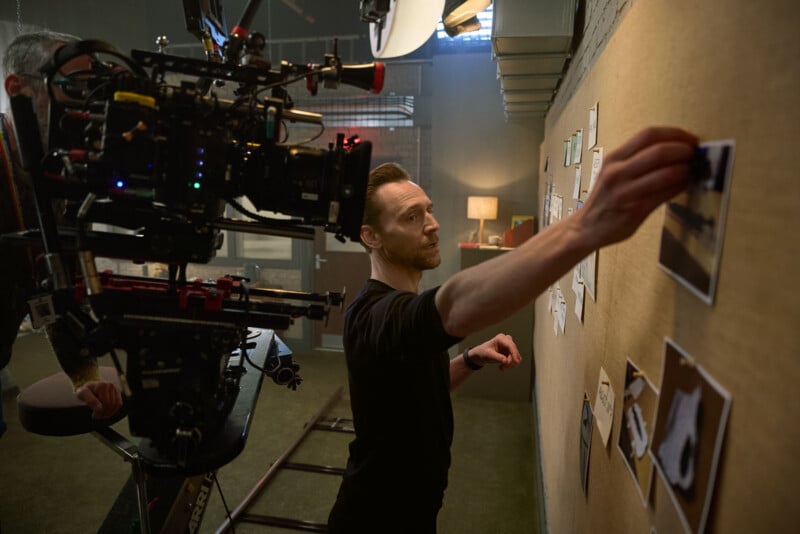
The use of anamorphic lenses imbues the entire production with a widescreen, cinematic feel, creating a visual continuity that bridges the ancient and modern timelines. This deliberate choice helps to unify the series, ensuring that the historical reenactments and Hiddleston’s present-day explorations feel intrinsically connected, rather than disparate elements. The distinctive look provided by these lenses contributes significantly to the immersive quality of the series, making the drama feel palpable and the historical context more immediate.
A Visual Narrative of Destruction
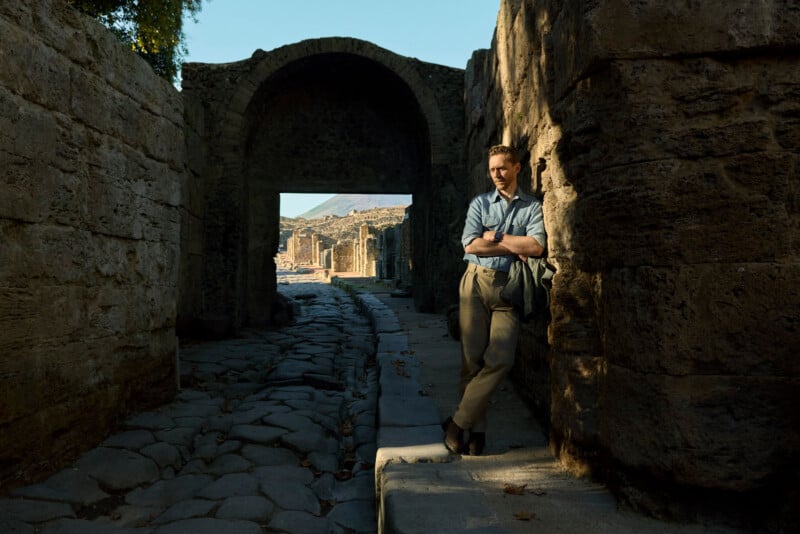
The cinematography of Pompeii: Out of Time is meticulously crafted to reflect the unfolding tragedy. Jolliffe and his team paid close attention to the visual progression of the narrative, employing distinct palettes and shooting styles to demarcate the different stages of the eruption.
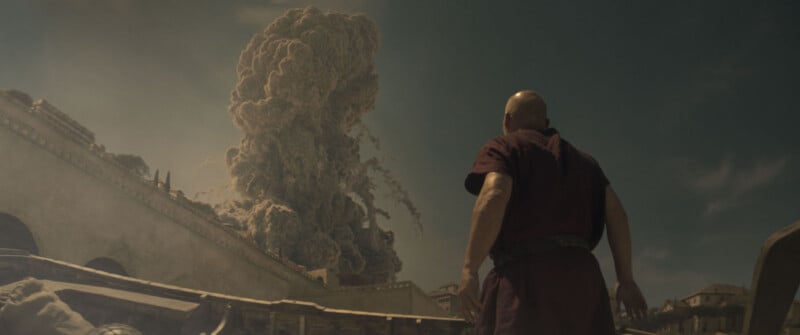
Pre-eruption sequences are bathed in a warmer, more inviting light, mirroring the vibrant life of the city before its doom. This warmth carries over into the present-day interview segments with Hiddleston, fostering a sense of connection and accessibility. As the narrative transitions to the eruption itself, the visual tone shifts dramatically. Cooler colors and a more turbulent aesthetic take over, reflecting the chaos, destruction, and the suffocating blanket of ash that descended upon Pompeii and its neighboring towns.
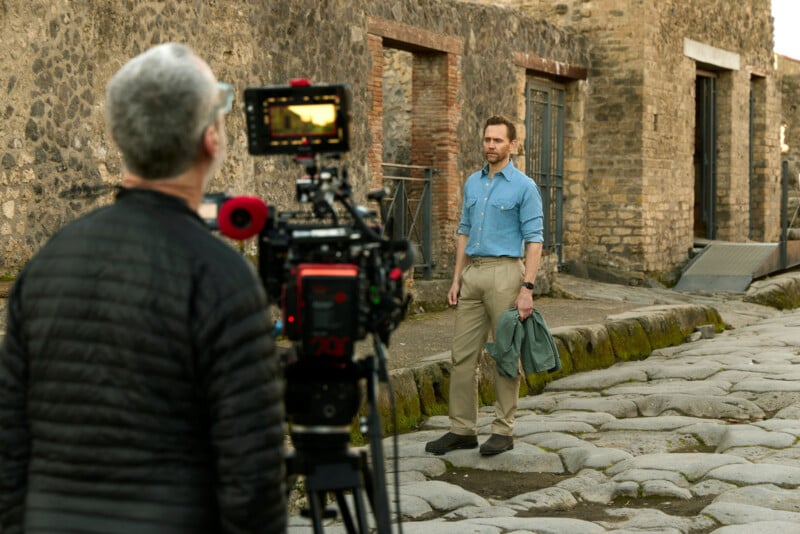
“The lenses do a very good job giving it a distinct look across both timelines,” Jolliffe commented on the effectiveness of the anamorphic format in unifying the series’ visual language. The careful attention to color grading and visual storytelling ensures that the audience experiences the emotional arc of the event, from the placid routines of daily life to the terrifying final moments.
The Technical Craft Behind the Immersion
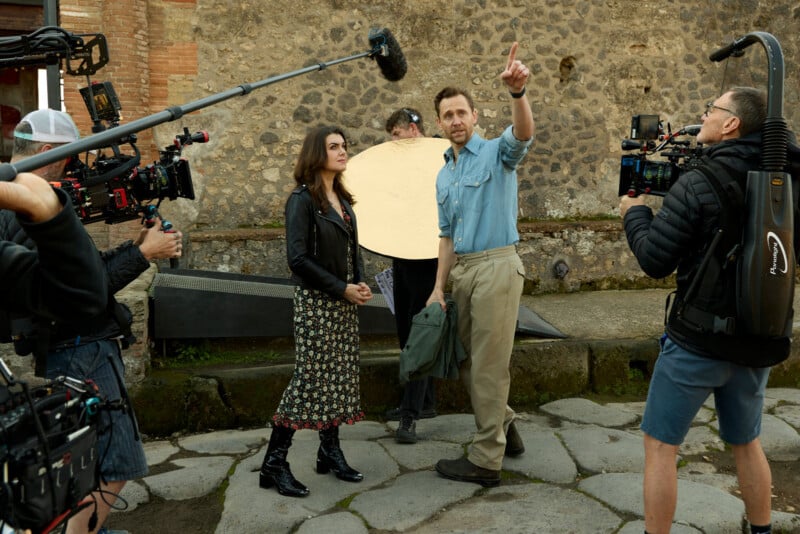
The series’ visual sophistication is further enhanced by the choice of equipment and techniques. Jolliffe opted for Caldwell Chameleon 1.79x anamorphic prime lenses, known for their exceptional optical quality and ability to adapt to various sensor sizes. He paired these with the Arri Alexa 35, a high-end cinema camera renowned for its impressive dynamic range and color rendition.
“They flare beautifully, but because of the nature of this job, there weren’t many lights on the edge of the frame,” Jolliffe noted with a laugh, alluding to the challenges of filming in ancient sites.
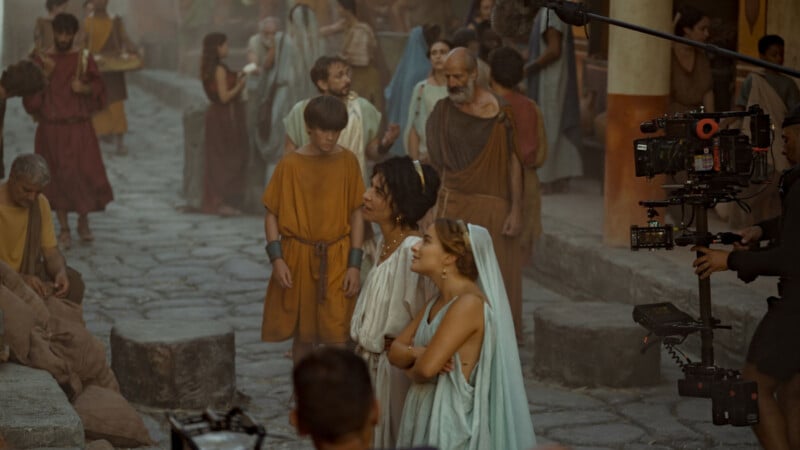
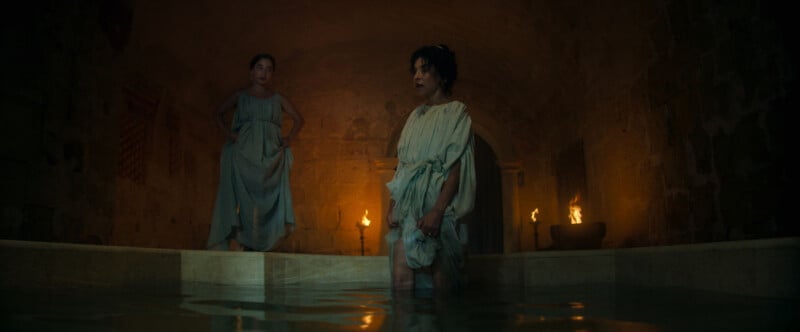
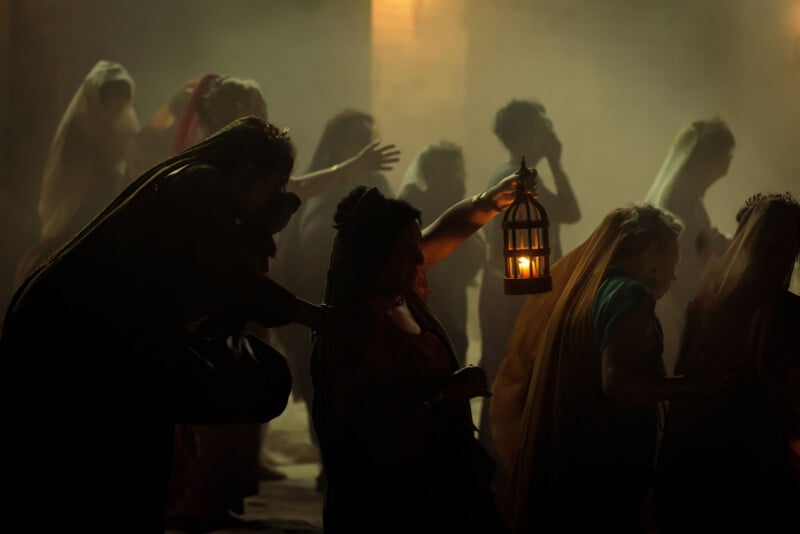
Indeed, lighting played a critical role in shaping the series’ atmosphere. For the historical reenactment segments, the crew deliberately employed minimal artificial lighting, relying heavily on practical sources like torches and candles to recreate the ambient conditions of ancient Roman homes and streets. This approach not only enhances the historical authenticity but also creates a more intimate and dramatic feel.
Navigating the Ruins: A Small Crew’s Agility
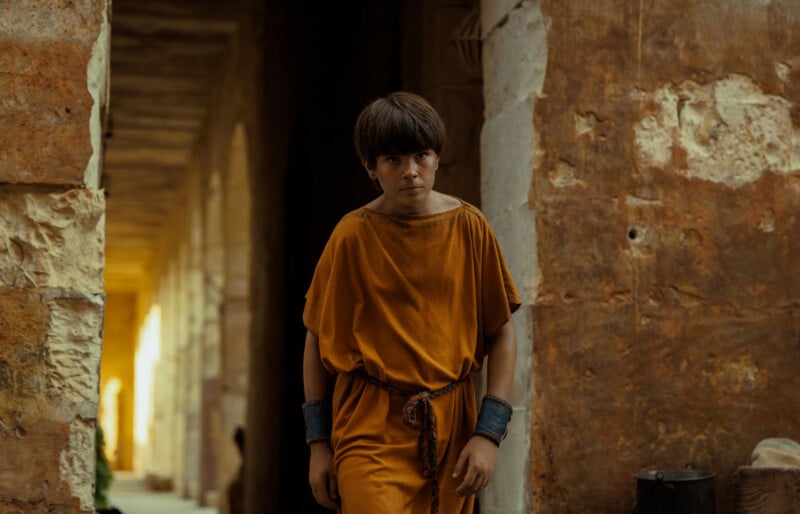
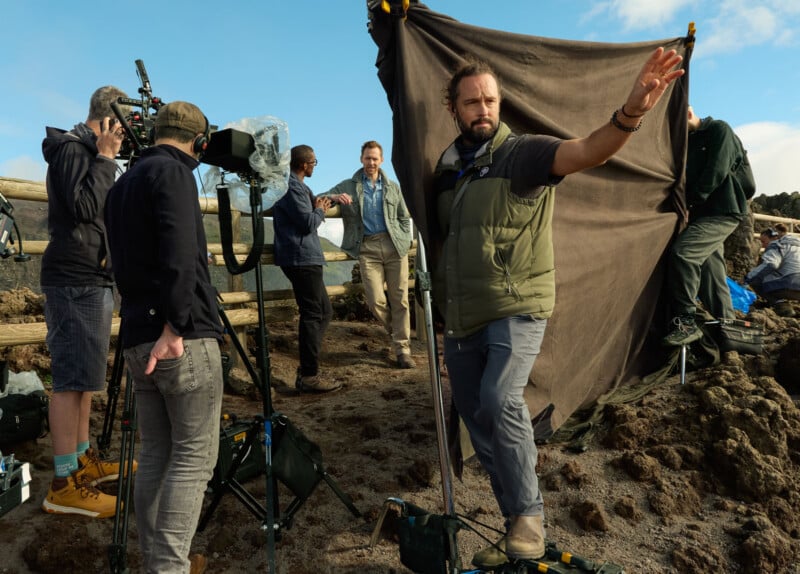
Filming within the delicate archaeological site of Pompeii presented unique logistical hurdles. The crew had to be exceptionally lean and agile, often consisting of just Jolliffe, an audio technician, director Tom Barbor-Might, and Tom Hiddleston. This constraint meant that large lighting setups were often impractical.
“In Pompeii specifically, the crew had to be extremely small, often including just Jolliffe, an audio technician, the director, Barbor-Might, and Tom Hiddleston. They couldn’t bring in lights, so they had to work around natural lighting conditions, using bounce and diffusion to make everything look good,” Jolliffe explained.
This necessity of working with natural light, supplemented by bounce boards and diffusion, became a defining characteristic of the series’ visual style. It allowed for an organic integration of the historical and modern-day footage, as the naturalistic lighting in the reenactments closely mirrored the conditions under which Hiddleston’s present-day segments were filmed. While artificial lighting was used sparingly, Jolliffe favored straightforward LED fixtures that were subtle enough to blend seamlessly with the existing light.
A Chronology of Catastrophe: The Eruption of Mount Vesuvius
The eruption of Mount Vesuvius in 79 A.D. was a multifaceted event that unfolded over several days, dramatically altering the landscape and sealing the fate of the thriving Roman cities in its shadow. Understanding the timeline of this disaster is crucial to appreciating the narrative presented in Pompeii: Out of Time.
- Midday, August 24, 79 A.D.: The eruption begins with a powerful explosion, sending a massive column of ash, pumice, and gas thousands of feet into the atmosphere. This phase is characterized by falling pumice, which begins to accumulate on the roofs and streets of Pompeii. Many residents initially believe the worst is over and seek shelter within their homes.
- Night of August 24 – Early Morning, August 25: The pumice fall intensifies, causing roofs to collapse under the immense weight, trapping and killing many inhabitants. The atmosphere becomes increasingly toxic and difficult to breathe. Simultaneously, a pyroclastic surge – a fast-moving, superheated cloud of volcanic debris and gas – begins to descend from Vesuvius.
- Morning, August 25: The most devastating phase of the eruption occurs with the arrival of multiple pyroclastic flows. These incandescent avalanches of gas and volcanic matter surge down the slopes of Vesuvius at tremendous speeds, reaching temperatures of hundreds of degrees Celsius. They engulf Pompeii and Herculaneum, instantly killing anyone exposed and preserving the cities in a macabre tableau. Herculaneum, closer to the volcano, is buried under a surge of hot mud and ash, which solidifies into a hard rock, leading to its even more remarkable preservation. Pompeii, further away, is primarily buried by ash and pumice.
- Subsequent Days: Smaller eruptions and ash fall continue, further burying the already devastated cities and obscuring them from view for centuries.
The Aftermath: A Lost World Rediscovered
For centuries, the sites of Pompeii and Herculaneum remained buried, their existence largely forgotten or relegated to legend. It wasn’t until the 18th century that systematic excavations began, revealing the astonishingly preserved remains of these ancient Roman settlements. The artifacts unearthed – from frescoes and mosaics to everyday objects and the haunting plaster casts of victims’ bodies – have provided invaluable insights into Roman life, culture, and the catastrophic power of nature.
Broader Implications and Official Reactions
The National Geographic series is not just an exploration of a historical event; it represents a significant contribution to the genre of historical programming. Tom McDonald, EVP of Content at National Geographic, highlighted this innovative approach: “National Geographic has spent more than a century bringing the past to life through groundbreaking discoveries, exploration and world-class storytelling. Working with Tom and Kevin, alongside the team at Plimsoll led by showrunner Tom Barbor-Might, has been a process of inventing an entirely new genre of history programming – one which brings evidence and imagination together in a way which feels distinctive.”
This sentiment underscores the series’ ambition to move beyond traditional documentary formats. By integrating high-quality dramatic reenactments with expert analysis and compelling personal narrative, Pompeii: Out of Time aims to forge a deeper emotional and intellectual connection with its audience.
In conjunction with the series premiere, National Geographic is also publishing a major feature story on the three Roman cities buried by Mount Vesuvius’ eruption. This multi-platform approach ensures a comprehensive exploration of the subject, reaching audiences through television, streaming, and print media.
Pompeii: Out of Time premieres on National Geographic on July 22 at 9/8c, with subsequent episodes available on Disney+ and Hulu the following day, July 23. The series promises an unparalleled journey into one of history’s most dramatic moments, offering viewers a chance to witness the final hours of Pompeii with unprecedented cinematic flair and historical depth.
Image credits: National Geographic
Related posts: