Viltrox EVO 75mm f/1.8 and 90mm f/2.2 Review: A Deep Dive into Viltrox’s Affordable APS-C Telephoto Lenses


Viltrox, a company increasingly recognized for its commitment to providing high-quality, budget-friendly camera accessories, has launched two new additions to its EVO lineup: the 75mm f/1.8 and the 90mm f/2.2. Designed specifically for APS-C sensors and available in Sony E-mount, Nikon Z-mount, and Fujifilm X-mount, these lenses aim to fill a crucial gap in many camera systems, particularly for Fujifilm users who often face limited options in longer telephoto focal lengths. This review undertakes a comparative analysis of these two lenses, examining their build, performance, and overall value proposition to determine which, if either, warrants a place in a photographer’s kit.

Background and Market Context
The release of these two lenses comes at a time when the demand for versatile and affordable optics for mirrorless APS-C systems continues to grow. Manufacturers are increasingly focusing on full-frame options, leaving APS-C shooters with fewer dedicated choices, especially in the moderate telephoto range. Viltrox, by targeting this underserved segment with lenses priced at approximately $330 for the 75mm f/1.8 and $380 for the 90mm f/2.2, positions itself as a key player in democratizing access to high-performance photography gear. The company’s EVO line has previously established a reputation for delivering solid optical quality and robust build at attractive price points, setting a precedent for these new releases. The availability across three major mirrorless mounts further underscores Viltrox’s strategy to cater to a broad spectrum of photographers.
Comparative Build and Ergonomics
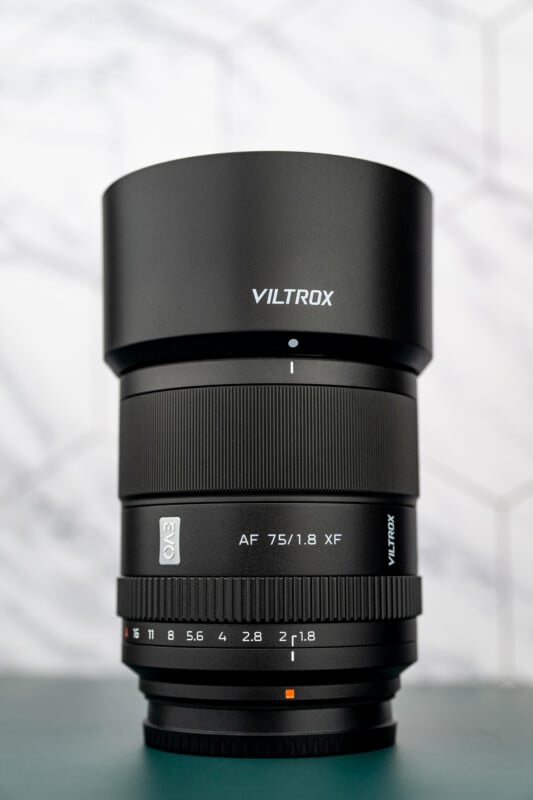
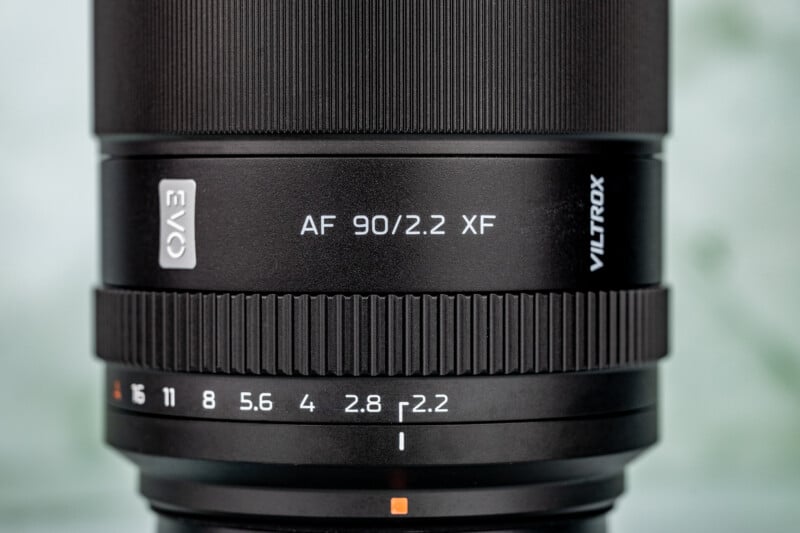
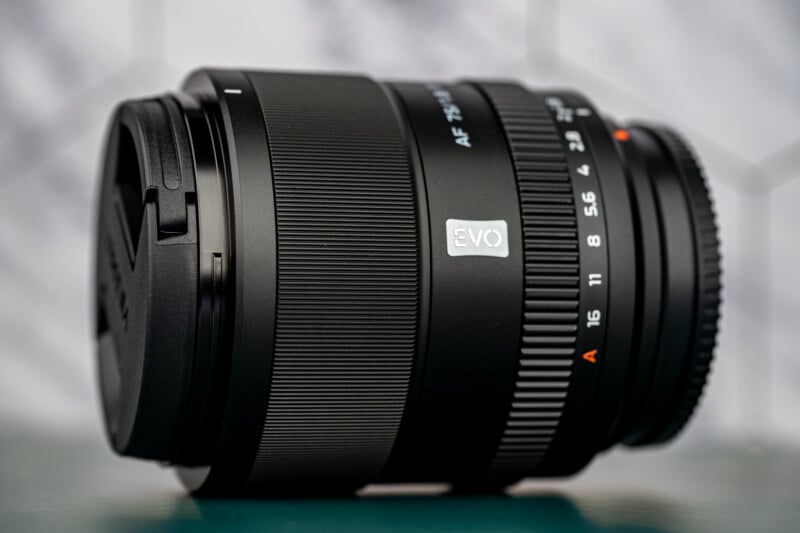
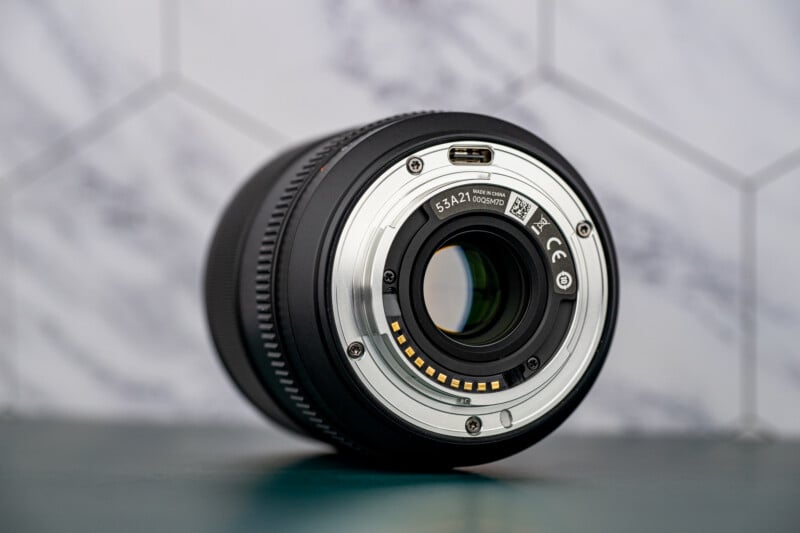
Upon initial inspection, the Viltrox EVO 75mm f/1.8 and 90mm f/2.2 are remarkably similar, almost to the point of being twins. Both lenses share a compact and rugged construction, featuring a 58mm filter thread and weather-sealed bodies with rubber gaskets. A discreet USB-C port, concealed beneath a gasket, is present on both for convenient firmware updates, a thoughtful inclusion that ensures the lenses can evolve with camera system updates and potential performance enhancements.

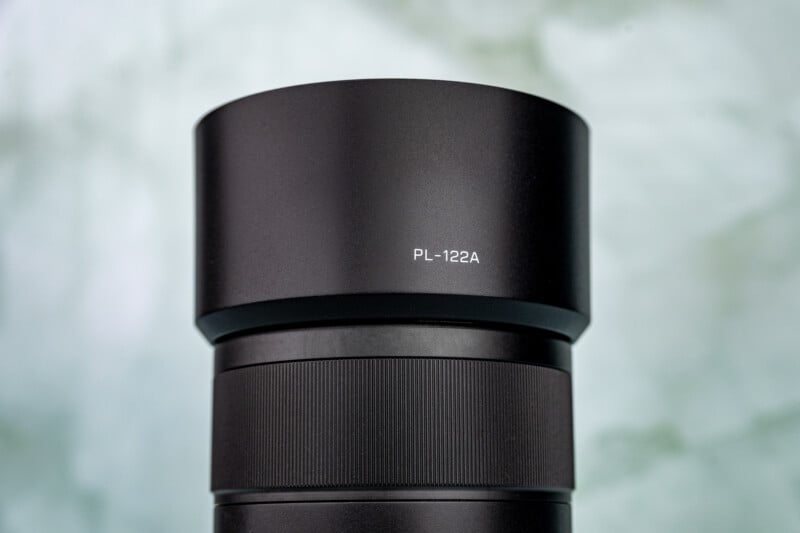
In terms of physical dimensions and weight, the differences are negligible. The X-mount versions tested weighed approximately 11.3 ounces (320 grams) each, making them highly portable and unobtrusive additions to any camera bag. Both lenses sport a handsome black chassis accented by a silver EVO badge, adding a touch of premium aesthetic. A simple, bayonet-style plastic lens hood is included with each lens, offering basic protection against stray light and accidental bumps.
A significant point of user interaction is the aperture ring. Both lenses feature a well-damped aperture ring with positive click stops, providing tactile feedback crucial for manual exposure control. However, the absence of a de-clicked, smoothly rotating option for video shooters or those who prefer stepless aperture changes is a notable omission.
Further ergonomic distinctions emerge when considering mount-specific features. The Sony E-mount and Nikon Z-mount versions of both lenses include an AF/MF switch and a customizable button, offering greater flexibility for on-the-fly adjustments. Conversely, the Fujifilm X-mount variants omit these controls, a compromise that may disappoint some Fujifilm users accustomed to these conveniences on native or third-party lenses. This disparity in features across mounts suggests a tiered approach to accessory integration, potentially driven by market demand or manufacturing considerations for each system.
Optical Performance: A Tale of Two Focal Lengths
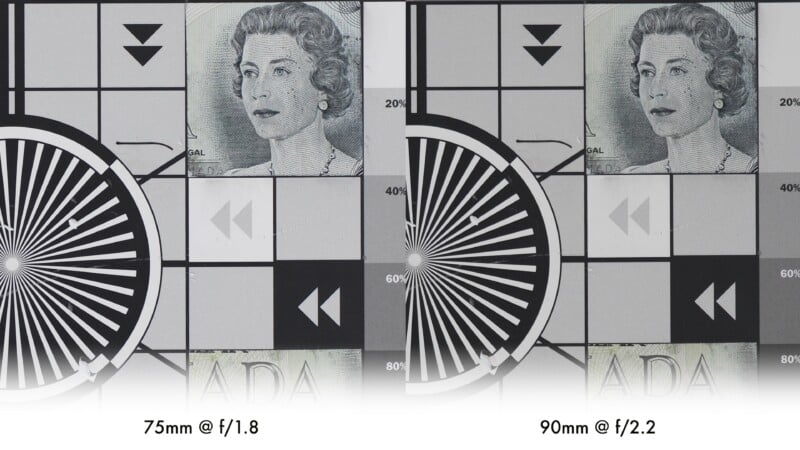
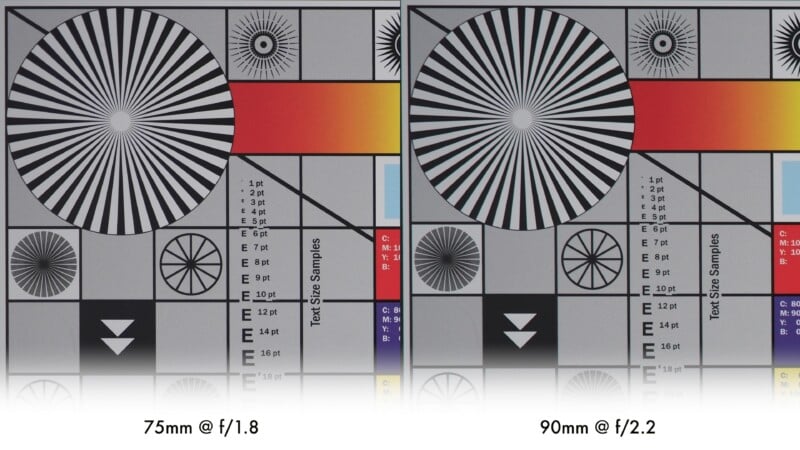
The core of any lens review lies in its optical performance, and here, the Viltrox EVO 75mm f/1.8 and 90mm f/2.2 present a compelling case of consistent excellence. Sharpness is an area where both lenses truly shine, delivering results that are, frankly, difficult to distinguish between.
At their widest apertures – f/1.8 for the 75mm and f/2.2 for the 90mm – both lenses exhibit impressive sharpness and detail. While contrast may be slightly subdued at these wider settings, it is a common characteristic of fast lenses and is easily rectified in post-processing. Stopping down reveals a pleasing increase in contrast, but the exceptional sharpness remains a constant. Crucially, the performance extends to the corners of the frame. Even at the widest apertures, the corners maintain remarkable detail, ensuring that the entire image plane is rendered with clarity. For APS-C sensors, these lenses are among the sharpest optics available in their respective focal length ranges, offering professional-grade clarity.
Autofocus and Handling
The autofocus systems in both the 75mm and 90mm EVO lenses are powered by STM (Stepping Motor) technology. This results in focusing that is generally smooth and quiet, suitable for both stills and video applications. While an occasional slight chirp from the motor might be audible in very quiet environments, it is unlikely to be picked up during video recording. The lenses integrate seamlessly with camera autofocus systems, including face and eye detection, and the reviewer experienced minimal focus hunting or pausing during testing.
Close-Up Capabilities and Limitations
While the Viltrox EVO lenses excel in general photography, they are not designed for macro work. Both lenses share a minimum focusing distance of 0.74 meters, yielding magnification factors of 0.12x for the 75mm and 0.14x for the 90mm. This means that while they are capable of focusing on subjects like tight portraits, they cannot fill the frame with very small details. Photographers seeking true macro capabilities would need to consider dedicated macro lenses.
Aberrations and Bokeh Quality
A critical aspect for fast lenses is the management of longitudinal chromatic aberration (LoCA). Viltrox has demonstrated exceptional prowess in this area. Both the 75mm and 90mm lenses exhibit only minor, almost imperceptible color shifts in their out-of-focus areas, rendering them virtually free of LoCA issues. This is a significant achievement, simplifying post-processing and ensuring clean images, especially in challenging lighting conditions.
The bokeh produced by these lenses is another strong point. Highlights in the background are rendered smoothly, free from distracting "onion ring" patterns or harsh "soap bubble" effects. The 75mm f/1.8 consistently produces fully round highlights at f/4, contributing to a pleasing aesthetic. The 90mm f/2.2, however, shows a slight truncation of highlights at the same aperture. Nevertheless, the overall bokeh quality is consistently smooth and pleasant, making these lenses ideal for creating images with a shallow depth of field and beautifully blurred backgrounds, a sought-after characteristic for portraiture and subject isolation.
Flare and Ghosting Control
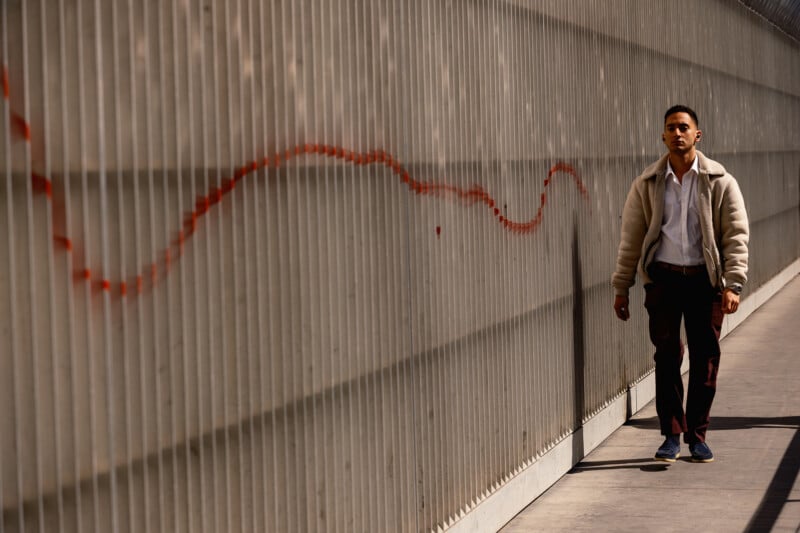
When shooting directly into bright light sources, such as the sun, both lenses perform admirably. The advanced lens coatings employed by Viltrox effectively maintain contrast, with only a very minor level of ghosting observed in the opposite corner of the frame. This ghosting does not worsen as the aperture is stopped down, a testament to the optical design. Beyond this subtle effect, the lenses exhibit strong resistance to veiling flare, a characteristic that can even be desirable for adding a touch of mood to portraits. This robust performance makes them well-suited for backlit scenarios and high-contrast shooting environments.
Analyzing the Choice: 75mm vs. 90mm

The paramount question for potential buyers is: which lens to choose? Given their strikingly similar optical performance and build quality, the decision largely boils down to individual preference for focal length and specific use cases.
The Viltrox EVO 75mm f/1.8 offers a slightly wider field of view, which the reviewer found to be more versatile for street photography. Its lower price point and the advantage of a marginally wider aperture (f/1.8 vs. f/2.2) are also significant considerations. This lens provides an excellent balance for general-purpose portraiture and environmental storytelling.

On the other hand, the Viltrox EVO 90mm f/2.2 delivers a more compressed perspective, which can be beneficial for isolating subjects and simplifying busy backgrounds. This focal length is often favored for more traditional portraiture, where a slightly greater working distance is desired. While it comes at a slightly higher price and a narrower maximum aperture, the 90mm lens offers a distinct aesthetic that many photographers appreciate. The reviewer noted a tendency to shoot more with the 90mm, though the exact reason remained elusive, suggesting a subjective appeal to its compression and subject-isolating capabilities.
Alternatives and Market Positioning

For Fujifilm X-mount users, the Viltrox offerings are particularly compelling. Fujifilm’s native XF 90mm f/2 R LM WR lens is a high-quality alternative, boasting a respectable 0.3x magnification ratio and excellent bokeh. However, it is larger, heavier, and significantly more expensive than the Viltrox option. Nikon Z-mount users will find the Viltrox lenses a welcome addition, as the native APS-C telephoto lens catalog for Nikon is relatively sparse. Similarly, Sony E-mount users often have to rely on full-frame lenses that can be adapted for APS-C, making Viltrox’s dedicated APS-C options a practical and cost-effective solution.
Conclusion and Recommendation
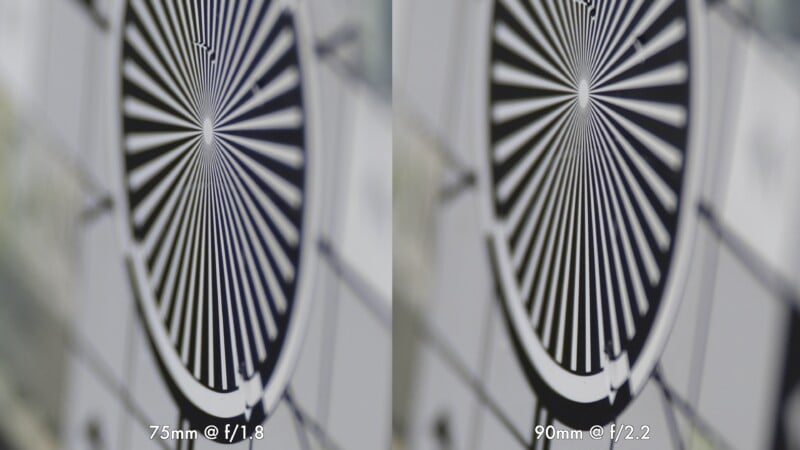
Viltrox has once again demonstrated its ability to deliver exceptional optical performance at an accessible price point. Both the EVO 75mm f/1.8 and the 90mm f/2.2 are highly capable lenses that punch well above their weight class. For photographers seeking a dedicated APS-C moderate telephoto lens, these Viltrox offerings should be at the top of their consideration list.
The choice between the two is primarily a matter of focal length preference. The 75mm f/1.8 offers a slightly more versatile field of view and a lower entry price, making it an attractive option for a broader range of photographic pursuits. The 90mm f/2.2, with its increased compression, appeals to those who prioritize subject isolation and a more refined portrait perspective. Regardless of the chosen focal length, photographers can expect impressive sharpness, excellent bokeh, and robust build quality from either of these Viltrox EVO lenses. Their arrival represents a significant value proposition, particularly for photographers using Fujifilm, Nikon Z, and Sony E-mount APS-C systems, who are often underserved in this lens category. The consistent performance across both lenses underscores Viltrox’s growing maturity as a lens manufacturer.