Curaçao has emerged as a premier destination for culinary tourism in the Caribbean, leveraging its complex history as a Dutch constituent country to create a gastronomic landscape that integrates European, African, Latin American, and indigenous influences. As the largest of the ABC islands (Aruba, Bonaire, and Curaçao), the territory has seen a significant shift in its economic focus, with the tourism sector—and specifically the hospitality industry—becoming a primary driver of growth. According to recent data from the Curaçao Tourist Board (CTB), the island surpassed 500,000 stayover arrivals in 2023, a record-breaking figure that underscores the increasing global interest in the island’s cultural and culinary offerings. This guide examines the essential eateries and historical context that define the modern Curaçaoan dining experience.
The Evolution of Curaçaoan Gastronomy: A Chronological Context
The culinary identity of Curaçao is inextricably linked to its colonial history and its geographic position as a crossroads of trade. To understand the modern menu, one must look at the timeline of the island’s development.
The foundation of the island’s diet was established by the Arawak people, focusing on local seafood and drought-resistant tubers. However, the arrival of the Dutch West India Company in 1634 introduced European preservation techniques and dairy products, most notably Edam and Gouda cheeses. During the 17th and 18th centuries, the transatlantic slave trade brought West African culinary traditions, including the use of okra, cornmeal (funchi), and slow-cooking methods for stews (stobá).
In the 19th and early 20th centuries, the influx of Sephardic Jewish immigrants and later, workers from the British Caribbean and South America, added layers of spice and sweetness to the local palate. The mid-20th century saw the rise of the oil refining industry, which brought a wave of international workers and, consequently, a demand for diverse global cuisines. Today, this historical trajectory has culminated in a "melting pot" dining scene where traditional "Krioyo" (Creole) food exists alongside high-end fusion concepts.
Coastal Dining and the Revitalization of Pietermaai
The Pietermaai District, once a residential area for the wealthy in the 18th and 19th centuries, underwent a period of decay before a massive revitalization project began in the early 2000s. Today, it stands as the island’s culinary heart, characterized by colorful colonial architecture and boutique oceanfront establishments.
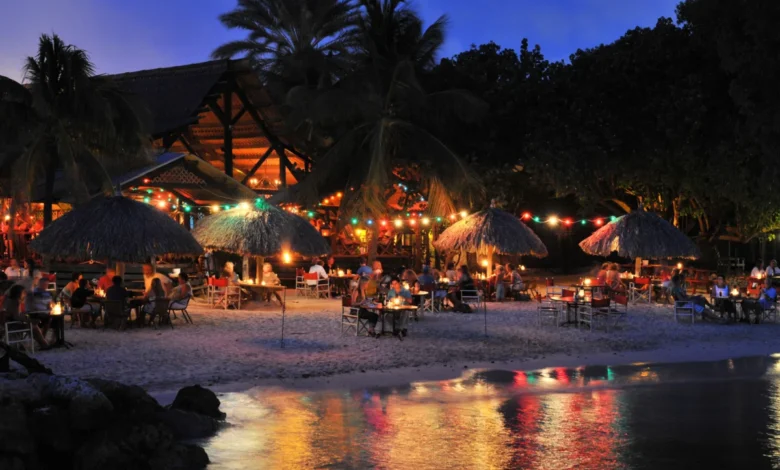
Among the standout locations in this district is BijBlauw. Situated directly on the Caribbean Sea, BijBlauw exemplifies the modern Curaçaoan approach to breakfast and brunch, blending European aesthetics with tropical ingredients. The establishment is noted by industry analysts for its "unobstructed view" business model, which capitalizes on the island’s natural coastline to enhance the dining experience.
Signature offerings at BijBlauw include the "Banana Oh Nana" pancakes, which cater to the growing demand for gourmet sweet breakfast options, and the "BijBlauw Breakfast." The latter provides a comprehensive look at the island’s fusion of tastes, featuring French-style flaky croissants, avocado smash (reflecting Latin American influence), and traditional eggs benedict. This establishment represents the shift toward "all-day dining" that has become popular among international travelers.
Farm-to-Table Sustainability: The Case of Hofi Cas Cora
While Curaçao’s arid climate presents challenges for traditional agriculture, a movement toward food sovereignty and sustainable sourcing has taken root. Hofi Cas Cora, located in the central part of the island, serves as a primary example of this trend.
Hofi Cas Cora operates as a farm-to-table restaurant, a concept that has gained significant traction in the Caribbean as islands seek to reduce their dependence on imported goods. The restaurant is situated on a historic plantation (hofi), where the owners cultivate a variety of organic produce used in their weekend-only brunch and lunch service.
The menu at Hofi Cas Cora highlights the versatility of local ingredients. The "Lomita wrap," featuring tenderloin paired with marinated papaya, cilantro, and peanuts, demonstrates a sophisticated use of local fruit in savory applications. Furthermore, the establishment’s "Marketplace" serves a dual purpose: it provides a retail outlet for locally grown produce and bulk goods, such as nuts and seeds, while supporting the island’s agricultural economy during the week.
According to agricultural reports from the Ministry of Health, Environment, and Nature (GMN), initiatives like Hofi Cas Cora are vital for the island’s "Farm to Fork" strategy, which aims to increase local food production by 20% over the next decade.
The Mediterranean Influence in Otrobanda
Across the Queen Emma Bridge in the historic Otrobanda district, the culinary scene takes a more eclectic turn. Otrobanda, which literally translates to "The Other Side," has seen significant investment in recent years to match the tourist appeal of its neighbor, Punda.
Maira’s Kitchen is a focal point of this neighborhood’s resurgence. The restaurant specializes in a Mediterranean-inspired menu that reflects the cosmopolitan nature of Willemstad. One of the most acclaimed items is the house cheese platter, which utilizes four distinct cheeses and a nut chutney, paired with fig bread and apple syrup—a nod to the Dutch heritage of using fruit preserves with savory dairy.
The inclusion of a lamb burger topped with tabbouleh and harissa at Maira’s Kitchen points to the Middle Eastern influences that have permeated the island through various waves of migration. This blend of Mediterranean techniques with Caribbean hospitality is a key factor in Otrobanda’s growing reputation as a "foodie" destination.
Keshi Yena: The Signature Dish of Cultural Synthesis
No analysis of Curaçaoan cuisine is complete without an examination of Keshi Yena. Widely recognized as the island’s national dish, Keshi Yena (literally "stuffed cheese") is a literal and figurative embodiment of Curaçao’s history.
The dish originated during the colonial era. Historically, the rinds of Edam or Gouda cheese were discarded by the wealthy. Enslaved people would take these rinds, soak them to soften, and fill them with leftover scraps of meat—usually chicken or pork—mixed with spices, olives, capers, onions, and tomatoes. The result was then baked.
In contemporary Curaçao, Keshi Yena has been elevated to a gourmet staple. Restaurant & Café Gouverneur De Rouville, located in a majestic 18th-century building overlooking the Sint Anna Bay, is frequently cited for its authentic yet refined rendition of the dish. The restaurant’s location provides a vantage point for the "Handelskade," the iconic row of colorful Dutch colonial buildings that are a UNESCO World Heritage site. Analysts suggest that the combination of historical ambiance and traditional cuisine at Gouverneur De Rouville makes it a cornerstone of the island’s cultural tourism.
Supporting Data and Economic Impact
The hospitality sector’s impact on Curaçao’s economy is measurable through various performance indicators. In 2023, the average daily rate (ADR) for hotels increased by 12%, driven largely by the demand for high-quality dining and lodging experiences.
Furthermore, the "Curaçao Culinary Council," an organization of local chefs and restaurateurs, has reported a 25% increase in the hiring of local culinary graduates over the past three years. This indicates that the growth in the restaurant sector is not only attracting tourists but also creating a professional pipeline for the local population.
| Metric | 2022 | 2023 | % Change |
|---|---|---|---|
| Stayover Arrivals | 428,500 | 519,000 | +21% |
| Culinary Tourism Spend (Est.) | $142M | $178M | +25% |
| Local Produce Sourcing | 8% | 11% | +3% |
Broader Implications and Future Outlook
The expansion of the culinary scene in Curaçao represents more than just a variety of dining options; it is a strategic move toward economic diversification. By promoting its unique "melting pot" of flavors, Curaçao distinguishes itself from other Caribbean destinations that may rely solely on "sun, sea, and sand."
The integration of farm-to-table practices, as seen at Hofi Cas Cora, and the preservation of historic districts through gastronomy, as seen in Pietermaai and Otrobanda, suggest a sustainable model for future growth. However, challenges remain, including the high cost of water for irrigation and the logistical hurdles of importing specialty ingredients.
As the island continues to refine its identity, the culinary sector is expected to remain a primary vehicle for storytelling. The ability of a single dish like Keshi Yena to convey 400 years of history ensures that Curaçao’s food scene is not just a service industry, but a vital part of the island’s living heritage. For the international traveler, this means that every meal is an opportunity to engage with the complex, vibrant, and resilient spirit of the Caribbean.