Austin’s Enduring Enigma: Is the "Weird" City Still Weird in 2026 Amidst Tech Boom and Urban Transformation?

Austin, Texas, a city long celebrated for its distinctive counter-cultural ethos, finds itself at a pivotal juncture in 2026. Once a laid-back haven where tie-dye and bohemian sensibilities thrived, the state capital has undergone a dramatic metamorphosis, rapidly emerging as a global tech hub. This rapid evolution has prompted a critical question among its longtime residents and observers: Has Austin managed to preserve its cherished "weirdness," or has it capitulated to the forces of mainstream urbanization and commercialization? This article investigates the cultural pulse of Austin, examining the traditions, institutions, and community spirit that define its unique character in the face of unprecedented growth.
The Genesis of "Keep Austin Weird"

The iconic slogan "Keep Austin Weird" did not spontaneously appear but was born from a specific cultural moment. Widely attributed to local librarian Red Wassenich in 2000, the phrase initially served as an earnest plea to safeguard Austin’s distinctive "unserious" and "unmaterialistic" spirit. It quickly resonated with residents and was swiftly adopted by local businesses, evolving into a grassroots movement to encourage patronage of independent retailers and resist the homogenizing pressures of corporate expansion. More than just a marketing catchphrase, it became the city’s unofficial motto, encapsulating a collective desire to protect the quirky, independent soul that defined Austin.
Prior to the slogan’s formalization, Austin had already cultivated a reputation as a liberal bastion within a predominantly conservative state. Home to the sprawling University of Texas, the city historically attracted a diverse community of musicians, artists, entrepreneurs, and self-described misfits. This magnetic pull was fueled by a cultural environment that not only tolerated but actively celebrated individuality, fostering an atmosphere where unconventional ideas and lifestyles could flourish. The city’s affordable living, abundant green spaces, and vibrant live music scene cemented its status as a creative sanctuary, drawing those who sought an alternative to conventional urban centers. This foundation of eccentricity and open-mindedness set the stage for the dramatic changes that would follow.
The Tech Boom and Its Unprecedented Impact
The past two decades have witnessed Austin’s transformation from a regional cultural center into a major economic powerhouse. Since Wassenich coined "Keep Austin Weird," the city’s trajectory has been nothing short of explosive. Data from the Austin Housing Almanac reveals a staggering increase in home prices, soaring by approximately 237 percent, making Austin one of the least affordable major cities in Texas. The population has surged past the one million mark, according to the City of Austin’s planning department, indicative of a continuous influx of new residents. This demographic and economic boom has been largely driven by a burgeoning tech sector, which has attracted industry giants such as Tesla, Google, and Apple. These companies have established significant presences, transforming Austin into one of the U.S.’s fastest-growing boomtowns.
The influx of tech companies and highly paid professionals has profoundly reshaped the city’s landscape. Cranes dot the skyline, new high-rises emerge with astonishing speed, and once-affordable neighborhoods have been revitalized, often at the expense of longtime residents and local businesses struggling to keep pace with escalating costs. The economic prosperity has brought with it increased traffic congestion, strain on public infrastructure, and a palpable shift in the city’s demographic and cultural composition. This rapid gentrification has ignited a fierce debate about the sustainability of Austin’s unique identity, prompting questions about whether its growth can be managed without eroding the very qualities that made it so desirable in the first place.
Anchors of Austin’s Enduring Spirit

Despite the sweeping changes, pockets of Austin’s original "weirdness" persist, anchored by traditions and community events that stubbornly resist mainstream assimilation. These cultural bastions offer glimpses into the city’s enduring soul, demonstrating that the spirit of individuality and community still thrives beneath the veneer of modern development.
One such venerable tradition is Chicken Shit Bingo at The Little Longhorn Saloon. For over 50 years, this delightfully bizarre weekly event has drawn a diverse crowd, from white-haired retirees to college students and curious tourists. The scene is quintessential Austin: neon beer signs illuminating autographed photos of country legends, a crowd gathered around a humble chicken coop in a parking lot, and the simple rules of the game—a chicken chooses a number, and cheers erupt. Annie Brown Verdin, a long-time Austin local and observer, describes it as "delightfully strange" and "joyful," noting how such a half-century-old tradition feels so profoundly treasured. The saloon’s own sign, "No fussin’, no cussin’, and no wresslin’," perfectly encapsulates the unpretentious, good-natured spirit of the event, where the joy of shared experience trumps any serious gambling aspirations. It represents a living testament to Austin’s capacity for maintaining idiosyncratic community rituals.
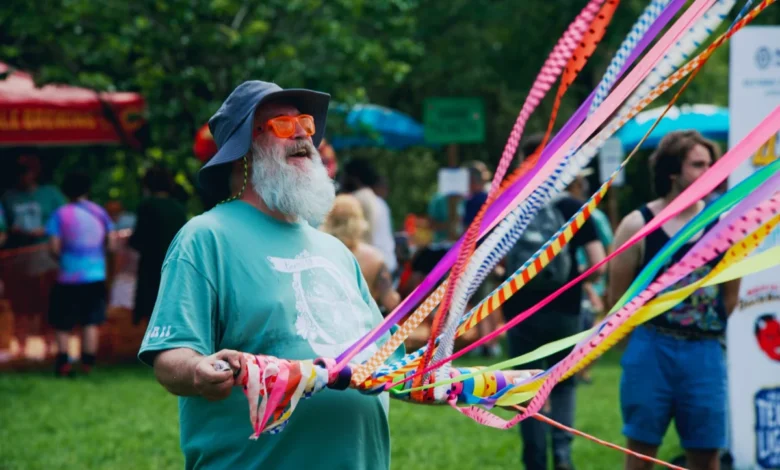
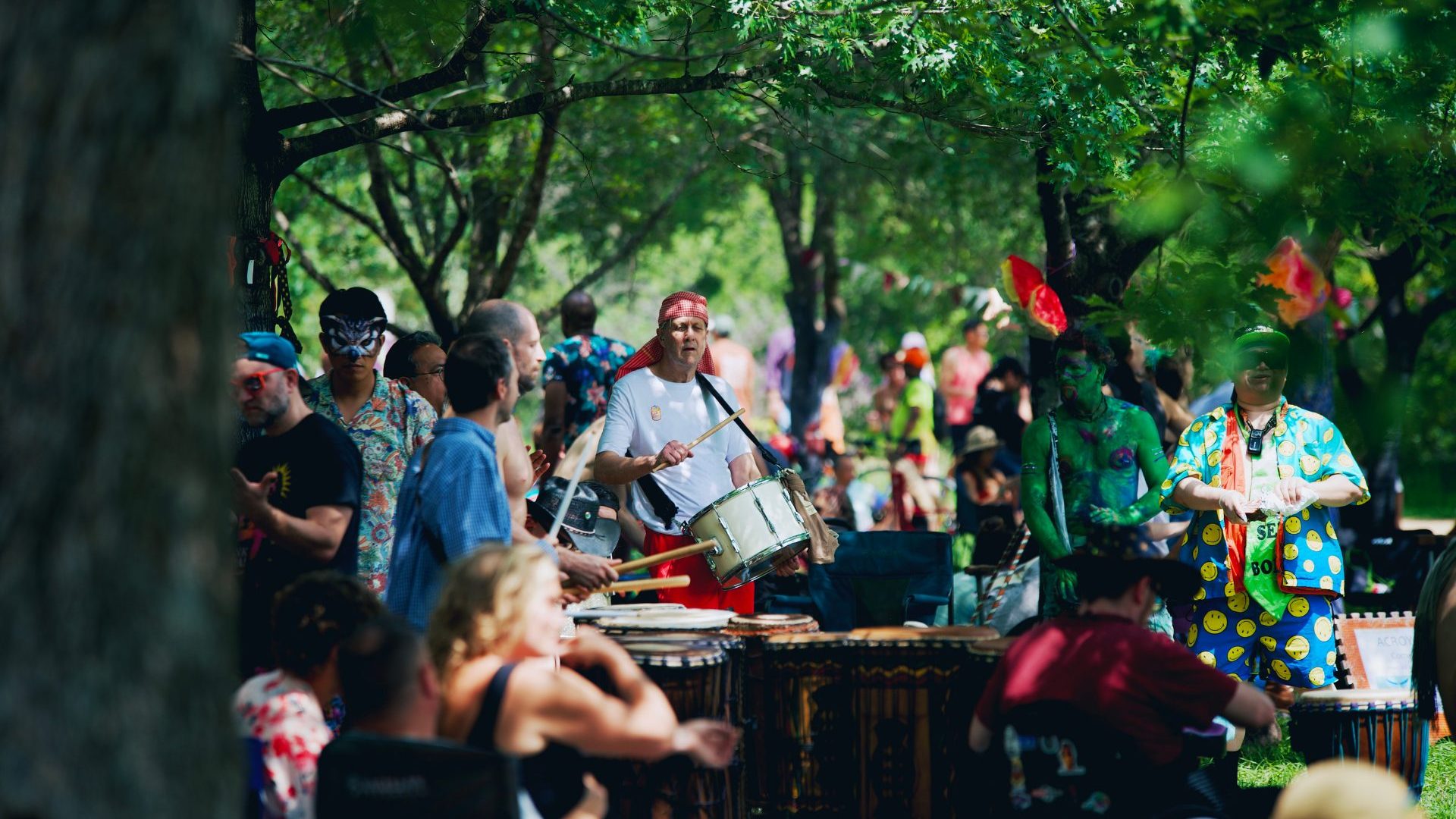
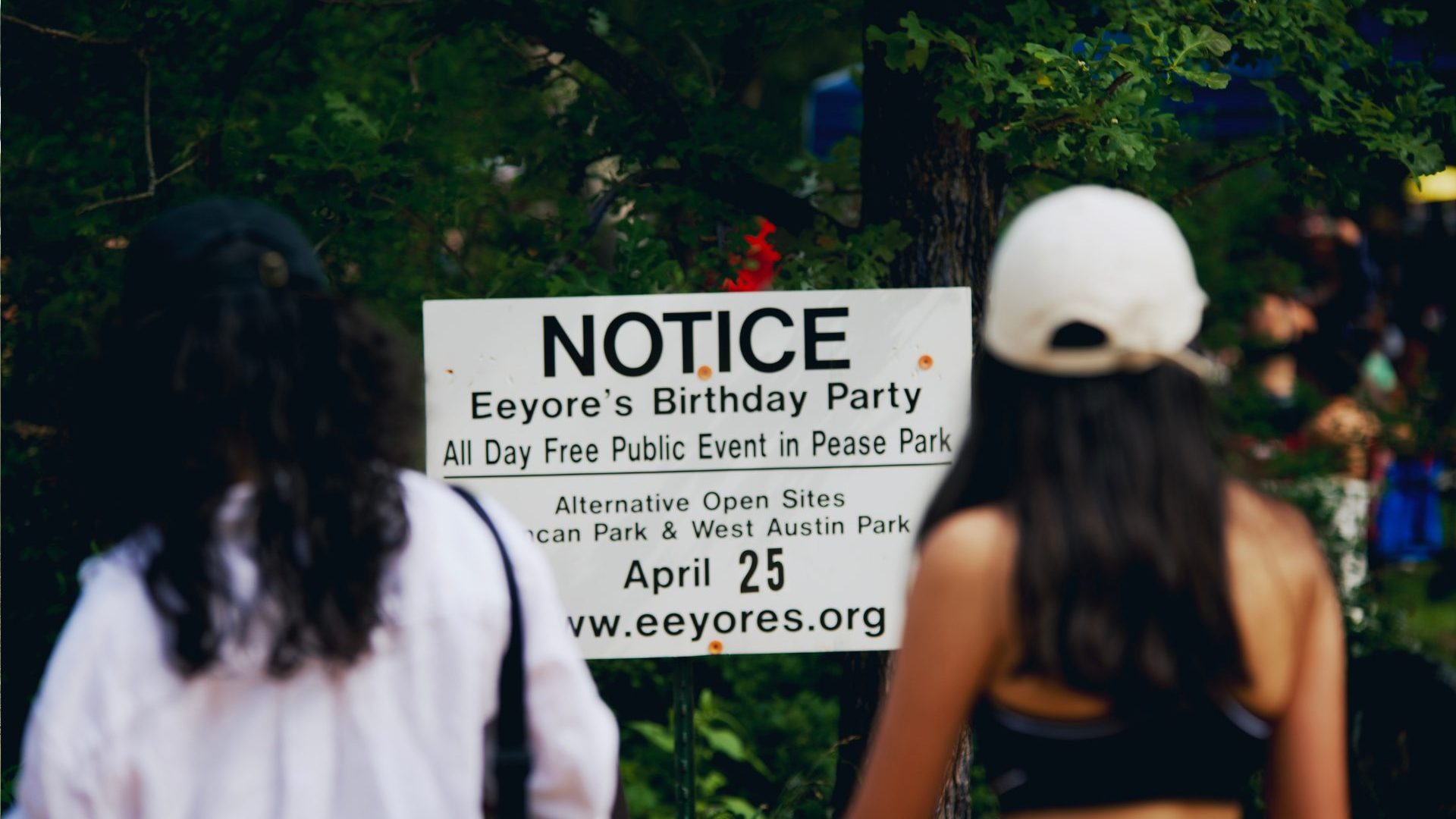
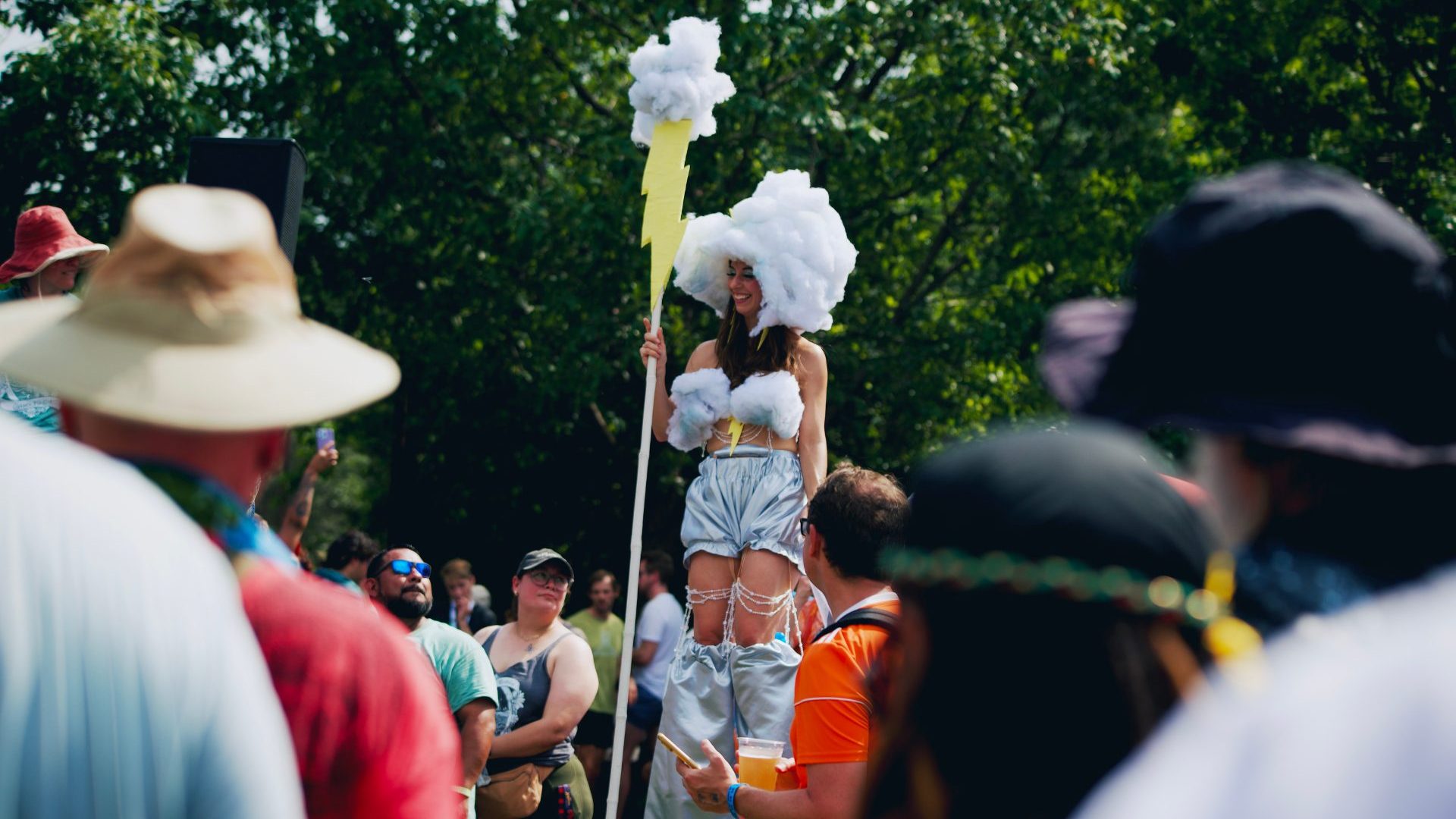
Another profound expression of Austin’s communal spirit is Eeyore’s Birthday, an annual day-long festival that has been celebrating the gloomy Winnie the Pooh character since the 1960s. Les Carnes, a volunteer for the event since 1979, has witnessed nearly five decades of this unique gathering. Held in Pease Park, the festival transforms the green space into a whimsical wonderland of drum circles, elaborate fantasy costumes, and what Carnes affectionately calls "adult recess." Families spread picnic blankets under ancient oak trees, while revelers dance around a ribbon-wrapped maypole. Heather Hampton, who first attended in 2013 and now serves as the event’s president, emphasizes its inclusive nature: "Anyone and everyone is invited… It doesn’t matter who you are or what you look like. There’s always a place for you here." Eeyore’s Birthday is entirely volunteer-run and free to the public, embodying a commitment to community and self-expression that transcends commercial interests. It is a powerful example of how Austin’s collective identity is forged through shared, unconventional experiences.

The Shifting Sands of the Live Music Capital
Austin’s reputation as the "Live Music Capital of the World" has long been a cornerstone of its identity. For decades, the city’s affordable rent, numerous venues, and supportive community attracted aspiring musicians from across the globe. Dennis O’Donnell, owner of iconic venues like The White Horse and Sagebrush, and a fixture in the music scene since the late 1990s, articulates this enduring appeal: "Austin possesses a magnet for sensitive, artistic people, and continues to do so. Like follows like." This bohemian spirit, fostered by a thriving music ecosystem, was once the city’s defining characteristic.
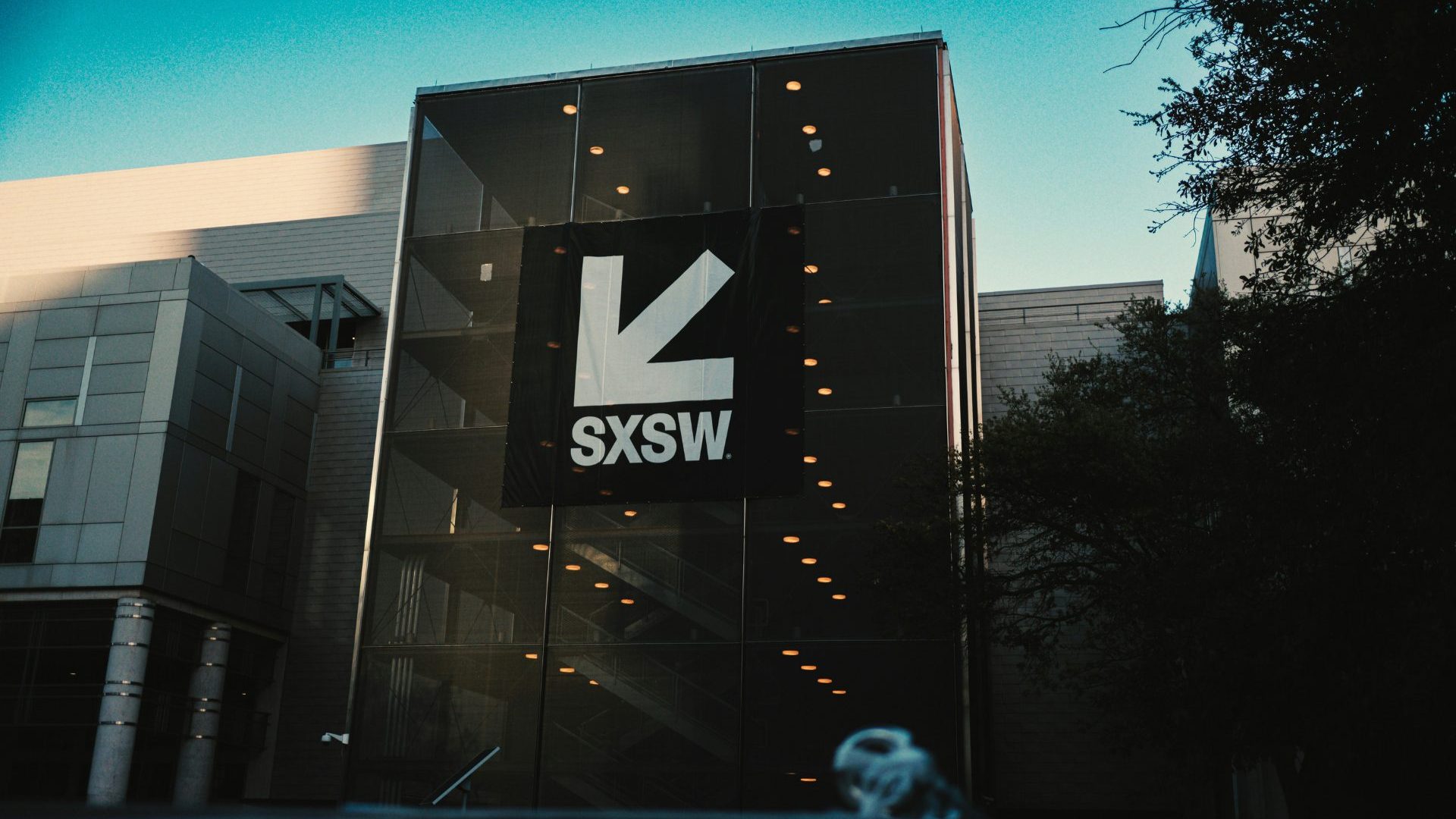
However, even this vital aspect of Austin’s culture has felt the pressures of modernization and commercialization. The South by Southwest (SXSW) festival, founded in 1987 as a music festival, rapidly evolved into a global platform for music, film, technology, and culture. O’Donnell fondly recalls peak moments, such as the spontaneous performance by Willie Nelson and Snoop Dogg on a patch of grass next to one of his venues—an unplanned, authentic moment that epitomized the festival’s early spirit. Yet, attending the 2026 festival with a Platinum Badge, Annie Brown Verdin noted a stark contrast. Events were scattered, often required advance reservations, and long waits were common. The serendipitous discoveries that once characterized SXSW felt increasingly elusive, replaced by what she described as a "mass-marketed conference." This observation highlights a broader concern: as Austin’s cultural events gain global prominence, do they risk losing the raw, spontaneous energy that initially made them "weird"?
The Economic Realities and the Search for Authenticity
The economic success that has transformed Austin has also brought significant challenges, particularly concerning affordability. Les Carnes, the long-time Eeyore’s Birthday volunteer, eventually moved to the nearby Texas Hill Country because Austin itself became too expensive. He laments a time when housing was accessible, community gatherings were predominantly free, and residents didn’t have to "pay to play." This sentiment resonates with many longtime Austinites who feel priced out of the city they helped build.
In search of the "Austin of old," Annie Brown Verdin visited Donn’s Depot, a piano bar housed in a converted train depot. Inside, stained red carpet, railroad memorabilia, and decades of photographs create the ambiance of an old friend’s living room. Here, twentysomethings share the dance floor with couples who have been two-stepping for decades, all while owner Donn Adelman, in his eighties, still plays the piano several times a week. Crucially, patrons seem more engaged with the music and dancing than with their phones. This environment, while not overtly "weird" in a flamboyant sense, embodies a profound authenticity and community spirit. It suggests that Austin’s "weirdness" might be less about overt eccentricity and more about fostering spaces where people feel a genuine sense of belonging and connection, unburdened by external pressures.
Community Resilience and the Future of "Weird"
Despite the profound shifts, Austin’s community remains resilient, actively working to preserve its distinctive character. On warm evenings, the city’s dedication to unique communal experiences is evident on Lady Bird Lake, which hosts the Latino Moonlight Serenades a few times each summer. This event, now in its 20th season, is a vibrant celebration of Austin’s diverse Hispanic community. Kayaks and canoes drift towards a floating stage where live Latin bands perform as the sun sets behind the downtown skyline. Families row alongside dogs perched on paddleboards, and soon people are climbing aboard the barge to salsa dance. The event blurs the lines between strangers, fostering an instant sense of camaraderie on the water. It exemplifies how cultural diversity enriches Austin’s "weird" tapestry, creating inclusive spaces for joy and connection.
This commitment to fostering belonging and authentic interaction, rather than mere novelty, appears to be the true essence of "Keeping Austin Weird" in 2026. Austin’s rapid growth has undeniably reshaped neighborhoods, leading to gentrification and pricing out many longtime residents. However, the core sentiment that the slogan represents—a feeling of acceptance and community—has not disappeared entirely. It endures in vibrant pockets throughout the city, often requiring little more than a conscious effort to seek it out.
Preserving this spirit involves actively engaging with local culture: striking up conversations with longtime business owners, supporting independent venues, staying for a second set at a local gig, or volunteering at community events. It’s about recognizing that "weirdness" is not a static state but a dynamic, evolving quality sustained by active participation and patronage. As Dennis O’Donnell succinctly puts it, encapsulating the raw, unpretentious spirit Austin strives to maintain, "Make sure to fucking clap when the band finishes." This seemingly simple instruction speaks volumes about the value placed on genuine engagement and appreciation, the very heart of Austin’s unique identity.
The implications of Austin’s transformation are complex. Economically, the tech boom has brought unprecedented prosperity and job creation, establishing the city as a significant player on the national and international stage. However, this growth has come at the cost of increasing socio-economic disparity, affordable housing crises, and infrastructure challenges. Culturally, the influx of new residents and businesses presents both a threat and an opportunity: a threat to the established norms and traditions, but also an opportunity for new forms of "weirdness" to emerge and for the city’s identity to evolve while retaining its core values of creativity, individuality, and inclusivity.
Ultimately, Austin in 2026 is a city in constant negotiation with itself—between its past and its future, its independent spirit and its global aspirations. While the superficial manifestations of "weirdness" might be harder to spot amidst the shiny new high-rises, the underlying current of community, acceptance, and unpretentious joy continues to flow, albeit in different channels. The question is no longer whether Austin is weird, but how its weirdness adapts, survives, and thrives in an ever-changing urban landscape, proving that true character is more resilient than surface appearances.
For more information on Austin events and venues, see: The Little Longhorn Saloon; The White Horse; Sagebrush; Eeyore’s Birthday; Latino Moonlight Serenades; Donn’s Depot.