The global travel sector in 2026 has witnessed a significant pivot toward the "New Silk Road" destinations, as travelers increasingly seek alternatives to traditional European and East Asian corridors. In April 2026, a comprehensive 17-day solo expedition across Kazakhstan, Uzbekistan, and Tajikistan highlighted both the maturing tourism infrastructure of the region and the enduring appeal of its historical architecture and natural landscapes. This surge in interest coincides with regional efforts to liberalize visa regimes and modernize transport networks, positioning Central Asia as a premier destination for independent and solo travelers. The following report analyzes the current state of regional travel, security trends in Central European hubs like Prague, and the broader implications of experiential tourism as the 2026 season commences.
The Central Asian Corridor: Regional Integration and Infrastructure
The 17-day itinerary through Kazakhstan, Uzbekistan, and Tajikistan serves as a benchmark for the current ease of movement within the region. Historically regarded as difficult to navigate due to bureaucratic hurdles, Central Asia has undergone a digital transformation. The implementation of e-visa systems and the expansion of high-speed rail have reduced friction for international visitors.
Kazakhstan: The Urban and Natural Synthesis
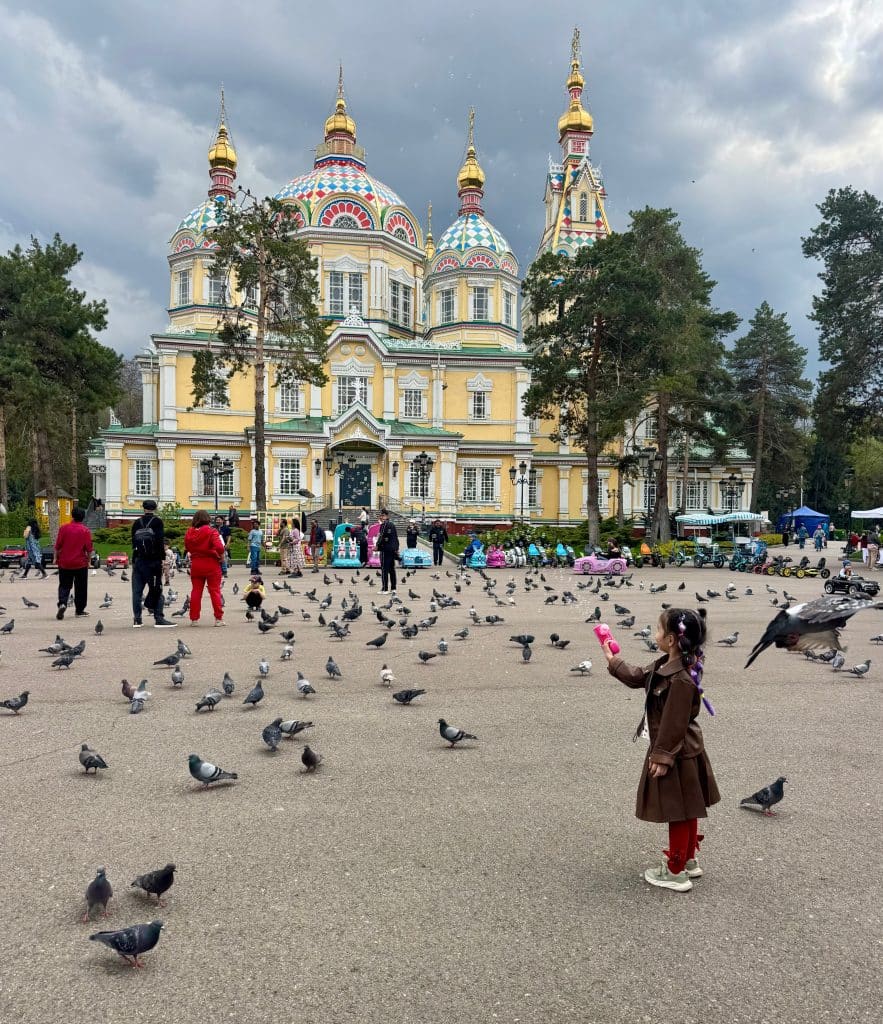
The journey began in Almaty, Kazakhstan’s largest metropolis. By 2026, Almaty has solidified its reputation as a "green city," characterized by extensive walkability and a robust culinary scene. Industry experts note that the city’s affordability remains a primary draw, with costs significantly lower than comparable European capitals.
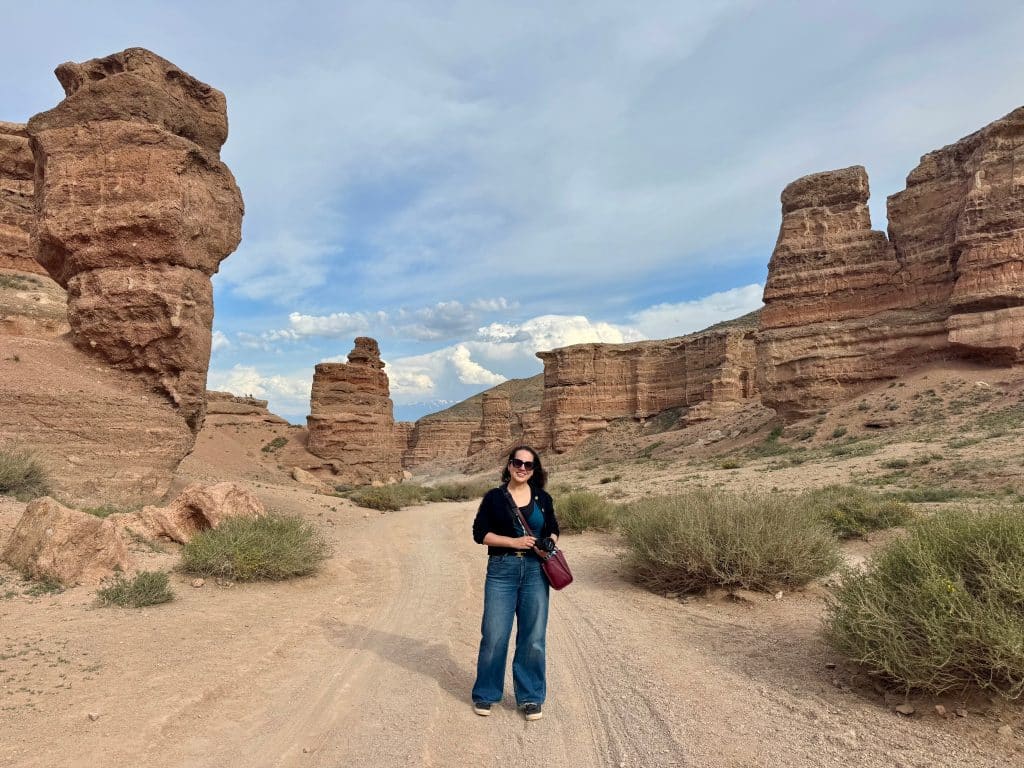
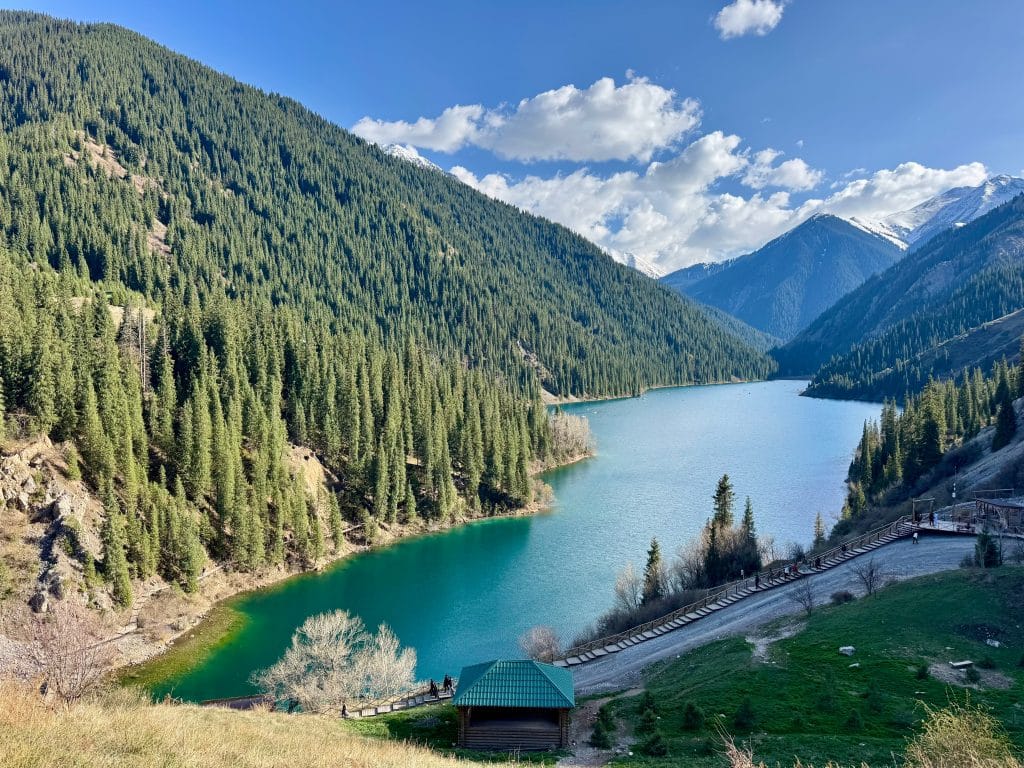
Beyond the urban center, the Almaty region’s natural assets, including the Charyn Canyon and the Kolsay Lakes, have seen increased investment in tour accessibility. Charyn Canyon, often compared to the American Southwest due to its sedimentary rock formations, has become a focal point for ecological tourism. Current travel data suggests that multi-day excursions are preferred by 65% of international visitors to the region, as one-day tours to these remote sites are often deemed overly strenuous.
Uzbekistan: The Rail-Led Tourism Model
Uzbekistan has emerged as the logistical heart of Central Asian tourism. The state-run railway, O’zbekiston Temir Yo’llari, has become a critical component of the visitor experience. However, demand for tickets between the "Golden Triangle" of Samarkand, Bukhara, and Khiva frequently outstrips supply. Travelers are currently advised to book passage 45 to 60 days in advance, as high-speed "Afrosiyob" trains often reach capacity immediately upon the release of tickets.
Each major Uzbek city has developed a distinct market niche:
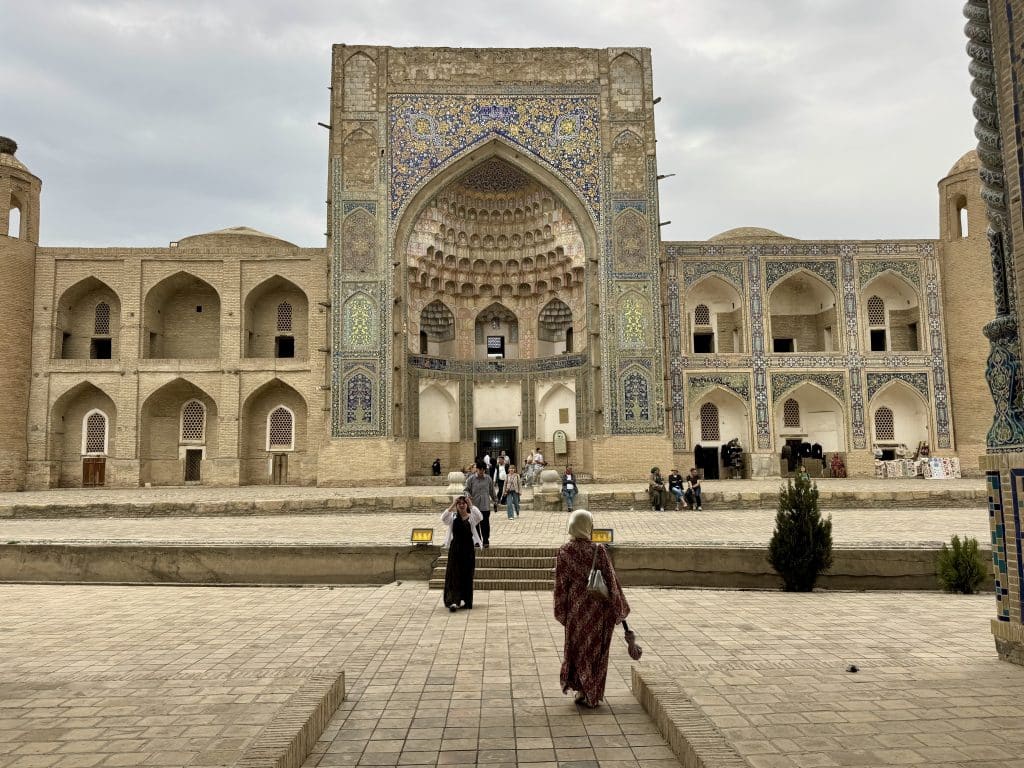
- Bukhara: Known for its pedestrianized historic center and high-quality artisanal crafts, particularly Suzani embroidery.
- Samarkand: Home to the Registan and Shah-i-Zinda, the city remains the architectural centerpiece of the Silk Road.
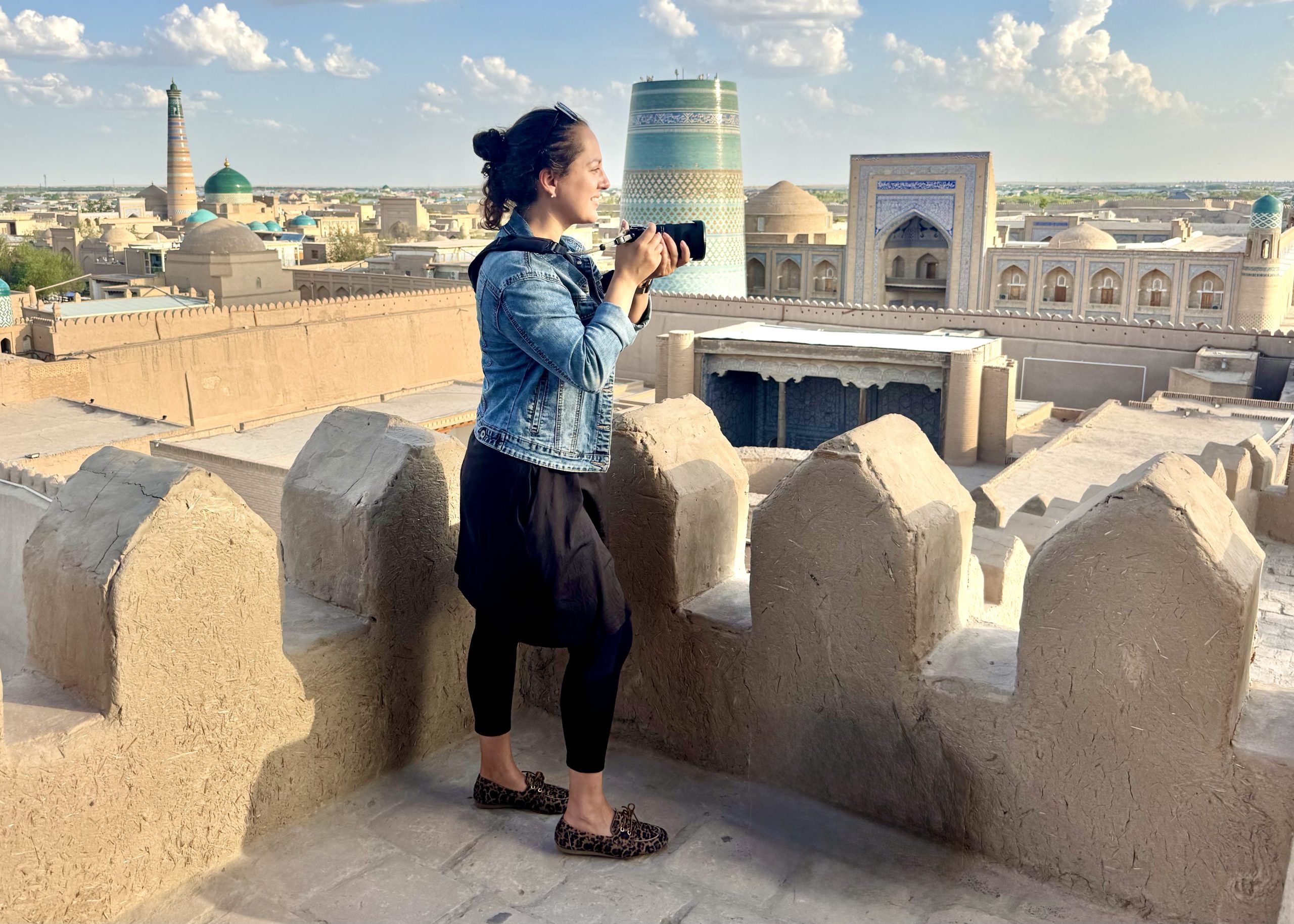
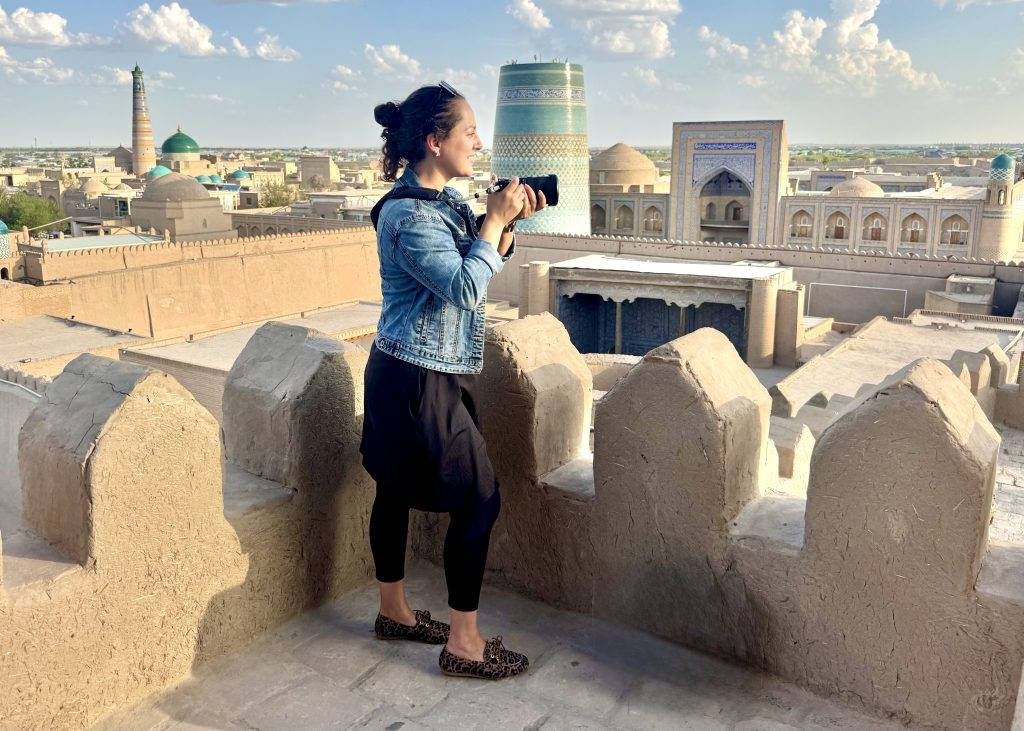
- Khiva: Functioning as an "open-air museum," this walled city in the Khorezm Region caters heavily to the photography and heritage sectors.
- Tashkent: The capital serves as a modern hub for gastronomy and applied arts, bridging the gap between Soviet-era planning and contemporary Uzbek culture.
Tajikistan: Cross-Border Accessibility
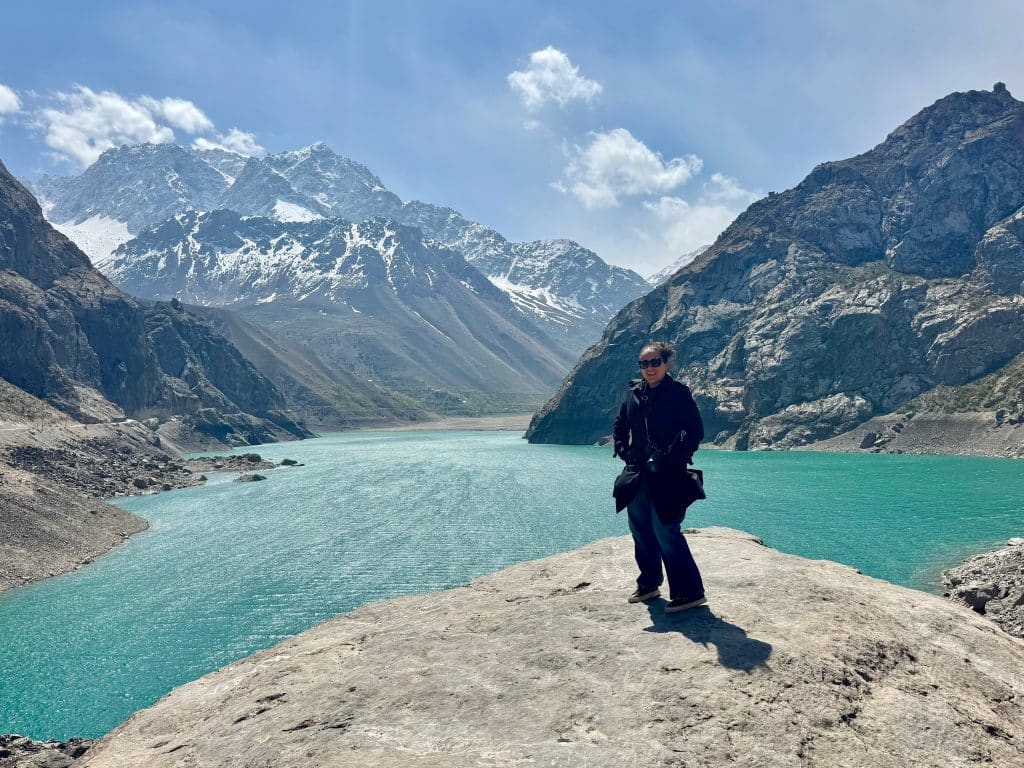
The ease of cross-border travel between Uzbekistan and Tajikistan has improved markedly. From Samarkand, the Tajik border is reachable in under one hour, facilitating day-trips to the ancient city of Panjakent and the Seven Lakes (Haft Kul). While the UNESCO World Heritage site of Sarazm remains a point of historical interest, current visitor feedback indicates that the cultural immersion found in local bazaars and the observation of traditional Tajik textiles—notably sequined and rhinestone-adorned attire—provide the most significant impact for modern tourists.
Security Trends and the "Paper Scam" Phenomenon in Central Europe
While Central Asia reported high levels of perceived safety and logistical smoothness, the 2026 spring season in Central Europe has been marred by a resurgence of sophisticated petty crime. In Prague, Czech Republic, a specific "paper scam" has targeted diners at popular outdoor venues such as the Manifesto Market.
Anatomy of the Distraction Theft
The scam involves an individual approaching a target with a document or map, often encased in a plastic folder. The perpetrator places the paper over a valuable item—typically a smartphone—resting on the table. While the victim is distracted by the interaction, the perpetrator retrieves both the paper and the concealed device.
Security analysts in Prague note that while the city remains statistically safer than Paris or Rome, the professionalization of pickpocketing groups in non-tourist zones is a growing concern. The theft of a device in a secure, high-traffic market underscores the necessity for constant vigilance, regardless of a city’s general reputation for safety.
Technical Failures and Remote Management
The month also highlighted the vulnerabilities of the modern "staffless" hotel model. An incident in Almaty involving a traveler locked out of a room without a phone revealed the limitations of WhatsApp-only communication protocols in the hospitality industry. As hotels move toward automated and remote management to reduce overhead, the lack of on-site contingencies for emergencies remains a critical point of failure in the guest experience.
Cultural and Media Consumption: The 2026 Landscape
The intersection of travel and media continues to influence consumer behavior. In April 2026, several key cultural events and releases provided the backdrop for the shifting interests of the global "digital nomad" and traveler class.
The Evolution of Content Platforms
The reporting of travel experiences has moved toward integrated storytelling across Instagram and dedicated blogs. The "most popular" content currently revolves around real-time problem solving—such as navigating a hotel lockout or managing tech repairs in a foreign country. This shift toward "vulnerability marketing" reflects a broader consumer desire for authentic, unvarnished travel narratives.

Literary and Cinematic Trends
The literary world in early 2026 is dominated by themes of social performance and alternative histories. Caro Clair Burke’s Yesteryear (2026) has sparked significant discourse regarding the "tradwife" phenomenon, placing a modern influencer in an authentic 1855 setting. Critics have noted that while the book addresses feminist themes, the rapid publication cycle common in the 2020s sometimes sacrifices editorial depth for topicality.
In the cinematic and television space, the fifth season of For All Mankind on Apple TV+ continues to influence the "space tourism" zeitgeist. By presenting an alternative history where the space race never ended, the show has bolstered interest in science-based travel and technological history.

Chronology of the April 2026 Expedition
To understand the logistical flow of modern multi-country travel, the following timeline outlines the 17-day Central Asian trek:
- Days 1–4: Arrival in Almaty, Kazakhstan. Focus on urban exploration and historical walking tours.
- Days 5–6: Excursion to the Almaty Region natural wonders (Charyn Canyon, Kolsay Lakes). Overnight stay in traditional yurt accommodations.
- Day 7: Transit from Kazakhstan to Tashkent, Uzbekistan.
- Days 8–10: Travel to Samarkand. Inclusion of a day-trip to Panjakent and the Seven Lakes, Tajikistan.
- Days 11–13: High-speed rail to Bukhara. Engagement with local craft workshops (Suzani and miniature painting).
- Days 14–16: Travel to Khiva. Focus on desert heritage and photography.
- Day 17: Return to Tashkent for departure.
Analysis of Broader Implications
The data gathered from the April 2026 travel period suggests three major shifts in the global tourism economy:

- The Professionalization of Solo Travel: Solo travelers are no longer a niche demographic but a primary driver of the Central Asian market. Infrastructure is being tailored to accommodate single occupants in yurts and solo participants in large-group regional tours.
- The Digital Dependency Trap: The reliance on smartphones for everything from border crossings (e-visas) to hotel access (WhatsApp communication) creates a high-stakes environment. A single device failure or theft can effectively paralyze a traveler’s itinerary, leading to an increased demand for "tech-ready" travel insurance and emergency repair services in secondary cities like Samarkand.
- Experiential Pilgrimages: There is a growing trend toward "pilgrimage" travel based on specific interests, such as the upcoming cheese-rolling event at Cooper’s Hill in England or culinary tours in Bristol. These events, often profiled in streaming docuseries like We Are the Champions or Knife Edge, drive extreme early booking—often more than a year in advance.
Future Outlook: May 2026 and Beyond
As the travel season progresses into May, attention shifts toward the United Kingdom, specifically for niche cultural events. The annual cheese-rolling at Cooper’s Hill remains a significant, albeit unofficial, attraction. Despite the high risk of injury—which prevents the event from gaining official status—it continues to draw international spectators, highlighting the modern traveler’s appetite for high-stakes, traditional spectacles.
Furthermore, the rise of "Michelin-starred tourism" in secondary UK cities like Bristol suggests that the gastronomic map is expanding beyond London. The success of sustainable, farm-to-table restaurants like Wilson’s indicates that environmental ethics and culinary excellence are becoming inseparable in the eyes of the 2026 traveler.
In conclusion, April 2026 has demonstrated that while the mechanics of travel are becoming more streamlined through technology, the core value of the experience remains rooted in cultural exchange, historical appreciation, and the ability to navigate the inevitable challenges of the road. Central Asia’s rise is a testament to this enduring spirit of exploration.
Related posts: