From Dining Room to Digital Showcase: A Culinary Brand’s Cocktail Shaker Gets a Promotional Video Treatment

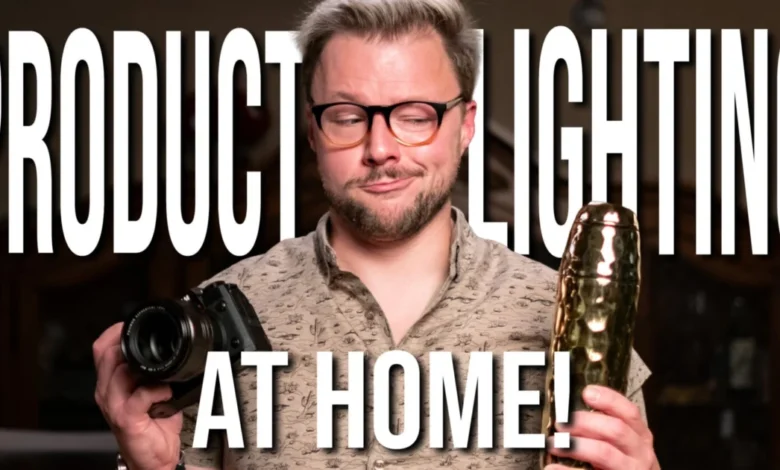
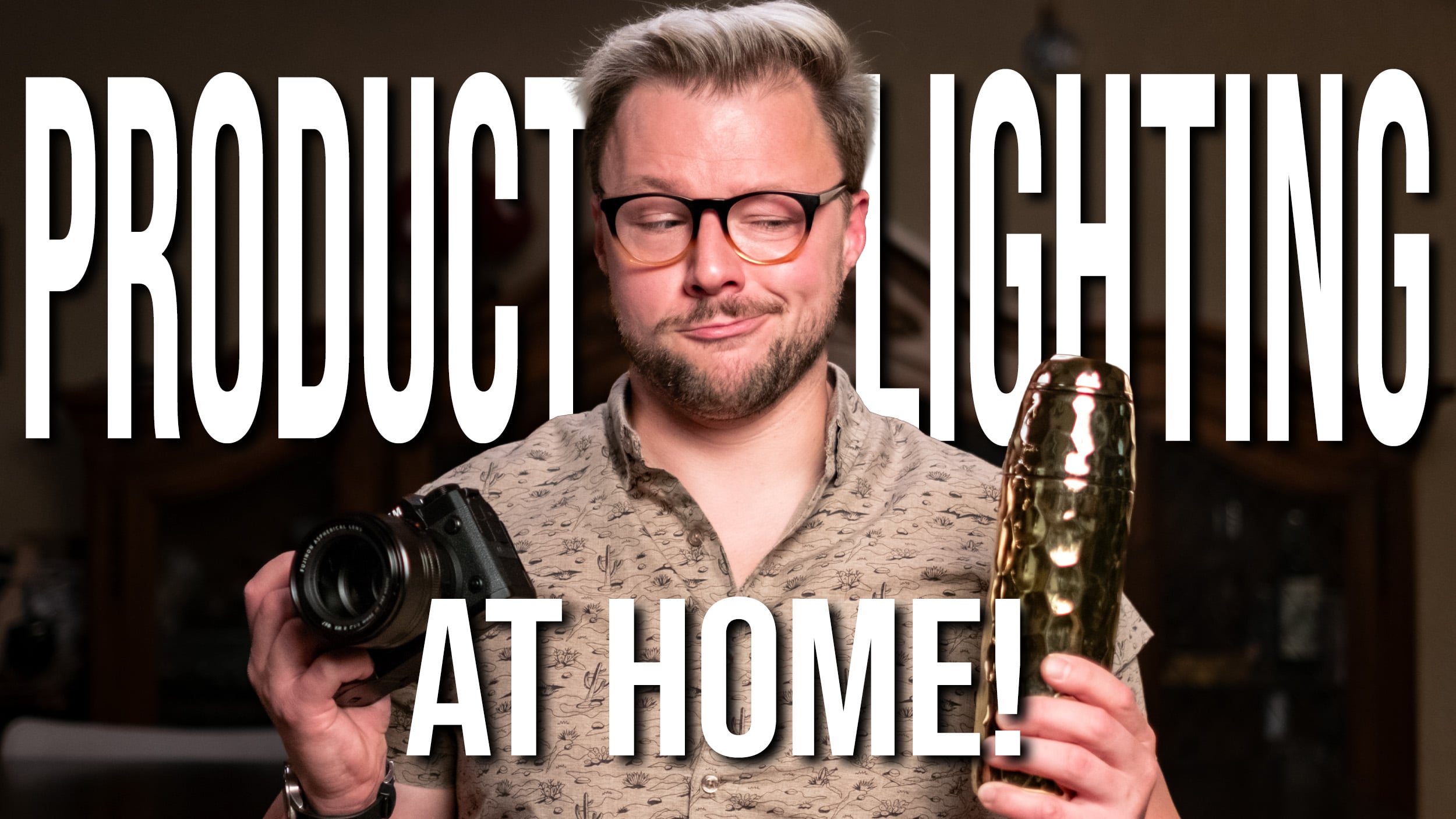
Recently, a well-known culinary brand approached a content creator with an unconventional request: provide feedback on an unreleased product, a meticulously designed cocktail shaker. Rather than submitting a standard survey, the creator opted for a more dynamic approach, leveraging their home environment and existing equipment to produce a comprehensive promotional video. This initiative, undertaken within the confines of a dining room, highlights the evolving landscape of product marketing and the potential for accessible technology to yield professional-quality results. The project, spanning an initial product evaluation to the final video edit, demonstrates a strategic pivot from traditional feedback mechanisms to tangible content creation, ultimately serving both the brand’s promotional needs and the creator’s artistic expression.
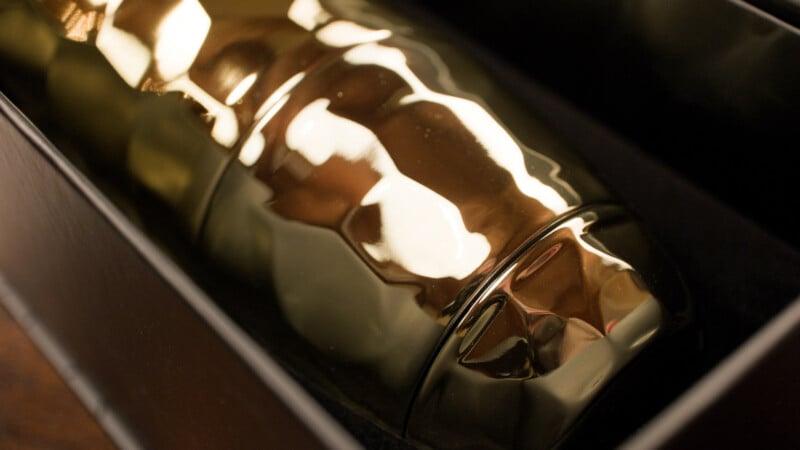
The genesis of this project can be traced back to a desire to move beyond the conventional, often perceived as mundane, survey process. Recognizing the visual appeal of the product—a cocktail shaker characterized by its sleek design and multifaceted gold finish—the creator envisioned a more engaging method of showcasing its features. This led to the ambitious decision to produce a full promotional video, transforming a dining room into a makeshift studio. The underlying objective was to assess the product’s aesthetic appeal and functional design not just through written critique, but through its visual representation in action, thereby providing the brand with actionable marketing assets.
Strategic Lighting: Mastering Reflections
The cocktail shaker’s design, lauded for its aesthetic elegance, presented a significant technical challenge: its highly reflective surface. Capturing the intricate details and luxurious finish of the gold facets demanded precise control over lighting. The creator’s approach prioritized mitigating ambient light to achieve a controlled environment, a critical step in product videography, especially when dealing with reflective materials.
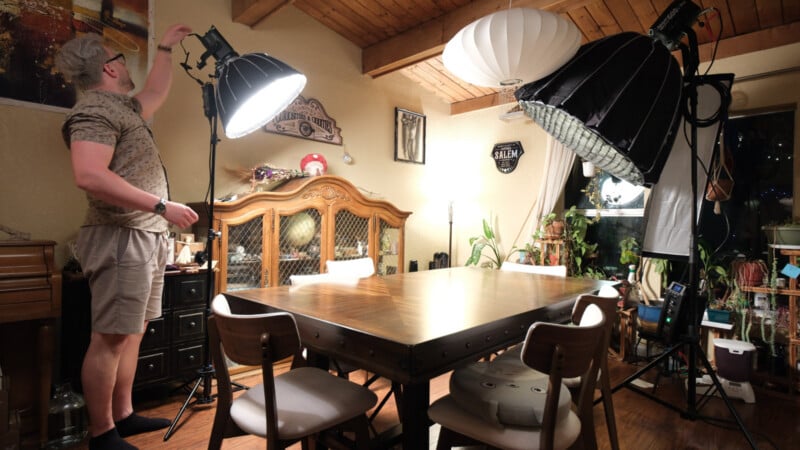
To achieve this, the primary window in the dining room was completely blacked out, and curtains were drawn on a secondary window. This meticulous blackout process, while not a complete studio blackout, was deemed sufficient given the power of the artificial lighting sources. The ability to overpower any residual ambient light allowed for fine-tuning the color temperature of the scene. In this instance, the creator opted to balance the lighting around 2,700 to 2,900 Kelvin, a warmer tone that complemented the existing warm hues within the dining room environment, thereby enhancing the overall aesthetic.
The lighting setup involved a multi-point strategy. A key light, an Aputure 600 Bicolor LED fitted with a medium dome softbox, was positioned to illuminate the cocktail preparation area. Crucially, a grid was attached to this light to narrow its beam and prevent light spill, ensuring focused illumination. For added depth and separation, two edge lights were employed. A Nanlite 150, equipped with a small circular dome softbox, served as one edge light, while another Nanlite 150 with a narrow Godox softbox was utilized as the second edge light. Grids were also applied to these edge lights to further control light diffusion and prevent unwanted reflections or flares. This layered lighting approach was instrumental in sculpting the product, highlighting its contours and minimizing harsh glare.
Dynamic Movement: Injecting Life into Product Shots
Beyond static product shots, the project emphasized the incorporation of movement to create a more engaging narrative. While tripods are essential for stability, product videography thrives on dynamic motion, such as smooth push-ins, dollies, and rotations that reveal the product from multiple angles.
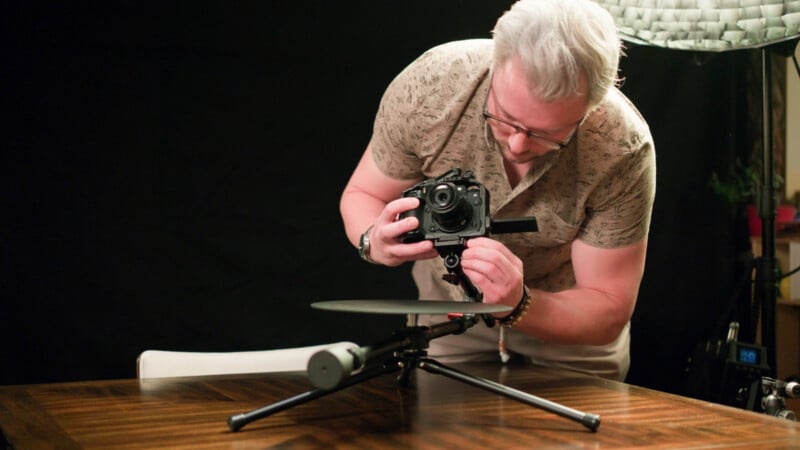
To facilitate controlled push-in shots, a motorized 30-inch slider was employed. However, for cylindrical products like cocktail shakers and glasses, a more immersive approach was desired. This led to the acquisition of a small turntable, enabling the camera to orbit the product. This technique allowed for continuous focus on the shaker while capturing its reflections and the interplay of light as it rotated, offering a comprehensive view of its design.
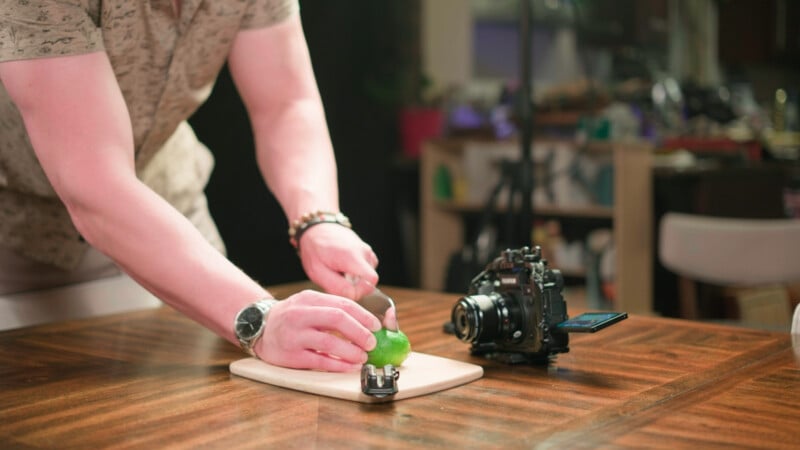
The initial phase of filming involved static shots captured from a tripod. These were crucial for highlighting intricate details, such as the squeezing of citrus for garnishes or close-ups of preparation techniques. The challenge here was maintaining precise manual focus throughout these action sequences, ensuring that all elements within the frame remained sharp and in focus. Overhead shots were also achieved by positioning the tripod on the dining table and directing the camera downwards, again with meticulous manual focus control.
Following the static shots, the turntable became the central element for dynamic filming. The shaker was placed on the turntable, focus was meticulously set, and multiple takes were executed with various rotational speeds and camera movements. This process allowed for capturing smooth, consistent spins that showcased the product’s form. Furthermore, many of these shots were filmed at 120 frames per second. This higher frame rate offers significant creative flexibility in post-production, enabling the addition of slow-motion effects that can enhance visual appeal and highlight subtle details, such as the flow of ingredients or the condensation on a glass.
A particularly innovative technique involved the use of the slider to simulate a "razor blade gliding across plastic packaging." Instead of moving the camera, the packaging was placed on the slider, and the camera remained stationary. This created the illusion of the camera tracking the blade, a subtle yet effective way to demonstrate precision and detail in product presentation.
The Impact of Accessible Technology on Product Marketing
The successful execution of this project within a home environment underscores a significant trend in modern marketing: the democratization of high-quality content creation. The creator’s ability to produce a professional-looking promotional video using a relatively limited set of equipment—a camera, lights, and a few camera rigs—demonstrates that elaborate studio setups are not always a prerequisite for compelling product showcases. This accessibility has profound implications for small businesses, independent creators, and even larger brands looking to produce content more efficiently and cost-effectively.
The project’s success can be attributed to a strategic understanding of fundamental production principles: precise control of lighting, the intelligent use of movement to enhance viewer engagement, and the creative application of existing tools. The creator’s proactive approach, turning a feedback request into a substantial marketing asset, illustrates a shift from passive evaluation to active content generation. This model allows brands to receive not only critical feedback but also ready-to-use promotional material that can be directly integrated into marketing campaigns.
The implications of this approach extend to the broader marketing landscape. As consumers become increasingly discerning, the demand for authentic and visually appealing content grows. This project demonstrates that such content can be generated through resourcefulness and technical skill, rather than solely through high-budget productions. The ability to create sophisticated product videos from home environments also offers a potential solution for businesses facing budget constraints or seeking to maintain agility in their marketing efforts.
A Broader Context: The Evolution of Product Promotion
This initiative aligns with a larger trend of brands seeking more authentic and relatable ways to connect with their audiences. In an era saturated with advertising, content that feels genuine and is produced with a personal touch can resonate more effectively. The creator’s decision to film in their dining room, rather than a sterile studio, adds an element of approachability and relatability to the final product. This "behind-the-scenes" authenticity, even when carefully curated, can foster a stronger connection with potential customers.
The timeline of the project, from initial product reception to the completion of the video, was likely condensed due to the creator’s direct involvement and the efficient use of their home space. This contrasts with traditional product development cycles, where feedback and marketing asset creation can often be sequential and time-consuming processes involving multiple external agencies. The creator’s ability to integrate these stages into a single, cohesive effort highlights the potential for streamlined workflows in the digital age.
While specific data on the market reception of this particular cocktail shaker is not yet available, the methodology employed in its promotion offers valuable insights. By showcasing the product’s elegance and functionality through a professionally executed video, the brand is better positioned to capture consumer interest. The focus on visual storytelling, enhanced by controlled lighting and dynamic movement, aims to translate the product’s premium qualities into a compelling digital experience.
Conclusion: Challenging Conventional Limits
The creator’s successful production of a promotional video for a high-end cocktail shaker, executed entirely within their home dining room, serves as a powerful testament to the potential of accessible technology and creative resourcefulness. The project’s core message—that one need not possess a professional studio to achieve impressive product videography—resonates deeply within the current marketing landscape. By meticulously controlling lighting, strategically incorporating movement, and devising unique shooting setups with existing equipment, the creator demonstrated that high-quality visual content is within reach for a broader range of individuals and businesses.
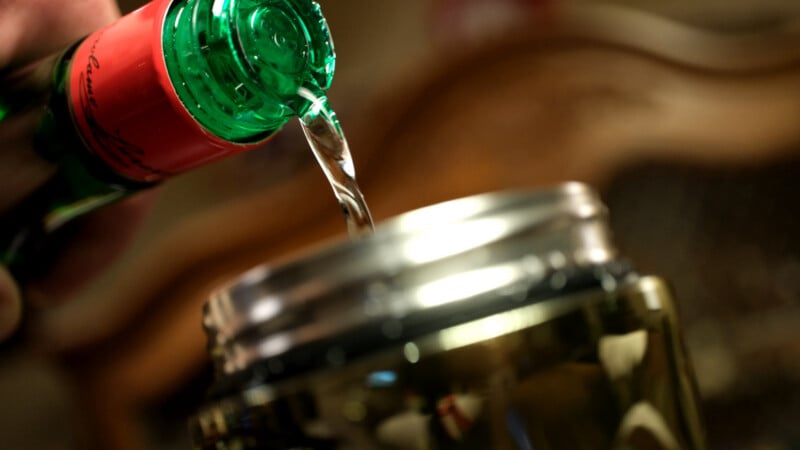
This endeavor encourages a mindset of continuous creation and self-challenge, urging professionals to transcend perceived limitations imposed by equipment or location. The moral of the story is clear: innovation and artistic vision, when coupled with a solid understanding of production fundamentals, can lead to surprisingly effective and visually appealing results. The culinary brand, by embracing this unconventional approach to feedback and marketing, has likely gained valuable insights into its product and a compelling piece of promotional content, all while fostering a collaborative spirit with the creator. This initiative not only highlights the versatility of modern filmmaking tools but also underscores the enduring importance of creativity and adaptability in the ever-evolving world of product promotion.
Related posts: