Delta Air Lines Signals Shift in SkyMiles Strategy with Record Low Award Rates to Australia and New Zealand

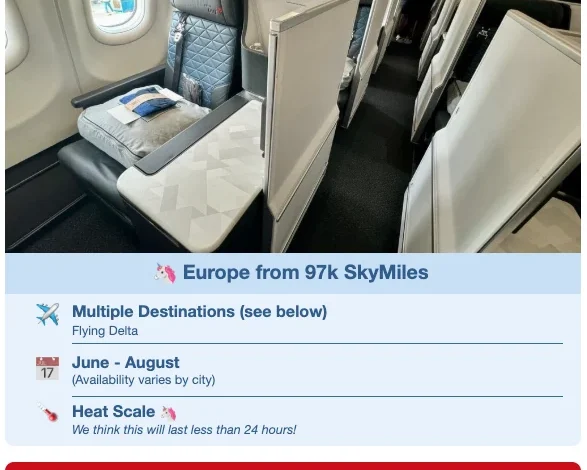
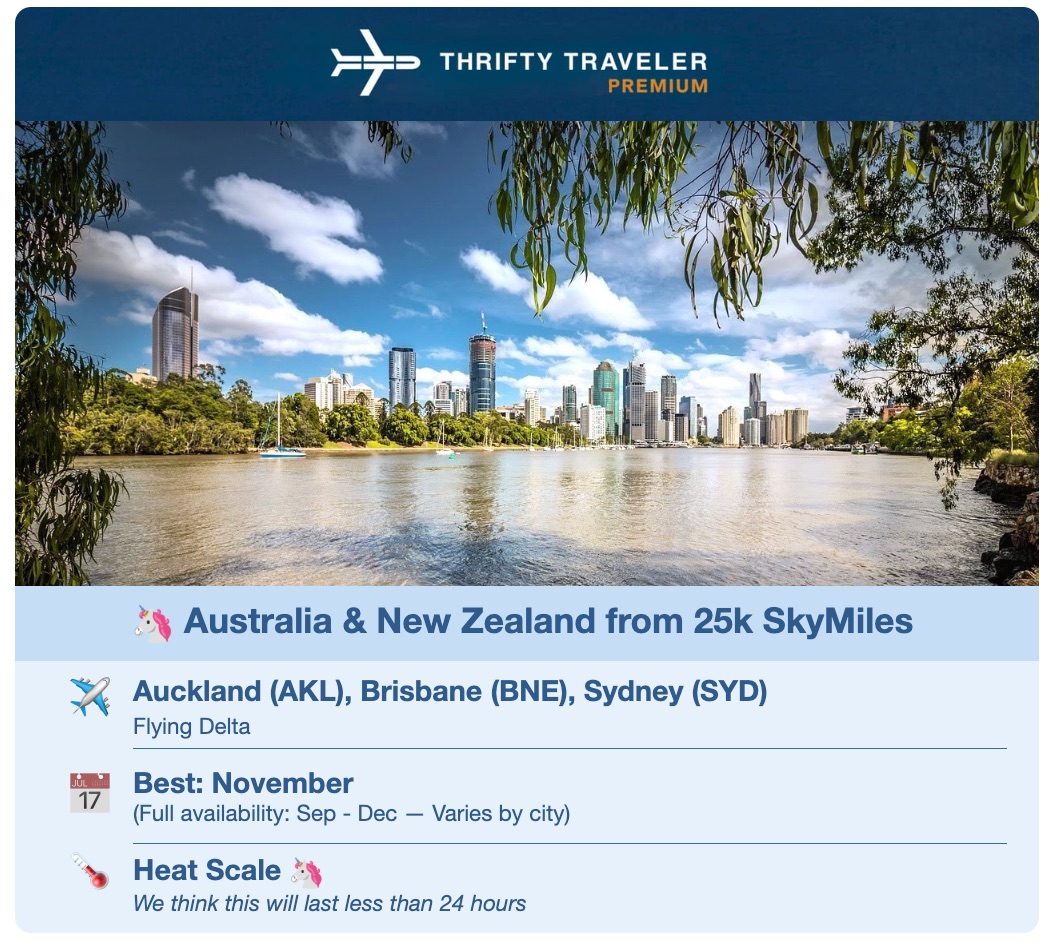
Delta Air Lines has executed what industry analysts are characterizing as one of the most significant devaluations of traditional award pricing in the history of the SkyMiles program, offering roundtrip flights to Australia and New Zealand for as low as 25,400 SkyMiles. The unadvertised "flash sale," which appeared briefly on the airline’s booking engine before rates were adjusted, represents a stark departure from the typical redemption costs for trans-Pacific travel, which frequently exceed 100,000 miles for economy class. The deal was accessible not only from major gateways like Los Angeles International Airport (LAX) but also from approximately 200 secondary and regional airports across the United States, suggesting a fundamental shift in how the Atlanta-based carrier manages its loyalty inventory and hub-based pricing models.
Detailed Breakdown of the Record-Breaking Redemption
The offer targeted key South Pacific destinations, specifically Brisbane (BNE), Australia, and Auckland (AKL), New Zealand. While Delta has historically maintained high redemption floors for these long-haul routes—often charging upwards of 120,000 SkyMiles for a roundtrip—the recent discovery saw prices plummet to 25,400 miles. To put this figure in perspective, many domestic roundtrip flights within the United States, such as routes to New York, Chicago, or Las Vegas, often command higher mileage requirements during peak travel periods.
The pricing was primarily available in Delta’s Basic Economy cabin. However, the airline also offered Main Cabin upgrades for an additional 12,000 to 18,000 miles. These upgrades provided travelers with the ability to select seats in advance and offered more flexible cancellation policies, including full refunds of miles for a nominal fee or free of charge, depending on the specific fare rules. Furthermore, holders of co-branded Delta SkyMiles American Express cards were able to leverage the "TakeOff 15" benefit, which provides a 15% discount on all award redemptions, bringing the final cost for some passengers to the unprecedented 25,400-mile mark.

Chronology of the Unadvertised Flash Sale
The timeline of the event highlights the rapid and volatile nature of modern dynamic pricing in the airline industry. The deal was first identified by flight deal researchers in the early morning hours, appearing without any official announcement or marketing campaign from Delta. Within hours of the initial discovery, word of the pricing anomaly spread through premium travel communities and alert services.
By mid-afternoon, Delta had begun adjusting the rates. While nonstop flights from Los Angeles remained at lower-than-average levels for a slightly longer duration, the "feeder" flights from the nearly 200 other U.S. cities saw their prices revert to standard levels within a six-hour window. This rapid correction suggests that the pricing may have been a "tactical" sale designed to fill specific remaining capacity for the upcoming travel season in the Southern Hemisphere, which runs from late 2024 into early 2025. Despite the short window, data suggests that hundreds of travelers successfully ticketed reservations at these rates, with cash values for the same flights often exceeding $1,500.
Historical Context: From SkyPesos to Strategic Value
For the better part of a decade, the Delta SkyMiles program has faced criticism from the points and miles community. Critics often referred to the currency as "SkyPesos," a derogatory term highlighting the perceived lack of value and the absence of a fixed award chart. Delta was the first of the "Big Three" U.S. carriers (alongside United Airlines and American Airlines) to move toward a purely dynamic pricing model, where the mileage cost of a seat is closely tethered to its cash price.
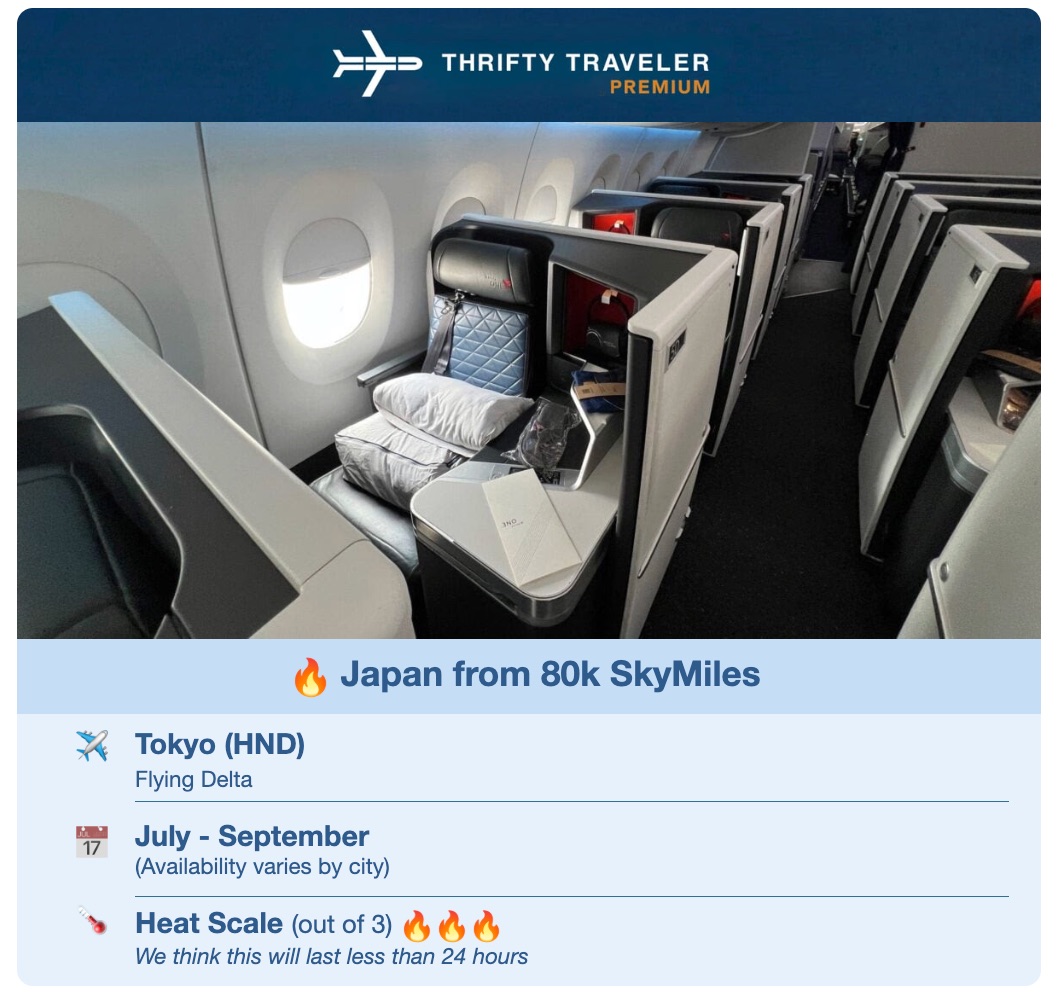
However, 2024 and 2026 have seen a noticeable trend of "unicorn" deals that challenge this narrative. In the six weeks leading up to the Australia sale, Delta offered several other significant discounts:
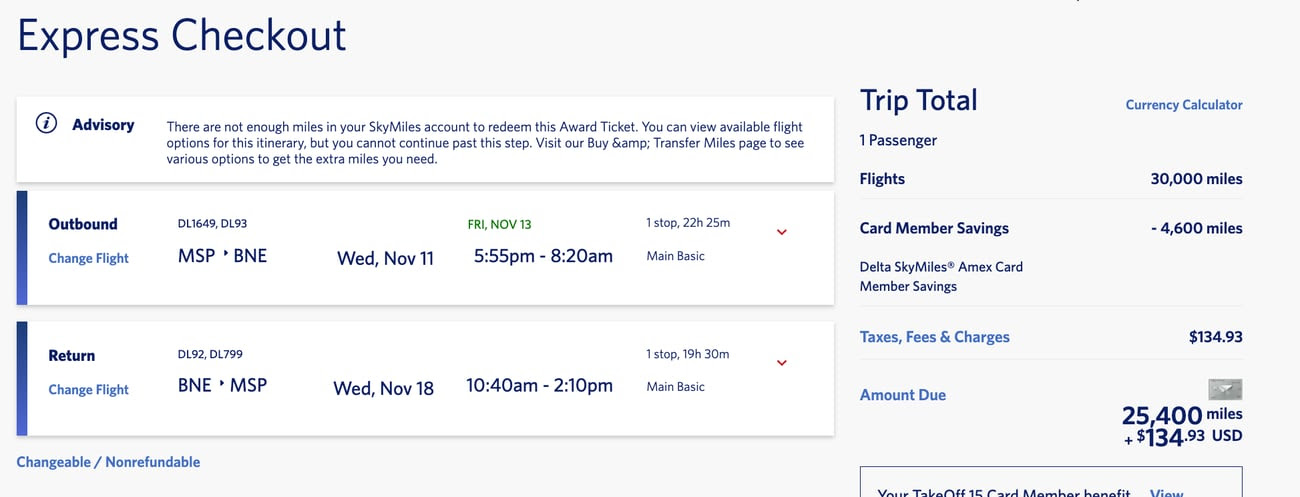
- Delta One (Business Class) suites to Tokyo-Haneda for 80,000 SkyMiles.
- Roundtrip flights to various European capitals for 30,000 to 40,000 SkyMiles.
- Domestic short-haul flights for as low as 5,000 SkyMiles.
These moves indicate that while the "floor" for SkyMiles redemptions remains high for average bookings, the airline is increasingly using deep-discount flash sales to drive engagement and clear inventory on specific routes.
The Erosion of the Hub Penalty
One of the most notable aspects of the recent Australia deal was the lack of a "hub penalty." Historically, Delta passengers flying out of the airline’s primary fortresses—such as Atlanta (ATL), Minneapolis-St. Paul (MSP), Detroit (DTW), and Salt Lake City (SLC)—faced significantly higher award rates than those flying from "competitive" markets where Delta was trying to poach customers from other airlines.
In this instance, the 25,400-mile rate was observed across a vast network of airports, including small regional outposts. This democratization of award pricing suggests that Delta’s revenue management algorithms are prioritizing load factors across the entire network over traditional hub-based premium pricing. By allowing a passenger in a small Midwestern city to book a flight to Brisbane for the same mileage as a passenger in Los Angeles, Delta is effectively increasing the utility of its loyalty program for a broader segment of its customer base.
Market Analysis and Competitive Landscape
The timing of this deal coincides with a period of increased competition in the trans-Pacific market. United Airlines has significantly expanded its footprint in the South Pacific, and Qantas has modernized its fleet to offer more direct connections to the U.S. West Coast. Delta’s recent launch of the Los Angeles to Brisbane route, along with its established Auckland service, requires high sustained load factors to remain profitable.
Travel industry analysts suggest that these unadvertised sales serve two purposes. First, they allow the airline to fill seats that would otherwise go empty without devaluing the "brand" through public, advertised fire sales. Second, they reinforce the value proposition of the Delta-American Express partnership. With the SkyMiles program generating billions of dollars in revenue through credit card spend, maintaining a perception of "aspirational value"—the idea that a dream trip to Australia is attainable—is crucial for retaining cardholders.
Implications for the Future of Loyalty Programs
The shift away from public "Sales" pages toward unadvertised, algorithmically driven discounts represents the new frontier of airline loyalty. For the consumer, this means that the traditional method of waiting for a promotional email is no longer effective. Instead, the value is found by those who utilize real-time monitoring tools or remain flexible with their travel plans.
Furthermore, this trend suggests that Delta is rethinking the role of SkyMiles. Rather than viewing miles solely as a liability on the balance sheet, the airline is using them as a surgical tool to manage capacity. By offering "unicorn" deals, Delta creates a "lottery effect" where members continue to accumulate miles in the hope of catching the next record-low rate.
Impact on Travelers and Industry Reaction
While Delta has not issued an official statement regarding the Australia flash sale, the reaction from the travel community has been one of cautious optimism. Many travelers who had previously written off SkyMiles as a "low-value" currency are now re-evaluating their loyalty strategies.
"This is a clear signal that the rules of the game have changed," says one loyalty program analyst. "We are seeing a move toward extreme volatility. The highs are higher, but the lows are now lower than we ever thought possible in the era of dynamic pricing."
For the broader industry, Delta’s strategy may force competitors to respond. If United or American perceive a significant shift in passenger preference toward Delta due to these high-value redemptions, they may be forced to implement similar unadvertised "web-only" specials to keep their own loyalty members from defecting.
Conclusion
The 25,400-mile roundtrip to Australia and New Zealand stands as a landmark event in the evolution of Delta SkyMiles. It serves as a case study in how modern airlines are utilizing big data and dynamic pricing to manage inventory in a way that occasionally benefits the savvy consumer. While the era of predictable, fixed-rate award charts is over, the emergence of these deep-discount flash sales suggests that there is still significant value to be found for those who understand the changing landscape of airline loyalty. As Delta continues to refine its strategy, the focus for travelers will likely shift from long-term hoarding of miles to a more agile "earn and burn" approach, designed to capitalize on these fleeting windows of opportunity.
Related posts: