The Ultimate Guide to Cape Cod Family Day Trips: Exploring Massachusetts’ Premier Coastal Destination


Cape Cod, a hook-shaped peninsula extending into the Atlantic Ocean from the southeastern corner of mainland Massachusetts, remains one of the most storied and frequented vacation destinations in the United States. While many travelers dedicate a full week or more to exploring its 15 distinct towns, the region is increasingly becoming a primary target for sophisticated day-trip itineraries. Whether visitors are focused on the pristine beaches of the National Seashore, the high-level research institutions in Woods Hole, or the historic charm of the oldest English settlements in North America, the Cape offers a dense concentration of cultural and recreational assets. However, successfully navigating a day trip to this region requires a deep understanding of local geography, seasonal traffic patterns, and the logistical nuances of New England travel.
Navigating the Gateway: Infrastructure and Traffic Realities
The primary challenge for any Cape Cod day trip is the region’s unique infrastructure. Access to the peninsula is restricted to two primary vehicle spans: the Sagamore Bridge and the Bourne Bridge. Both bridges, managed by the U.S. Army Corps of Engineers, were constructed in the 1930s and serve as the only lifelines for the millions of vehicles that enter the region annually. According to data from the Massachusetts Department of Transportation (MassDOT), traffic volume surges exponentially during the summer months, particularly on Friday afternoons for arrivals and Sunday evenings for departures.
For families planning a single-day excursion from mainland Massachusetts or Boston, experts recommend scheduling visits on weekdays—Tuesday through Thursday—to mitigate the risk of gridlock. The "Cape Cod Canal" serves as a psychological and physical boundary; once across, visitors must choose between the "Upper Cape," "Mid-Cape," "Lower Cape," and "Outer Cape," each offering a distinct atmosphere and set of attractions.
The Upper Cape: Scientific Discovery and Historic Roots
The "Upper Cape" consists of the towns closest to the mainland: Bourne, Falmouth, Sandwich, and Mashpee. Because of their proximity to the bridges, these towns are the most logical choices for families seeking to maximize their time on the ground rather than in transit.
Woods Hole and Falmouth
Woods Hole, a vibrant village within the town of Falmouth, is globally recognized as a center for marine science. It is home to the Woods Hole Oceanographic Institution (WHOI) and the Marine Biological Laboratory. For families, the Woods Hole Science Aquarium offers a glimpse into local marine life and the research conducted in the surrounding waters. Beyond science, Falmouth serves as a major transportation hub; the Steamship Authority operates frequent ferry services to Martha’s Vineyard from the Woods Hole terminal.

For those preferring land-based recreation, the Shining Sea Bikeway provides a 10.7-mile paved path following a former railroad line. Stretching from the ferry terminal to North Falmouth, the trail offers scenic views of marshes, ponds, and the Vineyard Sound. Local vendors offer a variety of bicycle rentals, making this an accessible option for families who do not wish to transport their own equipment.
Sandwich: The Oldest Town
Established in 1637, Sandwich holds the title of the oldest town on Cape Cod. It is a destination defined by its glass-making history and botanical beauty. The Sandwich Glass Museum documents the town’s industrial past, while the Heritage Museums & Gardens features 100 acres of magnificent grounds, a vintage carousel, and a notable collection of American automobiles. For adult travelers or those with older children, the recent addition of a Tree House Brewing Company location has turned Sandwich into a destination for craft beer enthusiasts, offering panoramic views of the Cape Cod Canal.
The Mid-Cape: Family-Centric Attractions and Maritime History
As one moves further east into the Mid-Cape—comprising Barnstable, Yarmouth, and Dennis—the atmosphere shifts toward classic Americana and family-oriented entertainment.

Yarmouth: The Hub for Families
Yarmouth is frequently cited as the most family-friendly town on the Cape. It is characterized by a high density of miniature golf courses, ice cream parlors, and roadside attractions. A significant cultural highlight is the Whydah Pirate Museum in West Yarmouth, which houses the only authenticated pirate shipwreck ever discovered. The museum provides an immersive look at the 18th-century galley Whydah, which sank off the coast of Wellfleet in 1717. Additionally, the Wicked Waves Water Park and numerous south-facing beaches on Nantucket Sound offer warmer waters and gentler waves than the Atlantic-facing shores, making them ideal for younger children.
Chatham: Coastal Elegance
Located at the "elbow" of the Cape, Chatham represents the quintessential New England maritime village. The town is famous for its walkable Main Street, lined with upscale boutiques and independent cafes. One of the most popular free activities for families is a visit to the Chatham Fish Pier. Here, a dedicated observation deck allows visitors to watch commercial fishing boats unload their daily catch, a process that invariably attracts dozens of harbor seals seeking easy scraps. This provides an organic wildlife viewing experience that is both educational and entertaining for children.
The Lower and Outer Cape: Nature and the National Seashore
The Lower and Outer Cape regions are defined by their rugged natural beauty and the influence of the Cape Cod National Seashore, a 40,000-acre preserve established by President John F. Kennedy in 1961.
Nickerson State Park and the Rail Trail
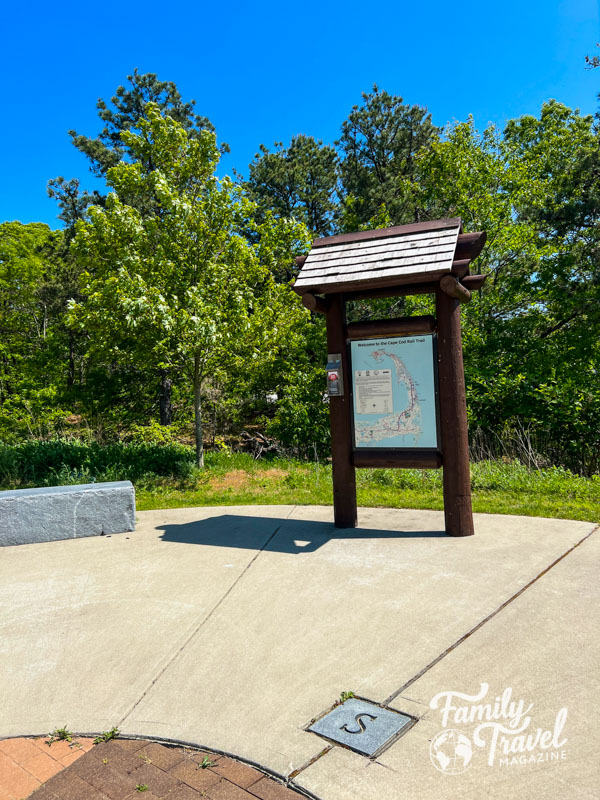
In the town of Brewster, Nickerson State Park offers a stark contrast to the salt-water beaches found elsewhere. The park features nearly 2,000 acres of woodland and "kettle ponds"—freshwater lakes formed by retreating glaciers. It serves as a major access point for the Cape Cod Rail Trail, a 25.5-mile paved path that winds through six towns. The trail is a vital piece of the region’s recreational infrastructure, allowing families to traverse the Cape’s interior away from vehicle traffic.
Provincetown: The Tip of the Cape
At the very end of Route 6 lies Provincetown, a town known for its bohemian spirit, artistic heritage, and historical significance. It was here that the Pilgrims first anchored the Mayflower in 1620 before proceeding to Plymouth. The 252-foot Pilgrim Monument commemorates this event and offers the highest observation point on the Cape.
For day-trippers from Boston, Provincetown is uniquely accessible via "fast ferries" that depart from Long Wharf and the World Trade Center. These high-speed catamarans complete the journey in approximately 90 to 95 minutes, bypassing the notorious bridge traffic entirely. Once in town, families can join whale-watching excursions to the Stellwagen Bank National Marine Sanctuary, one of the world’s premier sites for viewing humpback and finback whales.
The Island Excursions: Martha’s Vineyard and Nantucket
While Martha’s Vineyard and Nantucket are often grouped with Cape Cod, they are distinct destinations that present significant logistical hurdles for day-trippers. Both islands are accessible only by sea or air.
Martha’s Vineyard, being larger, often requires a vehicle or the use of the comprehensive Vineyard Transit Authority (VTA) bus system to see its six towns. Nantucket, conversely, is more compact; its historic downtown is easily explored on foot or by bicycle immediately upon disembarking the ferry. For families already staying on the Cape, a day trip to the islands is a feasible and popular "vacation within a vacation." However, for those coming from the mainland, the combined travel time of driving to the ferry and the boat ride itself can consume upwards of six hours, leading travel analysts to suggest an overnight stay to fully appreciate the island culture.
The Plymouth Connection: A Historical Gateway
Though technically located on the "South Shore" of the mainland rather than the Cape itself, Plymouth is an essential component of the regional travel narrative. It serves as a logical stop for families traveling toward the Cape from the west or south. The Plimoth Patuxet Museums offer a world-class living history experience, featuring a 17th-century English Village and a Patuxet homesite. The Mayflower II, a full-scale reproduction of the original ship, is docked at the state pier and provides a tangible link to the founding of the Plymouth Colony.
Broader Economic and Environmental Implications
The popularity of Cape Cod day trips has profound implications for the region’s economy and environment. Tourism is the lifeblood of the Cape, generating billions of dollars in annual revenue and supporting thousands of small businesses. However, the sheer volume of visitors places immense pressure on the delicate coastal ecosystem. Coastal erosion, exacerbated by rising sea levels and frequent nor’easters, threatens the very beaches that draw tourists.
Furthermore, the seasonal nature of the tourism industry creates a "shoulder season" challenge. Local officials have recently focused on promoting the Cape as a year-round destination, highlighting autumn festivals and winter retreats to stabilize the local economy. For the day-tripper, this means that visiting in the late spring or early fall—often called the "shoulder season"—can result in a more relaxed experience with significantly less traffic and lower costs.
Summary of Logistics and Planning
For families organizing a day trip, the following data-driven tips are essential:

- Ferry Travel: The Boston-to-Provincetown ferry saves approximately 2 to 3 hours of driving time during peak summer weekends.
- Bridge Crossings: MassDOT data suggest crossing the bridges before 10:00 AM for arrivals and before 2:00 PM for departures to avoid the heaviest congestion.
- Activity Booking: High-demand activities, such as whale watching in Provincetown or dune tours in Truro, often sell out weeks in advance during July and August.
- Parking: In towns like Sandwich and Woods Hole, municipal lots fill early; utilizing "Park and Ride" services or arriving before 9:00 AM is recommended.
In conclusion, a family day trip to Cape Cod is more than a simple visit to the beach; it is an excursion into the heart of American history and maritime culture. By understanding the geographical layout and respecting the logistical constraints of the peninsula, visitors can craft a rewarding experience that captures the essence of this unique coastal treasure.