Syria, a land steeped in millennia of history and currently navigating the profound complexities of protracted conflict and economic hardship, presents a unique and challenging destination for international travelers. While the country’s name often conjures images of devastation and instability, firsthand accounts reveal a more nuanced reality, one marked by the enduring spirit of its people and the quiet resilience of its ancient heritage. For those considering a journey to Syria, understanding the current landscape—its challenges, its beauty, and its potential for responsible tourism—is paramount.
A Glimpse into Contemporary Syria: Beyond the Headlines
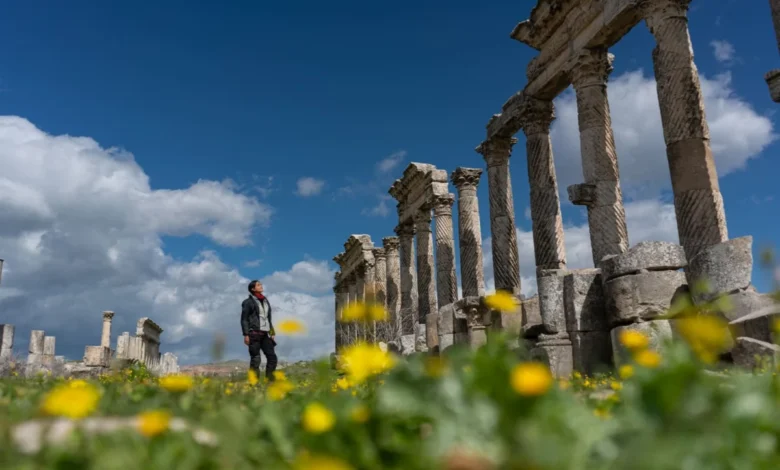
The question of what it is like to travel to Syria today is multifaceted, eliciting a spectrum of experiences that defy simple categorization. For many visitors, the allure lies in the opportunity to witness iconic historical sites, such as the ancient Roman city of Palmyra, often with a profound lack of the typical tourist crowds that once thronged such landmarks. The prospect of exploring hidden courtyards in Damascus, enjoying local hospitality, or witnessing breathtaking sunsets over ancient fortifications, as described by those who have recently visited, offers a stark contrast to the dominant narrative of destruction.
However, these remarkable experiences are interwoven with the stark realities of a nation grappling with the aftermath of over a decade of civil war. Bullet-pocked facades of once-grand buildings, scorched structures that stand as silent testaments to past violence, and the pervasive impact of ongoing economic sanctions, including those affecting energy resources, are ever-present reminders of the country’s struggles. The current state of Syria positions it as an "off the beaten track" adventure for foreign visitors, a status born not from a deliberate desire for isolation, but from the immense challenges it faces due to war and economic crisis.
Despite these considerable obstacles, the sentiment among those who have recently traveled to Syria is that the country is not entirely closed off to visitors. Instead, it represents a destination waiting for the return of international tourism, a sector that was once a significant contributor to its economy, attracting millions of visitors annually and generating billions in revenue before the conflict escalated in 2011.
Navigating the Path to Syria: Possibilities and Requirements
The possibility of traveling to Syria is a reality, albeit one that requires careful planning and adherence to specific regulations. While international news coverage can create an impression of insurmountable barriers, the reality on the ground is more accessible than often perceived. Unlike some other destinations described as "off the beaten track," Syria possesses a foundational infrastructure and a historical understanding of tourism that has persisted through the conflict.
It is crucial to acknowledge that the prevailing news cycle often presents an incomplete picture. Syria is not a monolithic "shell-shocked desert wasteland," nor has it been entirely reduced to rubble by earthquakes. The nation’s historical significance as a major tourist hub before 2011 means that while the country has transformed significantly, its understanding of hospitality and tourism remains. While the specter of further conflict may linger in the minds of many, the Syrian tourism industry is actively working towards recovery.
The primary requirement for foreign tourists seeking to enter Syria is the mandatory accompaniment by a government-approved tour guide or tour operator. This regulation is a key component of the visa process and ensures a structured and monitored approach to foreign visitation. This is the framework through which many recent visitors, including those who have undertaken extensive journeys by motorcycle, have experienced the country. Companies like Syrian Guides, based in Damascus, are comprised of young, experienced professionals passionate about their country’s rebuilding efforts. They aim to demonstrate that visiting Syria is not only possible but also safe, fostering a connection between international travelers and a nation eager to showcase its enduring spirit.
The Syrian Experience: A Tapestry of Ancient Wonders and Modern Realities
For travelers venturing into Syria today, the experience often transcends initial expectations. While awareness of the war’s devastating impact is a given, it is equally important to recognize that life continues beyond the conflict’s direct reach. Millions of Syrians remain in their homeland, their lives carrying on with a quiet determination. This desire to witness this continuity, to see life flourishing amidst adversity, is a significant motivator for many.
The architectural and cultural richness of Syria is profoundly striking. Traditional guesthouses, often hidden behind unassuming facades, reveal tranquil courtyards adorned with gurgling fountains and shaded by lush citrus trees, particularly the fragrant naranj. In Damascus, vibrant cafes buzz with activity, frequented by a diverse populace, where the social custom of smoking shisha is common. The privilege of having ancient castles and Roman colonnades largely to oneself, as many visitors report, offers an unparalleled connection to history. The ability to enjoy a glass of wine amidst ancient olive groves or wander through historic city streets while the call to prayer resonates creates a unique sensory experience. Syria, at its core, is a captivating blend of diverse customs, religions, and cultures, a testament to its historical position as a crossroads of civilizations.
However, this undeniable beauty and cultural depth exist alongside the undeniable geopolitical realities that have shaped Syria for over a decade. The country has been a focal point of a complex civil war and a proxy battleground for regional and international powers, including Saudi Arabia, Iran, the United States, and Russia, alongside various rebel factions and the Syrian regime. These political rivalries cast a long shadow over the nation’s resilient charm. Observing young shepherds guiding their flocks through fields dotted with wildflowers, with the skeletal remains of homes damaged by conflict in the distance, offers a poignant juxtaposition. While cities may glitter with the vibrant life of shisha cafes and bars, travel between them after sunset can be an exercise in navigating pitch-black routes, passing through villages long abandoned to violence and military presence.
Therefore, travel to Syria is characterized by a duality: comfort and discomfort. Travelers can readily access comfortable accommodations and organized tourist services, yet they are compelled to confront the stark reality of a nation still deeply affected by war and economic crisis.
Assessing Safety: A Calculated Perspective
The question of safety in Syria is naturally a primary concern for potential travelers. While the notion of visiting a country that has experienced prolonged conflict might evoke apprehension, firsthand accounts suggest that Syria can be safer than many might anticipate, provided due diligence and adherence to guidance are maintained.
A crucial aspect to consider is the ongoing conflict in the region, particularly the war in Gaza. While the vast majority of attacks related to this conflict are concentrated within Gaza itself, a limited number of strikes have occurred in Syria. These have predominantly targeted locations associated with Iranian military presence or officials, rather than areas frequented by casual foreign tourists. Reports indicate that some missile strikes have targeted airport runways in Aleppo and Damascus, aimed at disrupting supply chains rather than causing civilian casualties.
From a statistical perspective, the likelihood of a foreign tourist being directly affected by such attacks is considered to be low. The inherent risks associated with navigating daily life in many urban environments, such as crossing busy roads during peak hours, can be statistically comparable to, or even higher than, the risk of encountering an airstrike. This assessment, while perhaps unsettling, underscores the importance of informed decision-making based on current conditions and guidance from reliable sources.
The Ethical Dimension of Syrian Tourism
As travelers consider the prospect of visiting Syria, an ethical dimension emerges, prompting reflection on motivations and impact. Legitimate reasons for travel abound, including a deep interest in Syria’s rich history and diverse cultures, connections with Syrian diaspora communities, a desire to support a struggling tourism sector, and a genuine curiosity about life in a country navigating post-conflict recovery.
However, it is imperative to distinguish these motivations from those driven by morbid curiosity or a desire to sensationalize. Traveling to Syria solely to document destruction, engage in "rubble tourism," or create "survival" vlogs risks exploiting the nation’s ongoing rebuilding process. Syria does not need to be treated as a dark tourism playground. There is a critical difference between acknowledging the impact of war and glorifying or centering it in one’s narrative. The people of Syria are engaged in a profound process of recovery, and their homeland deserves to be seen beyond its designation as a conflict zone.
For those with respectful intentions, genuine curiosity, and a willingness to listen and learn, Syria is likely to offer a profoundly rewarding experience. The opportunity to travel recreationally to Syria as a foreigner represents a privilege, especially considering the struggles faced by many of its citizens. This awareness should inform the traveler’s conduct, emphasizing respect, humility, and a deep appreciation for the resilience of the Syrian people.
A Recommendation for the Curious Traveler
For travelers motivated by a desire to understand Syria’s magic, its struggles, and the intricate tapestry of life that persists within its borders, the recommendation is clear: embark on the journey. By engaging with local communities, supporting responsible tourism initiatives, and approaching the experience with an open mind and a respectful heart, visitors can contribute positively to the nation’s slow but determined path toward recovery and reconnection with the world. The potential for profound personal growth and a deeper understanding of human resilience makes Syria a destination of significant, albeit complex, merit.
Transparency in Travel
It is important to note that the author’s trip to Syria was facilitated by Syrian Guides, a tour company based in Damascus. While this sponsorship allowed for the exploration and experience detailed in this account, it is crucial to emphasize that partnerships are undertaken only with companies whose professionalism, organization, and ethical practices align with the author’s standards. Syrian Guides, despite being a relatively young company, is staffed by individuals with extensive experience in the tourism sector. Their dedication to showcasing Syria’s potential and their commitment to facilitating enriching and adventurous travel experiences are highly commendable. Travelers interested in exploring Syria can connect with Syrian Guides through their website, www.syrianguides.com, and can find further insights from other travelers’ reviews on platforms such as TripAdvisor.