The global luxury travel market has undergone a significant transformation in the post-pandemic era, with high-net-worth families increasingly prioritizing "blue space" environments—coastal and waterfront locations—that offer a blend of seclusion, ecological education, and multi-generational amenities. According to industry data from the Family Travel Association, nearly 85% of parents plan to travel with their children in the coming year, with a marked preference for destinations that provide "transformative" experiences over traditional passive relaxation. As the demand for sophisticated family-oriented hospitality rises, a select group of international resorts has set a new benchmark for waterfront luxury. These properties are defined not only by their proximity to the water but by their commitment to conservation, cultural immersion, and specialized programming for younger guests.
The Pacific Frontier: Ecological Stewardship in Fiji and French Polynesia
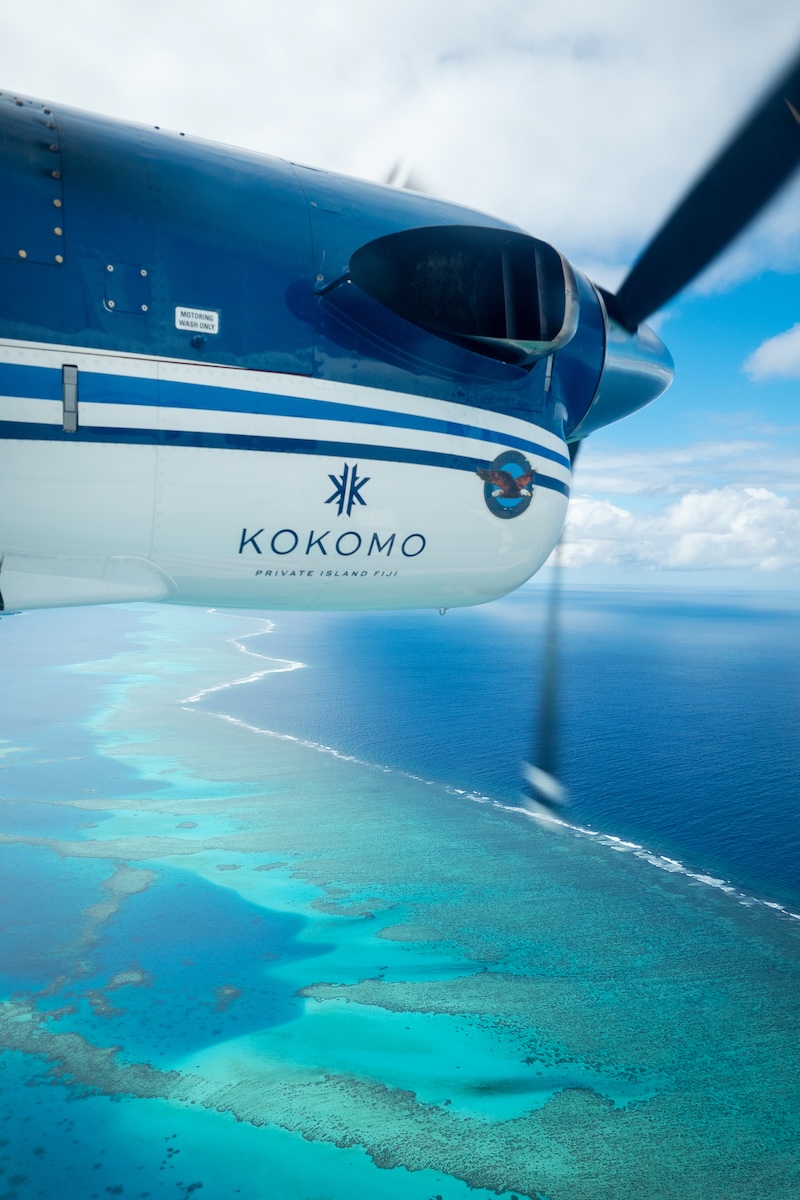
In the South Pacific, the concept of the private island resort has evolved to include rigorous scientific research and community engagement. Kokomo Private Island Fiji, located on the edge of the Great Astrolabe Reef—the fourth largest barrier reef in the world—serves as a primary example of this trend. Accessible via a 45-minute seaplane or helicopter transfer from Nadi International Airport, the resort operates on a model of low-impact, high-exclusivity luxury, featuring only 25 villas and residences.
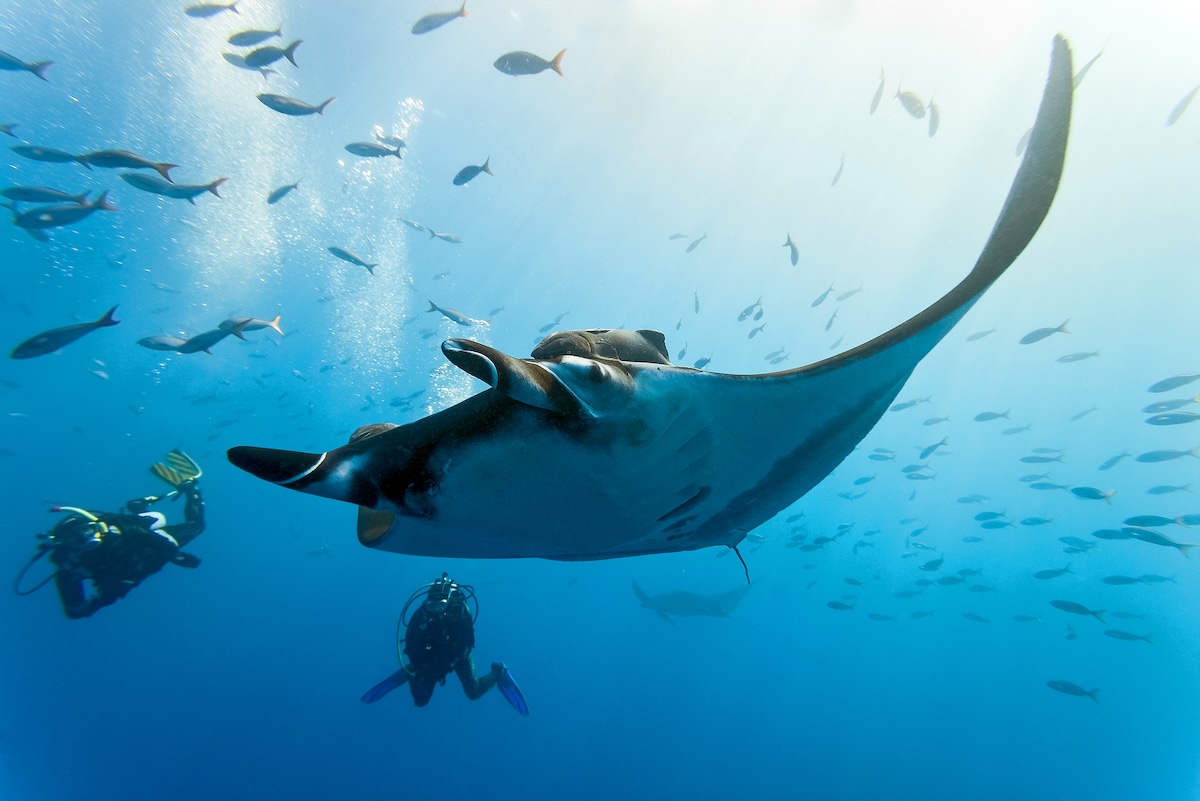
The resort’s primary differentiator is its integration with The Manta Project Fiji. Guests are encouraged to participate in citizen science by snorkeling with reef manta rays and providing photographic data to help naturalists identify individual animals for a national database. This educational component is mirrored in the resort’s operational logistics; despite its remote location, Kokomo provides comprehensive services, including a dedicated nanny for children aged three and under and inclusive laundry services, addressing the practical needs of long-haul family travelers.
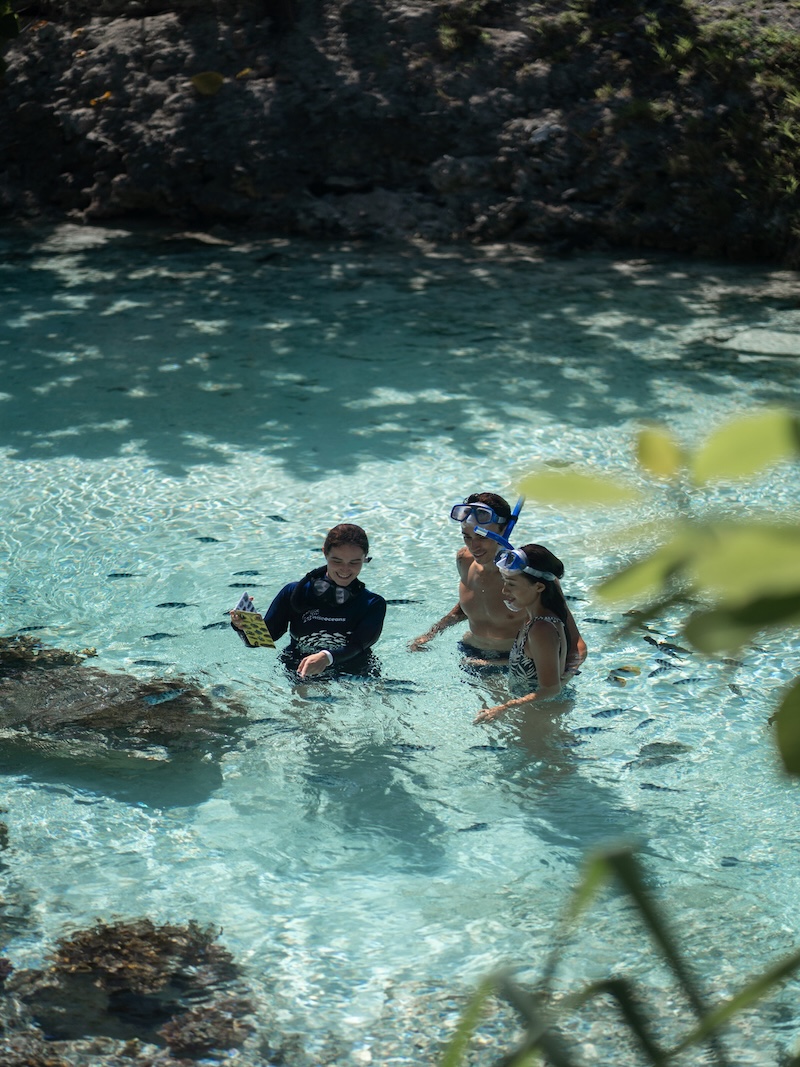
Further east, the Four Seasons Resort Bora Bora continues to lead the French Polynesian market by leveraging its unique geography. Situated on a private motu (islet), the resort manages a "Lagoon Sanctuary," an underwater educational center teeming with over 100 species of marine life. In collaboration with WiseOceans, a global marine conservation organization, the resort employs on-site marine biologists who lead coral grafting sessions. These sessions allow families to contribute to the restoration of the local reef habitat, providing a tangible sense of environmental contribution. Market analysts note that such "purpose-driven" activities are increasingly influential in the booking decisions of Millennial and Gen X parents.
Hawaiian Innovation: Sustainability and Educational Integration
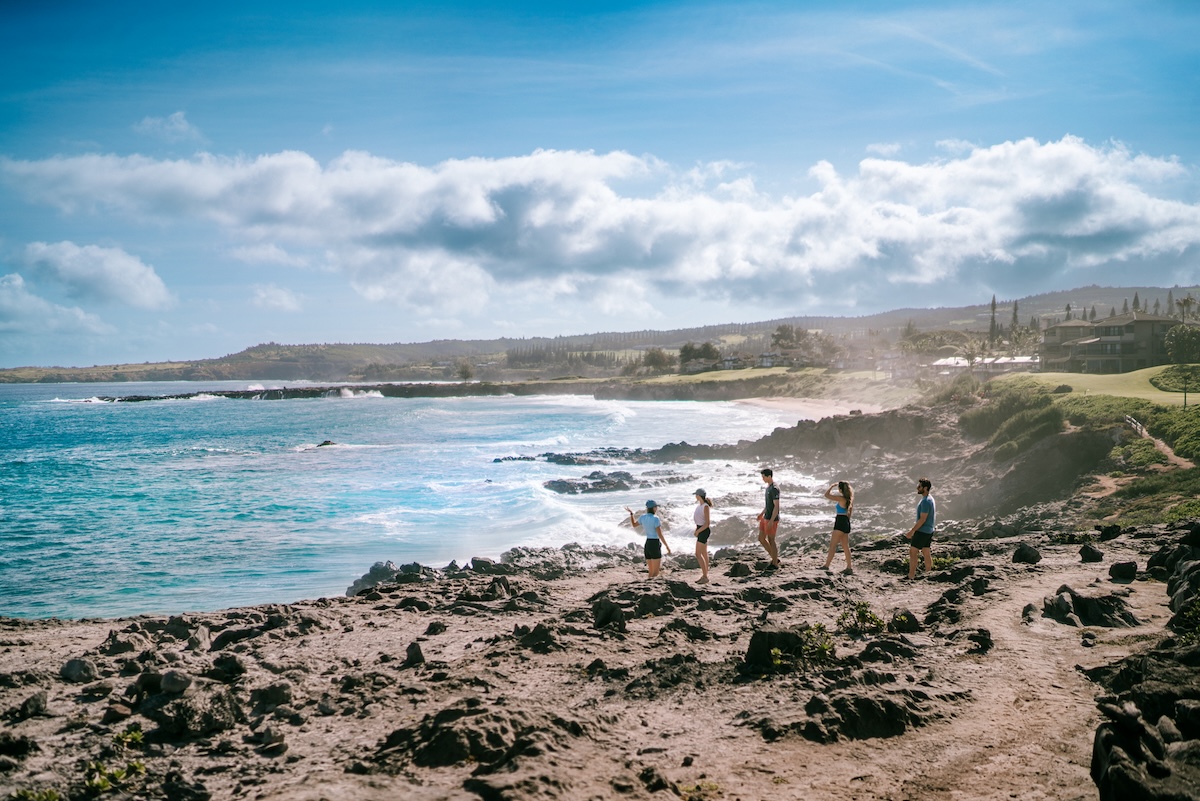
Hawaii remains a cornerstone of the North American family travel sector, but the focus has shifted from high-density tourism to sustainable, land-based stewardship. The Ritz-Carlton Maui, Kapalua, situated on 54 coastal acres, has moved away from the more commercialized atmosphere of Ka’anapali Beach to offer a program rooted in environmental literacy. The resort is one of only six locations globally to host Jean-Michel Cousteau’s Ambassadors of the Environment program.
This initiative provides children aged 5 to 14 with a curriculum that includes tidepooling, volcanic hike explorations, and green sea turtle (honu) observation. The program is designed to instill a sense of "Kuleana" (responsibility) in visitors, aligning with the Hawaii Tourism Authority’s current focus on regenerative tourism. To balance these educational demands, the resort offers high-end convenience via the Ritz-Carlton Club Lounge, which provides 24-hour food and beverage services, a critical amenity for families navigating time zone adjustments.
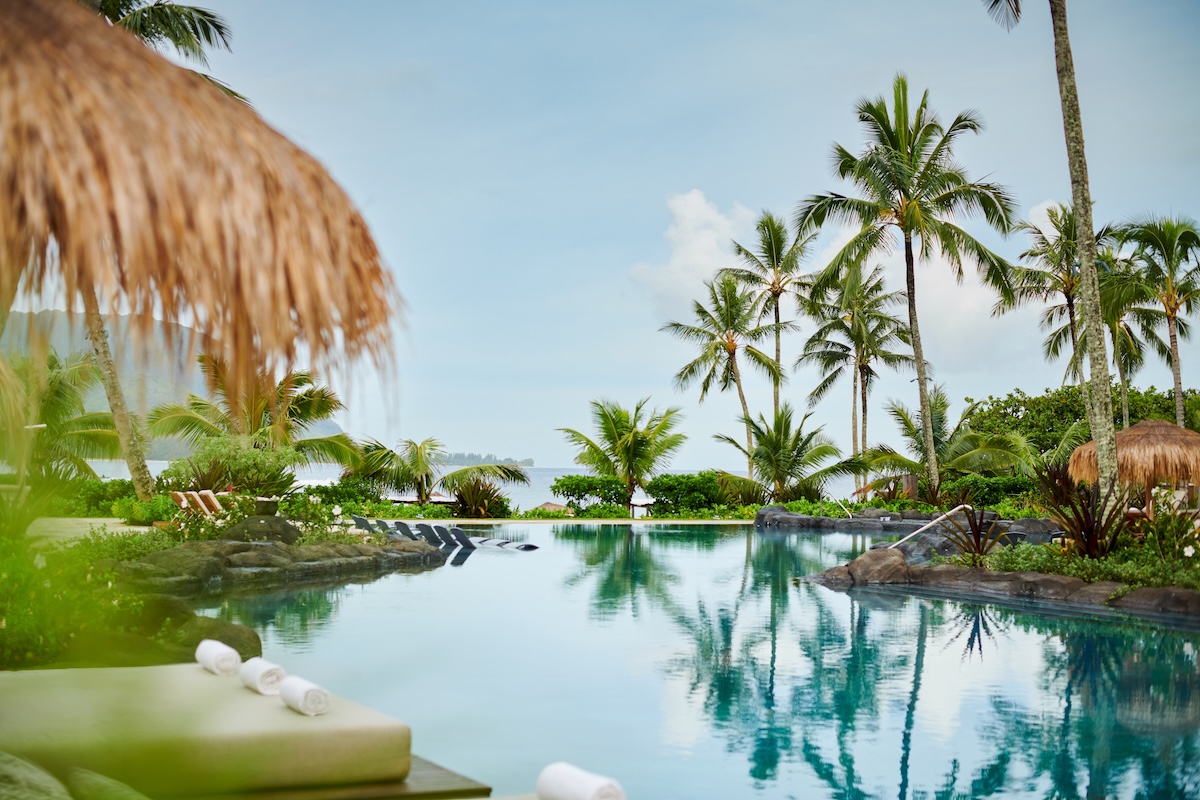
On the neighboring island of Kauai, the 1 Hotel Hanalei Bay represents the pinnacle of the "eco-luxury" rebranding movement. Formerly the St. Regis Princeville, the property underwent a massive renovation to align with 1 Hotels’ sustainability-focused mission. The architecture now incorporates living rooftops and indigenous landscaping that allows the structure to blend into the North Shore’s cliffs. The resort’s "Seedlings Aloha Camp" focuses on cultural education, such as lei making and the history of the fireknife performance, a traditional Samoan ritual integrated into the hotel’s weekend programming. Data from the hotel’s sustainability reports indicate that such initiatives have significantly reduced the property’s carbon footprint compared to its predecessor.
The Rise of Off-Grid and Indigenous-Led Tourism in North America
A significant shift in the travel industry is the growing interest in indigenous-led tourism, which offers guests a deeper connection to the history and ecology of a region. Klahoose Wilderness Resort, located in the Toba Inlet of British Columbia, is owned and operated by the Klahoose First Nation. This off-grid lodge, featuring only seven rooms, is accessible exclusively by boat or seaplane, offering a level of seclusion that is increasingly rare.
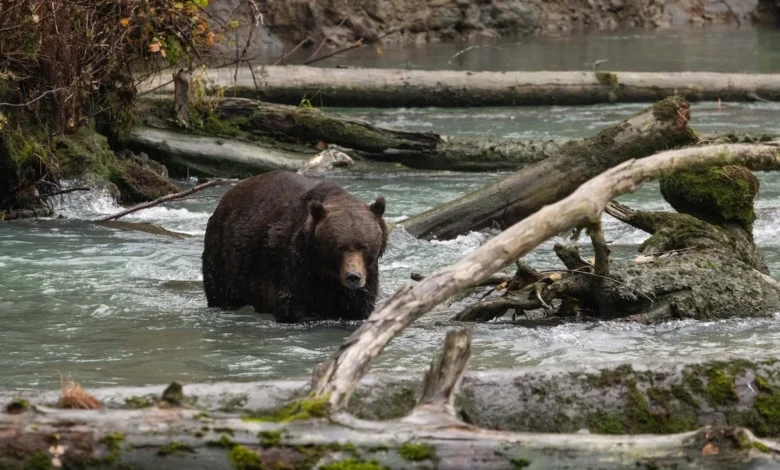
The resort’s primary attraction is its proximity to the Toba Valley watershed, a critical habitat for grizzly bears. From August to October, during the annual salmon spawn, the resort provides guided access to elevated viewing platforms. This experience is governed by strict environmental protocols to ensure the bears’ natural behavior is not disrupted. Beyond wildlife viewing, the resort serves as a cultural gateway, where guests learn about the Klahoose people’s ancestral connection to the land and water. This model of "slow travel" has seen a 20% increase in demand over the last three years as families seek to escape digital saturation.
Private Villa Models and Boutique Latin American Excellence
In the Caribbean, the demand for "bubble travel"—where families remain within a controlled, private environment—has bolstered the villa-hotel hybrid model. Bluefields Bay in Jamaica operates six private villas on the island’s less-developed southern coast. Each villa functions as a self-contained resort, equipped with a personal chef, butler, and 24-hour childcare. This model provides the privacy of a rental home with the service standards of a five-star hotel. Economic impact studies of the region suggest that this high-touch service model provides significant local employment opportunities, as each villa requires a dedicated staff of four to six individuals.
Meanwhile, in South America, Hotel AWA in Chile’s Lake District has emerged as a leader in socially responsible hospitality. In 2020, it became Chile’s first B Corp-certified hotel, a designation that requires meeting rigorous standards of social and environmental performance. Located on the shores of Lake Llanquihue, the hotel offers a gateway to Patagonia without the logistical challenges of the deep south.
The hotel’s programming is tailored for families with older children and teenagers, focusing on active exploration of the Osorno Volcano and surrounding national parks. The inclusion of all-inclusive gourmet picnics and private transfers allows for seamless transitions between the wilderness and the hotel’s luxury amenities. The private villa at Hotel AWA, which accommodates up to eight guests, reflects the growing trend of multi-generational "skip-gen" travel, where grandparents take grandchildren on significant educational journeys.
Market Analysis and Future Implications
The common thread among these seven resorts is the move away from "amenity-only" luxury toward "experience-integrated" luxury. For the modern traveler, a waterfront location is no longer sufficient; the water must serve as a classroom, a gymnasium, and a sanctuary.
Financial data from the luxury hospitality sector suggests that properties with strong environmental and social governance (ESG) credentials, such as Hotel AWA and 1 Hotel Hanalei Bay, are seeing higher ADR (Average Daily Rate) growth than traditional luxury hotels. Furthermore, the integration of high-level childcare—ranging from Fiji’s dedicated nannies to Jamaica’s around-the-clock service—is becoming a non-negotiable requirement for the ultra-high-net-worth segment.
As climate change continues to impact coastal ecosystems, the role of these resorts is expected to shift further toward conservation. Industry experts predict that the next decade will see a rise in "conservation fees" and "restoration tourism," where a portion of the nightly rate is directly funneled into local ecological projects. For families, this means that a waterfront getaway is no longer just a period of relaxation, but an investment in the preservation of the world’s most fragile aquatic environments.
The selection of these seven resorts illustrates a broader trend in global tourism: the professionalization of family travel. By combining high-end logistics with deep ecological and cultural substance, these properties have created a blueprint for the future of the waterfront getaway, ensuring that the next generation of travelers is as informed as they are refreshed.
Related posts: