Lazio Region Enhances Sustainable Tourism Through New Tiber River E-Bike Itineraries

The Lazio regional government, in collaboration with the Thybris River Experience, has launched a strategic initiative to diversify the region’s tourism portfolio through the development of specialized e-bike itineraries. Funded by the Region of Lazio, this project aims to alleviate the concentrated tourist pressure on the city of Rome by guiding visitors toward the culturally and naturally rich landscapes of the Tiber River valley. By integrating sustainable transportation with archaeological, culinary, and historical exploration, the initiative seeks to establish a new model for "slow travel" in central Italy.
Strategic Objectives and Regional Context
The primary objective of the Thybris River Experience is to connect travelers with lesser-known hill towns, protected nature reserves, and historical sites along the Tiber River as it flows from northern Lazio toward the Tyrrhenian Sea. While Rome remains one of the world’s most visited cities, attracting approximately 15 to 20 million tourists annually, the surrounding province of Lazio has historically seen significantly lower engagement. This project addresses the "overtourism" phenomenon by highlighting the "wide-open" potential of the region—a concept rooted in the Latin etymology of Lazio (latus), meaning wide.
The newly developed itineraries focus on three distinct geographic areas: the northern districts of Tuscia and Teverina, the Tevere-Farfa Natural Reserve, and the coastal archaeological sites of Ostia and Fiumicino. Each itinerary is designed to be accessible via a one-hour train ride from Rome, facilitating a seamless transition from the urban center to the rural periphery.

Itinerary I: The Medieval Heritage of Tuscia and Teverina
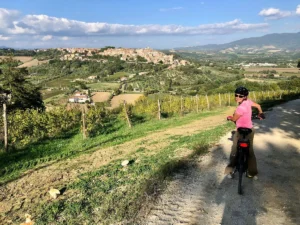
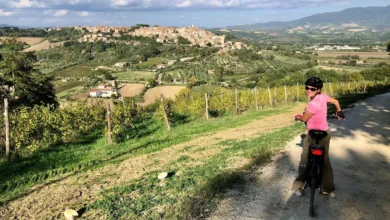
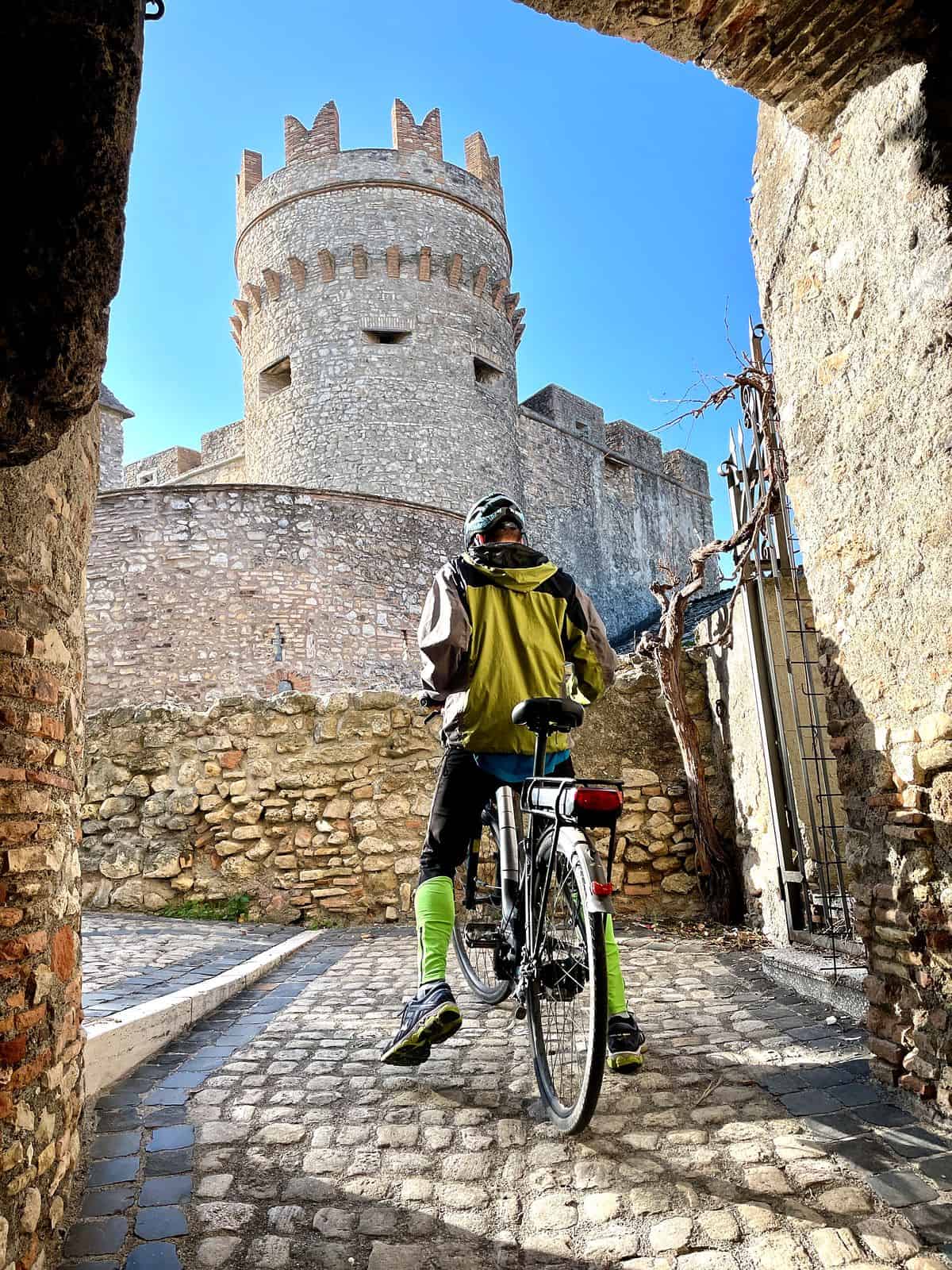
The northernmost segment of the project explores the Tuscia and Teverina districts, bordering the regions of Umbria and Tuscany. This area is characterized by high-altitude medieval "hill towns" perched atop volcanic tufa cliffs, including Civitella d’Agliano, Celleno, and Vitorchiano.
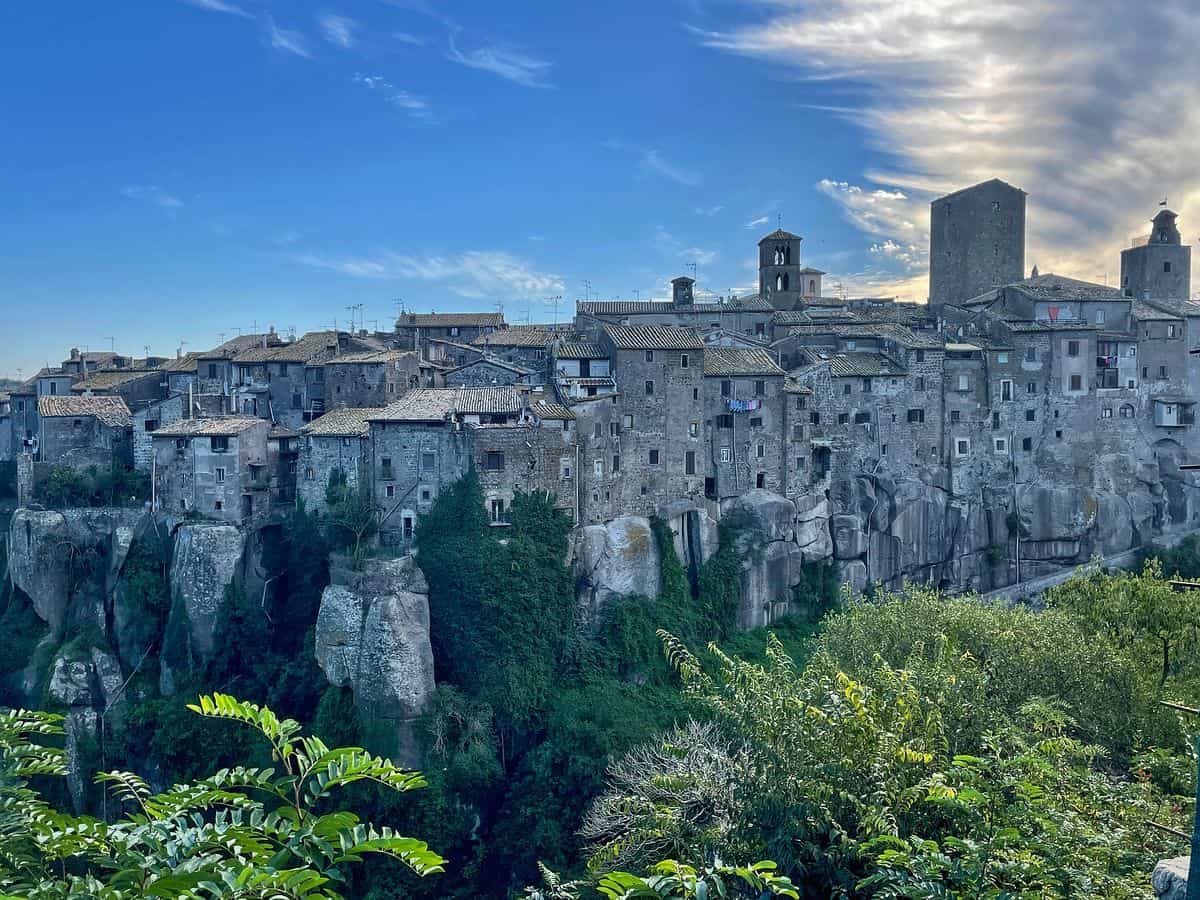
The Restoration of "Ghost Towns" and Local Crafts
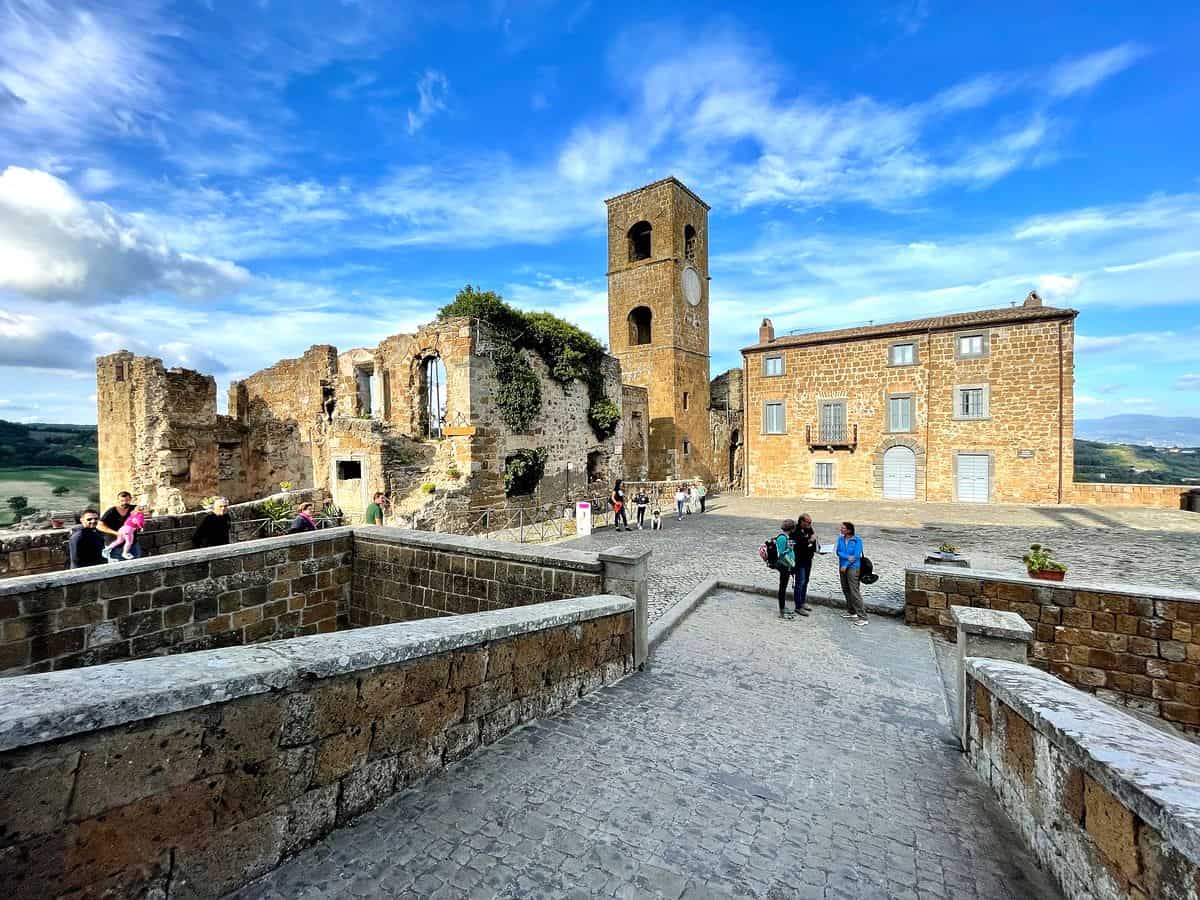
A significant feature of this itinerary is Celleno, known as Il Borgo Fantasma (the Ghost Town). Abandoned in the mid-20th century due to seismic instability and landslides, the town has been repurposed as an open-air museum. This site serves as a chronological record of medieval and 20th-century history, featuring exhibitions of antique sound devices and archaeological artifacts recovered from centuries-old refuse tunnels.

In nearby Civitella d’Agliano, the project emphasizes the preservation of local trades. The "Il Mulino dei Mestieri" (The Mill of Craftsmen) houses a restored collection of antique craftsmen’s bicycles. These specialized vehicles, used by obstetricians, photographers, and knife sharpeners in the early 20th century, highlight the historical reliance on cycling as a primary mode of professional transit in rural Italy.

Sustainable Viticulture and Economic Integration
To ensure the economic viability of these routes, the project integrates local agricultural businesses. The Trebotti winery in the Tuscia hills serves as a primary case study for sustainable tourism. Operating for over two decades with a focus on indigenous grapes and volcanic soil, the winery utilizes ancient Etruscan cellars and self-regulating air circulation systems to minimize environmental impact. By incorporating these businesses into the e-bike routes, the initiative ensures that tourism revenue directly supports local producers who adhere to organic and sustainable standards.

Itinerary II: Natural Preservation and Modern Military History
The second itinerary centers on the Tevere-Farfa Natural Reserve, the first protected area established in the Lazio region. This segment shifts the focus toward the ecological significance of the Tiber River and the preservation of 20th-century military history.

Ecological Restoration and River Mobility
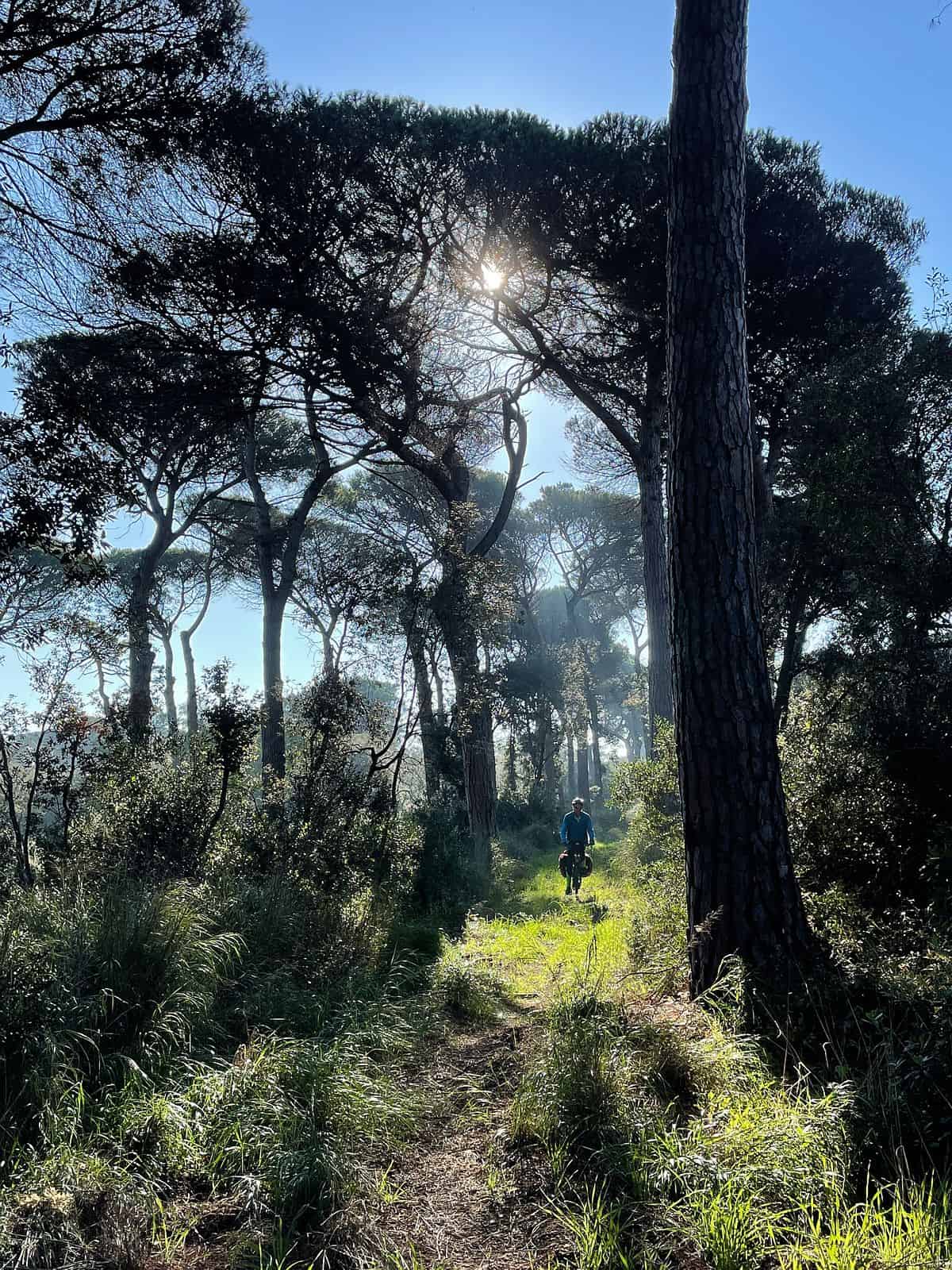
The Tevere-Farfa Reserve serves as a critical habitat for migratory birds and local wildlife, including grey herons and wild boars. The Thybris River Experience promotes a multimodal approach here, combining e-biking with canoeing. This allows visitors to experience the river’s volcanic "tufa" topography from the water, providing a perspective that traditional vehicular tourism cannot offer.

The Military Significance of Mount Soratte
Complementing the natural exploration is a deep dive into the military chronology of the region at Bunker Soratte. Located near the town of Sant’Oreste, this massive tunnel complex was commissioned by Benito Mussolini in 1937 as a strategic retreat. During World War II, it served as the Supreme Command of the South for Nazi German forces under Field Marshal Albert Kesselring. Later, during the Cold War, the tunnels were converted into a nuclear fallout shelter for the Italian government. The inclusion of Bunker Soratte provides a sobering historical counterpoint to the scenic landscapes, illustrating the region’s strategic importance throughout the 20th century.

Itinerary III: The Archaeological Gateways of Rome’s Coast
The final itinerary explores the "edge of Rome," focusing on the ancient ports and environmental reclamation projects in Ostia, Fiumicino, and Isola Sacra. This area represents the historical economic engine of the Roman Empire.

Ostia Antica and Portus: Snapshots of Ancient Commerce
While the Roman Forum is often crowded, Ostia Antica offers a remarkably preserved view of ancient daily life. As a former harbor city, it contains intact mosaics, bars, and theaters that reflect the city’s role as a commercial hub. The project also highlights Portus, the imperial harbors of Claudius and Trajan. Though now located three kilometers inland due to centuries of siltation, these hexagonal artificial basins were once the primary maritime gateways to the Mediterranean.

Regenerative Tourism at LIPU Oasis
In addition to ancient history, this itinerary includes modern environmental success stories. The LIPU Oasis (Centro Habitat Mediterraneo Ostia) is a prime example of regenerative tourism. Twenty years ago, the site was an informal garbage dump; today, it is a thriving wetland and bird sanctuary. The reclamation of over 7,000 trees and the establishment of bird hides allow for low-impact observation of flamingos and rare duck species. This site underscores the project’s commitment to "nature-positive" travel.

Supporting Data and Tourism Trends
The shift toward e-bike tourism in Lazio aligns with broader European trends. According to the European Cyclists’ Federation (ECF), the cycle tourism sector contributes more than €44 billion to the European economy annually. In Italy, the "National Plan for Cycleways" has identified the development of long-distance routes as a priority for post-pandemic economic recovery.
| Category | Impact/Data Point |
|---|---|
| Regional Reach | 3 Itineraries across 10+ municipalities |
| Environmental Impact | Zero-emission transport; 7,000+ trees planted in LIPU Oasis |
| Economic Integration | 15+ local artisans and agricultural producers included |
| Travel Trend | 20% increase in demand for "Slow Travel" in Italy (2023-2024) |
E-bikes, specifically, have lowered the barrier to entry for rural tourism. The hilly terrain of northern Lazio, which might be challenging for traditional cyclists, becomes accessible to a wider demographic—including older travelers and families—through electric assistance.

Broader Implications and Future Outlook
The Thybris River Experience represents more than a collection of travel routes; it is a destination positioning strategy. By branding northern and coastal Lazio as "Wide Open," the regional government is attempting to rewrite the narrative of central Italy.

Industry analysts suggest that this project could serve as a blueprint for other Italian regions facing overtourism. By leveraging existing infrastructure—such as the regional rail network that allows bikes on board—Lazio is maximizing the utility of its assets without requiring massive new construction.

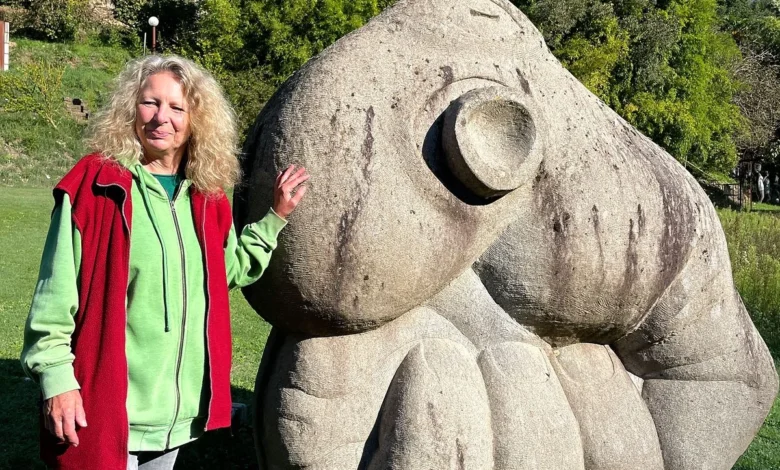
Furthermore, the project fosters a sense of community pride. In towns like Ponzano Romano and Isola Sacra, local historians and artists are actively involved in the storytelling process. This "human-centric" approach ensures that tourism does not become an extractive industry but rather a platform for cultural exchange.

As the itineraries continue to be refined based on pilot feedback, the Lazio Region intends to expand the network further along the Tiber’s path. The ultimate goal is a continuous, sustainable corridor that honors the river’s role as the lifeblood of Italian civilization, from its ancient origins to its modern-day ecological and cultural regeneration. Through the lens of the e-bike, the "Eternal City" is finally being reunited with its "Wide Open" province.