In the decade since remote work began its ascent into the global mainstream, the criteria for selecting a professional base have transitioned from mere aesthetic appeal to a complex matrix of logistical, economic, and social requirements. Since 2012, the digital nomad movement has evolved from a niche lifestyle into a significant economic demographic, prompting seasoned remote professionals to develop rigorous frameworks for evaluating potential residences. Industry experts and long-term practitioners suggest that the distinction between a tourist destination and a viable work-life hub lies in ten specific filters: nature, cost-to-quality ratio, amenities, community, leisure, connectivity, accessibility, healthcare, safety, and legal residency pathways.
The Evolution of the Remote Work Landscape
The trajectory of digital nomadism has seen a dramatic shift over the past twelve years. What began as a movement characterized by budget backpacking in Southeast Asia has matured into a sophisticated lifestyle involving high-earning professionals seeking long-term stability in diverse locales ranging from the Balkans to the Caribbean. Data from recent industry reports indicates that as of 2024, over 50 countries have introduced specific "Digital Nomad Visas" (DNVs) to attract this mobile workforce, acknowledging their role as significant contributors to local economies.
The transition from short-term travel to long-term "basing" requires a fundamental change in perspective. While a week-long vacation may prioritize nightlife or monuments, a three-to-six-month residency demands a focus on sustainable productivity and mental well-being. Observations from veteran nomads who have resided in dozens of countries, including Thailand, Bulgaria, and Mexico, highlight that the initial "honeymoon phase" of a new location often masks underlying logistical challenges that only become apparent after several weeks of daily operations.
Environmental and Psychological Factors: Nature as a Non-Negotiable
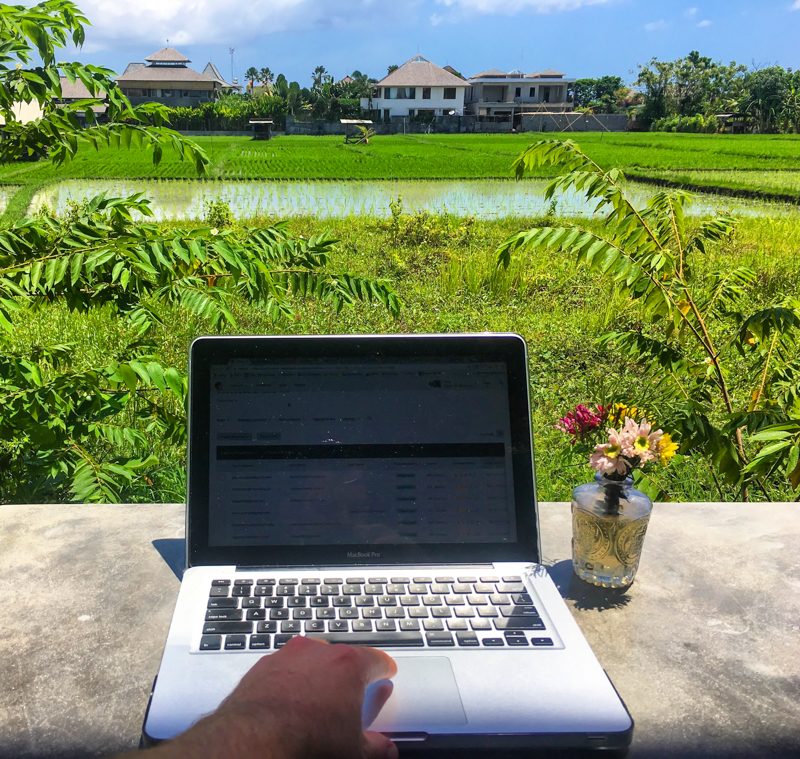
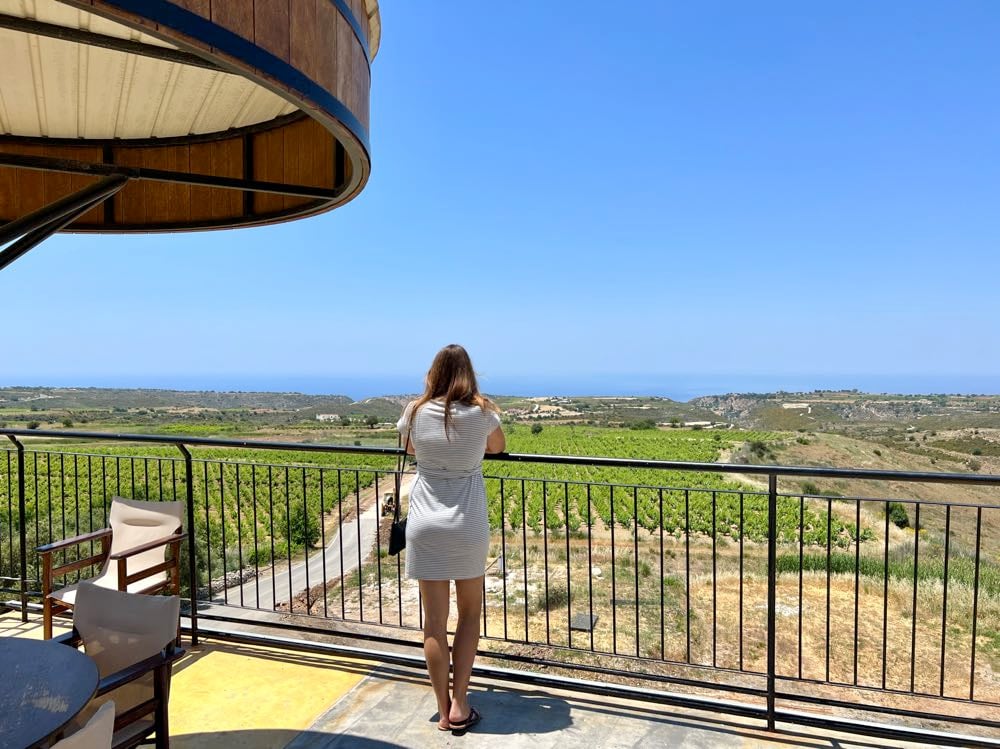
A primary filter for modern remote workers is the availability of natural environments. Empirical studies in environmental psychology have long suggested that access to "blue and green spaces" significantly reduces cortisol levels and enhances cognitive function—critical assets for those managing businesses from their laptops. For long-term stays, the presence of mountains, rivers, or coastal access is increasingly viewed as a functional requirement rather than a luxury.
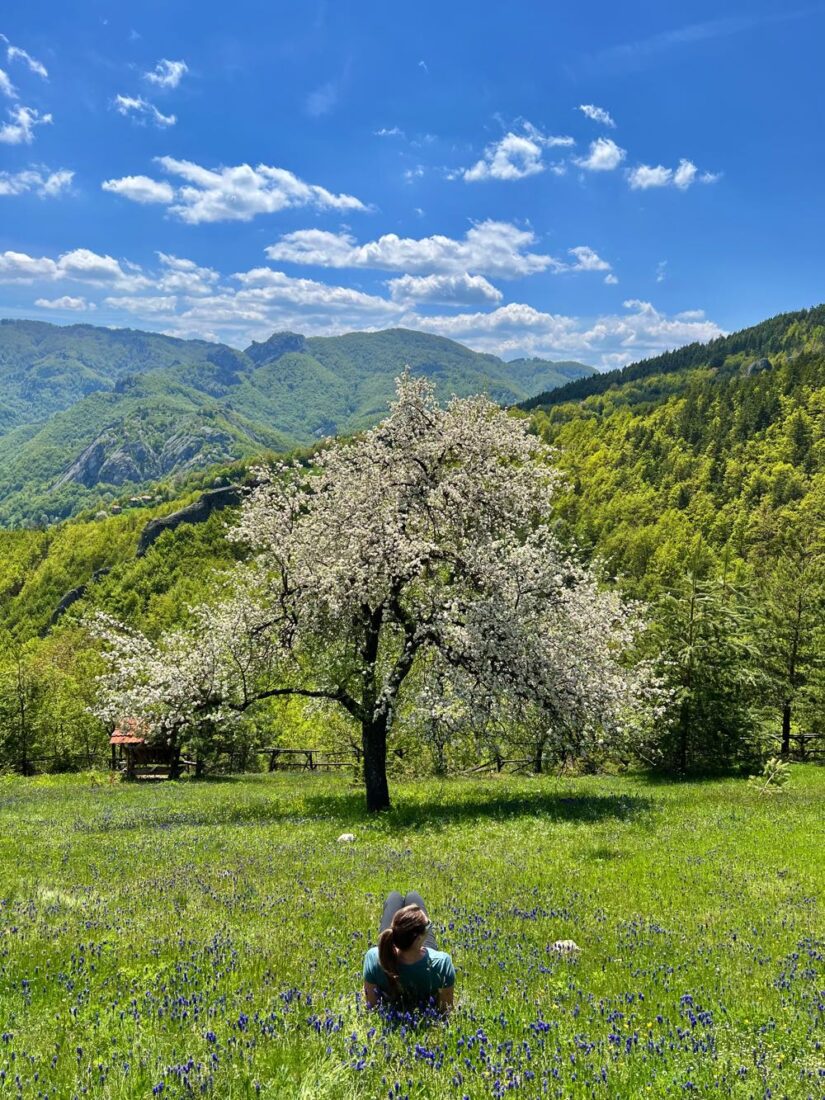
Case studies in locations like Bulgaria, which has become a significant nomad hub, illustrate this trend. The country offers a rare combination of the Black Sea coast and extensive mountain ranges like the Pirin and Balkan mountains. This geographical diversity allows for a variety of "recharge" activities, from hiking to skiing, which prevents the "burnout" often associated with working in isolated urban environments. Similarly, hubs in Thailand (beaches and jungles) and Montana, USA (alpine wilderness) cater to the psychological need for physical space and outdoor engagement.
Economic Equilibrium: The Cost of Living vs. Quality of Life Ratio
One of the most frequent errors made by new remote workers is over-prioritizing the lowest possible cost of living without accounting for the resulting quality of life. Journalistic analysis of nomadic spending patterns suggests that the "sweet spot" for residency is not found in the cheapest locations, but in those that offer high value for money. This includes access to diverse food options, comfortable and modern accommodation, and the financial freedom to engage in local culture without stress.
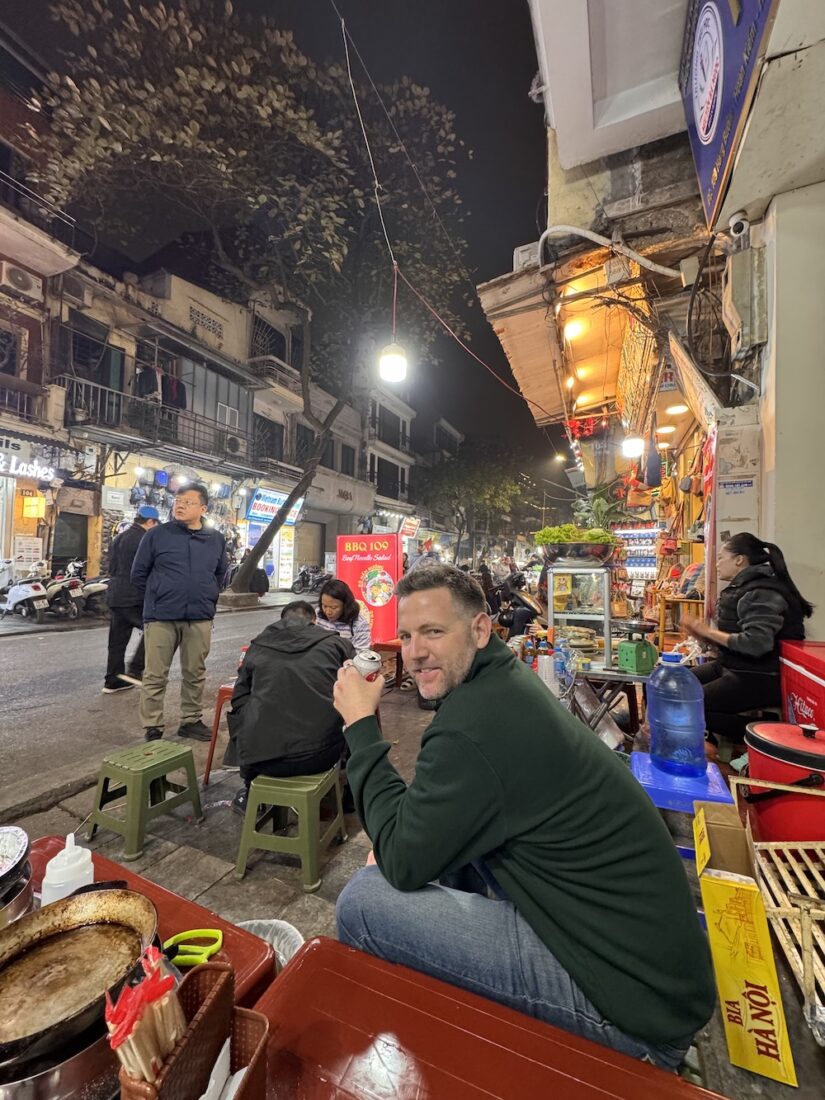
Regions such as Southeast Asia (Vietnam, Indonesia), Latin America (Argentina, Mexico), and Eastern Europe (Bulgaria, Albania, Georgia) continue to dominate this category. In these markets, the purchasing power of Western currencies remains high, allowing nomads to reinvest their savings into their businesses or personal development while maintaining a standard of living that might be unattainable in "Tier 1" global cities like New York or London.
The Practical Infrastructure of Daily Life: Amenities and Connectivity
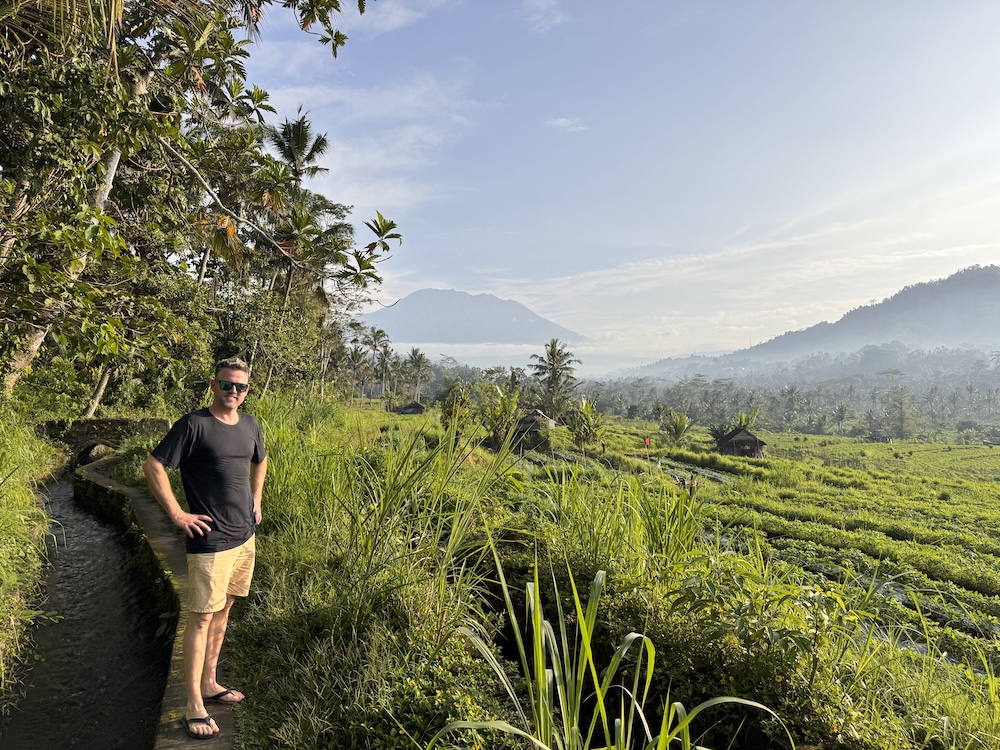
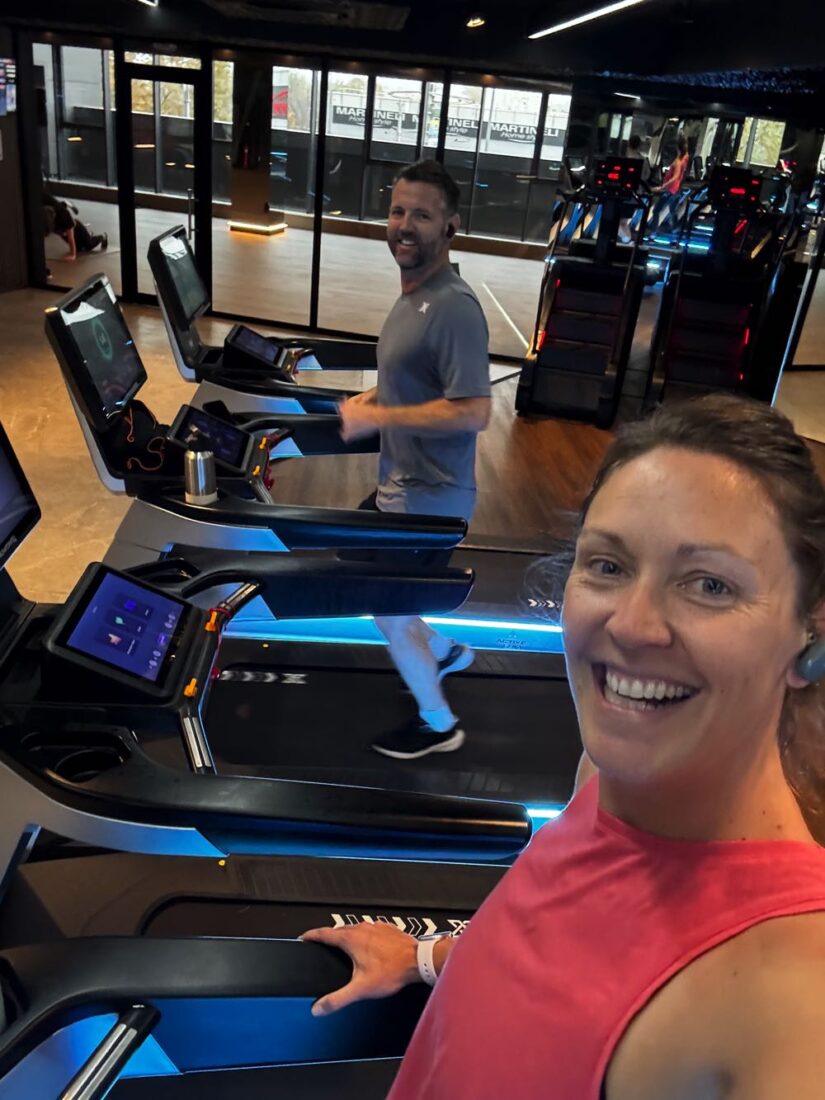
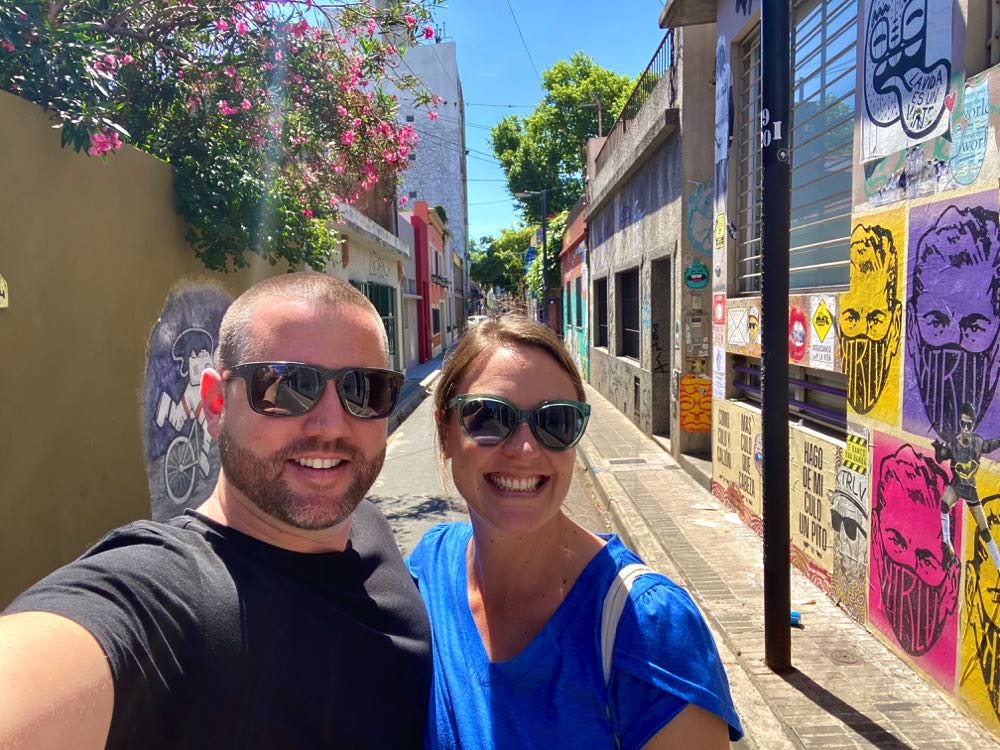
A destination’s viability is often determined by the mundane details of daily infrastructure. For a location to serve as a functional base, it must provide reliable supermarkets, pharmacies, gyms, and banking services. The presence of specialized amenities, such as yoga studios or high-end cafes with ergonomic seating, has become a hallmark of successful nomad hubs like Lisbon, Buenos Aires, and Bali.

However, the cornerstone of the nomadic lifestyle is digital connectivity. In the current era of high-definition video conferencing and cloud-based operations, stable high-speed internet is a utility as essential as electricity. Professional nomads now routinely request speed test screenshots from prospective hosts before committing to leases. The rise of coworking spaces has also mitigated the risks of slow residential Wi-Fi, providing not only a reliable backup but also a structured environment for professional focus.
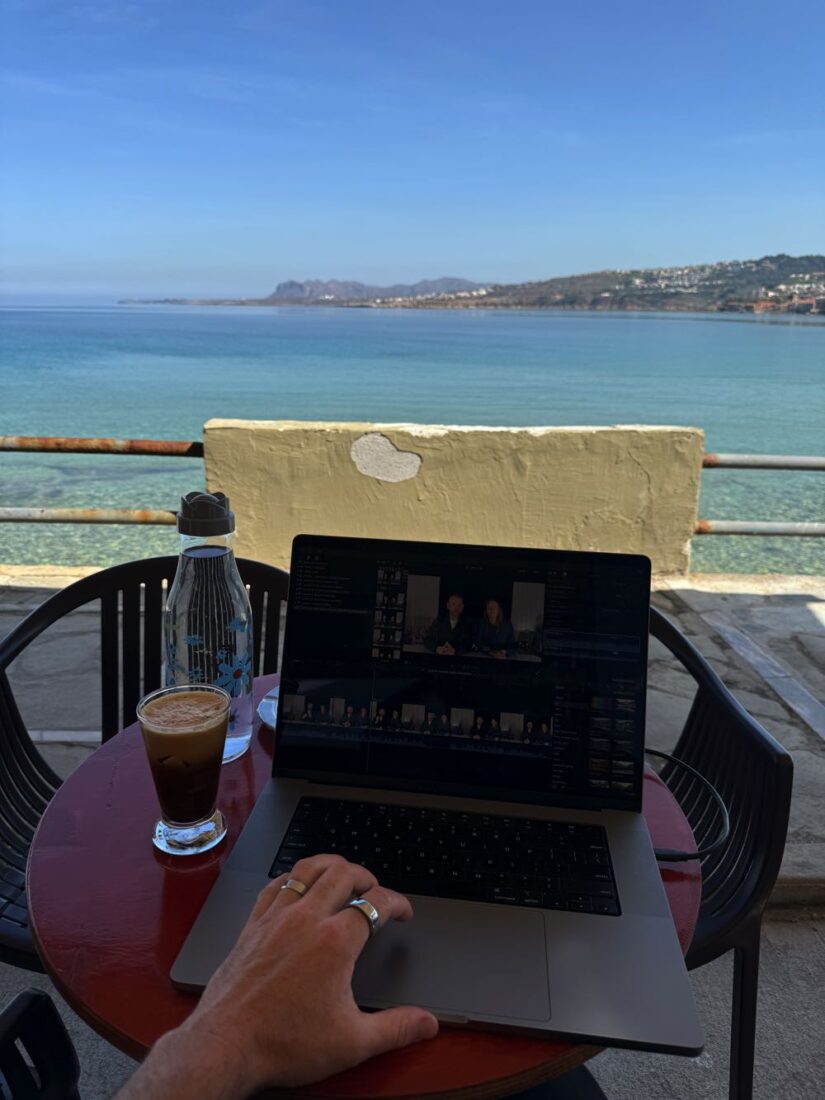
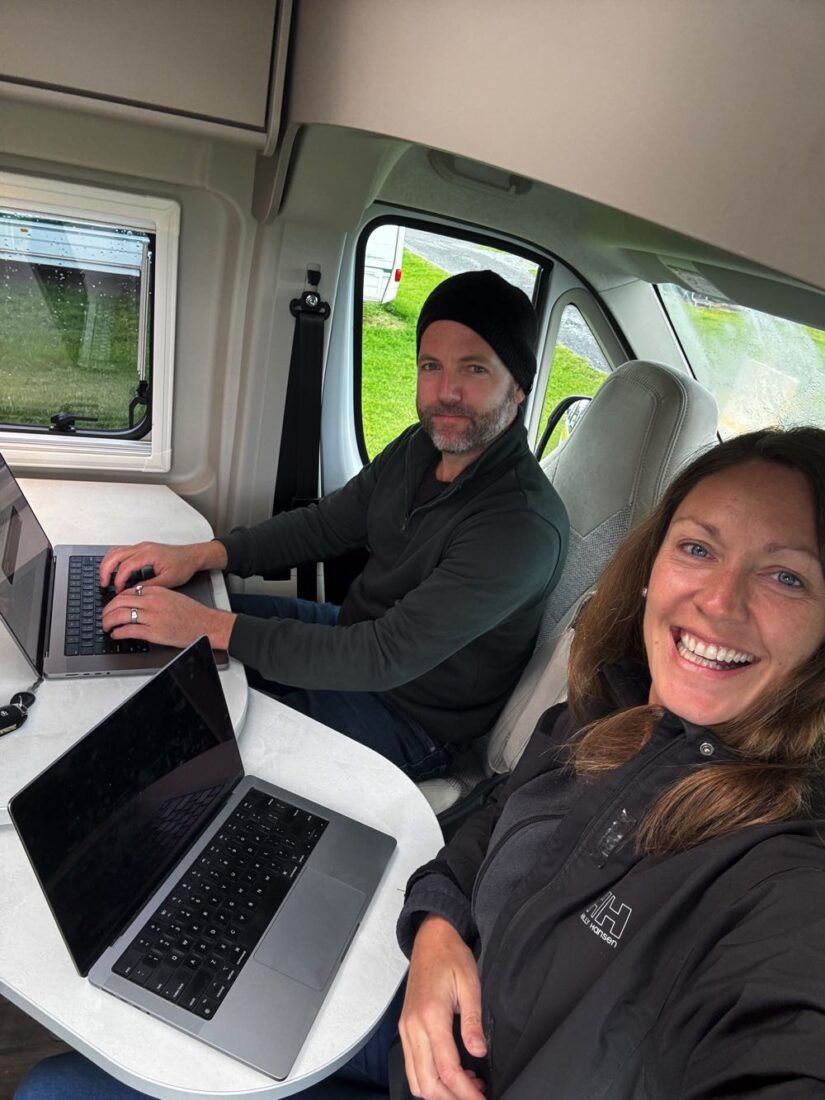
Technological advancements such as global eSIMs have further streamlined the connectivity issue. Modern services like the Mozillion Travel eSIM, which covers over 200 countries, allow professionals to maintain data access across borders without the logistical hurdle of physical SIM card acquisition. This enables "tethering" capabilities, allowing work to continue from unconventional locations like campervans or remote coastal cafes.
Social Capital and Professional Ecosystems
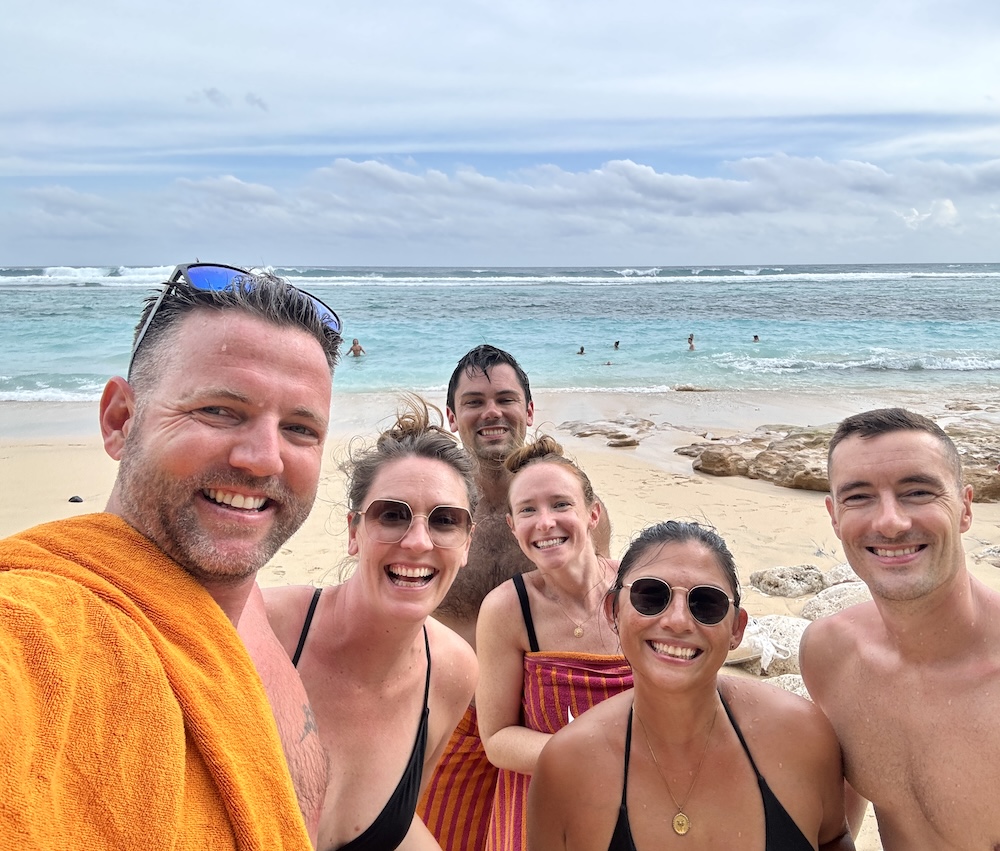
The importance of community in the remote work sector cannot be overstated. Long-term isolation is cited as one of the primary reasons individuals abandon the nomadic lifestyle. Consequently, destinations that foster "built-in" communities—such as Bansko, Bulgaria, or Chiang Mai, Thailand—see higher rates of return and longer average stays.
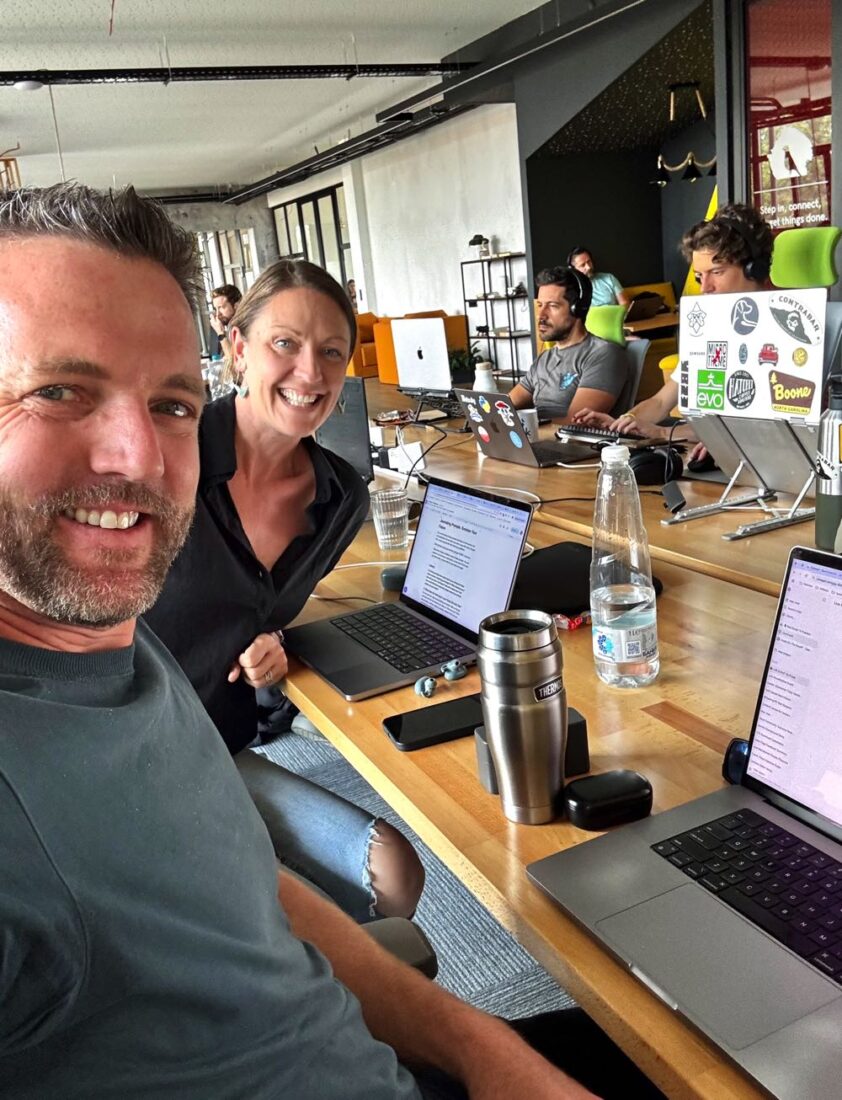
Being surrounded by a peer group of entrepreneurs and remote professionals provides a unique support system. These ecosystems facilitate the exchange of business tips, collaborative opportunities, and social networking. Platforms like Facebook groups and Reddit threads have become the modern town squares for these communities, offering real-time data on everything from safety to the best local coworking spots.
Logistical Accessibility and Healthcare Standards
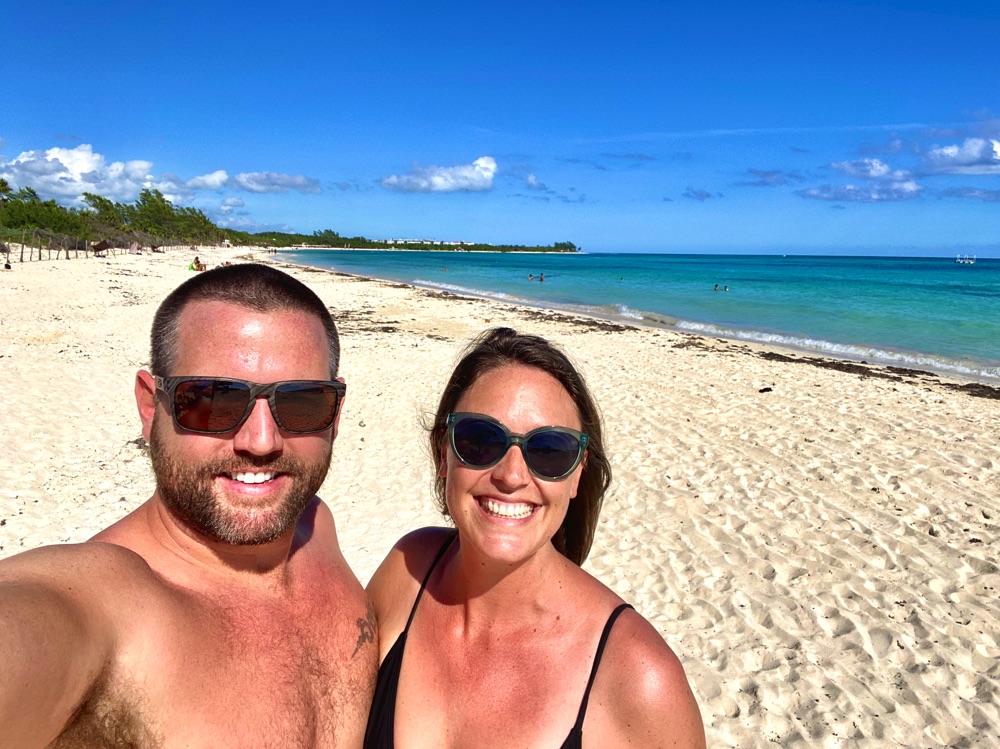
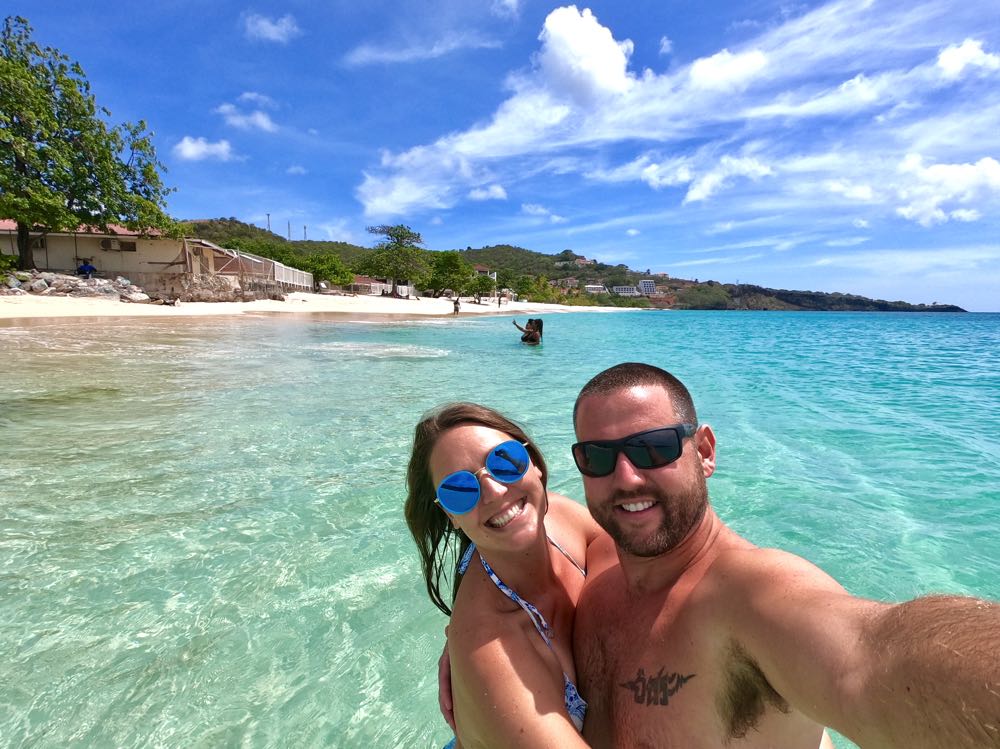
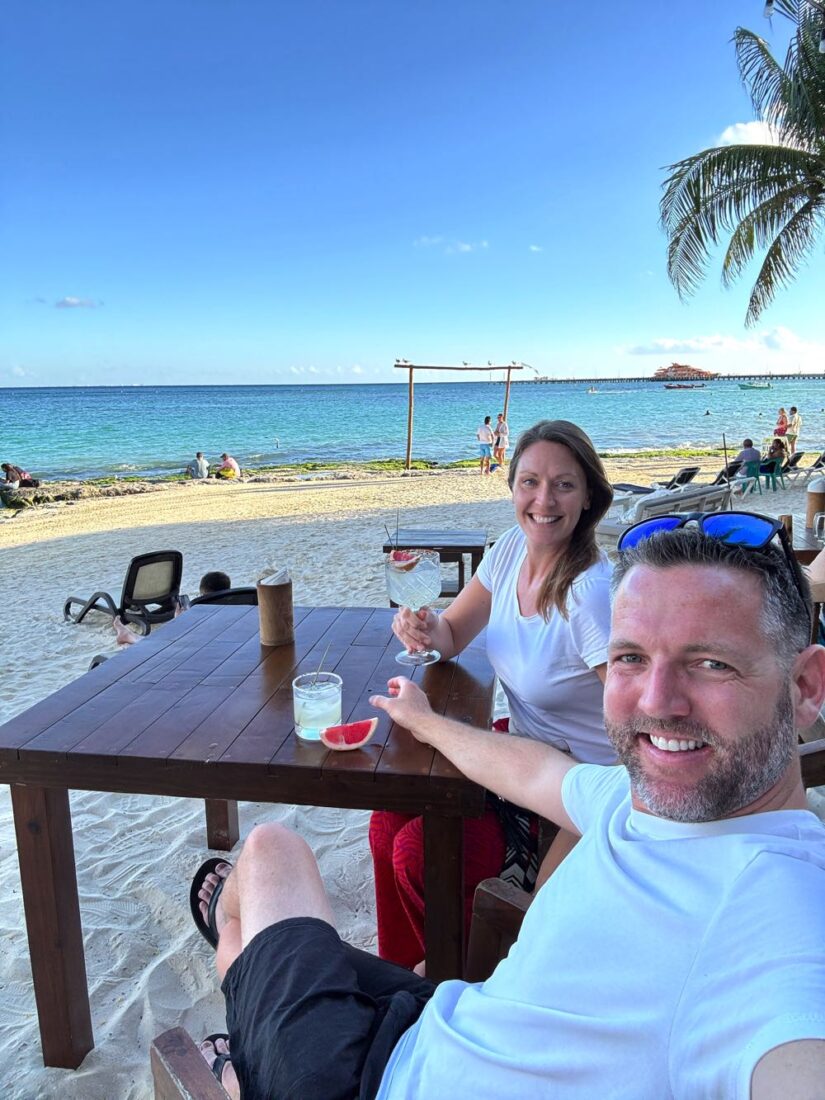
Practicality often dictates the longevity of a nomadic base. Proximity to international airports and the frequency of direct flights are critical for those who must travel for client meetings or return home for family obligations. For example, Playa del Carmen’s proximity to Cancún International Airport makes it a highly accessible hub for North Americans, whereas remote islands in the Caribbean, despite their beauty, present significant logistical and financial hurdles for frequent travelers.
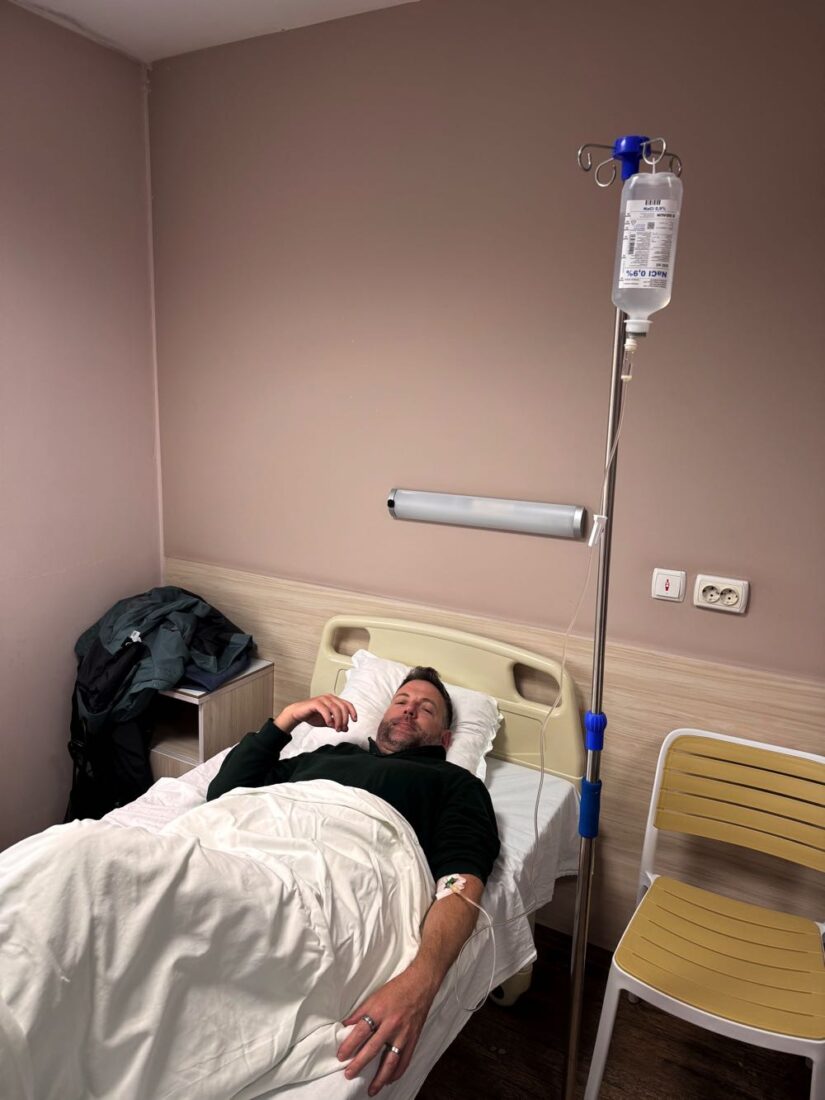
Furthermore, as the nomad demographic ages, healthcare has moved to the forefront of the decision-making process. The availability of high-quality private clinics and affordable specialist care is a major draw for European and Southeast Asian hubs. International health insurance providers like SafetyWing have developed products specifically tailored to this mobile workforce, offering coverage that bridges the gap between traditional travel insurance and domestic health plans.
The Regulatory Landscape: Visas and Legal Compliance
The final and perhaps most rigid filter is the legal framework for residency. The "border run" culture of the early 2010s is being replaced by formal digital nomad visas. Countries like Spain, Portugal, and Croatia have led the way in Europe, while Thailand’s recently introduced Destination Thailand Visa (DTV) offers a groundbreaking five-year multiple-entry option.
For U.S. citizens, countries like Albania offer a unique one-year stay without the need for complex visa applications, while Georgia remains one of the most flexible nations globally for various nationalities. Understanding the tax implications of these stays is also becoming a priority, as remote workers seek to avoid triggering tax residency in multiple jurisdictions. Professional consultation with accountants specializing in international tax law is now considered a standard practice for the modern nomad.
Broader Impact and Future Implications
The influx of digital nomads has profound implications for local economies and urban planning. While nomadic spending can provide a significant boost to local businesses and the service sector, it also raises concerns regarding gentrification and the rising cost of housing for local residents. Governments are increasingly looking for ways to balance the economic benefits of attracting high-spending remote workers with the need to protect the interests of their permanent populations.
As we look toward the future, the trend of "slow travel"—staying in one location for months rather than days—is expected to become the dominant form of nomadism. This approach allows for deeper cultural integration and a more sustainable work-life balance. By applying a rigorous set of filters before committing to a base, remote professionals are not just choosing a place to work; they are curating an environment that supports their mental health, professional growth, and global perspective.
In conclusion, the successful digital nomad of 2024 is no longer a wandering tourist but a strategic resident. By prioritizing nature, economic value, infrastructure, and community, and by navigating the complex legal and logistical requirements of international living, these professionals are at the forefront of a fundamental shift in how humanity perceives the relationship between geography and labor. The "perfect" destination is subjective, but the framework for finding it has become an essential skill in the modern professional toolkit.