Reykjavik After Dark: Unveiling the Soul of Icelandic Nightlife Through a Local Pöbbarölt

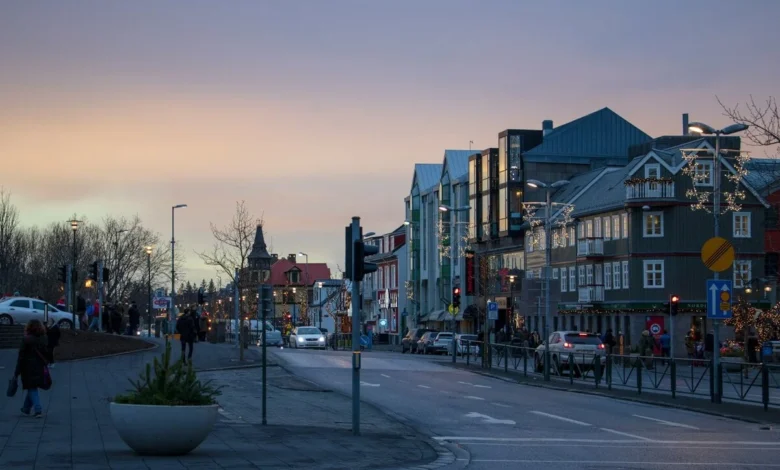
Reykjavik, a city renowned for its breathtaking natural landscapes—cascading waterfalls, dramatic geothermal features, and the ethereal dance of the Northern Lights—offers a vastly different, yet equally captivating, experience when the sun dips below the horizon, or indeed, when it barely sets at all, depending on the season. Beyond the picturesque vistas, the Icelandic capital pulsates with a distinct nightlife culture, rich in history, quirky traditions, and a unique brand of dry humor. For many visitors, the bustling Laugavegur street becomes a navigational puzzle after dark, a vibrant strip begging to be explored. However, to truly understand the pulse of Reykjavik’s nocturnal scene, one must venture beyond superficial observations and immerse oneself in the "pöbbarölt" – the local art of bar crawling, ideally with a seasoned guide who can unlock the hidden narratives behind every establishment. This immersive journey transcends a mere pub crawl; it’s a cultural excavation, revealing the heart of a nation through its social rituals and libations.
The Rhythmic Pulse of Laugavegur: A Compact Urban Playground
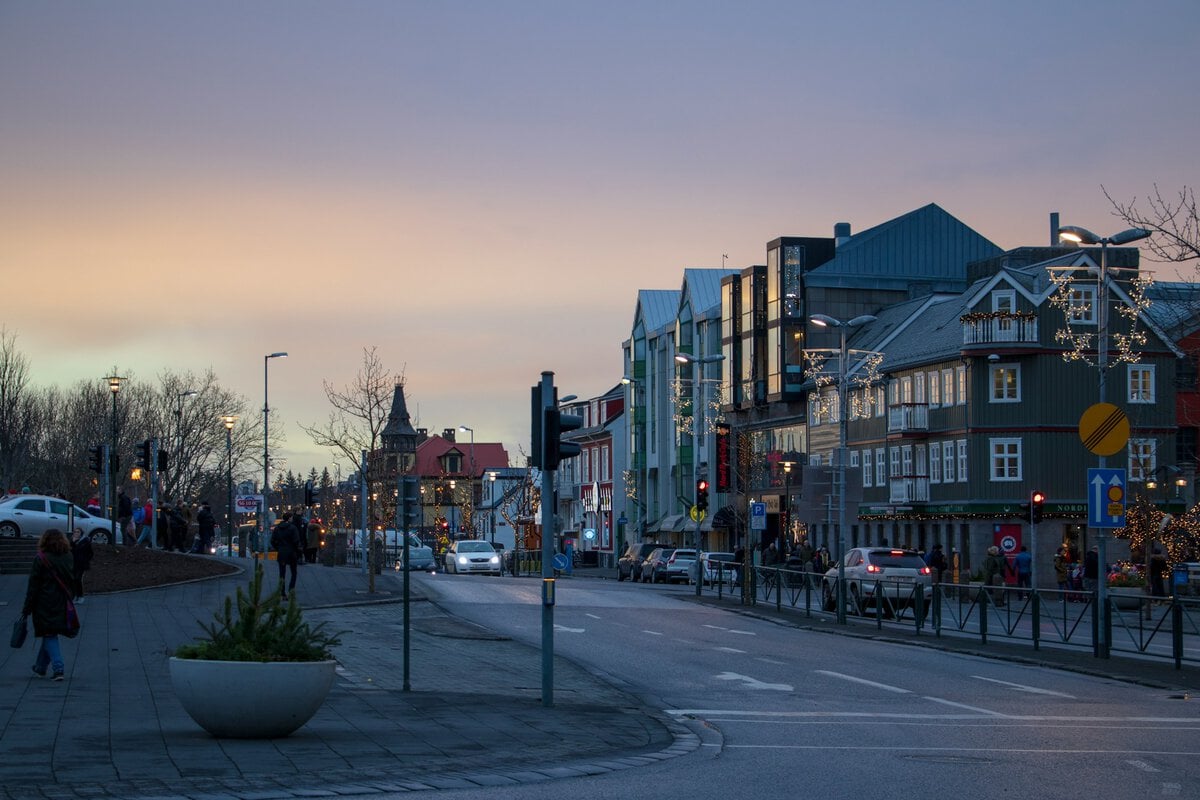
Unlike sprawling metropolises where nightlife might be scattered across various districts, Reykjavik operates on a refreshingly human scale. Its entire bar scene is concentrated within a remarkably compact, walkable area, primarily centered along Laugavegur and its charming offshoots. This geographical convenience means there’s no need for extensive research into different neighborhoods or the expense of inter-venue cab rides; the night organically unfolds on foot, inviting patrons to drift leisurely from one welcoming spot to the next. This inherent compactness fosters a unique sense of community, where familiar faces often reappear in different venues throughout the evening, reinforcing the intimate atmosphere.
The Icelandic approach to a night out is characterized by its unhurried pace. Locals typically embrace the evening late, with the energy on Laugavegur rarely peaking before midnight, especially on weekends. Arriving at 9 PM might grant you the luxury of choosing your preferred seat, while a 1 AM arrival often means navigating a lively, standing-room-only crowd. Neither timing is inherently "correct"; rather, it reflects the diverse preferences for experiencing Reykjavik’s after-dark charm, from a relaxed early evening drink to the full, vibrant crescendo of the weekend. What one will conspicuously not encounter are velvet ropes, stringent dress codes, or an air of exclusivity. Reykjavik’s bars are, by and large, small, often boisterous spaces where conversation reigns supreme. Icelanders are known for their directness and distinctive dry humor, and it is remarkably common for strangers to strike up conversations at the bar, particularly once they discover you are a visitor keen to learn about their culture.
A Legacy of Temperance: Iceland’s Prohibition Era
To fully grasp the significance of Iceland’s modern drinking culture, one must delve into its complex and surprisingly recent history with alcohol. Iceland endured a full national prohibition that commenced in 1915, born from a temperance movement fueled by a mixture of public health concerns, moral crusades, and nationalist sentiments seeking to distinguish Icelandic culture. Initially, all alcoholic beverages were banned. However, political and economic pressures, particularly from Spain which threatened to stop importing Icelandic salted fish unless Iceland bought Spanish wine, led to a partial lifting of the ban in 1921 for red wine and eventually for spirits in 1935. Yet, remarkably, beer remained illegal for decades longer, a peculiar anomaly attributed to a perception that beer was more insidious and likely to lead to excessive consumption than spirits.
This prolonged ban on beer—which lasted until March 1, 1989—left an indelible mark on Icelandic society and its relationship with alcohol. The stories from this era are a fascinating blend of ingenuity, humor, and illicit activity, shaping how Icelanders view their drinking culture today. The end of beer prohibition was a monumental event, celebrated annually on March 1st as "Beer Day" (Bjórdagurinn), a nationwide observance marking the freedom to enjoy what many other nations had taken for granted. This historical context imbues every pint poured in Reykjavik with a deeper resonance, transforming a simple drink into a symbol of cultural liberation and a testament to the nation’s unique journey.
The Rise of Craft: A Post-Prohibition Renaissance
Since the lifting of the beer ban in 1989, Iceland’s craft brewing scene has experienced a robust and impressive renaissance. What began as a trickle of new breweries has blossomed into a vibrant industry, with local brewers pushing the boundaries of traditional styles and incorporating indigenous ingredients. This surge in craft beer production has not only diversified the options available to locals and tourists alike but has also become a significant cultural touchstone. Most bars across Reykjavik now proudly feature a dynamic mix of local Icelandic and Scandinavian craft options, alongside a curated selection of international taps. This means patrons can explore everything from crisp, clean lagers to experimental raspberry sours, rich caramel stouts, and seasonal brews reflecting the Icelandic landscape and palate.
Beer has, in many ways, become a common currency in Reykjavik’s social landscape. The emphasis is on quality, variety, and the shared experience of discovering new flavors. This burgeoning scene reflects a broader national pride in local produce and craftsmanship, positioning Icelandic beer not just as a beverage, but as an expression of modern Icelandic identity and creativity.
Beyond Beer: The Spirit of Brennivín and Viking Lore
While beer dominates the modern scene, Iceland also offers more traditional libations. For those seeking a taste of something uniquely Icelandic, Brennivín is a must-try. This caraway-flavored schnapps, often playfully referred to as "Black Death" due to its distinctive black label and potent character, is widely available and deeply ingrained in Icelandic culture. Its robust flavor is an acquired taste for some, but its historical significance and widespread availability make it an essential component of any authentic Icelandic drinking experience. Inevitably, Brennivín is famously paired with hákarl (fermented shark), serving as a powerful chaser to cut through the pungent fish – a rite of passage for adventurous visitors.
Intriguingly, Stefán, the local guide, often dispels a common misconception during the pöbbarölt: Vikings, the ancestors of modern Icelanders, did not drink beer as we know it. Their alcoholic beverages of choice were primarily mead, a fermented honey drink, and an early form of distilled spirit, possibly a precursor to Brennivín. This historical tidbit adds another layer to Iceland’s complex relationship with alcohol, highlighting how traditions have evolved over centuries.
The Pöbbarölt Experience: An Insider’s Journey
The true magic of Reykjavik’s nightlife lies not in flashy clubs or exclusive venues, but in its intimate scale and the unhurried, conversational flow between establishments. A guided pöbbarölt is far from a mere checklist of bars; it is an immersive journey designed to mirror how locals genuinely spend their Friday nights, effortlessly drifting between a select few favorite spots, allowing ample time at each to settle in, converse, and soak in the atmosphere. With a guide like Stefán, this experience transforms. His ability to weave together historical anecdotes, explain the nuances of what you’re drinking, detail the lengthy prohibition, and even interpret ancient runic symbols above a bar elevates a simple night out into a profound cultural encounter.
Stop One: Lemmy – The Rock Bar & The Art of the Pour
The guided evening typically commences at Lemmy, a rock bar that proudly pays homage to the legendary Lemmy Kilmister of Motörhead. Stepping inside, guests are immediately greeted by an impressive array of over 50 beers on tap, walls adorned with unapologetic rock memorabilia, and a soundtrack that fluidly transitions between rock anthems and Icelandic folk music. It’s a loud, lived-in space, exuding an authentic, no-frills charm that instantly puts patrons at ease.
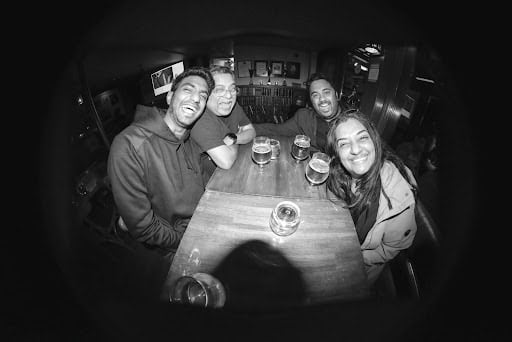
Here, Stefán initiates participants into the surprisingly intricate art of pouring a draft beer correctly. He meticulously demonstrates the optimal angle of the glass, the precise waiting period for the foam to settle, and the delicate finish, providing four practice glasses for each person. What might seem like a minor detail quickly becomes a revelation, as many realize they’ve likely been pouring—and consequently, drinking—poorly served beer for years. This practical lesson is deftly intertwined with a comprehensive history of beer in Iceland, expanding on the prohibition years and answering intriguing questions, such as the Vikings’ actual drinking habits. The revelation that Vikings favored mead and an early fermented potato spirit (Brennivín, or "Black Death") over beer adds a fascinating historical dimension to the evening’s first drink.
Stop Two: Ægir 101 – A Symphony of Craft Brews
From the energetic confines of Lemmy, the group transitions to Ægir 101, a modern craft beer bar where the tasting experience shifts focus. Here, guests are presented with a thoughtfully curated flight of beers – smaller pours encompassing a diverse range of styles, from refreshing raspberry sours to rich, complex caramel stouts. Ægir 101 serves as an excellent showcase for Reykjavik’s flourishing craft beer scene, allowing patrons to sample the innovative creations of local brewers. It’s the ideal setting to refine one’s palate and discern personal preferences, moving beyond habitual orders to genuinely appreciate the breadth of available flavors.
This segment of the tour often marks a noticeable shift in group dynamics. The shared experience of tasting and discussing different beers, coupled with the relaxed atmosphere, naturally fosters conversation. Individuals who began the evening as strangers invariably find themselves chatting freely, exchanging observations and stories, highlighting the inherent social lubricant of a shared tasting journey.
Stop Three: Ölstofan – Authenticity and Ancient Whispers
The final destination of the pöbbarölt is Ölstofan, a bar that exudes an untouched, timeless authenticity. It feels deliberately untransformed for the tourist gaze, which is precisely its appeal. Stefán reserves some of his most compelling stories for this stop, along with what he proudly introduces as "the most awarded beer in the world." The choice of this bar reinforces the tour’s commitment to presenting a genuine slice of local life, away from any potential commercial polish.
However, the true climax of the evening transcends any particular beverage. Stefán concludes each tour with a profound explanation of the runic symbols that often adorn Icelandic architecture and decor, revealing their ancient meanings and significance. This quiet, reflective moment, following hours of music, laughter, and spirited conversation, consistently captivates participants. Guests who have been joking and engaging for the entire evening often fall silent, genuinely moved by the connection to Iceland’s deep cultural heritage. What might sound like a slightly esoteric addition in a written description becomes a surprisingly poignant and memorable end to the night in the intimate setting of the bar. It underscores the tour’s objective: to offer more than just drinks, but a window into the Icelandic soul.
The Narrator: Stefán – A Maestro of Icelandic Culture
The success of such an immersive experience hinges significantly on the guide, and Stefán is perfectly cast for the role. His diverse background—an engineer by profession, an actor by craft, a musician by passion, and a natural storyteller—creates a unique synergy that permeates the entire evening. One feels the precision and clarity of an engineer when he meticulously explains details, the engaging presence of an actor that keeps the room captivated, the nuanced understanding of mood shifts that a musician possesses, and the effortless charm of a seasoned storyteller who brings history to life. Having guided these tours for an extensive period, Stefán possesses an intuitive understanding of group dynamics, knowing which jokes resonate and how to keep conversations fresh and engaging, ensuring that no two tours are ever quite the same. His genuine curiosity about both his homeland and his guests makes the experience profoundly personal and memorable.
Seasonal Shifts: Light and Laughter
Reykjavik’s nightlife, unlike its outdoor activities, defies seasonal limitations, offering distinct charms year-round. In summer, the phenomenon of the midnight sun casts an almost surreal glow over late-night revelry. Stepping out of a bustling bar at 2 AM into broad daylight is an experience that defies expectation and often leaves visitors delightfully disoriented. The endless daylight imbues the city with an almost perpetual festive energy, blurring the lines between day and night. Conversely, the long, dark winter nights bring a different kind of warmth. The early arrival of darkness makes the cozy interiors of Reykjavik’s bars feel even more inviting and convivial, providing a comforting refuge from the elements. This stark contrast in lighting conditions doesn’t diminish the appeal of Reykjavik’s nightlife but rather transforms its character, offering two equally compelling experiences.
Embracing the Local Thread: Why Pöbbarölt Matters
Iceland markets itself globally on its awe-inspiring landscapes, and these natural wonders undoubtedly deliver. However, for those who spend significant time in the country, a common refrain emerges: it is the people and the culture that leave the most lasting impression. The humor, often dry and self-aware, the history, stranger and more compelling than anticipated, and the profound sense of community within a capital city of just 130,000 inhabitants on a remote North Atlantic island, all contribute to a unique cultural texture.
A bar crawl, when executed with the depth and authenticity of a pöbbarölt, offers an expedited and unparalleled route to understanding this cultural texture. It transforms the visitor from a passive observer into an active participant. Instead of merely witnessing Icelandic culture from the periphery, you are immersed within it—sharing drinks, absorbing the stories, and engaging in genuine conversation with fellow travelers and locals alike. This direct engagement fosters a deeper appreciation for the Icelandic way of life, creating connections and memories that extend far beyond the stunning photographs of waterfalls and glaciers. It’s an investment in understanding the human element that makes Iceland truly special.
Practicalities for the Prospective Reveler
When to Go: The Pöbbarölt tour operates year-round, as Reykjavik’s nightlife maintains its vibrancy regardless of the season. As mentioned, summer offers the unique experience of the midnight sun, while winter provides a cozy, warm escape from the dark, making both periods equally appealing for a night out.
Weather: Iceland’s weather is famously capricious. Dressing in layers is always advisable, as conditions can change rapidly even between short walks from one bar to the next. A light, waterproof outer layer is a sensible precaution, ensuring comfort throughout the evening.
Who It’s For: This tour is ideally suited for couples, solo travelers, and anyone with a genuine interest in cultural immersion and local history. No prior knowledge of beer is required; the tour is designed to be educational and accessible, allowing participants to learn as they go. Solo travelers, in particular, find this group format incredibly beneficial, as it provides an immediate social connection, ensuring they are never truly alone in their exploration of Reykjavik’s nightlife.
Meeting Point and Duration: The tour typically spans approximately three and a half hours, commencing from a designated central meeting point in Reykjavik. Specific details regarding the exact location and current timing should always be verified directly with Reykjavik Wayfinder, the tour operator, to ensure the most up-to-date information.
Frequently Asked Questions (Expanded)
Did the Vikings really not drink beer?
Indeed, that is correct. Beer, in its modern form, was not a staple of the Norse diet during the Viking age. Instead, their alcoholic consumption primarily revolved around mead, a fermented beverage made from honey, and Brennivín, a potent potato spirit often referred to as "Black Death." This historical fact underscores Iceland’s unique and often complicated relationship with alcohol, culminating in the nation only lifting its ban on beer in 1989, decades after other alcoholic beverages had been legalized.
What is Brennivín, and can I try it in Reykjavik?
Brennivín is Iceland’s distinctive signature spirit, a clear schnapps flavored with caraway. Its notorious nickname, "Black Death," stems from its historical black label and strong character. It is readily available in most Reykjavik bars and is widely considered the closest thing Iceland has to a national drink. Many establishments along Laugavegur will stock it, and it is traditionally, and perhaps inevitably, paired with hákarl (fermented shark) as a cultural experience for the brave.
What’s the bar scene on Laugavegur actually like?
Laugavegur is the pulsating artery of Reykjavik’s nightlife. The bar scene is characterized by small, unpretentious establishments often interspersed with shops and restaurants. There is a notable absence of VIP sections or strict door policies; the culture is inherently informal and welcoming. It’s common practice to move fluidly between several venues throughout an evening. Weekends, particularly after midnight, see the street transform into a lively, bustling hub of social activity.
What kinds of beer should I expect to find in Reykjavik?
Since the late 1980s, Icelandic craft brewing has undergone a significant expansion. Visitors can expect a diverse range of local styles, from crisp, clean lagers to more adventurous and experimental brews. It’s common to find offerings such as refreshing raspberry sours, rich caramel stouts, and a variety of seasonal releases that often incorporate local ingredients. Most bars maintain a well-curated selection of both Icelandic and Scandinavian craft beers, complemented by popular international taps.
Is Reykjavik nightlife seasonal?
No, Reykjavik’s nightlife is remarkably consistent year-round, exhibiting little seasonal variation in its appeal, unlike many outdoor attractions. In the summer months, the continuous daylight of the midnight sun creates a unique, almost surreal atmosphere for late-night outings, where it remains bright well past 2 AM. During the winter, the prolonged darkness leads to a cozy, inviting ambiance within the bars, making them feel particularly warm and welcoming. Both seasons offer distinct, yet equally appealing, experiences for enjoying the city’s vibrant social scene.
What is Beer Day in Iceland?
Beer Day, known as "Bjórdagurinn" in Icelandic, is celebrated annually on March 1st. It commemorates the lifting of the 74-year ban on beer in Iceland, which occurred on March 1, 1989. For decades, while spirits and wine were legal, beer remained prohibited, making its eventual legalization a significant cultural event. Beer Day is now celebrated nationwide with revelry, special beer promotions, and a general festive atmosphere, symbolizing a unique chapter in Iceland’s social history.