The Comprehensive Guide to Berlin Christmas Markets A Deep Dive into Germany’s Festive Traditions and Urban Evolution

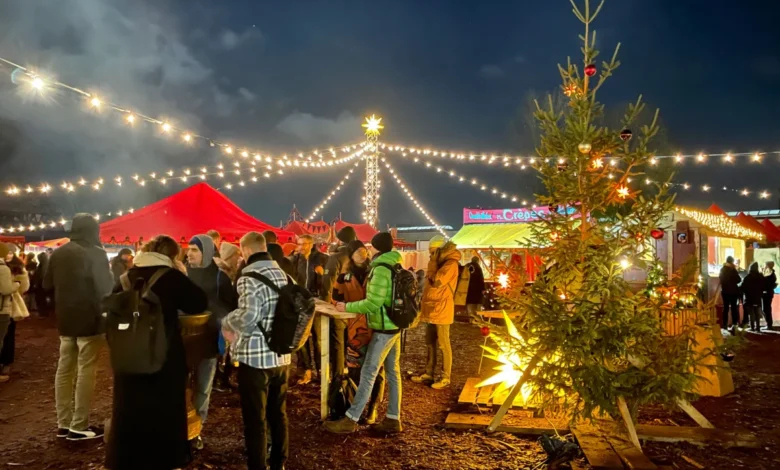
Berlin’s holiday landscape is defined by a decentralized network of over 70 distinct Christmas markets, a structural departure from the single-market model found in other major German cities like Nuremberg or Munich. As the 2024 advent season approaches, the German capital is preparing to host a diverse array of markets that range from high-end artisanal showcases in historic squares to alternative, community-driven gatherings in repurposed industrial spaces. For the 2024 season, most markets are scheduled to open on November 25, running through late December, with several prominent locations extending their operations into the first week of January 2025.
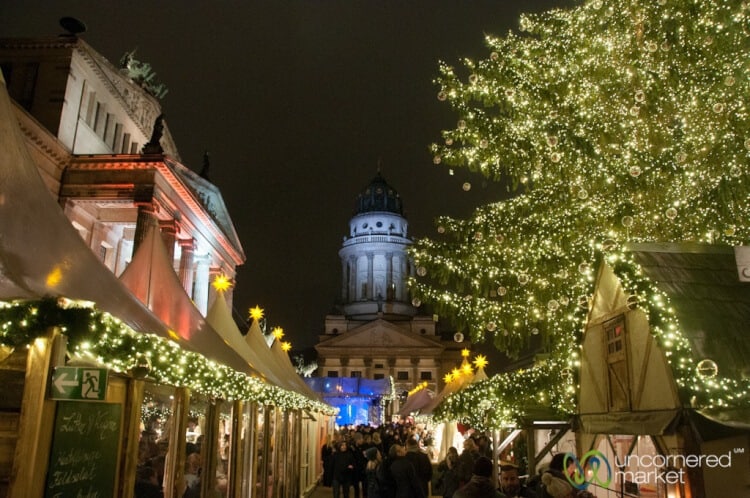
This expansive festive infrastructure serves as a critical pillar of Berlin’s winter economy and a central social hub for both the city’s 3.8 million residents and millions of international tourists. Unlike the historically rigid traditions of the Bavarian or Saxon markets, Berlin’s Christmas markets, known locally as Weihnachtsmärkte or Adventsmärkte, reflect the city’s complex history and its reputation for blending the traditional with the avant-garde.
The Historical and Cultural Evolution of the Berlin Christmas Market
The tradition of the German Christmas market dates back to the Late Middle Ages in the German-speaking parts of Europe. Initially, these "December Markets" were practical affairs, providing citizens with meat, seasonal produce, and winter necessities. Over centuries, these evolved into the festive celebrations recognized today. While Berlin’s markets do not share the 14th-century lineage of Dresden’s Striezelmarkt, they have undergone a rapid expansion since the reunification of Germany in 1990.

In the post-reunification era, the proliferation of markets across both the former East and West sectors has become a symbol of the city’s unified but multifaceted identity. The modern Berlin market is less about essential shopping and more about the cultivation of Gemütlichkeit—a uniquely German concept encompassing warmth, friendliness, and good cheer. This atmosphere is facilitated by the consumption of Glühwein (mulled wine), the scent of roasted almonds (Gebrannte Mandeln), and the presence of communal wooden stalls.
Chronology of the 2024 Festive Season
The timeline for Berlin’s Christmas markets is dictated by the liturgical calendar and local municipal regulations. The official start of the season generally follows Totensonntag (Sunday of the Dead), a silent public holiday in Germany dedicated to mourning, which falls on the last Sunday before Advent.

- Late November (Nov 25, 2024): The majority of major commercial markets, including Gendarmenmarkt and Alexanderplatz, commence operations.
- Early December: The "Short-Run" or "Weekend Markets," such as the Alt-Rixdorfer Christmas Market and the Polish Market at Kutschstallhof, open for limited periods, often just for a single weekend.
- December 24 (Heiligabend): Most markets close early or remain closed entirely to allow staff to observe Christmas Eve with families.
- December 25–26: Large-scale markets reopen for the public holidays.
- Late December to Early January: While many neighborhood markets dismantle after Christmas, "Winter Markets" like the one at Gendarmenmarkt (currently located at Bebelplatz) often remain open until New Year’s Eve or the first week of January.
Primary Destinations: A Geographic and Thematic Breakdown
The Traditional and Luxury Tier: WeihnachtsZauber Gendarmenmarkt
Widely considered the most aesthetically refined market in the city, the WeihnachtsZauber is usually situated between the German and French Cathedrals. However, due to extensive construction at Gendarmenmarkt, the 2024 market is hosted at the nearby Bebelplatz. This market is characterized by its high-quality handicrafts, heated restaurant tents, and nightly stage performances. It is one of the few markets in Berlin to charge a nominal entrance fee (typically €1), which supports the entertainment program and security.
The Royal Backdrop: Schloss Charlottenburg
Located in front of the 300-year-old Baroque palace, the Schloss Charlottenburg market focuses on a "fairytale" atmosphere. It features traditional wooden pyramids and elaborate light installations. The market’s layout emphasizes a more relaxed, promenade-style experience, making it a favorite for those seeking a romantic or historical setting.

The Nordic Influence: Lucia Christmas Market at Kulturbrauerei
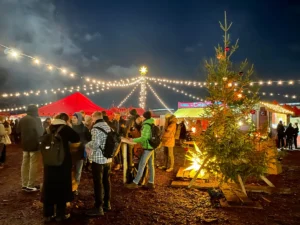
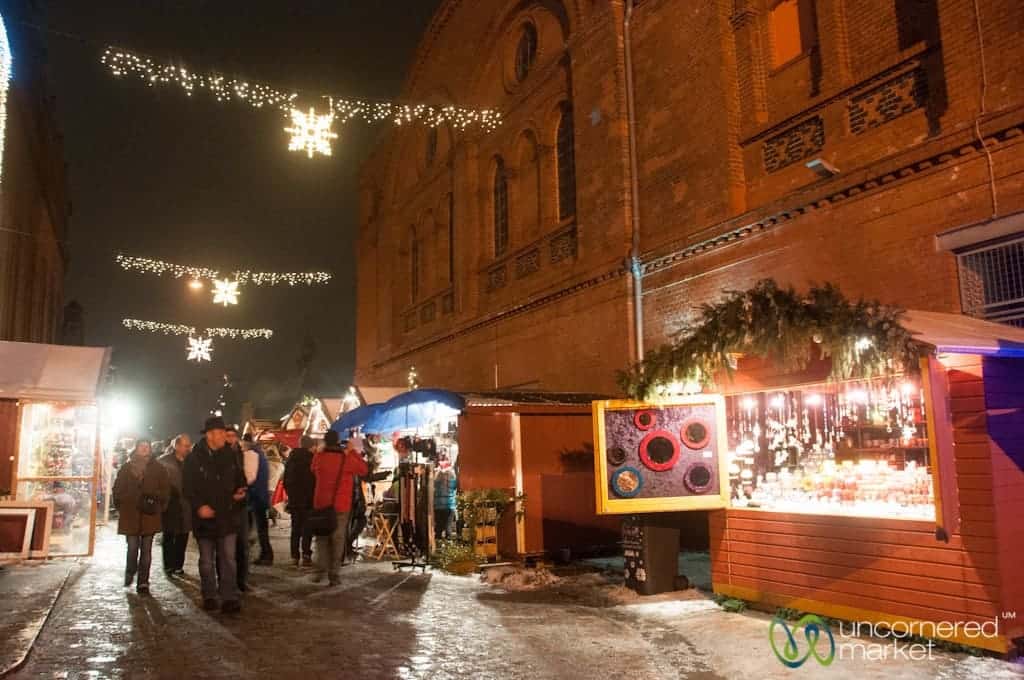
Set within the red-brick courtyards of a 19th-century brewery complex in Prenzlauer Berg, the Lucia market is dedicated to Scandinavian and Nordic traditions. It offers regional specialties such as Swedish Glögg, reindeer sausages, and Finnish honey. The market is named after Saint Lucia, the Swedish bearer of light, and is particularly popular for its "open-air mantle heaters"—repurposed wood-burning stoves where visitors can warm themselves.
The Alternative and Medieval: RAW and Holzmarkt
Reflecting Berlin’s gritty, creative spirit, the Historical Christmas Market at the RAW Cultural Centre in Friedrichshain transports visitors to a medieval village. Features include archery, axe-throwing, and blacksmithing demonstrations. Conversely, the Heissa Holzmarkt on the banks of the Spree River offers a modern, urban take on the tradition, featuring silent discos, art installations, and organic food stalls.

Economic Impact and Tourism Data
The Christmas market season is a vital economic driver for Berlin’s hospitality and retail sectors. According to data from visitBerlin, the city’s official tourism organization, December consistently ranks as one of the busiest months for hotel occupancy.
- Visitor Volume: Berlin attracts an estimated 3 to 4 million visitors specifically for Christmas markets annually.
- Consumer Spending: Surveys suggest that the average visitor spends approximately €30 to €50 per visit on food, beverages, and artisanal goods.
- Employment: The markets provide thousands of seasonal jobs, ranging from stall operators and security personnel to logistical coordinators and performers.
The "Pfand" (deposit) system used for mugs is a notable micro-economic feature of these markets. Visitors pay a deposit of €3 to €5 for their ceramic mugs, which can be returned for a refund or kept as a souvenir. This system not only reduces waste but also provides a significant secondary revenue stream for market organizers through unredeemed deposits.
Official Responses and Security Protocols
In the years following the 2016 attack at the Breitscheidplatz Christmas market, the Berlin Senate and the Berlin Police have implemented standardized, rigorous security protocols. These measures are designed to ensure public safety without compromising the festive atmosphere.
Security infrastructure now typically includes:

- Vehicle Barriers: The use of bollards and heavy water-filled barriers to prevent unauthorized vehicle access.
- Increased Surveillance: Enhanced CCTV monitoring and a visible police presence.
- Crowd Management: Strategically designed layouts to prevent overcrowding and ensure clear emergency exit paths.
Local district offices (Bezirksämter) are responsible for the licensing of each market, ensuring they adhere to noise ordinances, waste management regulations, and food safety standards. In 2024, there has been a significant push from the Senate for markets to adopt more sustainable practices, such as the use of green energy and the elimination of single-use plastics.
Analysis of Contemporary Trends: Sustainability and Modernization
The Berlin Christmas market scene is currently undergoing a shift toward "Eco-Markets." Locations like the Domäne Dahlem and the Environmental Christmas Market on Sophienstraße prioritize organic produce, fair-trade handicrafts, and educational exhibits on sustainability. This trend reflects a broader shift in German consumer behavior toward conscious consumption.

Furthermore, the "Internationalization" of the markets is a growing phenomenon. While the core remains German, the inclusion of Polish, Japanese, and British Christmas traditions in various neighborhood markets highlights Berlin’s status as a global metropolis. The presence of vegan versions of traditional German sausages and dairy-free Eierpunsch (egg punch) also illustrates the market’s adaptation to modern dietary trends.
Broader Implications for the City
The success and safety of Berlin’s Christmas markets are often viewed as a barometer for the city’s overall urban health. Beyond the economic benefits, these markets provide a vital social service. In a city where the winter months are characterized by short days and low temperatures, the markets offer a "third space" between work and home that fosters community cohesion.

For the 2024/2025 season, the markets represent a return to full-scale operations following several years of pandemic-related disruptions and energy crisis concerns. As Berlin continues to evolve, its Christmas markets remain a steadfast, albeit ever-changing, symbol of the city’s cultural resilience and festive spirit. Whether through the lens of history, economics, or social tradition, the Berlin Christmas market is an essential component of the European winter experience.