The Cultural Architecture of Greek Coffee: A Comprehensive Guide to Tradition Preparation and Social Significance

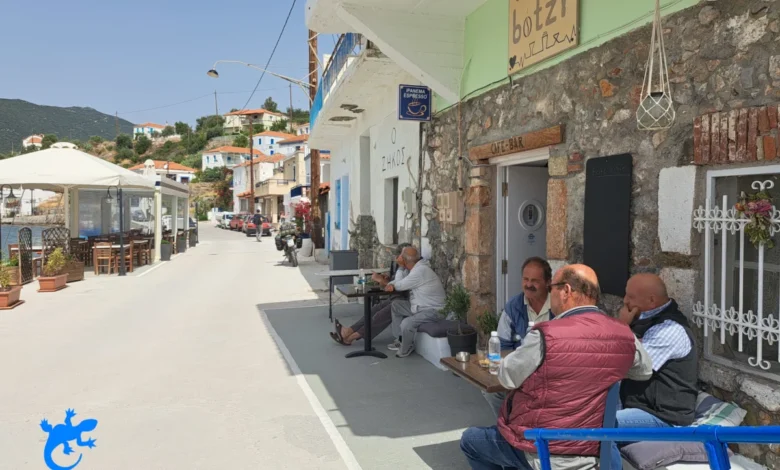
The ritual of coffee consumption in Greece transcends the mere intake of caffeine, serving instead as a fundamental pillar of the nation’s social fabric and a primary vehicle for the cultural philosophy of slowing down to appreciate life. While many global regions maintain distinct coffee traditions—ranging from the formal, multi-hour ceremonies of Ethiopia to the fast-paced, standing-room-only espresso bars of Italy—the Greek approach is characterized by its role as a "social lubricant." In Greece, the act of ordering a coffee is often a pretext for extended dialogue, community building, and the preservation of a work-life balance that prioritizes human connection over industrial efficiency.
The Historical Evolution of Greek Coffee Culture
The history of coffee in Greece is inextricably linked to the region’s geopolitical past, specifically the influence of the Ottoman Empire. Coffee culture began to permeate the Greek mainland and islands during the Ottoman occupation, leading to the establishment of the kafeneio (traditional coffee house). These establishments were not merely places of commerce but functioned as the modern successors to the ancient Agora, serving as the central nervous system of local communities where news was disseminated, politics were debated, and social hierarchies were reinforced.
A significant chronological shift occurred in the mid-20th century. While the traditional boiled coffee remained a staple, the 1957 Thessaloniki International Fair marked a pivotal moment in the nation’s beverage history. It was here that Dimitris Vakondios, an employee for Nestlé, accidentally invented the Frappé. Unable to find hot water for his instant coffee, he used a shaker with cold water and ice cubes, creating the frothy, chilled beverage that would become the hallmark of Greek summers for decades.
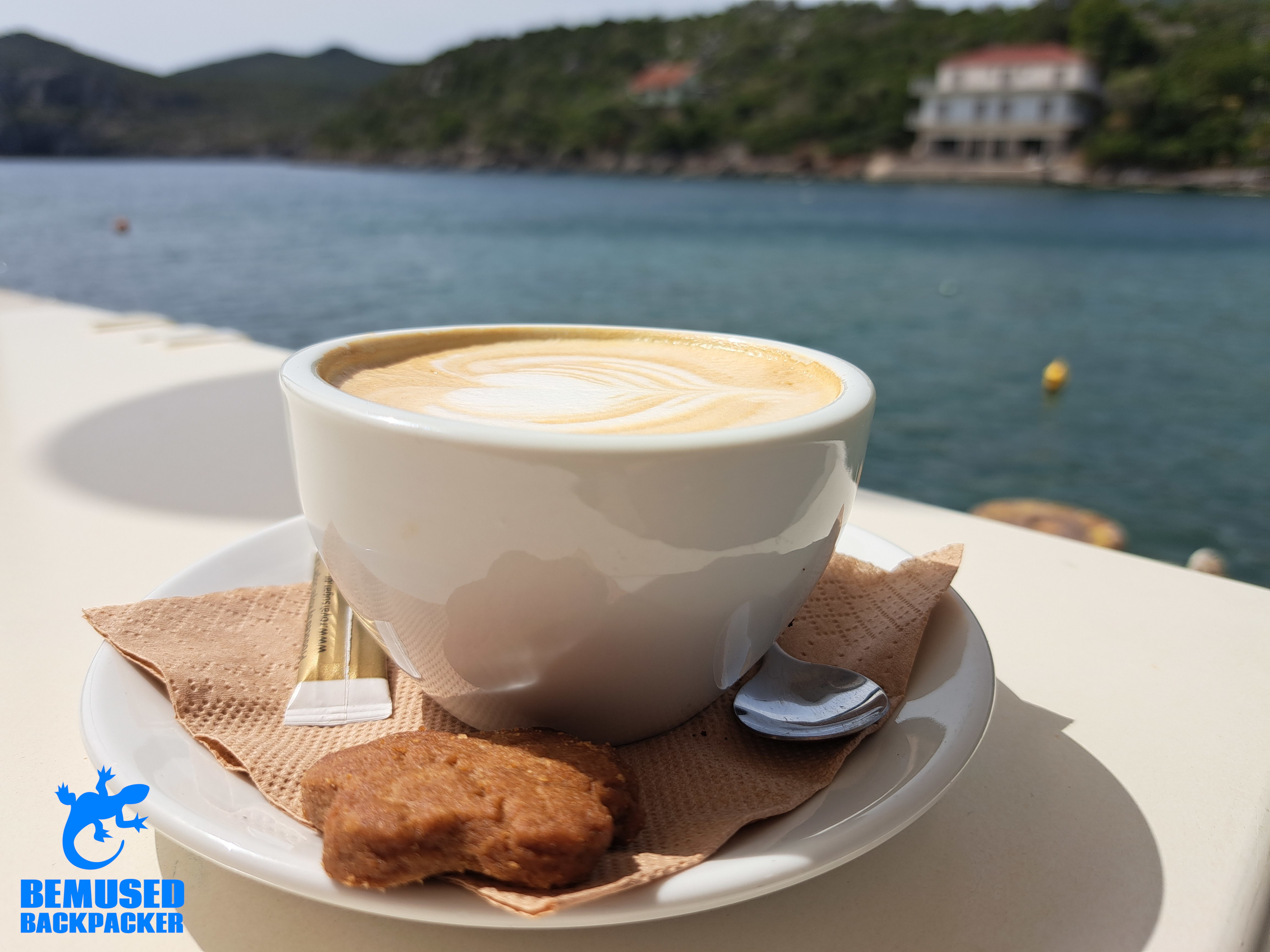
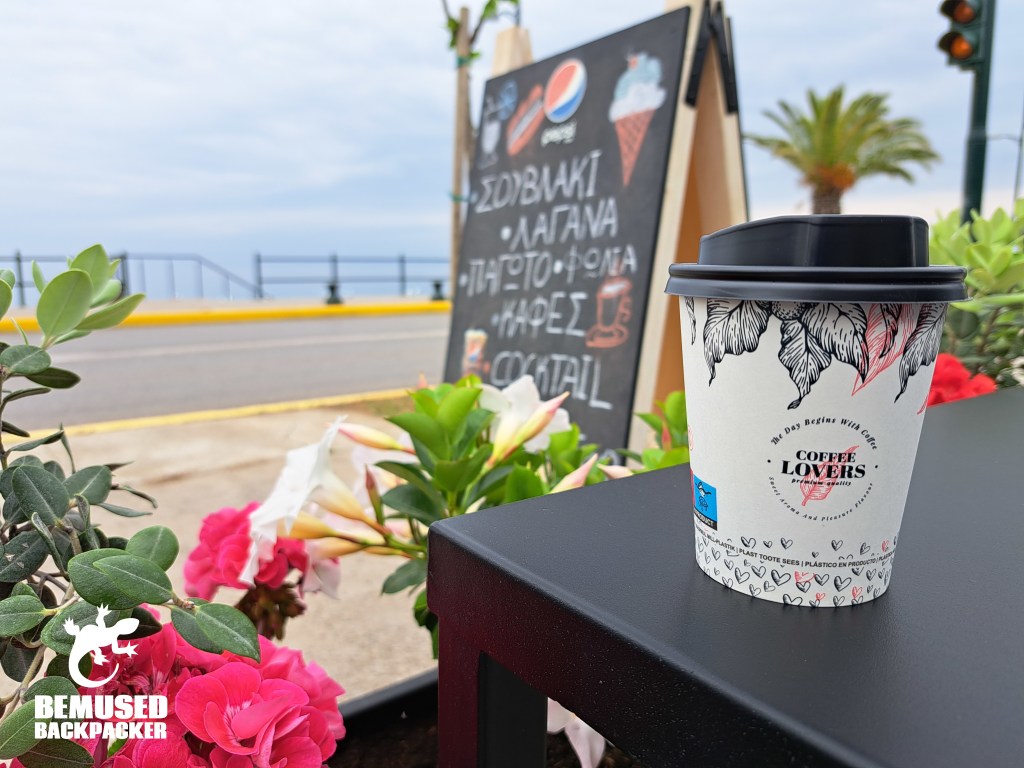
By the 1990s and early 2000s, the culture evolved further with the introduction of the "Freddo" series—Freddo Espresso and Freddo Cappuccino. These drinks utilized high-quality espresso beans rather than instant coffee, reflecting a sophisticated shift in the Greek palate while maintaining the traditional requirement for a drink that could be sipped slowly over several hours.
Technical Specifications and Preparation Methods
Traditional Greek coffee is defined by its unique preparation method, which involves boiling finely ground coffee beans in a specialized vessel known as a briki. This tall, narrow-necked pot is traditionally made of copper or brass to ensure even heat distribution.
The Briki and the Hovoli
The most authentic preparation involves the hovoli, a bed of hot sand over a flame. The briki is nestled into the sand, allowing for a slow, uniform heating process that produces a thick, creamy foam known as kaimaki. The presence of kaimaki is considered a litmus test for the quality of the brew; a coffee served without it is often viewed as improperly prepared.
Service and Accompaniments
Greek coffee is served in a small, thick-walled porcelain cup called a demitasse. Unlike filtered coffee, the grounds are left in the cup to settle at the bottom. It is a strict cultural taboo to drink these grounds. The beverage is invariably served with a tall glass of cold water, intended to cleanse the palate before and during consumption. Often, a "spoon sweet" (glyko tou koutaliou)—a preserve made from fruit, nuts, or vegetables—is served alongside to balance the intense bitterness of the coffee.
Categorization by Sweetness
When ordering coffee in Greece, the consumer must specify the desired sugar level during the preparation phase, as sugar is boiled with the coffee and cannot be added effectively afterward.
- Sketos (Plain): A bitter brew with no sugar, typically preferred by purists who wish to appreciate the nuances of the bean.
- Metrios (Medium): Usually prepared with one teaspoon of sugar, creating a balance between bitterness and sweetness.
- Glykos (Sweet): Prepared with two teaspoons of sugar.
- Vary Glykos (Extra Sweet): A heavy, syrupy version of the drink, often featuring multiple teaspoons of sugar and sometimes a double dose of coffee grounds.
The Sociological Impact of the Kafeneio
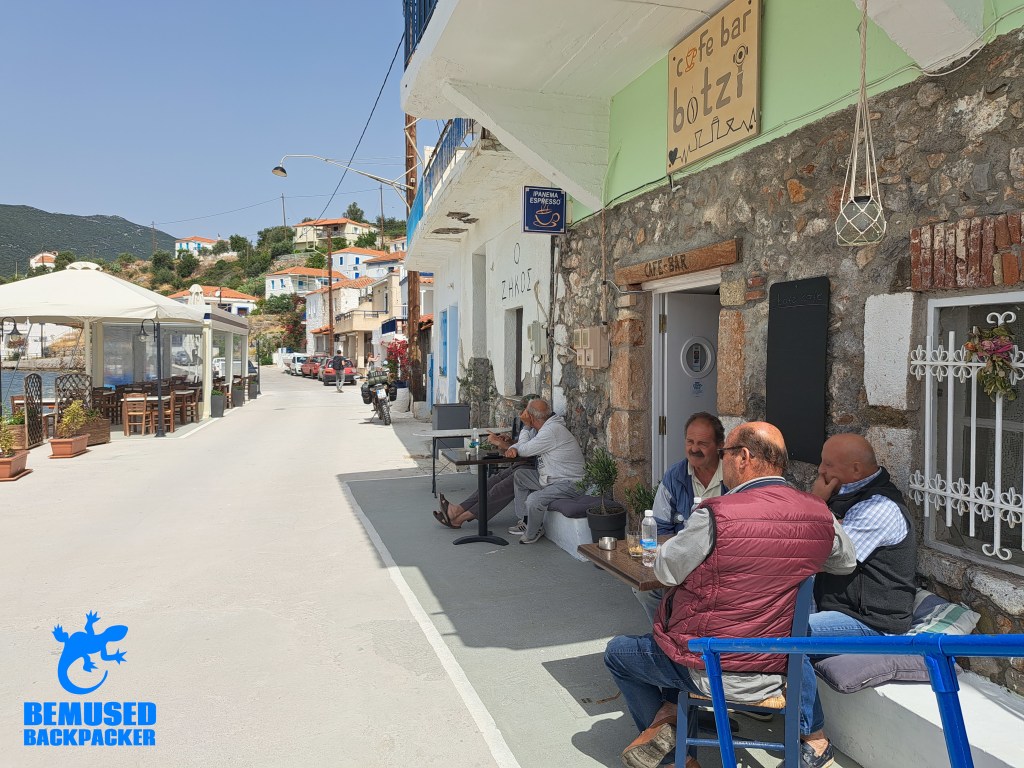
The kafeneio remains a vital institution in Greek life, particularly in rural villages and older urban neighborhoods. Historically, these were male-dominated spaces where village elders would spend the entire day playing tavli (backgammon) and discussing local affairs. In contemporary Greece, the "cafeteria" has emerged as a more inclusive, modern version of the kafeneio, frequented by all demographics.
Sociologists note that the Greek coffee break, which can last anywhere from ninety minutes to three hours, serves as a psychological buffer against the stresses of modern life. This "slow coffee" movement is not a reaction to modern trends but a deep-seated tradition. In Greece, "grabbing a coffee" is rarely a transactional event; it is a commitment to social engagement.
Statistical Overview and Economic Data
Data from the Hellenic Coffee Association highlights the economic significance of this industry. Greece consistently ranks among the top fifteen countries globally for coffee consumption per capita.
- Annual Consumption: It is estimated that Greeks consume approximately 5.5 kilograms of coffee per person annually.
- Market Composition: While traditional Greek coffee accounts for about 30% of home consumption, the "out-of-home" sector (cafes and restaurants) is dominated by Freddo Espresso and Freddo Cappuccino, which make up over 40% of orders in urban centers.
- Economic Contribution: The coffee industry contributes significantly to the Greek GDP, supporting thousands of small businesses and providing a major source of employment in the hospitality sector, which is the backbone of the Greek economy.
Health Implications: The Ikaria Study
Scientific interest in Greek coffee has surged following studies conducted on the island of Ikaria, a designated "Blue Zone" where residents enjoy exceptionally long lifespans. Research published in the journal Vascular Medicine suggested that the daily consumption of boiled Greek coffee might be a factor in the cardiovascular longevity of the island’s population.
The study found that boiled Greek coffee is rich in polyphenols and antioxidants while containing only a moderate amount of caffeine. The boiling process extracts more of these beneficial compounds compared to filtering, potentially improving endothelial function and reducing the risk of heart disease. This data provides a factual basis for the traditional Greek belief in the coffee’s restorative properties.
Etiquette and Social Norms for Visitors
For travelers and expatriates, navigating Greek coffee culture requires an understanding of specific etiquette.
- The Pace of Consumption: Drinking a coffee quickly is often viewed with confusion or as a sign of disrespect to the company one is keeping. The beverage is designed to be sipped at a glacial pace.
- The Ordering Process: The phrase "Enan kafe, parakalo" (One coffee, please) must be followed by the specific type (e.g., Ellinikos for Greek, Frappé, or Freddo) and the sweetness level.
- Hospitality (Filoxenia): In many smaller villages, it is common for a local to pay for a visitor’s coffee. This is a manifestation of filoxenia, the ancient Greek concept of hospitality to strangers. Attempting to refuse this gesture too aggressively can sometimes be perceived as an affront.
Broader Implications and Global Influence
The resilience of traditional Greek coffee culture in the face of global homogenization is a point of academic interest. Despite the entry of international coffee chains into the Greek market, local independent cafes continue to thrive. This is attributed to the fact that international chains often prioritize the "grab-and-go" model, which fundamentally clashes with the Greek requirement for a stationary, social experience.
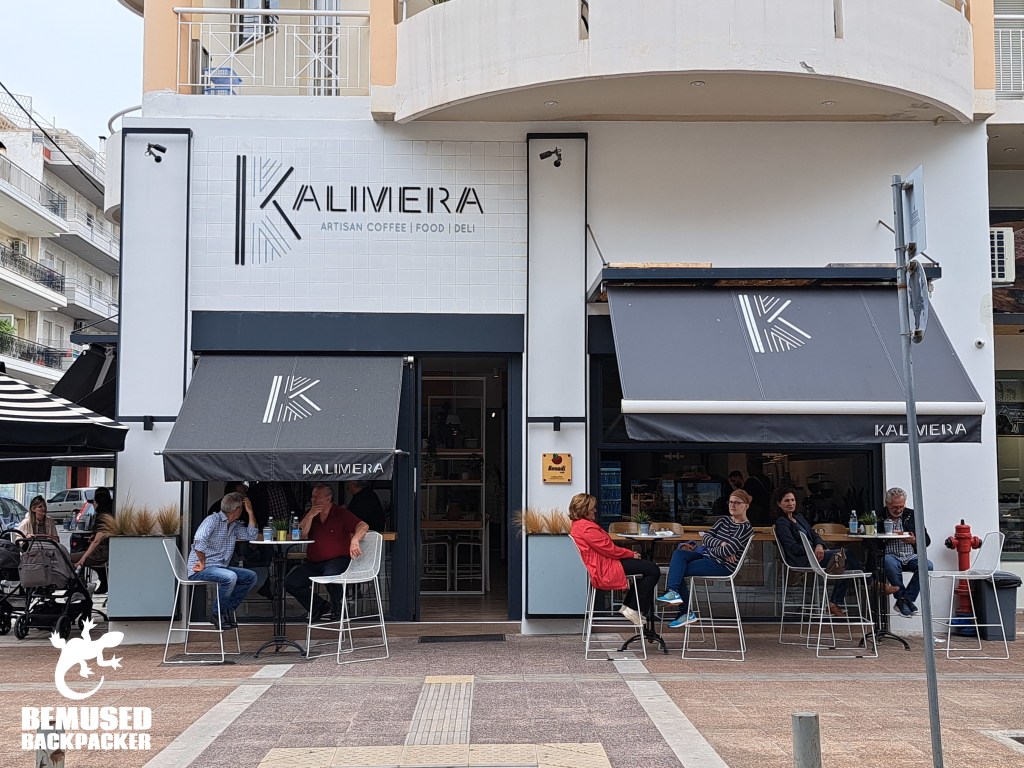
Furthermore, the "Freddo" style of coffee is beginning to see international adoption. In cities with large Greek diasporas, such as Melbourne, New York, and London, the Freddo Espresso is increasingly appearing on the menus of specialty coffee shops, exported as a symbol of Greek culinary innovation.
Analysis of the Modern Coffee Landscape
As Greece continues to modernize, its coffee culture represents a unique synthesis of the old and the new. The traditional kafeneio survives alongside high-tech "third-wave" coffee shops that focus on single-origin beans and artisanal roasting. However, the underlying motivation remains unchanged: the pursuit of kefi—a spirit of joy, passion, and high spirits found in the company of others.
The Greek coffee ritual serves as a reminder that the value of a beverage is not solely in its chemical composition but in the environment in which it is consumed. By maintaining a culture that demands time and presence, Greece offers a counter-narrative to the global trend of hyper-productivity, suggesting that the most productive thing one can do is occasionally sit still, sip a coffee, and engage with the community.
In conclusion, Greek coffee is a multifaceted phenomenon that encompasses history, chemistry, economics, and social philosophy. Whether it is a traditional Ellinikos boiled over sand or a modern Freddo enjoyed on a sun-drenched terrace, the drink remains the essential medium through which the Greek people negotiate their relationships, their politics, and their daily lives. For the observer, understanding this culture is key to understanding the Greek identity itself—a culture that, despite centuries of change, remains committed to the simple, slow, and profound pleasure of a shared cup.