Intrepid’s newest Women’s Expeditions are centring women’s voices and dismantling gender barriers in Bhutan, Peru and Cambodia.

In a strategic expansion of its purpose-led travel portfolio, Intrepid Travel has announced the launch of three new Women’s Expeditions for 2026, targeting Bhutan, Peru, and Cambodia. This development follows a period of significant growth for the company’s female-focused itineraries, which saw a 32 percent increase in passenger numbers in 2025. According to internal data provided by the B Corp-certified tour operator, approximately 77 percent of participants on these expeditions are solo travelers, signaling a robust demand for secure, community-oriented environments that prioritize cross-cultural female connection.
Originally launched in 2018 as a pilot program in countries such as Jordan, Morocco, and Iran, Intrepid’s Women’s Expeditions were designed to provide travelers with access to spaces and stories that are typically off-limits to mixed-gender groups. The 2026 expansion represents a deeper commitment to integrating social enterprise and economic empowerment into the tourism value chain. By centering local women as guides, hosts, and entrepreneurs, the program aims to address systemic gender imbalances in the global tourism industry, where women are frequently relegated to low-wage, informal, or domestic roles.
Chronology of the Women’s Expedition Initiative
The evolution of Intrepid’s Women’s Expeditions reflects a broader shift in the travel industry toward experiential and ethical tourism.
- 2018: The program debuts with limited departures in the Middle East. The primary goal is to bypass the traditional "male gaze" of travel and allow female visitors to interact with local women in culturally sensitive environments.
- 2019–2022: Despite the global disruptions caused by the COVID-19 pandemic, the program expands to include destinations like Nepal and India. The focus shifts toward supporting women-owned businesses that were disproportionately affected by the loss of tourism revenue.
- 2023–2024: Intrepid reports a surge in solo female travelers. The company refines its itineraries to include more rigorous physical challenges, such as all-female trekking crews in high-altitude regions.
- 2025: The program achieves record growth. The success of the 2025 season serves as the catalyst for the 2026 expansion into Bhutan, Peru, and Cambodia, which are chosen specifically for their unique cultural landscapes and the presence of grassroots women’s organizations.
Dismantling Gender Barriers in the Workforce
A central pillar of the 2026 expeditions is the disruption of entrenched gender roles within the labor market. In many of the regions where Intrepid operates, technical and leadership roles—particularly in the outdoors and transportation sectors—have historically been reserved for men.
In Cambodia, the "Driver Srey" social enterprise is a primary partner for the new itinerary. In a country where the operation of a remork (a local tuk-tuk) is almost exclusively a male profession, Driver Srey trains and employs women, including widows and single mothers. This initiative provides these women with financial independence and offers female travelers a safer, more specialized transportation experience.
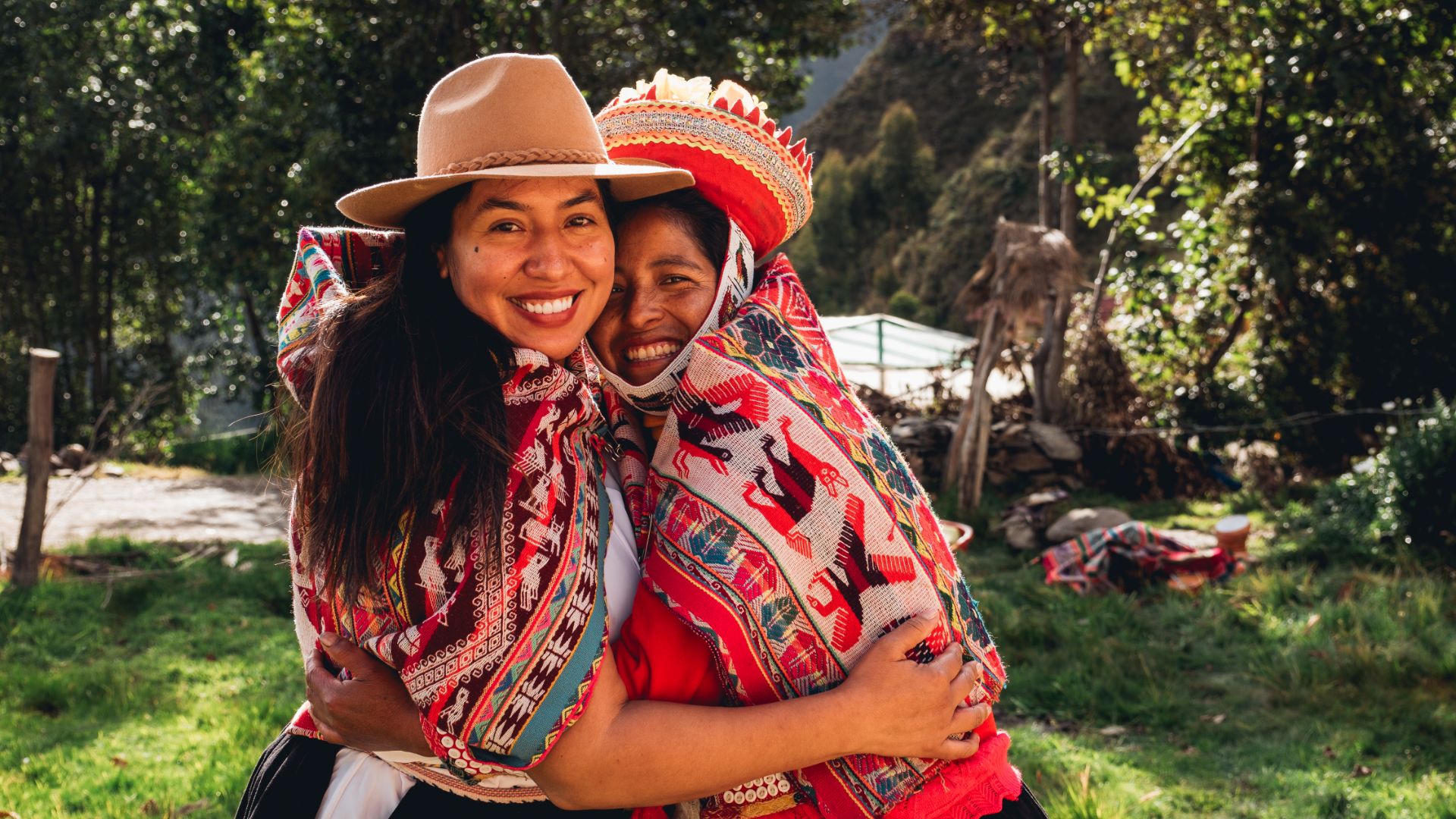
In the Andean highlands of Peru, the new expedition challenges the "macho" culture of the trekking industry. While men have traditionally dominated the roles of guides and porters on the Inca Trail and surrounding routes, Intrepid’s 2026 itinerary features an all-female crew for the hike to the Pumamarca fortress. This shift not only provides stable employment for Quechua women but also creates a platform for them to share their indigenous knowledge and personal histories with international visitors.
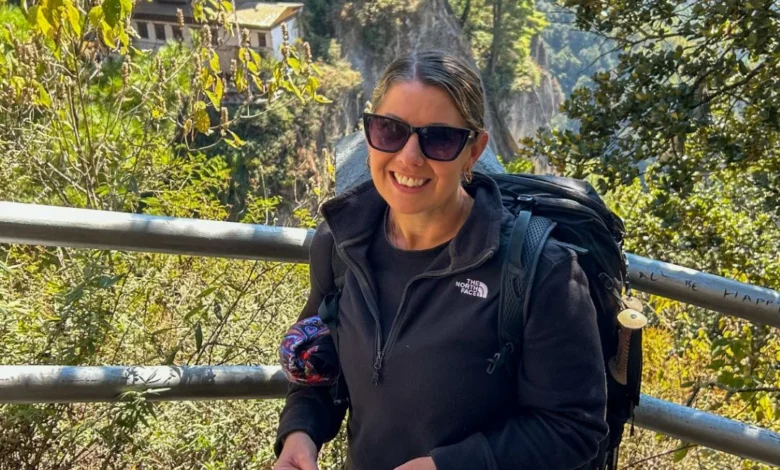
Similarly, in Bhutan, the expedition highlights women who have overcome social stigma to enter the mountaineering and hospitality sectors. The itinerary includes visits to the Tiger’s Nest Monastery accompanied by female guides who have broken through the "glass ceiling" of the kingdom’s burgeoning adventure tourism industry.
Addressing the Informal Economy and Social Marginalization
The 2026 expeditions are designed to channel capital directly into the hands of women who are often excluded from the formal economy. According to data from UN Women, women are over-represented in the informal economy—work that is not regulated and lacks social protections.
In Phnom Penh, Cambodia, the itinerary includes a partnership with Daughters of Cambodia, an organization that supports survivors of sex trafficking. By visiting their women-only spa and vocational training centers, travelers contribute to a model that offers counseling and skill-building, helping women transition from exploitation to sustainable careers as beauty and massage therapists.

The Peruvian itinerary addresses the challenges faced by solo mothers through a partnership with AMA, a social enterprise restaurant in the Sacred Valley. AMA provides employment and childcare support, allowing women to work while their children have a safe space for play and education. This "village" approach to business is a direct response to the social stigma and high costs of childcare that often prevent Peruvian women from entering the workforce.
Safeguarding Cultural Heritage Through Female Artisans
Beyond economic empowerment, the new expeditions focus on the preservation of traditional crafts, which are frequently the domain of women but are often undervalued in global markets.
In Bhutan’s Bumthang Valley, travelers engage with the custodians of yathra, an intricate handwoven textile made from sheep and yak wool. These techniques are traditionally passed from mother to daughter, serving as both a cultural anchor and a vital source of household income. By facilitating direct interactions between weavers and travelers, the program ensures that the profits from these high-value crafts remain within the community.
In Cambodia’s Tonle Sap region, the Rokhak Women Handicraft Centre demonstrates environmental innovation. The center employs women to harvest the invasive water hyacinth—which threatens local ecosystems—and transform it into woven bags and rugs. This model provides an dual benefit: ecological restoration of the lake and economic stability for the weavers.
Supporting Data and Industry Context
The rise of Women’s Expeditions aligns with broader demographic shifts in the travel sector. Market research indicates that women now make up the majority of adventure travelers and are the primary decision-makers for over 80 percent of travel purchases.

Furthermore, the emphasis on solo travelers (77 percent of Intrepid’s female cohort) reflects a growing "confidence gap" closure. Women are increasingly seeking out travel experiences that offer independence without the isolation of traveling entirely alone. The Women’s Expedition model provides a structured "safety net," allowing participants to engage in high-risk or culturally complex activities—such as visiting the Choeung Ek Killing Fields in Cambodia or participating in shamanic ceremonies in Peru—within a supportive peer environment.
Investment in women’s economic empowerment has a documented "multiplier effect." According to the World Economic Forum, women reinvest approximately 90 percent of their income back into their families and communities, compared to 30 to 40 percent for men. By focusing on women-owned businesses like the Thimphu Tower Hotel in Bhutan or Nuna Raymi in Cusco, Intrepid’s itineraries contribute to improved health, education, and nutrition outcomes at the local level.
Analysis of Implications for Global Tourism
The success and expansion of these expeditions suggest a paradigm shift in how global tour operators approach corporate social responsibility (CSR). Rather than relying on passive philanthropy, Intrepid is integrating social impact directly into its product development.
The focus on "centring women’s voices" also serves as a corrective to historical narratives. In Cambodia, the inclusion of woman-led tours of the Tuol Sleng Genocide Museum ensures that the specific experiences of women during the Khmer Rouge regime—both as victims and as members of the resistance—are not lost to history. This approach to "dark tourism" prioritizes empathy and educational depth over mere sightseeing.
However, the expansion also brings challenges. Operating all-female trips in patriarchal societies requires careful navigation of local customs and potential pushback from traditional power structures. Intrepid’s reliance on local female leaders is critical in this regard, as these women serve as cultural intermediaries who can negotiate access and ensure that the presence of foreign travelers is respectful and non-disruptive.

Conclusion
The addition of Bhutan, Peru, and Cambodia to Intrepid’s Women’s Expeditions portfolio for 2026 marks a significant milestone in the movement toward gender-equitable travel. By creating a direct link between international travelers and local female entrepreneurs, the program does more than offer a unique holiday; it provides a scalable model for how the tourism industry can dismantle gender barriers and foster global solidarity. As the number of solo female travelers continues to rise, the demand for these "ripples of change" is expected to grow, potentially influencing the broader travel industry to adopt more inclusive and impact-driven strategies.