The Ultimate Guide to Traveling With a Backpack Navigating Airline Regulations and Choosing the Best Gear

The modern travel landscape has undergone a significant transformation in recent years, with backpacks evolving from simple school and hiking accessories into sophisticated tools for global transit. As airlines increasingly monetize cargo space and overhead bins, travelers are turning to high-capacity, versatile backpacks to maximize their storage while maintaining mobility. This shift reflects a broader trend toward "one-bag travel" and hands-free transit, allowing passengers to navigate crowded terminals and public transportation with greater efficiency. However, the transition to backpack-centric travel requires a comprehensive understanding of aviation regulations, gear specifications, and the economic factors driving airline baggage policies.
The Regulatory Framework: Personal Item vs. Carry-On
One of the most critical distinctions for the modern flyer is the difference between a personal item and a carry-on bag. Under Federal Aviation Administration (FAA) guidelines in the United States, and similar international standards set by the International Air Transport Association (IATA), passengers are typically allowed one of each, though specific dimensions vary significantly by carrier.
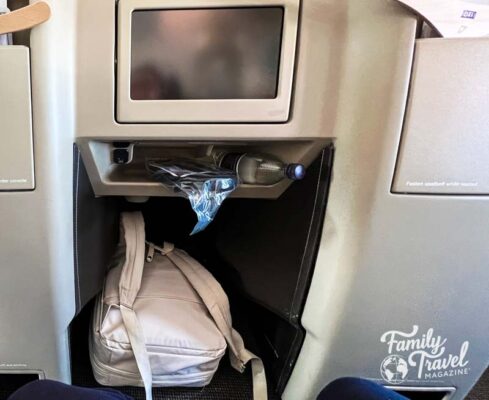
A backpack is generally classified as a personal item if it can fit entirely under the seat in front of the passenger. Standard dimensions for a personal item often hover around 18 x 14 x 8 inches (45 x 35 x 20 cm). These items include handbags, laptop bags, small briefcases, and diaper bags. Conversely, a carry-on bag is intended for the overhead bin and usually measures up to 22 x 14 x 9 inches (56 x 36 x 23 cm).
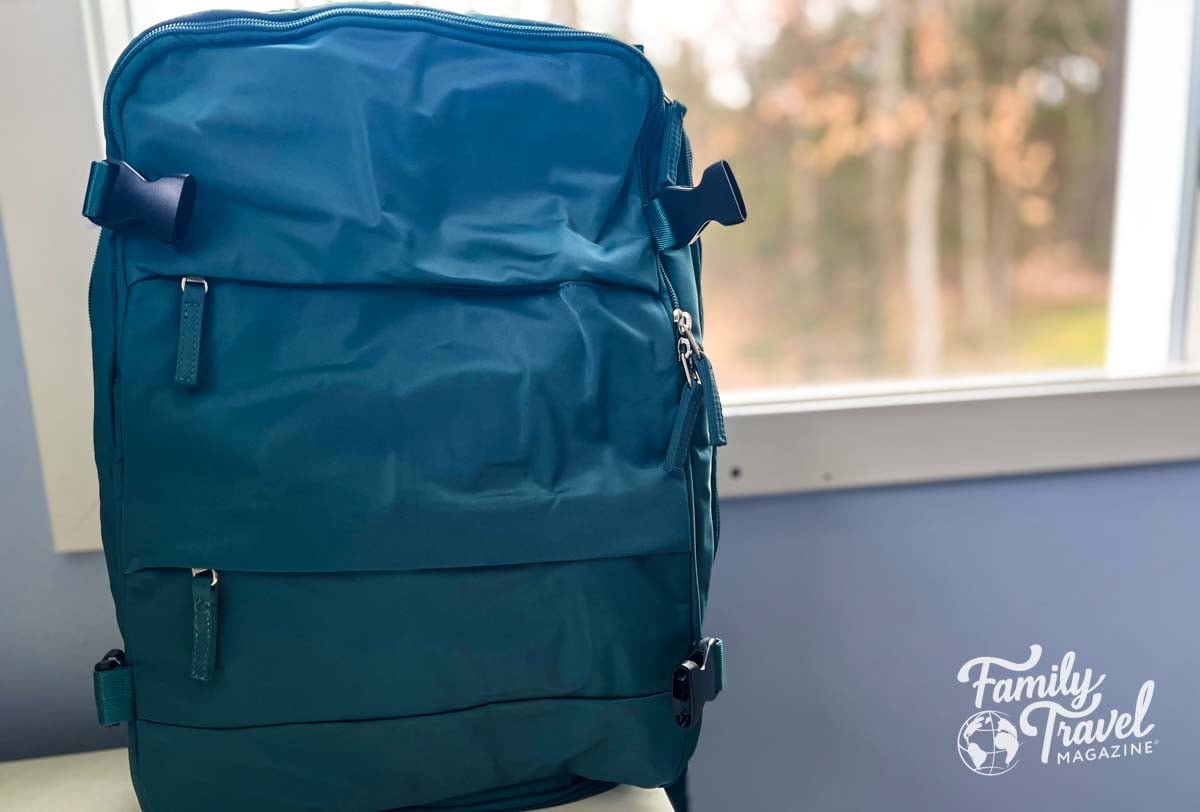
The classification of a backpack depends entirely on its packed dimensions rather than its design. A "gigantic" hiking pack or a high-capacity travel rucksack exceeding 45 liters will almost certainly be classified as a carry-on or even require checking. Conversely, a standard 20- to 30-liter daypack is almost universally accepted as a personal item. Travelers are advised to consult their specific airline’s website, as budget carriers like Spirit, Frontier, and Ryanair often enforce stricter size limits and charge fees for any item that does not fit within their proprietary "sizer" boxes at the gate.
The Economic Context of Modern Packing
The surge in backpack popularity is directly linked to the evolution of airline fare structures. Since the introduction of "Basic Economy" by major carriers such as Delta, United, and American Airlines, the ability to bring a full-sized carry-on for free has been curtailed for many ticket holders. In these fare classes, the personal item—often a backpack—is the only luggage permitted without an additional fee.
According to data from the Bureau of Transportation Statistics, U.S. airlines collected approximately $6.7 billion in baggage fees in 2022 alone. This economic pressure has incentivized manufacturers to design "maximum legal carry-on" (MLC) backpacks that push the limits of personal item dimensions. These bags allow travelers to avoid fees while retaining enough volume for multi-day trips.
Essential Features of High-Performance Travel Backpacks
When selecting a backpack specifically for air travel, certain features distinguish a professional-grade travel bag from a standard school or outdoor pack. Industry experts identify several "must-have" specifications for the frequent flyer:
Trolley Sleeves and Integration
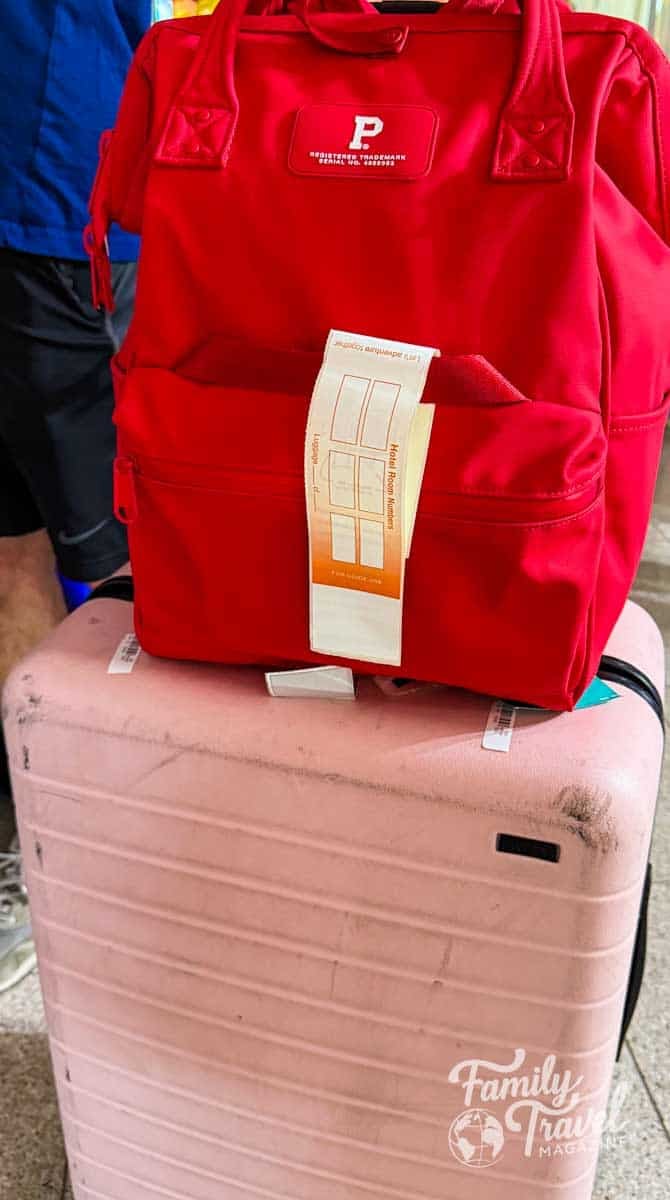
One of the most valuable features for travelers who also use rolling luggage is the trolley sleeve (or luggage passthrough). This is a fabric strap on the back of the backpack that allows it to slide over the telescoping handle of a suitcase. This integration prevents the backpack from sliding off while navigating the airport and relieves the traveler of shoulder strain.
Compartmentalization and Tech Storage
Unlike hiking packs, which often feature a single large "top-loading" compartment, travel backpacks prioritize organization. A dedicated, padded laptop sleeve is essential for quick removal during TSA security screenings. Furthermore, internal mesh pockets, key fobs, and external "admin" pockets for passports and boarding passes enhance the efficiency of the transit experience.
Access and Loading Styles
The "clamshell" opening is a hallmark of modern travel backpacks. This design allows the bag to unzip fully and lay flat, similar to a suitcase. This makes packing and accessing items at the bottom of the bag much easier than the traditional "chimney" style of school backpacks, where items must be stacked vertically.
Material Durability and Security
Travel bags are subject to significant wear. High-denier nylon (such as 840D or 1680D ballistic nylon) and water-resistant coatings are standard in premium models. Security features, such as lockable zippers and RFID-blocking pockets, provide peace of mind in high-traffic urban environments.
Market Analysis: Leading Travel Backpack Options
The travel gear market has seen a proliferation of brands catering to specific traveler niches. Based on consumer data and design innovation, several models have emerged as industry leaders.
Baboon to the Moon: The Go-Bag Series
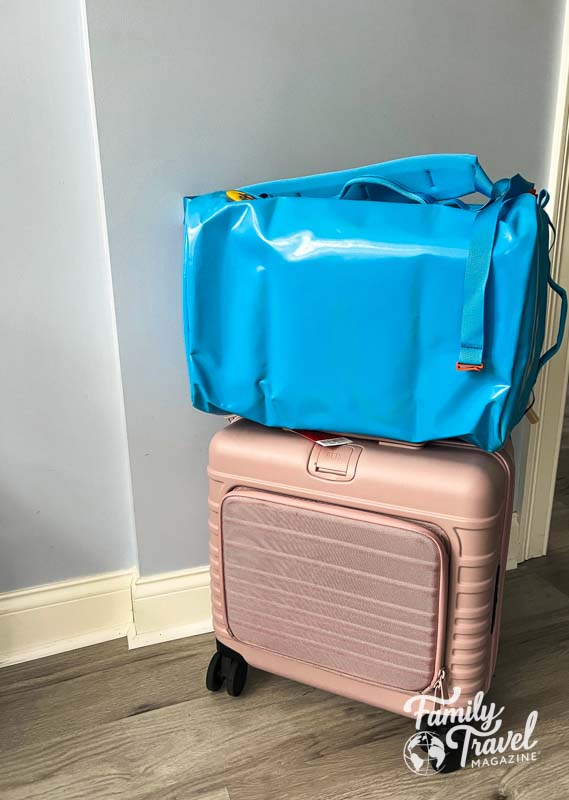
Baboon to the Moon has carved a niche with its "Go-Bag" series, which emphasizes durability and vibrant aesthetics. The "Mini" version (32L) is specifically designed to meet most airline personal item requirements. Constructed from Phthalate-free PVC fabric, it is highly weather-resistant. Its suitcase-style opening and lockable zippers make it a favorite for rugged travel, though it lacks a trolley sleeve for suitcase integration.
Beis: The Expandable Backpack
Founded by actress Shay Mitchell, Beis has gained significant market share by blending fashion with high-utility travel features. Their "Expandable Backpack" is notable for its use of recycled materials, including fabric made from water bottles. The bag features a trolley sleeve, a dedicated laptop compartment, and an expansion gusset that allows the volume to increase for souvenir storage on the return leg of a trip.
Portland Gear: The Cascade Backpack
Portland Gear represents the trend of regional boutique brands going national. The Cascade Backpack is frequently cited for its wide-mouth opening and professional aesthetic. It includes the essential trolley sleeve and is sized to fit comfortably under most airline seats, appealing to business travelers who require a bag that transitions seamlessly from the aircraft to the boardroom.
High-Volume Budget Alternatives
For the cost-conscious traveler, high-volume "unbranded" travel backpacks sold via platforms like Amazon have become top-sellers. These bags often mimic the features of premium brands—offering shoe compartments, wet/dry pouches for toiletries, and integrated USB charging ports—at a fraction of the cost. While they may lack the long-term durability of ballistic nylon bags, they provide an accessible entry point for one-bag travel.
Chronology of the Backpack’s Evolution in Transit
The timeline of the backpack’s rise in aviation is marked by several key industry shifts:
- 1970s-1980s: Backpacks are primarily associated with student life or "backpacker" tourism in Europe and Southeast Asia. They are rarely seen in business class or on short-haul domestic flights.
- Post-9/11 (2001): Increased security measures make "easy-access" bags more desirable. The need to remove electronics and liquids quickly favors the organized compartments of backpacks over traditional duffels.
- 2008-2010: Following the global financial crisis, major airlines introduce checked bag fees to offset rising fuel costs. Travelers respond by shifting toward carry-on luggage.
- 2017-Present: The rise of Basic Economy fares further restricts carry-on allowances, leading to the "Golden Age" of the travel backpack as the ultimate personal item.
Broader Impact and Implications for the Future of Travel
The shift toward backpacks has broader implications for aircraft design and passenger behavior. Airlines are currently retrofitting many aircraft with larger "SpaceBins" to accommodate the influx of carry-on luggage. However, as overhead space remains a point of contention and a cause for boarding delays, the personal item—the backpack under the seat—remains the most reliable way to ensure a bag stays with the passenger.
Furthermore, the environmental impact of travel gear is coming under scrutiny. Leading brands are increasingly pivoting to recycled ocean plastics and carbon-neutral manufacturing processes. The "buy it for life" (BIFL) movement is also influencing backpack design, with consumers favoring bags with lifetime warranties and repairable components over "fast-fashion" luggage.
Conclusion
Traveling with a backpack is no longer a sign of a budget traveler or a student; it is a strategic choice made by savvy flyers to navigate the complexities of modern aviation. By understanding the nuances of airline size restrictions, prioritizing ergonomic features like trolley sleeves, and selecting bags designed for accessibility, travelers can significantly reduce the stress and cost of their journeys. As airline policies continue to evolve, the backpack remains the most adaptable and efficient tool in the traveler’s arsenal, bridging the gap between mobility and capacity.