A Comprehensive Comparison of Disney Cruise Line and Royal Caribbean International: Market Position, Fleet Evolution, and Passenger Experience

The global cruise industry, valued at billions of dollars and rebounding significantly in the post-pandemic era, is largely dominated by several key players, with Disney Cruise Line and Royal Caribbean International representing two of the most distinct yet competitive models for family-oriented maritime travel. While both companies target the multi-generational demographic, they utilize vastly different operational strategies, fleet scales, and pricing structures. As travelers navigate the complexities of booking vacations, the choice between Disney’s brand-integrated, boutique approach and Royal Caribbean’s high-capacity, innovation-driven model remains a pivotal decision for consumers.
Market Position and Fleet Scale
Disney Cruise Line (DCL) operates as a specialized subsidiary of The Walt Disney Company’s Parks, Experiences, and Products division. Currently, DCL maintains a fleet of eight ships, categorized into four distinct classes. The original Magic class includes the Disney Magic and Disney Wonder, followed by the larger Dream class consisting of the Disney Dream and Disney Fantasy. The newest evolution, the Triton class, debuted with the Disney Wish and is set to expand with the Disney Treasure and subsequent vessels. Disney’s strategy has traditionally focused on limited fleet growth, maintaining high demand through brand scarcity and a deep integration of intellectual property.
In contrast, Royal Caribbean International (RCI), a brand under the Royal Caribbean Group, operates a massive fleet of 28 ships. RCI’s fleet is organized into various classes, including the Oasis, Freedom, Quantum, Radiance, Voyager, and Vision classes. The recent launch of the Icon class, led by the Icon of the Seas—currently the largest cruise ship in the world—underscores Royal Caribbean’s commitment to engineering marvels and scale. With a larger fleet, RCI offers significantly more geographic diversity, sailing to ports in Asia, Australia, and the South Pacific, whereas Disney’s itineraries are more concentrated in the Caribbean, Europe, and Alaska.
Historical Context and Fleet Evolution
The modern family cruise era began in earnest in the late 1990s. Disney Cruise Line was founded in 1995 and launched its first ship, the Disney Magic, in 1998, ending a partnership with Premier Cruise Line. This move allowed Disney to control the end-to-end guest experience, translating the "theme park" service model to the high seas.
Royal Caribbean, founded much earlier in 1968, has a longer history of maritime innovation. The company was instrumental in shifting the industry from basic transportation to "floating resorts." The introduction of the Oasis of the Seas in 2009 revolutionized the market by introducing "neighborhoods" on ships, a concept that Royal Caribbean continues to refine with each new vessel. While Disney emphasizes nostalgia and character-driven storytelling, Royal Caribbean focuses on "firsts at sea," such as the first rock-climbing wall, the first ice rink, and the first skydiving simulator.
Economic Dynamics: Pricing vs. Value Inclusions
A primary point of comparison for consumers is the cost of passage. Statistical analysis of cruise fares generally places Disney Cruise Line at a premium price point. DCL’s base rates are often 30% to 100% higher than Royal Caribbean’s for similar itineraries. However, industry analysts note that Disney’s pricing model is more inclusive of "soft" costs. For example, Disney includes non-alcoholic beverages (sodas, coffee, and tea) and 24-hour room service within the base fare.
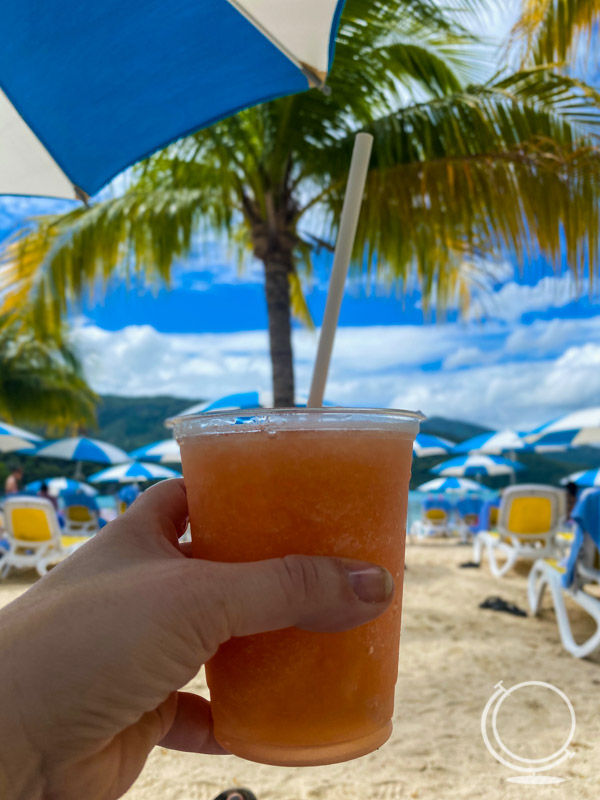
Royal Caribbean utilizes an "unbundled" pricing strategy. While the entry-level fare is lower, guests often pay extra for soft drinks, specialty coffees, and specific onboard activities. This allows RCI to appeal to budget-conscious travelers while providing high-spending guests the opportunity to customize their experience via beverage packages and specialty dining. On Royal Caribbean, the "Deluxe Beverage Package" can cost between $60 and $100 per person, per day, a cost that Disney passengers largely avoid unless they are purchasing alcohol or premium specialty coffees.
Onboard Programming and Entertainment
Entertainment is a cornerstone of both brands, yet the execution differs based on corporate identity. Disney Cruise Line leverages its vast library of intellectual property. Shows in the Walt Disney Theatre are Broadway-caliber musicals featuring characters from the Disney, Marvel, and Star Wars universes. DCL also holds the unique distinction of being the only cruise line authorized to host fireworks displays at sea, a staple of their "Pirate Night" festivities.
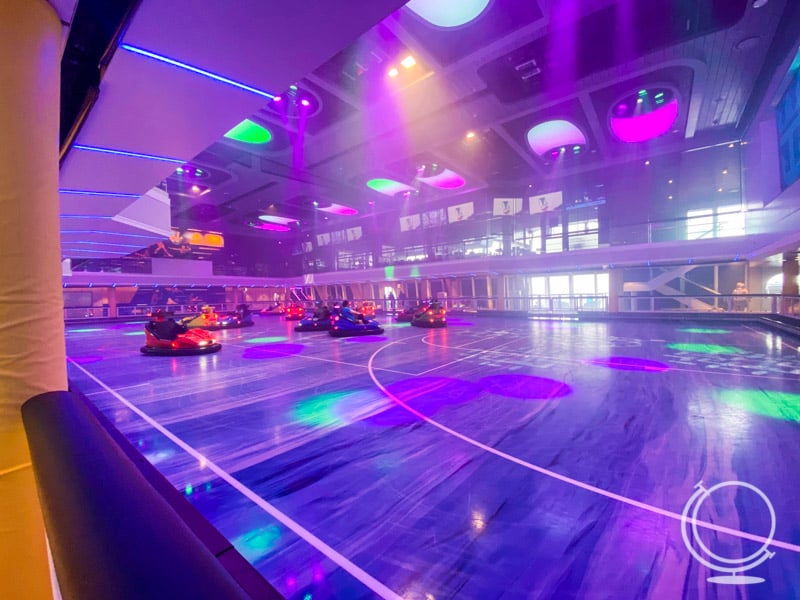
Royal Caribbean’s entertainment is defined by variety and technical complexity. The line features unique venues such as the AquaTheater—an outdoor pool-based stage with high-diving performances—and the Studio B ice-skating rink. While RCI does feature licensed Broadway shows like Grease, Hairspray, and Mamma Mia!, their overall programming is broader and aimed at a wider range of ages, including late-night adult comedy and high-energy casino gaming. Notably, Disney Cruise Line ships do not feature casinos, a deliberate choice to maintain a family-centric environment, whereas Royal Caribbean’s "Casino Royale" is a major revenue driver and social hub.
Culinary Strategies: Rotational vs. Specialty Dining
The approach to dining illustrates the different operational philosophies of the two lines. Disney Cruise Line utilizes a patented "Rotational Dining" system. Guests rotate among three themed restaurants throughout the cruise, and their waitstaff moves with them. This ensures a consistent level of service and allows servers to become familiar with guests’ dietary preferences and allergies—a feature frequently praised in passenger reviews.
Royal Caribbean follows a more traditional maritime dining model but with a heavy emphasis on specialty options. While the Main Dining Room offers traditional and "My Time" (flexible) seating, the ships are designed to encourage guests to visit upcharge venues. These include Izumi (sushi and teppanyaki), Chops Grille (steakhouse), and Giovanni’s Italian Kitchen. For food enthusiasts, Royal Caribbean offers a wider variety of global cuisines, whereas Disney focuses on highly themed, immersive dining experiences like the "Avengers: Quantum Encounter" on the Disney Wish.
Private Destinations and Shore Excursions
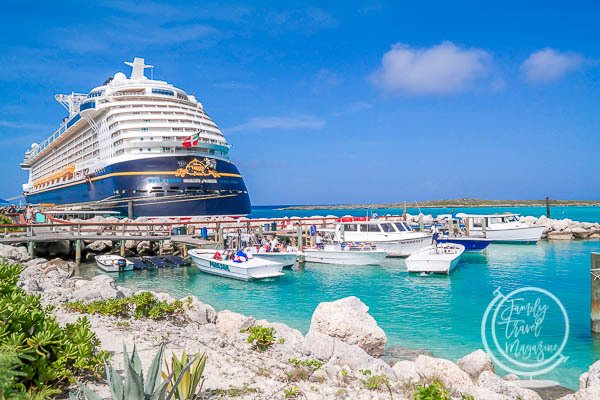
Both lines have invested heavily in private island destinations in the Bahamas, which serve as exclusive ports of call. Disney’s Castaway Cay has long been considered the gold standard for private islands, offering pristine beaches and a seamless extension of the ship’s service. In 2024, Disney expanded its footprint with Lookout Cay at Lighthouse Point on the island of Eleuthera, focusing on Bahamian culture and environmental sustainability.
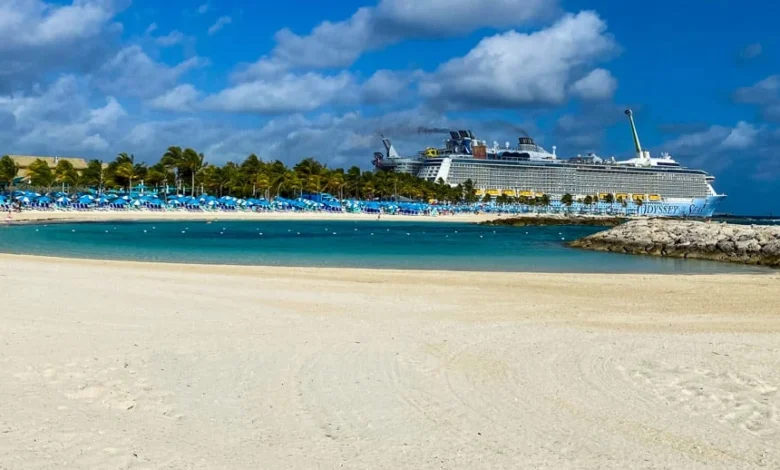
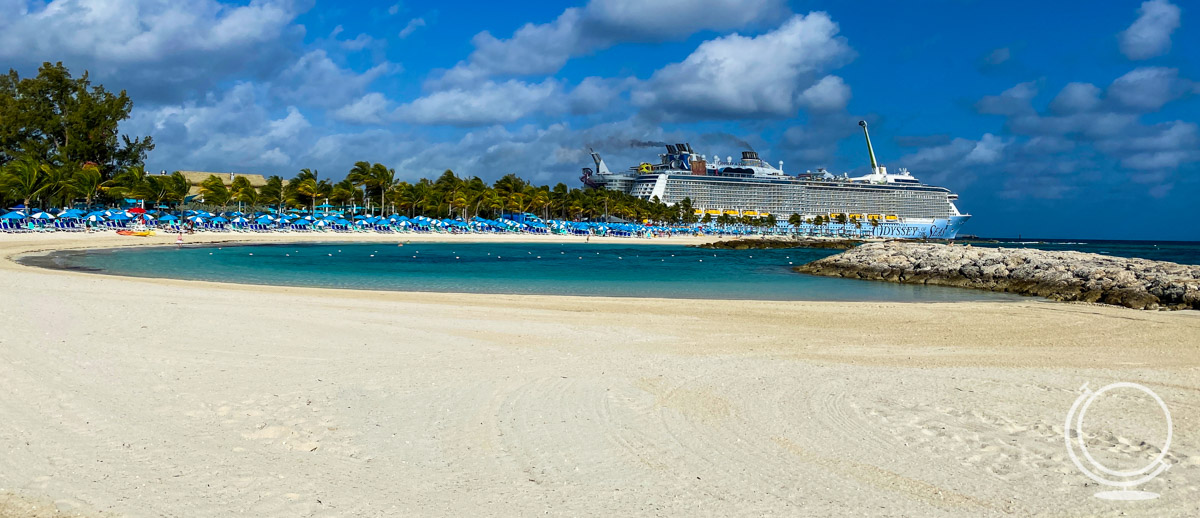
Royal Caribbean’s "Perfect Day at CocoCay" represents a $250 million transformation of their private island into a high-octane destination. It features the tallest waterslide in North America, a helium balloon ride, and an exclusive beach club. While Disney’s islands emphasize relaxation and character interaction, CocoCay is designed as a full-scale water park and resort. Royal Caribbean also maintains Labadee, a private peninsula in Haiti, though its operations are subject to regional stability and safety protocols.
Youth and Teen Facilities
The "Kids’ Club" is a critical factor for family satisfaction. Royal Caribbean’s "Adventure Ocean" program is categorized by developmental stages (Aquanauts, Explorers, and Voyagers) and focuses on "edutainment," such as science experiments and organized sports.
Disney’s "Oceaneer Club" and "Oceaneer Lab" are renowned for their immersive technology. On newer ships, these areas include "Marvel Super Hero Academy" and "Star Wars: Cargo Bay." Disney’s youth staff-to-child ratio is often cited as a benchmark in the industry, and the clubs remain open later than many of their competitors. Both lines provide dedicated spaces for tweens (Edge on Disney) and teens (Vibe on Disney), ensuring that older children have age-appropriate social outlets away from younger siblings.
Technical Infrastructure and Connectivity
In the realm of digital integration, both lines have transitioned to app-based management. The Disney Cruise Line Navigator app and the Royal Caribbean app allow guests to book excursions, view menus, and message other passengers. Historically, Disney has offered a more robust "free" messaging tier and complimentary iMessage access, which is a significant value-add for iPhone users.
Royal Caribbean has led the industry in internet speed through its partnership with SpaceX’s Starlink. The "Voom" internet service is marketed as the fastest at sea, capable of supporting video streaming and remote work. Disney has recently updated its WiFi structures to move away from data-usage models to flat-fee tiered plans, catching up to the industry standard for connectivity.
Conclusion and Future Implications
The decision between Royal Caribbean and Disney Cruise Line ultimately hinges on a family’s priorities regarding budget, brand affinity, and desired activity level. Royal Caribbean offers a high-energy, technologically advanced, and geographically diverse experience that can be tailored to various price points. Disney Cruise Line offers a highly curated, service-oriented, and nostalgic experience that justifies its premium cost through inclusions and brand loyalty.
As the industry moves forward, both lines are focusing on environmental sustainability, with new ships being powered by Liquefied Natural Gas (LNG) to reduce carbon emissions. The competition between these two giants ensures continued innovation in the cruise sector, providing families with increasingly sophisticated options for exploring the world’s oceans. For the consumer, the "best" cruise line is no longer a matter of quality—as both maintain high standards—but rather a matter of which specific brand of "magic" or "innovation" fits their personal vacation philosophy.