The concept of the silent retreat, while rooted in ancient monastic and Vipassana traditions, has been adapted for a modern, secular audience. These retreats typically require participants to abstain from all forms of verbal and non-verbal communication for a set duration, often ranging from 36 hours to ten days. By removing the social obligation of conversation, participants are forced into an internal dialogue that proponents claim leads to profound psychological breakthroughs and long-term lifestyle changes.
The Mechanics of a 36-Hour Silent Retreat
The standard itinerary for a weekend silent retreat, such as the one hosted at Rising Spirit, begins with a transition period. Participants typically arrive on a Friday afternoon, allowing time for orientation, room assignments, and a final communal meal where conversation is permitted. This social "on-boarding" is essential for establishing a sense of safety and community before the period of silence commences.

Following the Friday evening meal, a facilitator provides final instructions, and the group enters a state of silence that lasts until Sunday morning. The schedule is meticulously structured to prevent the boredom or anxiety that can arise from sudden inactivity. A typical Saturday involves a series of guided meditations, yoga sessions (including somatic and Hatha styles), and periods of "mindful eating."
During these 36 hours, participants are encouraged to engage in low-stimulation activities such as journaling, knitting, painting, or nature walks. The primary goal is the removal of external "noise"—both literal and social—allowing the nervous system to shift from a sympathetic "fight or flight" state to a parasympathetic "rest and digest" state.
Psychological and Physiological Implications
The impact of intentional silence on the human brain is supported by an emerging body of neurological research. According to a 2013 study published in the journal Brain, Structure and Function, two hours of silence daily can lead to the development of new cells in the hippocampus, the region of the brain associated with learning, memory, and emotion. In the context of a silent retreat, this effect is compounded by the absence of digital stimuli.
For many participants, the first 24 hours of silence act as a "de-pressurization" period. Janice Waugh, a veteran solo traveler and executive director of a non-profit organization, noted that the initial phase of her retreat triggered a sense of mourning. Journaling during the event revealed that this mourning was not for a person, but for the loss of a high-stress, "driven" identity that had defined her professional life for 15 years. Her experience suggests that silence acts as a mirror, reflecting internal states that are usually obscured by the cacophony of daily responsibilities.
Tracey Antoniow, another participant who initially approached the retreat with skepticism, reported a significant reduction in "social anxiety" and the "need to know." By surrendering the ability to Google information or ask questions about the schedule, she experienced a cognitive reprieve. This "hit pause" on the constant acquisition of information is a hallmark of the retreat’s success, allowing the brain to recover from the "attention fatigue" prevalent in the digital age.
The Rise of Wellness Tourism and Solo Travel
The silent retreat model fits into a broader global trend known as "transformative travel." According to the Global Wellness Institute (GWI), the wellness tourism market is projected to reach $1.1 trillion by 2025, growing at an annual rate of nearly 21%. A significant portion of this growth is driven by solo travelers who view travel as a tool for personal development rather than mere recreation.
Silent retreats are uniquely suited for solo travelers because they level the social playing field. Even those who arrive with a friend or partner are effectively "solo" for the duration of the silence. This removes the "social niceties" and "politeness" that can often be exhausting for introverts or those in caregiving roles. Participants at the Rising Spirit retreat reported that the lack of eye contact and verbal interaction was "freeing," as it removed the pressure to perform a social persona.
Chronology of the Rising Spirit Experience
To understand the efficacy of these programs, it is helpful to examine the specific timeline of the 36-hour retreat:
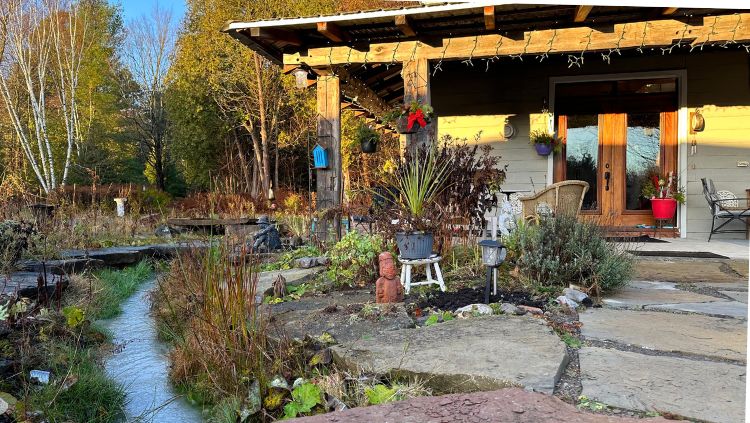
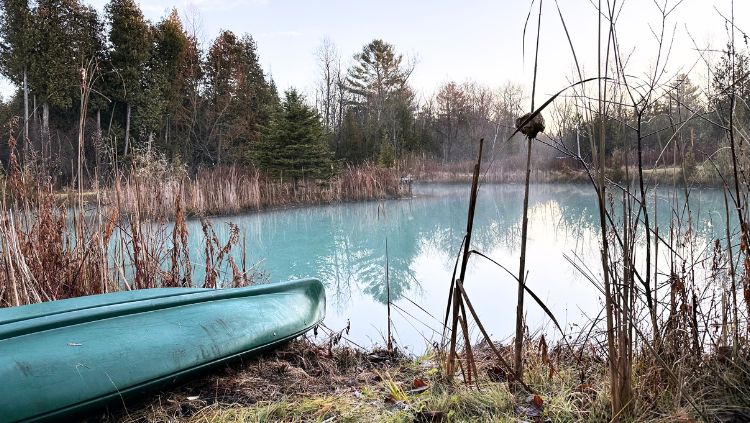
- Friday, 3:00 PM – 6:00 PM: Arrival and Unpacking. Participants explore the grounds, which include wooded trails and waterfront access. This phase is vocal and social.
- Friday, 6:30 PM: The Final Meal. A communal dinner where dietary restrictions are accommodated. This serves as the final opportunity for social bonding.
- Friday, 8:00 PM: The Vow of Silence. A guided meditation session marks the official start of the silent period.
- Saturday, All Day: Structured Silence. The day is divided into segments of meditation, yoga, and group Reiki. Meals are eaten in silence, with participants often looking down or away to maintain the internal focus.
- Sunday, 9:00 AM: The Breaking of Silence. After a final morning meditation, participants are invited to share their experiences verbally. This "integration" phase is critical for processing the insights gained during the quietude.
Sustained Lifestyle Changes: Post-Retreat Data
The value of a silent retreat is often measured by its "afterglow"—the duration and quality of changes maintained after returning to a high-stimulus environment. Janice Waugh reported that her retreat led to a permanent shift in her daily routine. Since the retreat, she has maintained a 40-minute morning ritual consisting of meditation and yoga, a habit she had previously found impossible to sustain.
Similarly, Tracey Antoniow noted that the retreat functioned as a "digital detox." By leaving laptops behind and checking phones only for emergencies, participants broke the cycle of dopamine-driven notification checking. Antoniow reported that the retreat quelled her "ever-present anxiety" and provided a sense of gratitude for being "taken care of," a psychological state that is often elusive for adults with high levels of domestic or professional responsibility.
Broader Impact and Industry Outlook
The success of localized retreats like Rising Spirit indicates a shift in the hospitality industry. Bed and breakfasts and small boutique hotels are increasingly pivoting to offer "niche" wellness packages that include silence, meditation, and holistic healing. This move is a response to a growing demographic of "burnt-out" professionals who are no longer satisfied with traditional luxury.
However, the silent retreat is not without its challenges. Critics point out that for individuals with certain psychological conditions, such as severe clinical depression or PTSD, the lack of distraction can sometimes lead to "rumination" or the resurfacing of trauma. Most reputable retreats now include a screening process or have facilitators trained to provide quiet support if a participant becomes overwhelmed.

As the world becomes increasingly interconnected and noisy, the "luxury of silence" is becoming a highly valued commodity. The data from individual participants and broader market trends suggest that the silent retreat is not a passing fad but a necessary corrective measure for the modern psyche. Whether it is through 36 hours in rural Ontario or a ten-day stint in a Buddhist monastery, the act of intentionally silencing the world appears to be one of the most effective ways to rediscover the self.
The enduring takeaway from those who have undergone the experience is that drive and productivity do not require constant stress. As evidenced by the participants of the Rising Spirit retreat, "drive can happen in calm." This realization, more than the silence itself, is what participants describe as life-changing, providing a blueprint for a more sustainable and mindful approach to both travel and daily life.