The route spanning Croatia’s capital, Zagreb, to its iconic southern city, Dubrovnik, represents one of Europe’s most captivating and diverse travel corridors. While seemingly straightforward on a map, this journey, often underestimated in its depth and complexity, offers a rich tapestry of historical cities, natural wonders, and coastal splendor that demands a more deliberate pace to fully appreciate. Unlike many expedited tours that merely skim the surface, a comprehensive exploration of this 600-kilometer stretch reveals the intricate layers of Croatian culture, history, and geography, transforming a simple transit into a profound travel experience.
Zagreb: The Northern Gateway

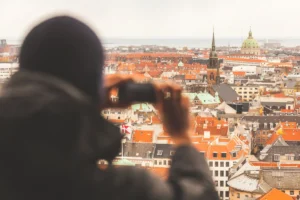
Serving as Croatia’s political, economic, and cultural heart, Zagreb typically marks the commencement of this grand tour. Often perceived as a brief transit point before the allure of the Adriatic coast, Zagreb’s distinct Central European charm warrants a more extended stay. The city, which officially became Croatia’s capital in 1557, blends Austro-Hungarian architectural grandeur with a vibrant, modern urban pulse. Its Upper Town (Gornji Grad) and Lower Town (Donji Grad) offer contrasting yet complementary experiences. The Upper Town, with its cobblestone streets, gas lamps, and historical landmarks like St. Mark’s Church and the Stone Gate, provides a glimpse into medieval Zagreb. In contrast, the Lower Town boasts expansive parks, museums, and boulevards reflecting 19th-century urban planning.
Zagreb’s cultural scene is robust, featuring institutions such as the Mimara Museum, the Museum of Broken Relationships, and numerous art galleries. Its café culture is integral to daily life, providing a relaxed atmosphere for visitors to acclimatize to Croatia’s rhythms. The city experiences fewer crowds and lower temperatures than the coastal regions during peak season, offering a gentle introduction to the country. Culinary offerings in Zagreb are diverse, with establishments often focusing on seasonal, locally sourced ingredients. This allows travelers to immerse themselves in authentic Croatian flavors before venturing south.
Opatija: The Austro-Hungarian Riviera’s Enduring Charm

Moving southwest from Zagreb, the journey often leads to Opatija, a resort town on the Kvarner Gulf that stands in stark contrast to the bustling capital. Opatija’s character is defined by its elegant villas, meticulously manicured gardens, and the iconic Lungomare, a 12-kilometer coastal promenade. Its history as the first health resort on the Adriatic, favored by the Austro-Hungarian aristocracy in the late 19th and early 20th centuries, imbues it with a unique sense of old-world sophistication.
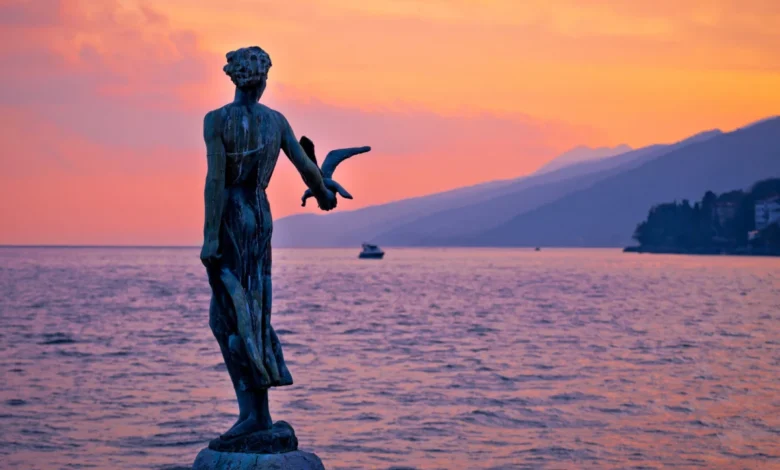
The town’s architecture, characterized by grand hotels and villas in Secessionist and Neo-Baroque styles, speaks to its opulent past. Landmarks such as the Villa Angiolina, home to the Croatian Museum of Tourism, and the "Girl with the Seagull" statue, have become symbols of Opatija’s refined elegance. The pace here is inherently slower, encouraging leisurely strolls, enjoying the sea air, and indulging in fine dining experiences. Opatija continues to attract visitors seeking a tranquil coastal retreat, offering a blend of historical grandeur and modern amenities without the intense crowds found further south. Its position also serves as a gateway to the Istrian peninsula, known for its truffles and vineyards, adding another layer of potential exploration for those with additional time.
Rab: The Island of Four Bell Towers and Sandy Shores

Venturing into the Adriatic, the island of Rab emerges as a distinctive stop, often surprising travelers with its charm. Located in the Kvarner Gulf, Rab is celebrated for its medieval old town, characterized by four prominent bell towers that dominate its skyline, earning it the moniker "the island of four bell towers." The town’s compact design, narrow stone streets, and ancient fortifications reflect a rich history dating back to Roman times when it was known as Arba.
Rab is also notable for its natural landscape, particularly its sandy beaches, which are a rarity along Croatia’s predominantly pebble and rock-strewn coast. This feature makes it exceptionally popular for families and those seeking more accessible swimming areas. Beyond the beaches, the island offers lush pine forests, diverse flora, and a relaxed ambiance that sets it apart from more frenetic island destinations. The island’s manageable size allows for unhurried exploration, whether it’s wandering through the old town’s artisan shops, enjoying local seafood, or simply relaxing by the sea. Evenings on Rab are typically characterized by a gentle warmth, fostering a sense of ease and local immersion.
Zadar: Ancient History Meets Modern Art

Further south along the Dalmatian coast lies Zadar, a city that seamlessly blends millennia of history with innovative contemporary urban art installations. Zadar’s strategic location has made it a significant port and cultural center since Roman times, with its history marked by periods of Roman, Byzantine, Venetian, and Austro-Hungarian rule. The city’s old town, enclosed within Venetian-era walls, is a pedestrian-friendly area rich in archaeological treasures. Visitors can explore the Roman Forum, the pre-Romanesque Church of St. Donatus, and the majestic Cathedral of St. Anastasia.
What distinguishes Zadar, however, are its unique modern attractions: the Sea Organ and the Greeting to the Sun. The Sea Organ, an architectural sound art object, uses the movement of waves to create hauntingly beautiful melodies, offering a sensory experience that changes with the tide. Adjacent to it, the Greeting to the Sun is a large-scale solar-powered light installation that illuminates the waterfront after sunset, creating a mesmerizing display. These installations have transformed Zadar’s waterfront into a vibrant social hub, particularly at dusk, drawing both locals and tourists to witness the "most beautiful sunset in the world," as famously declared by Alfred Hitchcock. Zadar offers a compelling balance of historical depth and modern ingenuity, providing an engaging experience that is less overwhelming than Croatia’s larger coastal cities.
Krka National Park and Šibenik: Nature’s Splendor and Medieval Heritage

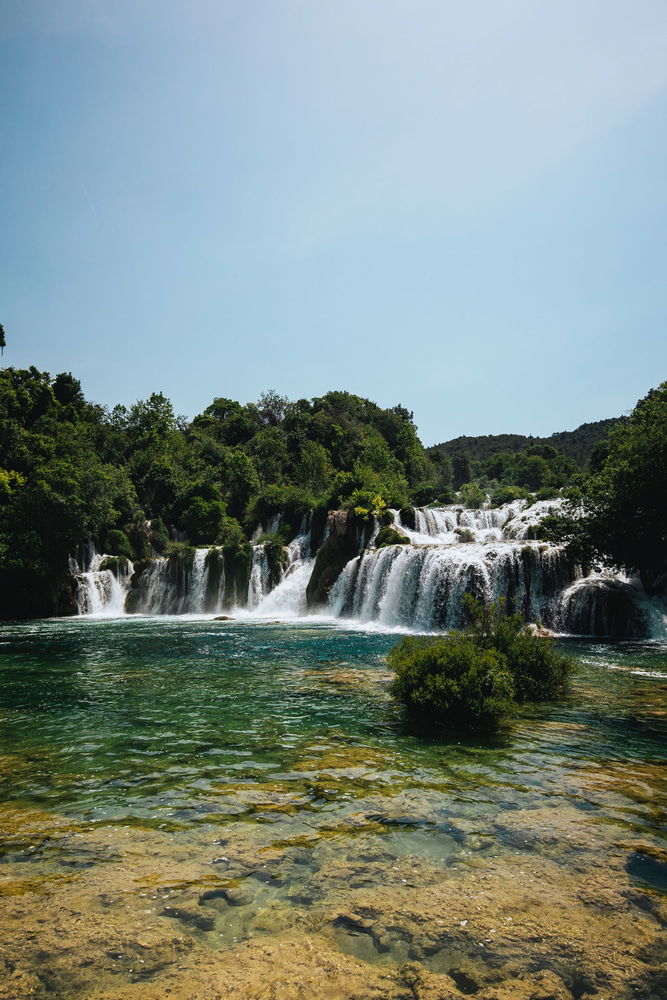
Continuing the southward journey, a detour inland leads to Krka National Park, one of Croatia’s most breathtaking natural reserves. Renowned for its magnificent waterfalls, including the iconic Skradinski Buk, and a series of cascading lakes, Krka offers a pristine natural escape. The park’s well-maintained wooden walkways allow visitors to explore its diverse ecosystems, including rich flora and fauna, and observe the hydrological power of the Krka River. Unlike some other national parks, Krka’s accessibility and manageable trails make it an ideal option for families and those seeking a significant nature experience without an overly strenuous commitment. The park’s commitment to sustainable tourism ensures the preservation of its delicate environment while allowing public enjoyment.
Following a visit to Krka, the nearby city of Šibenik provides a compelling cultural counterpoint. Often overlooked in favor of Split or Dubrovnik, Šibenik boasts a rich history and a more authentic local atmosphere. Its crown jewel is the Cathedral of St. James, a UNESCO World Heritage site celebrated for its unique construction entirely from stone and its innovative use of interlocking stone slabs without any binding material. The city’s labyrinthine medieval streets, four formidable fortresses (St. Michael’s, St. John’s, Barone, and St. Nicholas’), and picturesque waterfront offer ample opportunities for exploration. Šibenik presents a genuine Dalmatian experience, where history and everyday life intertwine, offering a glimpse into Croatia beyond its most famous tourist hubs. The city has also gained a reputation for its evolving culinary scene, featuring high-end restaurants that blend traditional flavors with modern techniques.
Korčula: The Verdant Island Gem

Further down the coast and requiring a ferry crossing, the island of Korčula is often affectionately termed "mini Dubrovnik" due to its fortified medieval town walls and stunning coastal setting. However, Korčula possesses a distinct, calmer character, making it a favorite for those seeking beauty without the intense crowds of its larger counterpart. The old town of Korčula, possibly the birthplace of Marco Polo, is a meticulously preserved example of medieval urban planning, with narrow, fishbone-patterned streets designed to provide both shade and wind protection.
Korčula is not only a historical treasure but also a vibrant cultural hub, famous for its Moreska sword dance, a traditional performance dating back centuries. The island is also renowned for its indigenous white wines, particularly Pošip and Grk, offering excellent opportunities for wine tasting tours. The atmosphere on Korčula is notably more relaxed, especially in the evenings when day-trippers depart, allowing visitors to savor the ambiance of its stone streets and sea views. The island strikes an excellent balance between historical intrigue, natural beauty, and a laid-back island lifestyle, making it an idyllic stop before reaching the bustling southern terminus.
Dubrovnik: The Pearl of the Adriatic
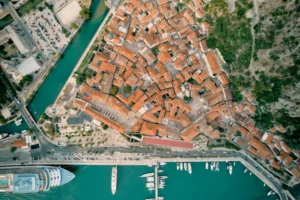
The culmination of this grand tour is Dubrovnik, the "Pearl of the Adriatic," a city whose beauty and historical grandeur are undeniably captivating. A UNESCO World Heritage site, Dubrovnik’s Old Town, encircled by magnificent medieval walls, stands as a testament to its past as the powerful maritime Republic of Ragusa. Walking atop these iconic walls offers unparalleled panoramic views of the city’s terracotta rooftops, the sparkling Adriatic Sea, and the intricate network of marble streets below.
Dubrovnik’s allure, amplified by its role as a filming location for popular cultural phenomena like "Game of Thrones," draws millions of visitors annually. While this popularity has led to challenges related to overtourism, particularly during peak summer months, the city retains its special charm. Early morning explorations before the crowds arrive, or venturing to quieter areas just outside the main thoroughfares, can offer a more intimate experience. The combination of ancient stone architecture, the deep blue sea, and centuries of history creates an atmosphere that is truly unique. Beyond the main Stradun, visitors can explore hidden alleys, visit historical palaces, and enjoy cliffside bars that offer breathtaking sunset views. The city’s robust tourism infrastructure ensures a range of dining and entertainment options, from casual eateries to high-end gastronomic experiences.
Navigating the Route: Logistics and Options

Embarking on the Zagreb-Dubrovnik route involves diverse logistical considerations. Land-based travel, whether by car or bus, necessitates navigating long distances, potentially congested roads, and the complexities of ferry schedules for island stops. While offering flexibility, self-driving can become time-consuming due to travel times between destinations and the potential for summer traffic.
A more streamlined and increasingly popular option for experiencing this coastal journey is through small-ship cruises or catamaran tours. These boutique-style maritime expeditions offer a distinct advantage by allowing travelers to unpack once and wake up in a new destination daily, eliminating the logistical burden of multiple transfers and accommodations. Small ships often dock within walking distance of historical old towns, providing direct access to key attractions. Furthermore, traveling by sea offers unparalleled perspectives of Croatia’s stunning coastline, showcasing its dramatic cliffs, secluded coves, and myriad islands in a way that land travel cannot. This approach transforms the journey itself into a key part of the experience, emphasizing the scenic beauty and maritime heritage of the Adriatic.
Economic and Cultural Significance of the Route

The Zagreb-Dubrovnik corridor is not merely a tourist route; it is a vital artery for Croatia’s economy and a showcase of its cultural identity. Tourism along this path contributes significantly to the national GDP, supporting countless local businesses, from small family-run guesthouses to major hospitality enterprises. The influx of visitors also plays a crucial role in funding the preservation of historical sites, natural parks, and cultural traditions. Croatian tourism authorities continually strive to balance economic growth with sustainable practices, aiming to disperse tourism beyond the most crowded hotspots and extend the season. This route, with its diverse offerings, is central to promoting Croatia as a multi-faceted destination, appealing to a wide range of travelers seeking historical enlightenment, natural adventure, and coastal relaxation.
Ultimately, the journey from Zagreb to Dubrovnik is an immersive exploration of Croatia’s multifaceted identity. When approached with an appreciation for its nuances and a willingness to embrace a more unhurried pace, this route offers a deeply rewarding travel narrative, whether it marks a visitor’s inaugural encounter with Croatia or a cherished return.