Navigating the Land of Fire and Ice with Young Children: A Comprehensive Family Travel and Economic Analysis

Traveling to Iceland with young children has increasingly transitioned from an unconventional backpacking endeavor into a mainstream family holiday, driven largely by low-cost transatlantic carriers and strategic tourism campaigns. A recent case study highlighting a budget-conscious journey undertaken by a parent and their five-year-old child offers valuable insights into the logistical, financial, and meteorological realities of visiting the Nordic island nation with a dependent. Analyzing everything from budget airline economics to local culinary traditions and child-friendly excursion policies, this report examines how families can successfully traverse Iceland while mitigating the destination’s notoriously high cost of living.
Economic Factors and Transportation Logistics
The financial viability of a trip to Iceland frequently hinges on airfare acquisition. In this instance, the traveler secured $99 one-way tickets from Los Angeles International Airport (LAX) via WOW air, a now-defunct Icelandic ultra-low-cost carrier that significantly disrupted the transatlantic aviation market during the mid-2010s by offering bare-bones fares that democratized access to Keflavík International Airport.
For families departing from regional hubs—such as a preliminary domestic flight from Phoenix to Los Angeles—long-haul itineraries require meticulous schedule management. Strategic sleep deprivation prior to departure is a common tactic employed by seasoned travelers to synchronize circadian rhythms with multi-hour night flights, enabling both adult and child passengers to sleep through the majority of a nine-hour transit window.
Upon arrival at Keflavík International Airport at approximately 4:00 AM, families frequently encounter a temporal gap between landing and standard hotel or apartment check-in times, which typically commence at 3:00 PM. To bridge this gap, utilizing direct airport-to-lagoon coach services provides an efficient logistical solution. Public transit and private shuttle networks in Iceland are structured to accommodate early-morning arrivals by integrating luggage storage and locker facilities directly into major tourist hubs, allowing travelers to transition seamlessly from overnight transit into sightseeing without carrying heavy baggage through urban centers.

Accommodation Strategies and Urban Navigation
Securing lodging within walking distance of central Reykjavík offers substantial advantages for families navigating steep municipal expenses and unpredictable weather. Renting a multi-room apartment equipped with a full kitchen, reliable internet access, and laundry facilities serves a dual purpose: it replicates the domestic comforts necessary for managing young children while providing a localized base for food preparation.
Navigating Reykjavík on foot presents minor challenges due to dense urban layouts and localized street-naming conventions, though high English-language proficiency among local residents mitigates language barrier concerns. Proximity to the city center allows families to explore municipal landmarks, local bakeries, and cultural sites without relying on costly rental cars or daily taxi services within the capital district.

Chronological Itinerary and Excursion Analysis
A structured itinerary is essential for maximizing time and financial resources during a short-term Icelandic holiday. Below is the chronological breakdown of the reported family excursion:
Day One: Arrival and Geothermal Relaxation

- 04:00 AM: Arrival at Keflavík International Airport.
- 05:00 AM: Direct coach transfer to the Blue Lagoon geothermal spa.
- Morning: Utilization of on-site luggage storage, early morning soaking in mineral-rich waters, and application of silica mud masks during low-traffic hours.
- Afternoon: Transfer via pre-booked shuttle from the Blue Lagoon to central Reykjavík accommodation following standard check-in protocols.
Day Two: South Coast Exploration
- Morning: Departure for an 11-hour guided bus tour along Iceland’s southern littoral.
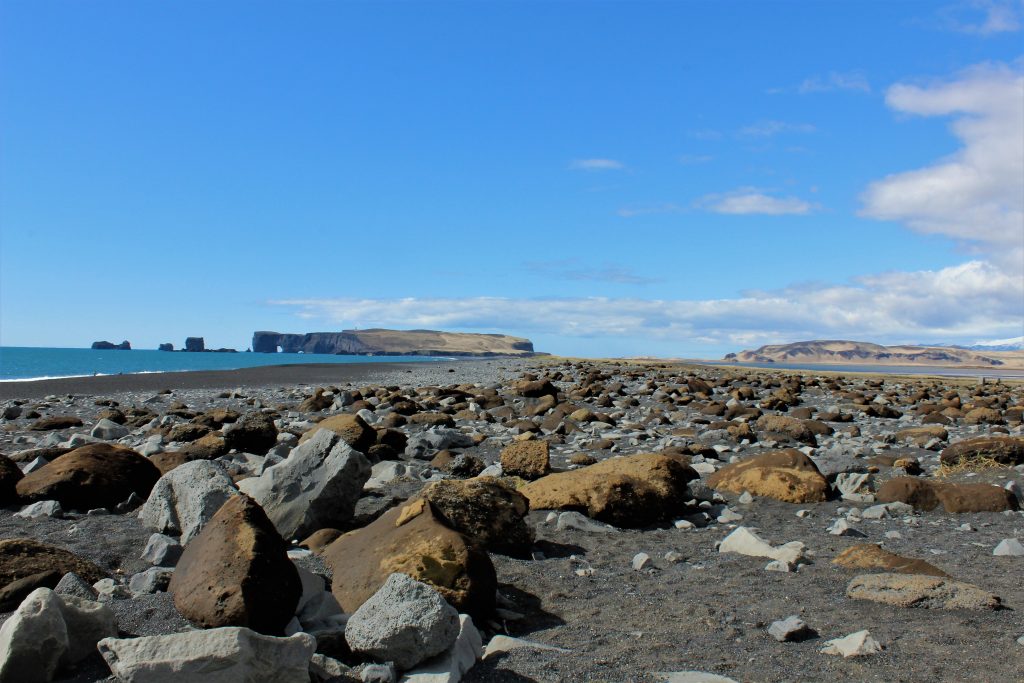
- Midday: Glacier hiking at Sólheimajökull, followed by visits to the dramatic black sand formations of Reynisfjara beach and the coastal village of Vík í Mýrdal.
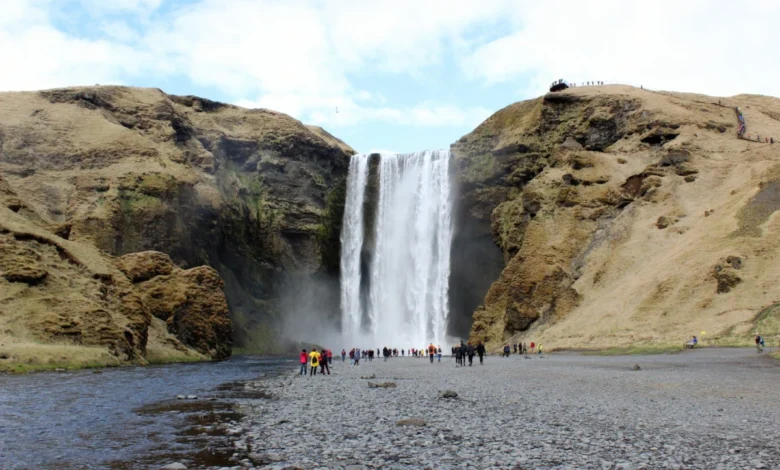
- Afternoon: Sightseeing stops at Skógafoss and Seljalandsfoss waterfalls.
- Evening: Return to Reykjavík for localized dining and retail exploration.
Subsequent Days: Cultural and Culinary Immersion
- Urban exploration of Reykjavík architecture, visits to artisanal chocolate production facilities such as Omnom Chocolate, and extensive sampling of regional culinary staples, including traditional Icelandic hot dogs.
Financial Implications and Cost Mitigation Strategies

Iceland consistently ranks among the most expensive destinations in Europe, driven by high import tariffs, steep labor costs, and strong domestic currency values. Family travelers face inflated expenses particularly in the dining sector, where standard children’s meals routinely range from $10 to $15 USD.
To counteract these financial pressures, seasoned travelers advocate for strategic grocery store procurement. Utilizing local supermarket chains (such as Bónus or Krónan) for breakfast items, snacks, and portable lunches substantially reduces daily operational expenditures. Furthermore, family travel budgets benefit immensely from widespread Icelandic tourism policies wherein children under a specified age (often up to 11 or 14 years old) are granted free admission to major excursions, municipal pools, and cultural attractions, including the Blue Lagoon and commercial South Coast bus tours.
Meteorological Realities and Packing Precautions

One of the most critical variables in Icelandic travel is the volatility of sub-Arctic weather patterns. Meteorological forecasts in the region frequently fail to capture micro-climates and rapid atmospheric shifts. While historical averages or advance forecasts may project temperatures between 45°F and 50°F (7°C to 10°C), actual conditions frequently plummet into the 30s, accompanied by sustained snowfall and wind chills that can make ambient conditions feel drastically colder.
Consequently, comprehensive cold-weather preparation is non-negotiable. Families are advised to pack moisture-wicking base layers, windproof and waterproof outer shells, insulated footwear, and thermal accessories for children, regardless of the calendar month. Walking tours require slip-resistant footwear, particularly when navigating icy pavements in Reykjavík or unpaved glacial approaches along the southern coast.
Culinary Heritage: The Icelandic Hot Dog Phenomenon

No analysis of Icelandic culinary culture is complete without examining the iconic pylsur (Icelandic hot dog). Unlike standard American pork or beef frankfurters, authentic Icelandic hot dogs derive their distinct flavor profile from a blend of lean Icelandic lamb—which imparts a gamey, rich depth—combined with pork and beef, encased in a natural snap-casing.
The distinctiveness of the culinary item is further amplified by its traditional condiment architecture. Standard preparation involves placing raw chopped onions and crunchy deep-fried onions at the base of a steamed bun, inserting the frankfurter, and topping the ensemble with tomato ketchup, a sweet brown mustard known as pylsusinnep, and a creamy remoulade crafted from mayonnaise, capers, mustard, and fresh herbs. This unique flavor combination has cemented the hot dog as an affordable, culturally authentic staple for budget-conscious travelers navigating high restaurant pricing throughout the country.
Broader Industry Impact and Family Tourism Trends

The accessibility of Iceland as a family-friendly destination reflects a broader evolution in international tourism. As low-cost carriers expanded routes connecting North America with mainland Europe via Keflavík stopovers, Iceland transformed from a niche adventure destination into a primary family holiday market.
Tour operators and municipal authorities have increasingly catered to this demographic by implementing family-centric incentives, such as complimentary tour tickets for minors and accessible infrastructure at major geological sites. However, as tourism volume places ongoing pressure on local infrastructure and natural environments, sustainable travel practices—such as adhering to designated paths, supporting local enterprises through grocery and artisanal purchases, and utilizing collective transport models—remain imperative for visitors seeking to balance economic efficiency with responsible tourism stewardship.