Taiwan has long captured the imagination of international travelers seeking a dense concentration of cultural landmarks, natural wonders, and culinary excellence within a compact geographic footprint. Yet, a growing demographic of expatriates is discovering that a transient one-or-two-week itinerary barely scratches the surface of the island’s societal fabric. By transitioning from short-term tourism to long-term residency—frequently facilitated by teaching English—foreign nationals are uncovering a deeply nuanced lifestyle that successfully bridges ancient traditions with hyper-modern efficiency. This shift from observing a culture to actively participating in its daily rhythms has transformed Taiwan into one of East Asia’s most compelling hubs for expatriate living.
The Mechanics of Long-Term Residency: Teaching English as a Gateway
For decades, teaching English has served as the primary professional bridge for native speakers wishing to establish residency in Taiwan. This trend has accelerated significantly following government policy shifts. In 2020, the National Development Council of Taiwan announced an ambitious initiative aimed at transforming the nation into a bilingual economy by 2030. This policy has injected substantial momentum into English language education, amplifying the demand for qualified educators across the public, private, and after-school sectors.

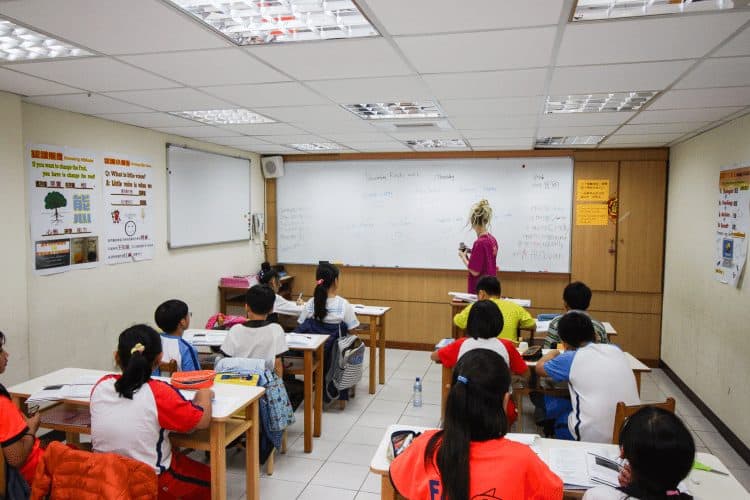
Prospective educators typically navigate several distinct institutional pathways. The most common entry point remains the "buxiban," or private after-school language cram school. These establishments offer flexible hiring schedules and serve as an accessible landing pad for newcomers. Conversely, public schools often provide comprehensive compensation packages—frequently including housing stipends, flight reimbursements, and contract completion bonuses—though they demand larger class sizes and administrative duties beyond the chalkboard. Meanwhile, international and private academic institutions cater to licensed educators with prior classroom experience, offering smaller student-to-teacher ratios and more rigorous curricula. At the tertiary level, universities recruit advanced degree holders, though these posts remain highly competitive.
Infrastructure, Economy, and Standard of Living
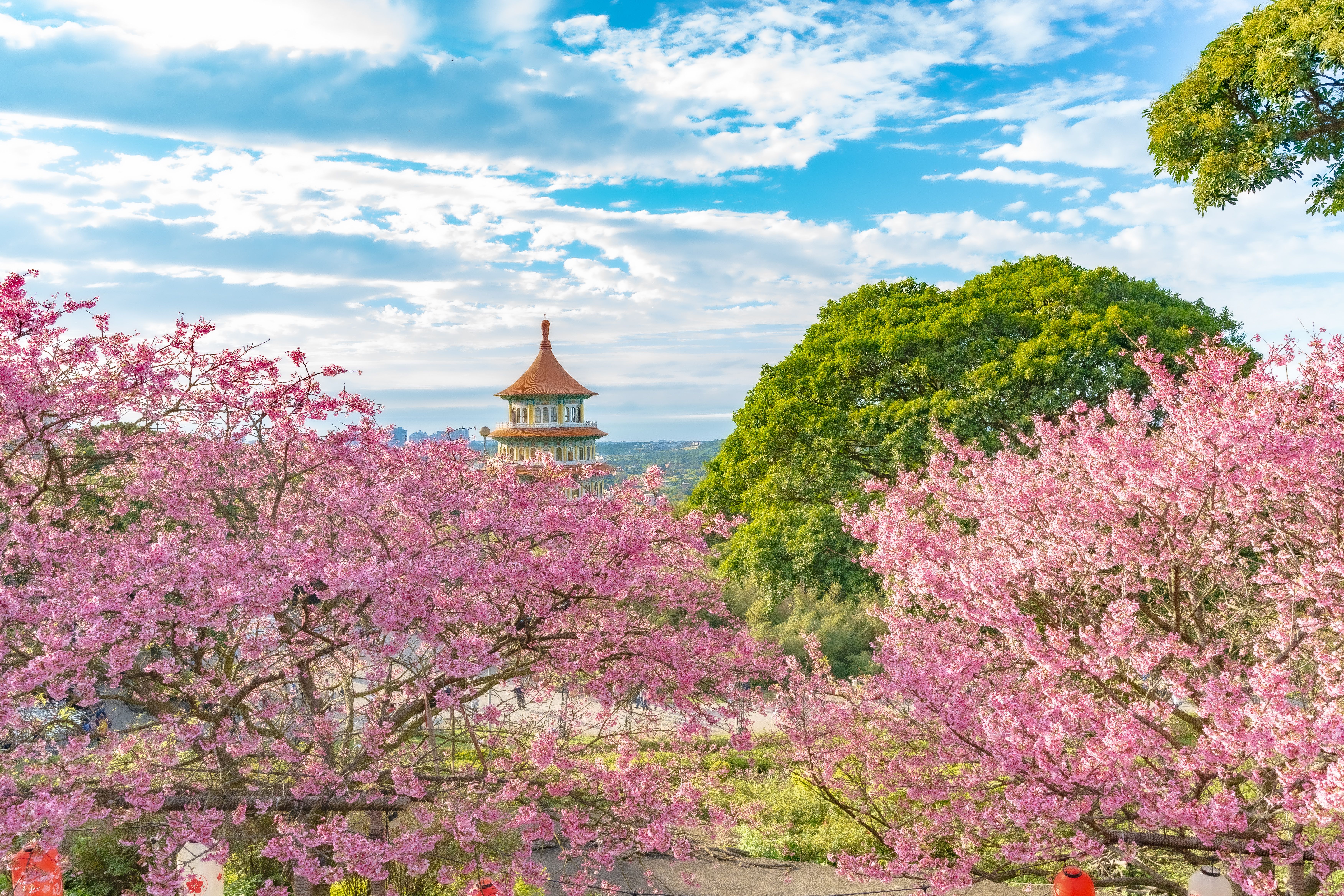
Beyond professional opportunities, Taiwan’s infrastructure is a primary driver for long-term expatriate retention. The island boasts a robust economy characterized by a high standard of living, reliable public utilities, and ubiquitous, high-speed internet connectivity. According to various global expatriate surveys, Taiwan consistently ranks near the top globally for healthcare quality and affordability, operating a National Health Insurance system that provides comprehensive coverage to resident cardholders.
Public transportation networks further ease the transition to living abroad. The capital city of Taipei features an immaculate, highly efficient Mass Rapid Transit (MRT) system, complemented by an island-wide Taiwan High-Speed Rail network that connects major metropolitan areas in a matter of hours. Financially, the cost of living remains notably more approachable than comparable metropolitan centers in North America and Western Europe, enabling residents to maintain a comfortable lifestyle without severe financial strain.
Culinary Landscapes and Community Integration
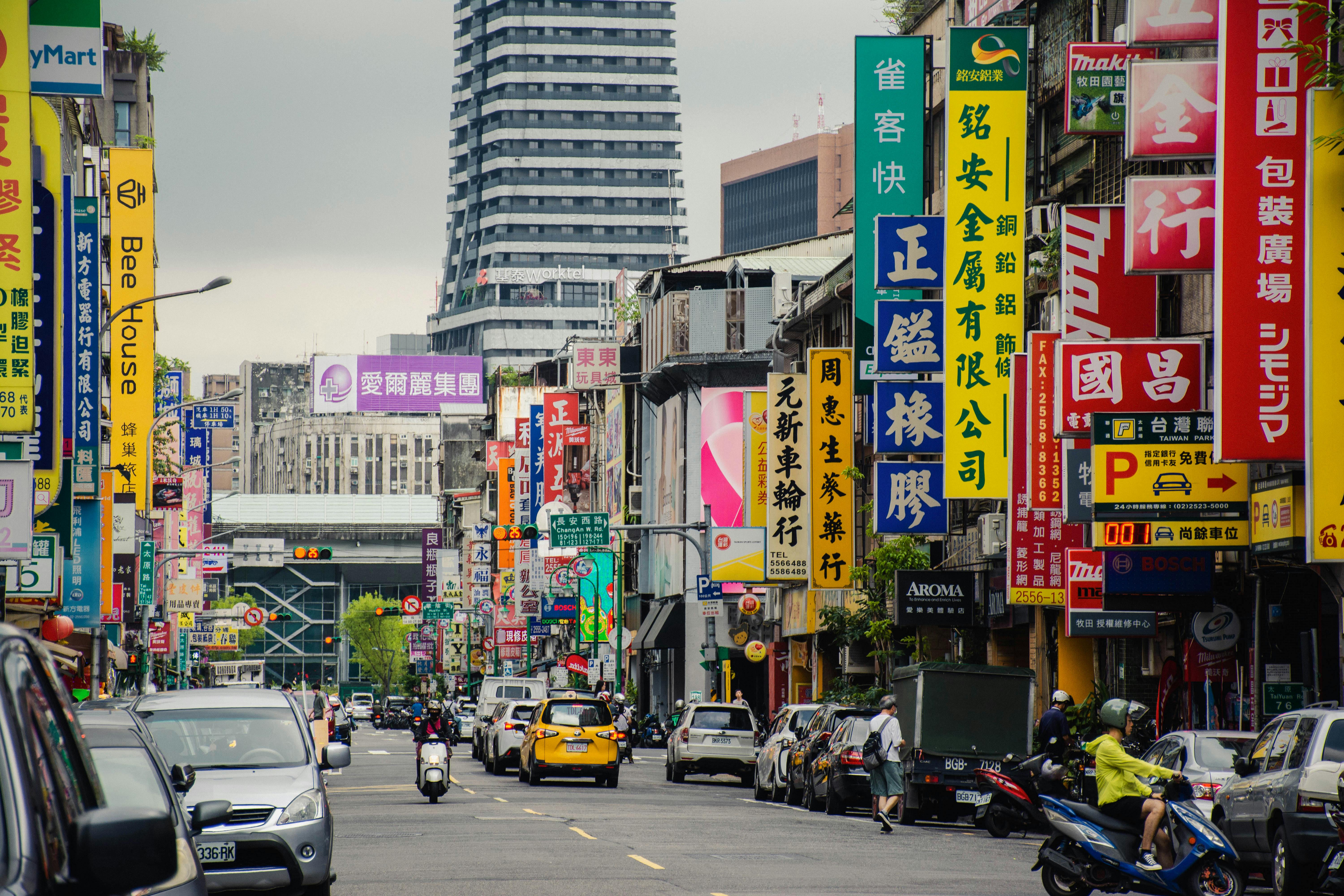
Daily life in Taiwan is inextricably linked to its food culture, which serves as a microcosm of the island’s diverse historical influences. Rather than gravitating solely toward high-end dining or tourist-centric attractions, long-term residents quickly integrate neighborhood night markets into their weekly routines. These bustling communal hubs function as evening social centers where locals gather to dine, converse, and unwind.
According to community integration specialists, building a sustainable life in Taiwan hinges on striking a balance between expatriate support networks—often comprising nationals from the United Kingdom, the United States, Canada, and Australia—and active engagement with local residents. Language exchanges, neighborhood associations, and workplace relationships frequently blossom into enduring friendships, offering foreign workers a profound sense of local belonging that tourists rarely experience.
Geographic Diversity and Regional Exploration

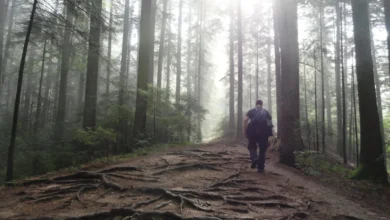
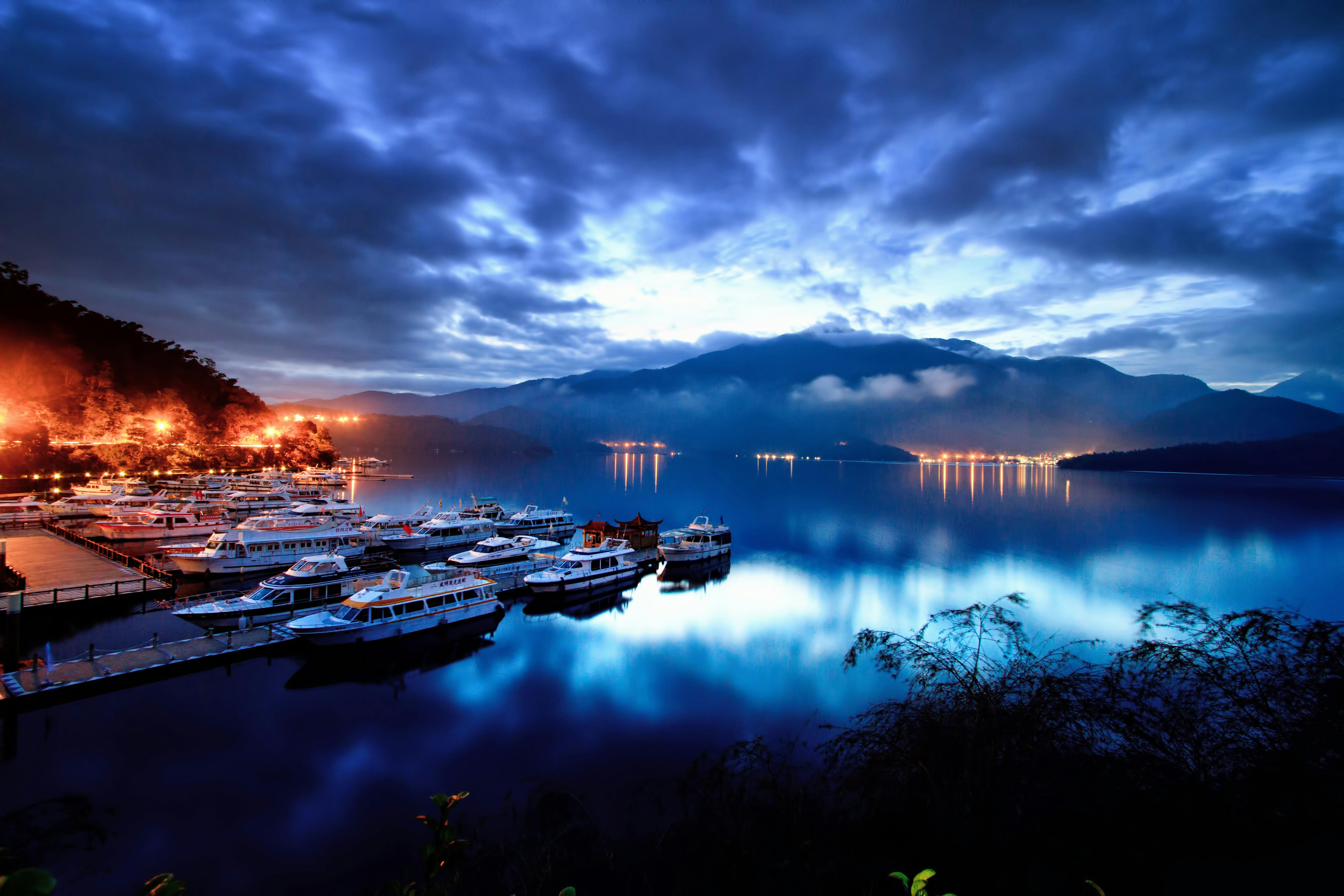
A prolonged stay in Taiwan affords residents the luxury of slow travel, opening up a diverse topography that ranges from sub-tropical coastlines to alpine peaks. Weekends routinely inspire excursions to iconic geographic landmarks such as Sun Moon Lake, renowned for its cycling infrastructure and indigenous culture, or the historic Alishan Forest Railway, which transports travelers through misty mountain landscapes and centuries-old cypress forests.
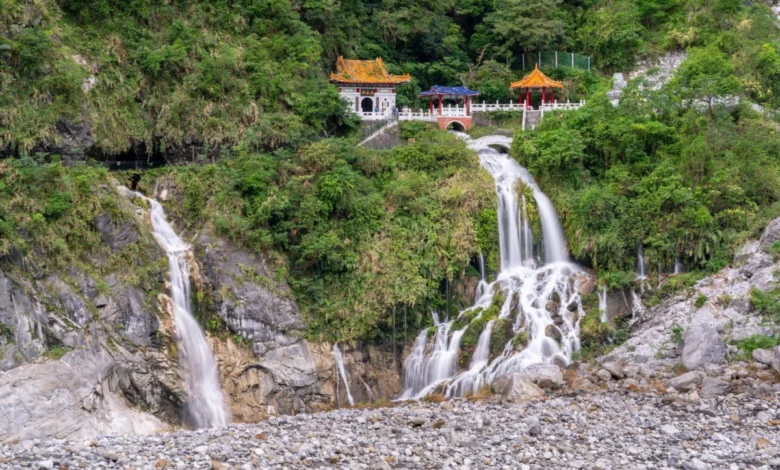
Other regions, however, require careful logistical planning. Taroko Gorge, historically celebrated for its dramatic marble canyons and winding river valleys, has undergone extensive structural assessment and phased restoration following the magnitude 7.4 earthquake that struck Hualien County in April 2024. Government agencies and local tourism boards continue to monitor trail safety and infrastructure repairs, reminding long-term residents of the island’s tectonic realities.
Implications of the Expatriate Influx
The steady influx of foreign educators and skilled professionals has broader implications for Taiwan’s socio-cultural landscape. By infusing classrooms with native English speakers and fostering multicultural workplaces, Taiwan is gradually positioning itself as a more globally integrated society ahead of its 2030 bilingual target. For the individual traveler, extending a stay beyond the traditional tourist track offers a rare opportunity: the transformation of a temporary destination into a deeply rooted, culturally enriched second home.