The question of female safety in North Africa remains a subject of considerable debate among international travelers, travel advisory boards, and tourism authorities. In October 2026, travel writer and group leader undertook a comprehensive two-week expedition through Morocco—spending two days traveling independently in Marrakech followed by a ten-day guided itinerary across the Atlas Mountains, the Sahara Desert, and the historic medina of Fes. Her firsthand observations provide a nuanced examination of safety conditions for women navigating the country, contrasting official government advisories with on-the-ground realities.
Official Safety Assessments Versus Empirical Data
As of late 2026, the United States Department of State maintains a Level 2 travel advisory for Morocco, officially urging citizens to "exercise increased caution." This designation, issued in September 2026, is primarily attributed by Washington to potential terrorism risks. However, this advisory diverges notably from the 2026 Global Terrorism Index published by the Institute for Economics and Peace, which classifies Morocco in its lowest-risk category with a score of zero, indicating no recorded terrorist incidents during the assessment period.
Despite the discrepancy regarding security threats, the State Department’s country information portal explicitly highlights the prevalence of street harassment directed at women, pickpocketing, and panhandling. Solo female travelers are frequently advised to traverse urban and rural areas exclusively within groups or accompanied by trusted companions. While institutional guidelines emphasize caution, travelers frequently report that localized scams, transportation hazards, and aggressive vendor solicitation present more tangible challenges than violent crime.
Urban Navigation and Nighttime Mobility
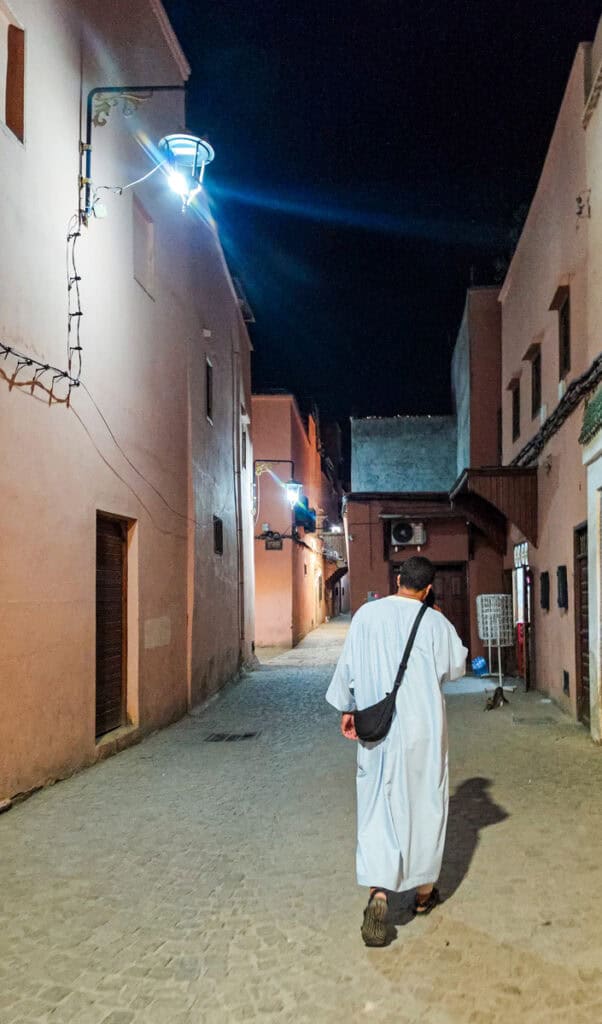
Navigating major urban centers such as Marrakech and Fes presents distinct challenges for female visitors, particularly after dark. In Marrakech, commercial hubs like the bustling Jemaa el-Fnaa square transition into quieter alleyways once local souks close around 9:00 PM. Independent navigation through residential quarters requires vigilance, as unexpected road closures frequently force pedestrians to detour through dimly lit corridors.
Local accommodations—known as riads—frequently serve as vital information hubs. Travelers are routinely advised to consult front-desk staff or licensed local guides regarding optimal pedestrian routes. While minor anxiety is common when navigating unfamiliar, high-walled alleyways, empirical accounts from travelers suggest that violent crime remains exceptionally rare. Furthermore, the limited presence of intoxicated individuals in public spaces compared to Western nightlife districts often contributes to a heightened sense of public order.
The Complexities of Fes and Unofficial Guide Networks
While Marrakech offers relatively wide commercial corridors, the ancient medina of Fes is characterized by a dense labyrinth of narrow, high-walled passages that frequently lack commercial activity or reliable cellular mapping signals. This environment increases the likelihood of disorientation, which is frequently exploited by unauthorized individuals operating as unofficial guides.
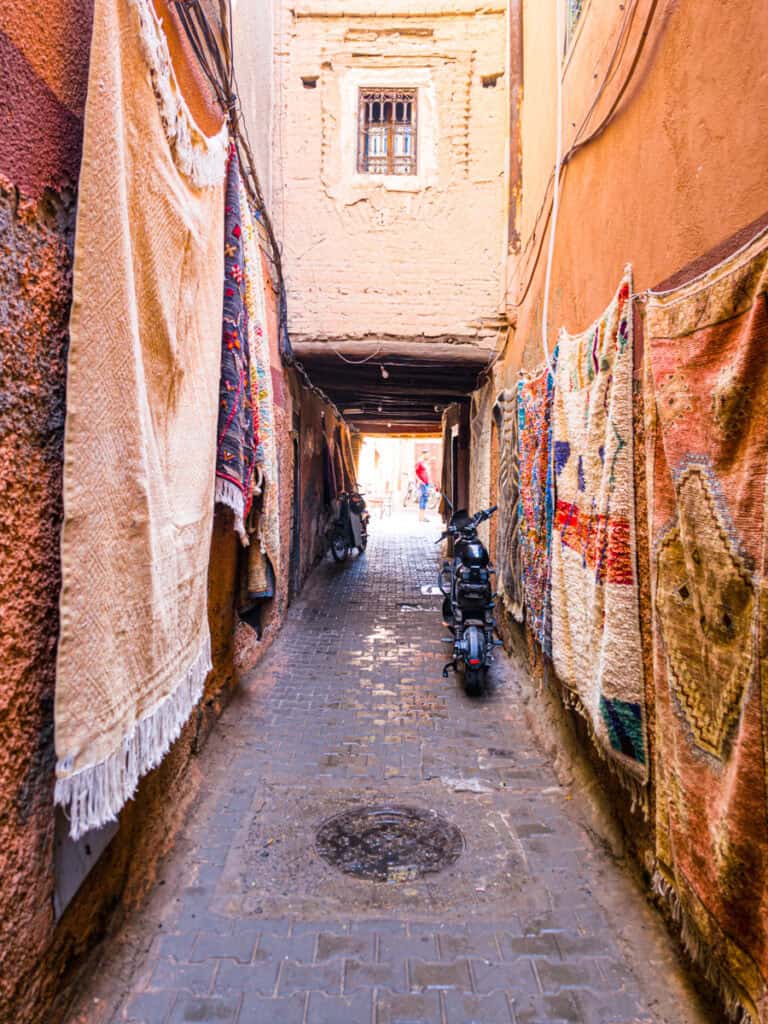
A frequently reported phenomenon across Moroccan tourist hubs involves unauthorized locals intercepting disoriented tourists, falsely claiming their chosen route is closed, and demanding monetary compensation for escorting them to safety. Travel groups frequently encounter these solicitation tactics. Security experts and experienced tour operators recommend a polite, firm refusal paired with independent digital mapping tools to mitigate these risks.
Transportation Safety and Infrastructure
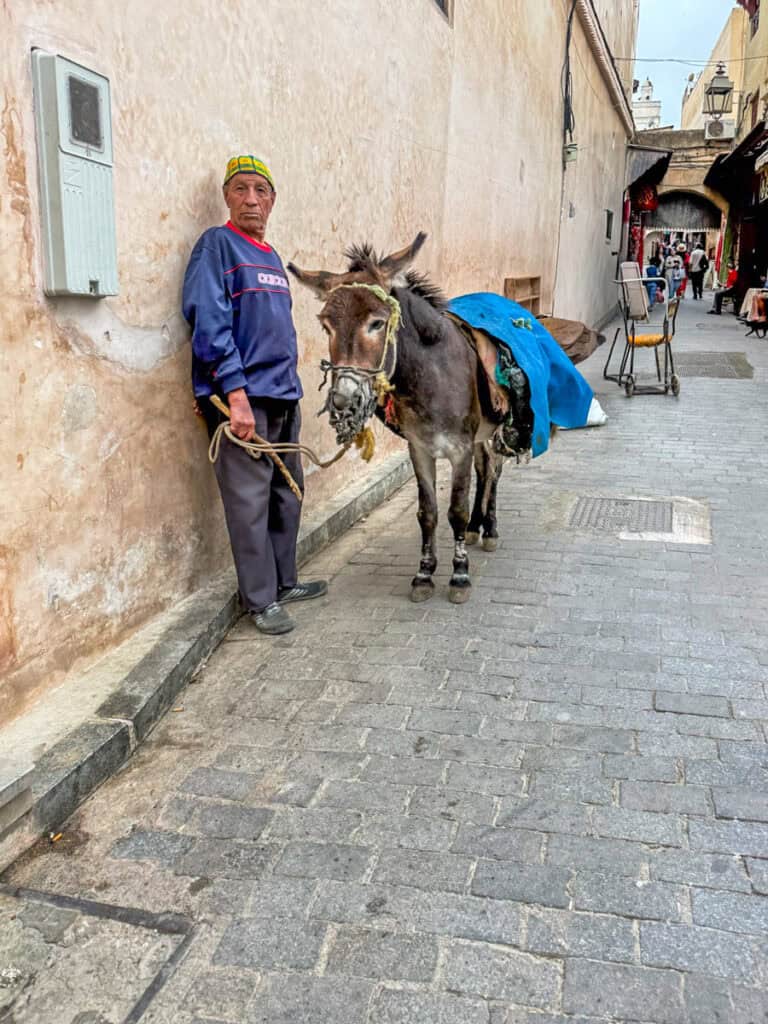
Ground transportation infrastructure across Morocco varies significantly between urban and rural sectors. Major highways are heavily regulated, featuring frequent police checkpoints designed to enforce seatbelt compliance and monitor commercial vehicle speeds. Tour operators frequently utilize tracked passenger vans equipped with mandatory rest intervals for drivers to enhance safety across mountainous terrain.
Conversely, independent driving—particularly after nightfall—is strongly discouraged by foreign ministries due to localized traffic hazards, variable road maintenance, and serious vehicular accidents. Within cities, official "petit taxis" serve as the primary mode of public transit. Regulatory guidelines mandate the agreement of fares prior to departure or the utilization of authorized ride-share applications such as Heetch to prevent financial disputes.
Financial Logistics and Commercial Transactions
Practical travel logistics in Morocco increasingly require a strategic blend of digital and cash reserves. While major hotels and upscale establishments accept international credit cards, technological infrastructure in traditional markets remains prone to disruption. Widespread card-machine malfunctions and connectivity failures can complicate dining and retail transactions, occasionally leaving patrons unable to settle bills electronically.
Travel experts strongly advise maintaining a sufficient reserve of Moroccan dirhams to cover essential expenses, including meals and emergency transit. Furthermore, visitors venturing into remote regions, such as desert encampments, must carry physical currency, as automated teller machines are entirely absent in these areas.
Cultural Context and Social Etiquette
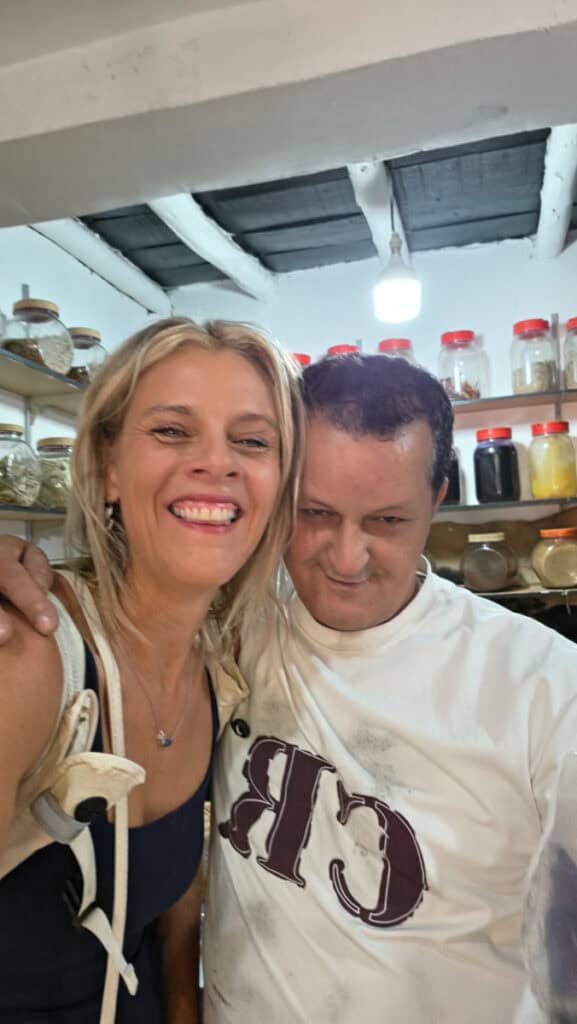
Understanding local cultural norms is paramount for female travelers in Morocco. The public sphere, spanning commercial stalls, transportation networks, and hospitality services, is predominantly staffed by men. This demographic reality reflects traditional socio-cultural structures rather than an inherent security threat. While occasional overt flirtation or persistent vendor engagement occurs, distinguishing between good-natured cultural banter and genuine harassment is a critical skill for visitors.
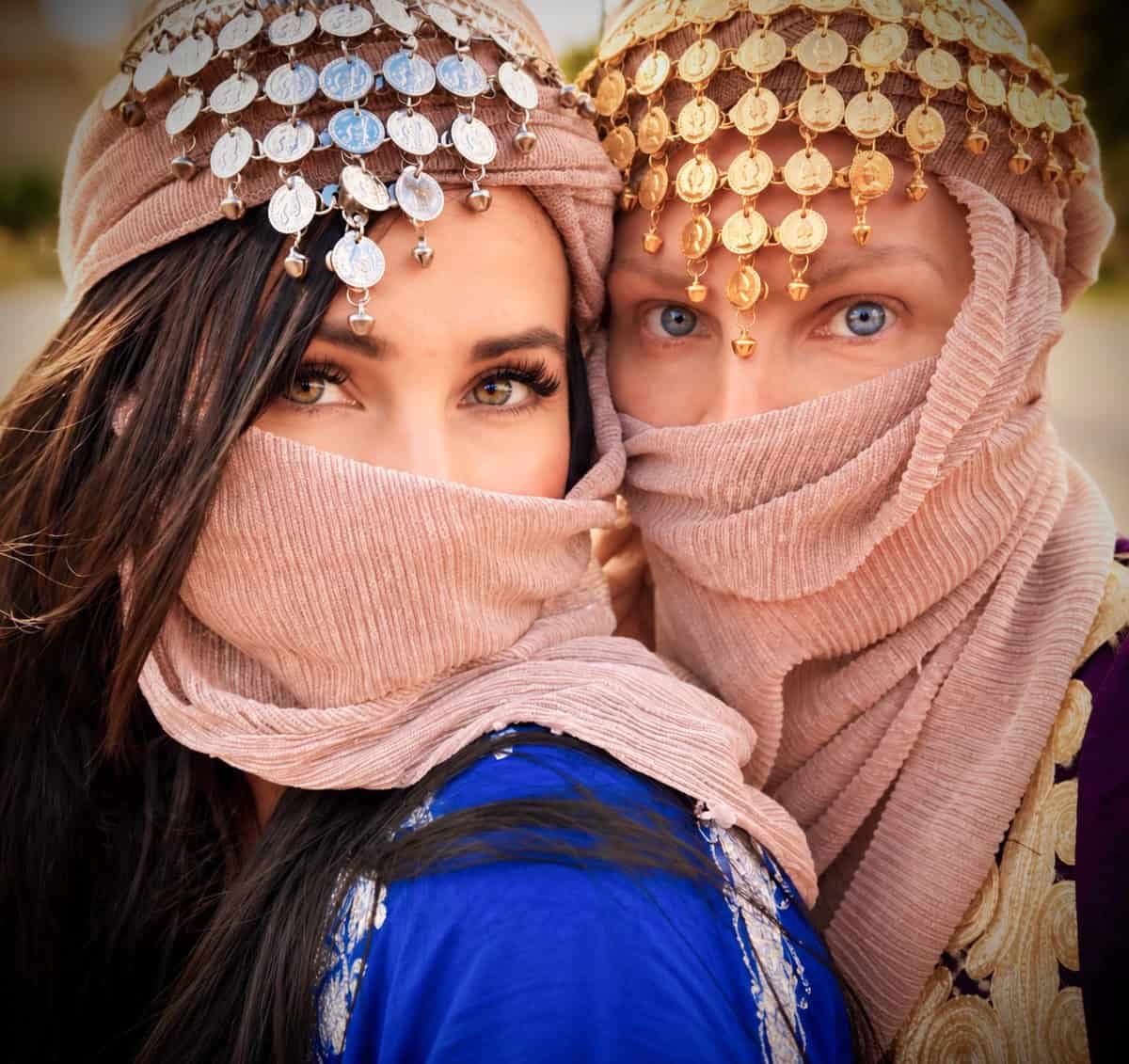
Dress codes for non-Muslim visitors are relatively flexible, particularly given that non-Muslims are prohibited from entering most active mosques. While modest attire—such as covering shoulders and knees—is widely recommended to blend into local cultural expectations, standard Western casual wear is generally accepted in major tourist corridors. Carrying a lightweight scarf is frequently recommended to manage environmental factors such as intense solar radiation and windblown desert sand.
Comparative Analysis: Solo Travel Versus Group Tours
The experience of female travelers in Morocco is heavily dictated by their mode of transit. Solo exploration demands heightened situational awareness, rigorous route planning, and the ability to navigate minor psychological stressors, such as aggressive street vendors or temporary disorientation.
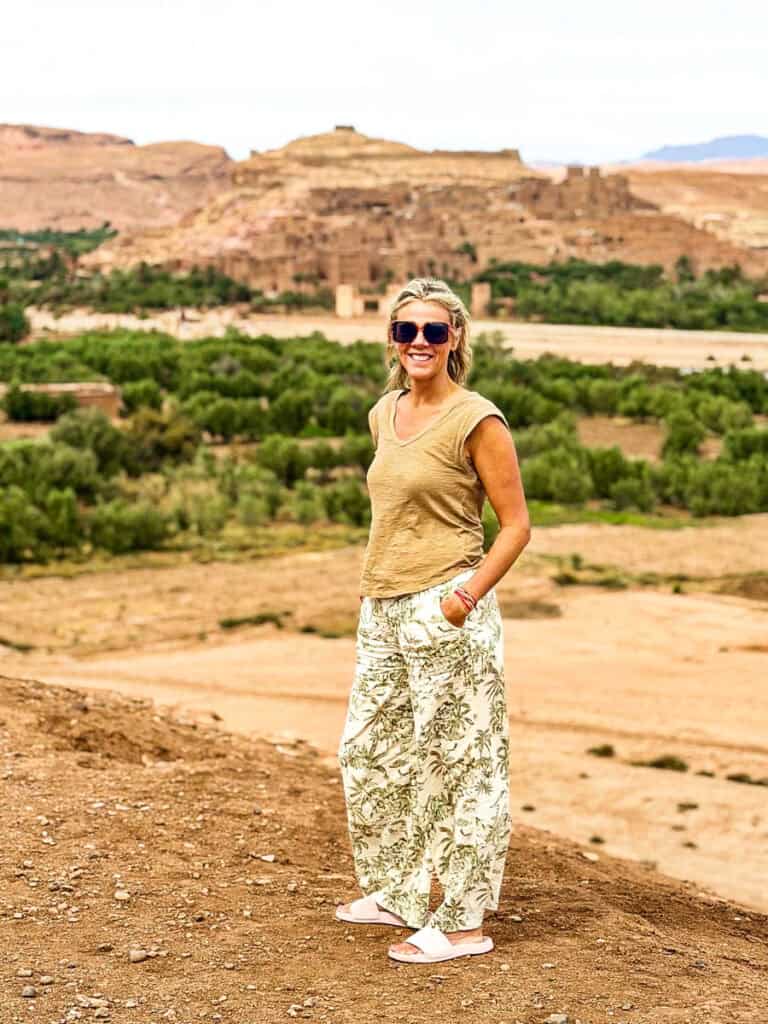
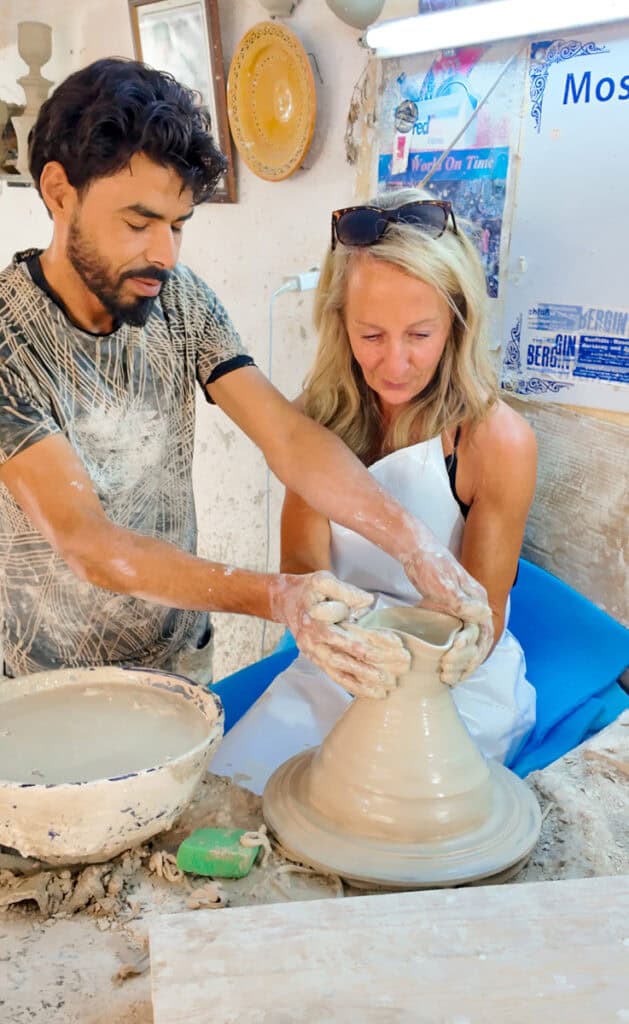
Conversely, participating in structured group expeditions—particularly those led by experienced local operators—effectively removes logistical burdens. Professional guides provide seamless navigation through complex urban centers, facilitate equitable commercial transactions at artisan cooperatives, and manage unexpected administrative or financial hurdles. Ultimately, whether traveling independently or within a guided collective, Morocco presents a vibrant, culturally rich environment that can be navigated safely through informed preparation and cultural awareness.
Related posts: