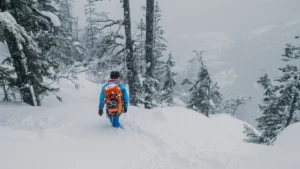
The transition from autumn to winter represents one of the most volatile periods for mountain environments globally, as a string of recent fatal accidents and rescue operations across North America, Europe, and Asia underscores the lethal deception of the shoulder season. While the calendar may suggest late autumn, the conditions in high-altitude terrain are rapidly shifting toward full-blown winter. This period, characterized by fluctuating temperatures, intermittent snowfall, and the formation of unstable "wild ice," has created a trap for even the most experienced outdoor enthusiasts who are often lulled into a false sense of security by lingering mild weather at lower elevations.
A Global Pattern of Escalating Risk
Search and Rescue (SAR) agencies across multiple continents have reported a significant spike in incidents over the final weeks of November. The danger lies in the unpredictability of the terrain; trails that were clear and manageable only days prior can transform into hazardous, ice-sheathed slopes overnight. This "shoulder season" syndrome—where hikers and climbers attempt high-altitude objectives with summer-level gear and complacency—has resulted in a wave of fatalities that officials are describing as an early-winter warning to the public.

In California’s San Gabriel Mountains, the inherent risks of this transition were tragically illustrated this week. On Mount Baden-Powell, 44-year-old Guillermo Batres, an experienced hiker, lost his life attempting to rescue his 14-year-old son, Sebastian. The pair encountered an icy section of the trail, a common hazard in the early season as moisture refreezes during the night. When the teenager slipped and managed to secure himself to a tree, his father’s attempt to assist led to a fatal 150-meter fall into a ravine. Despite the swift intervention of a sheriff’s helicopter and a paramedic deployment, the outcome was fatal. This incident occurred alongside a separate, equally harrowing tragedy in the nearby Angeles National Forest, where 14-year-old Nathan Sakaue lost his life after a similar fall into an icy ravine, leaving authorities to manage a frantic week that saw six major SAR incidents in just seven days.
The Geography of the Transition
The phenomenon is not localized to the American West. In the Colorado Rockies, a 31-year-old hiker succumbed to a fatal fall after summiting the 4,288-meter Humboldt Peak. The recovery mission, hampered by high-altitude winter conditions, required a multi-day effort by the Colorado Army National Guard. Such operations highlight the logistical strain placed on rescue services during this time of year, as terrain that is too icy for standard hiking but too unstable for full winter climbing equipment creates a "no-man’s land" for rescue teams.
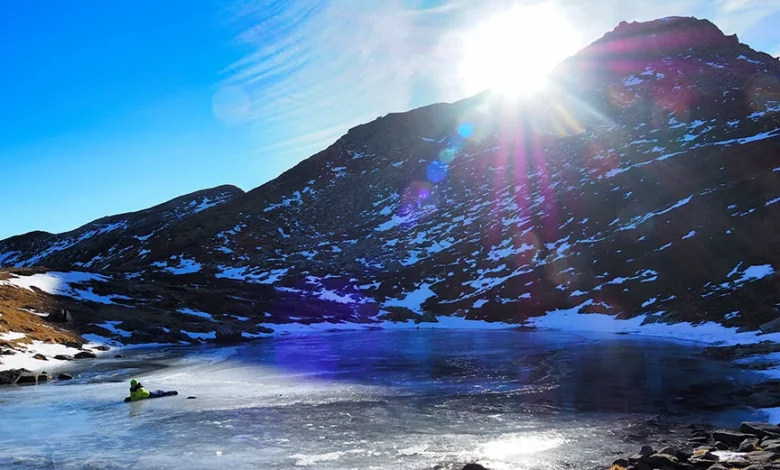
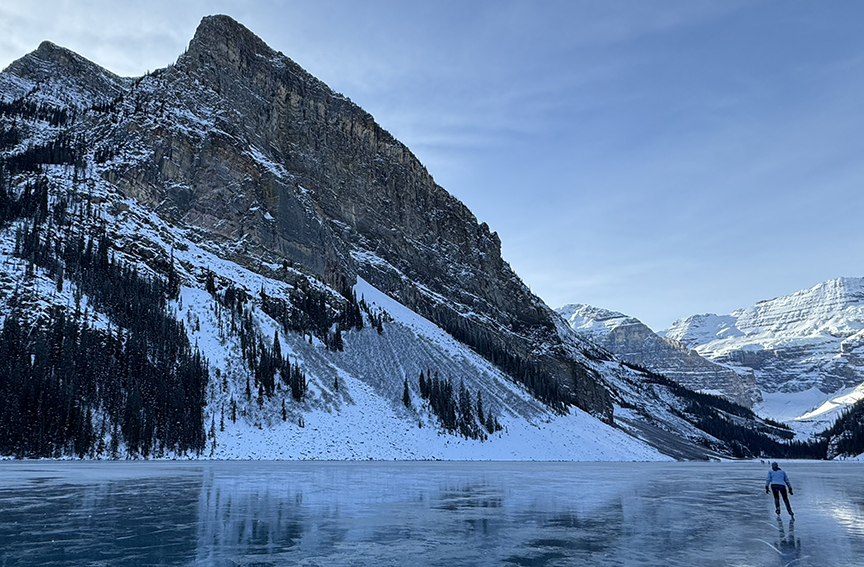
Further north, in Canada’s Banff National Park, the allure of "wild ice"—natural, unmaintained frozen surfaces—has claimed lives. Lake Louise, a destination renowned for its scenic beauty, saw a series of incidents this month. As temperatures fluctuate, the ice thickness remains inconsistent. While two skaters successfully self-rescued after breaking through thin ice, a third individual did not survive, succumbing to hypothermia. These events highlight a critical lack of situational awareness: ice that appears solid in the early morning can quickly weaken as the sun hits the surface or as ambient temperatures rise above the freezing point, creating a deceptive layer of stability.

European and Asian Rescue Operations
The trend of early-season accidents extends into the European Alps and the Pyrenees. In France, the Chamonix mountain gendarmes spent 24 hours searching for a 22-year-old solo hiker before discovering his body. The incident coincided with an elevated avalanche risk, with authorities marking the danger level at 4 out of 5 for altitudes above 2,200 meters.
Beyond the fatality, France saw a surge in distress calls. On Mont Valier in the Pyrenees, three trail runners were airlifted after being caught in unexpected, heavy snow without adequate equipment. Similarly, in the French Alps, four hikers were rescued from deteriorating conditions that rendered their descent impassable. In Italy, a 56-year-old man sustained serious injuries after a slip on snow in the Apennine Mountains, requiring a complex, night-time helicopter extraction by the Italian Air Force. Meanwhile, in Japan’s Omine Mountains, rescue teams were mobilized to retrieve a mountaineer in his 40s who became disoriented and stranded in worsening snowy conditions.
Analytical Perspective: Why November is Critical
The high frequency of these accidents can be attributed to the "gradient effect." At lower elevations, the weather may remain pleasant, leading visitors to believe the conditions at the summit will be similar. However, mountain ranges operate on a distinct climatic schedule. A 10-degree Celsius drop at the base of a mountain can translate to sub-zero temperatures, high winds, and icing at the summit.

Meteorological data indicates that late November often marks the arrival of the first significant cold fronts, which bring moisture that freezes into "verglas"—a thin, nearly invisible layer of ice that coats rock surfaces. Unlike deep winter snow, which can be managed with crampons and snowshoes, verglas provides almost zero traction for standard footwear.
Official Guidance and Safety Implications
Search and Rescue organizations and mountain governing bodies are urging a recalibration of safety standards for late-season outings. The consensus among professionals is that during the transition period, "summer" rules no longer apply, but "winter" infrastructure—such as avalanche forecasts and established snow-pack trails—has not yet solidified.
Key recommendations from regional authorities include:
- Dynamic Gear Assessments: Hikers must carry traction devices (microspikes or crampons) and ice axes, and possess the knowledge to use them, regardless of the weather at the trailhead.
- Avalanche Vigilance: Even early-season snow can be dangerous. Avalanches occur when new, heavy snow falls on older, unstable layers or smooth rock faces. Checking local avalanche bulletins is essential even if the ground at the start of the hike is clear.
- The 24-Hour Rule: Mountain weather can shift in hours. If a forecast indicates a potential for a drop in temperature or increased precipitation, the plan should be canceled or significantly altered to lower-elevation, low-risk routes.
- Communication and Contingency: In the age of social media, the pressure to "reach the summit" for a photograph or to complete an objective often clouds judgment. SAR teams suggest that the ability to turn back before reaching a peak is the most important skill an outdoor enthusiast can possess.
The Broader Impact on Mountain Management
The current spike in accidents places an immense burden on rescue infrastructure. Many of these rescues, particularly those involving helicopters and night operations, are costly and put rescuers at extreme risk. In regions like the Pyrenees and the Alps, the frequent need for air support during the transition season is forcing local governments to consider stricter regulations regarding mandatory equipment and permit systems for high-altitude zones.
As climate patterns continue to fluctuate, the "shoulder season" is becoming less predictable. The traditional windows for safe hiking are narrowing, and the period of volatility is expanding. For the mountaineering community, the lesson of this November is clear: the transition from autumn to winter is not a slow shift but a series of sharp, dangerous spikes in risk. Respecting the mountain means acknowledging that when the seasons are in flux, the environment is at its most unpredictable, and the margin for human error is virtually non-existent. The tragedies of the past month serve as a somber reminder that the mountains remain indifferent to human ambition, and survival depends entirely on the willingness to adapt to reality rather than expectation.
Related posts: