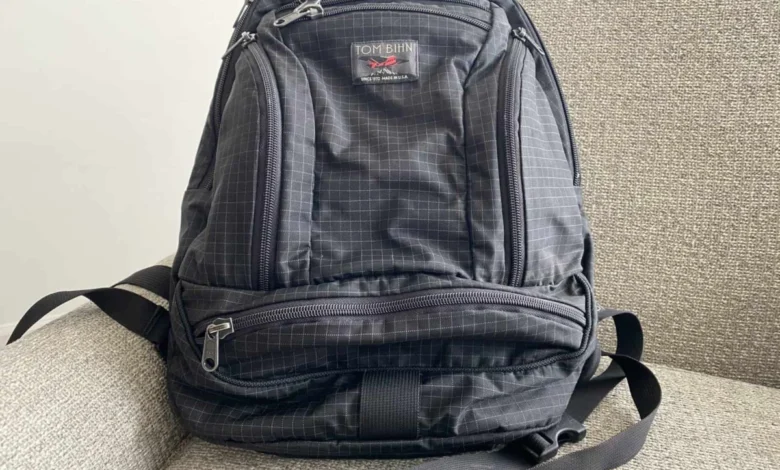
In a rare instance of property recovery, a resident of Park Slope, Brooklyn, was reunited with a stolen backpack more than three years after it was taken during a residential burglary. The bag, a Tom Bihn Synapse daypack, was discovered by a chimney sweep lodged within a rooftop vent of a nearby residence. The recovery serves as a peculiar postscript to a 2017 incident that fundamentally altered the life of the owner, Jodi Ettenberg, a travel writer and former attorney.
The 2017 Incident: A Convergence of Events
On an August evening in 2017, while Ettenberg was undergoing a critical medical procedure—a lumbar puncture—in a local emergency room, the apartment where she was house-sitting was targeted by a burglar. Forensic analysis of the apartment’s security footage confirmed that the break-in occurred precisely while Ettenberg was incapacitated by the medical procedure that would eventually lead to a permanent disability.
The perpetrator cleared the residence of numerous valuables, including electronics, jewelry, and cash. Ettenberg’s backpack was utilized by the thief as a receptacle for these items before being discarded. Curiously, the intruder left behind sensitive personal items, such as a Canadian passport and a small amount of local currency, indicating a focus on high-value, portable goods rather than a targeted personal vendetta.
The Discovery: A Three-Year Lapse
The recovery occurred in December, when a homeowner living a few doors down from the original crime scene commissioned a professional chimney cleaning. The technician discovered the backpack, which had been concealed within the side of a rooftop chimney vent. The items inside were largely intact, though weathered by years of exposure to New York’s variable climate.
Among the recovered contents were two pairs of prescription glasses, expired credit cards, travel-related business cards, and miscellaneous personal effects, including a set of dice and over-the-counter medication. The discovery was facilitated when the homeowner, upon finding the bag, conducted a social media search for the owner’s name. Finding a Facebook profile, the homeowner sent a message to Ettenberg’s "requests" folder—a secondary inbox that often filters messages from non-contacts. Ettenberg did not view the notification until January, roughly one month after it was sent.

Chronology of the Recovery
- August 2017: The burglary occurs while the owner is hospitalized.
- 2017–2020: The backpack remains concealed on the roof of a property in Park Slope, unknown to both the owner and the residents of the building.
- December 2020: A professional chimney sweep discovers the bag during routine maintenance. The resident attempts to contact the owner via Facebook.
- January 2021: The owner discovers the message and initiates communication to facilitate the return of the property.
- February 2021: A mutual acquaintance retrieves the item, cleans it, and arranges for its transfer to the owner.
The Role of Personal Networks
The logistical process of recovering the item fell to Cheryl, a long-time associate and former law school colleague of Ettenberg. Given the emotional weight of the event, which served as a reminder of the night that marked the onset of Ettenberg’s health struggles, the return of the bag was managed with sensitivity.
The associate performed a thorough cleaning of the bag and, in an effort to provide emotional support, returned the item accompanied by a collection of llama-themed items, ranging from apparel to stationery. This gesture transformed a symbolic relic of a traumatic past into a more positive, lighthearted artifact. Ettenberg eventually decided to gift the restored backpack to another friend, opting to clear the psychological association between the item and the 2017 robbery.
Statistical Context of Property Crime in New York
The return of stolen property after a multi-year hiatus is statistically negligible. According to data from the New York Police Department (NYPD) and the FBI’s Uniform Crime Reporting (UCR) program, recovery rates for personal items taken during residential burglaries remain low, often hovering below 10-15%. Most stolen property is liquidated through secondary markets within days or weeks of the crime.
The concealment of the backpack on a rooftop suggests that the perpetrator likely abandoned the item shortly after the theft, perhaps during a panicked exit or when they realized the contents did not meet their expectations for resale. The location of the recovery—merely houses away from the crime scene—underscores the haphazard nature of the burglary.
Psychological and Social Implications
The event highlights the psychological phenomenon of "liminal space" in the aftermath of trauma. For Ettenberg, the backpack functioned as a vessel for the memories of her life prior to the onset of her disability. The act of receiving the bag forced a confrontation with the "sediment" of past events, providing an opportunity for psychological processing that had been previously unavailable.
From a broader perspective, the incident demonstrates the evolving role of social media as a tool for restorative justice and community connectivity. The homeowner’s decision to search for the owner, rather than simply discarding the bag, facilitated a closure that would have been impossible through conventional law enforcement channels.

Broader Analysis: Property and Memory
The return of the bag serves as a case study in how material objects anchor personal history. While the economic value of the recovered items was minimal—with the frames of the glasses needing significant adjustment due to thermal warping and the electronics long since replaced—the symbolic value was substantial.
"It felt like it held all of the liminal weight of a life about to change," Ettenberg noted, reflecting on the experience. The recovery process suggests that when property is returned, it often serves a cathartic function, acting as a bridge between the person who owned the item before a life-altering event and the individual who exists in the present.
Conclusion
While the burglary of 2017 resulted in the permanent loss of significant assets, the recovery of the Tom Bihn backpack serves as an unusual conclusion to a cold case. It highlights the importance of social networks in rectifying minor grievances and underscores the enduring, albeit sometimes painful, connection between individuals and their personal effects. The bag has since been passed on to a new owner, symbolizing a transition from a relic of theft to a functional item for a new user, thereby "transmuting the bad into something useful," as Ettenberg described the process.
For residents of high-density urban areas like Brooklyn, the event serves as a reminder of the fragility of property and the surprising persistence of physical objects even when they have been discarded or forgotten for years.
Related posts: