The Ultimate Guide to Mastering Spicy Chicken Lettuce Wraps: A Culinary Staple for Modern Kitchens

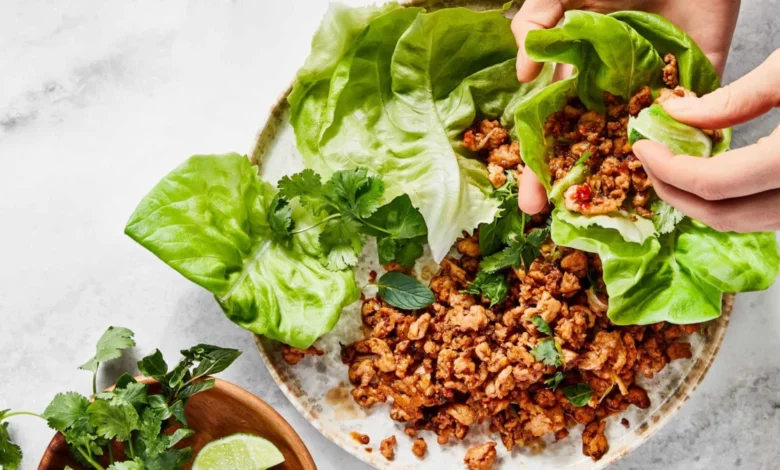
The contemporary home kitchen has seen a significant shift toward high-efficiency, flavor-forward cooking, a trend exemplified by the enduring popularity of spicy chicken lettuce wraps. Rooted in the traditional Southeast Asian dish known as larb, these wraps have transcended their regional origins to become a staple in Western culinary repertoire. Characterized by a balance of savory, sweet, and spicy notes, the dish serves as a case study in how traditional techniques can be streamlined for the modern, time-constrained consumer without sacrificing nutritional integrity or sensory satisfaction.
Historical Context and Cultural Origins
Larb, a meat salad widely considered the national dish of Laos and popular throughout Northern Thailand, serves as the primary inspiration for the modern lettuce wrap. Traditionally, larb is prepared with finely minced or ground meat—often pork, chicken, or duck—that is cooked with lime juice, fish sauce, chili peppers, and fresh herbs. A hallmark of the dish is the inclusion of toasted rice powder, which adds a distinct nutty texture and acts as a thickening agent for the juices.
As the dish migrated into global culinary consciousness, the format evolved. The transition from a rice-based salad served with raw vegetable accompaniments to the "wrap" format popularized in the late 20th century reflects a broader culinary trend of "handheld" dining. This iteration focuses on the juxtaposition of hot, seasoned proteins against the cool, crisp architecture of lettuce leaves, providing a functional and dietary alternative to bread or flour-based tortillas.
The Anatomy of the Dish: Ingredients and Chemistry
The efficacy of the lettuce wrap lies in the precise interplay of five fundamental flavor profiles: salt, heat, acidity, sweetness, and umami.
The base—ground chicken—serves as a neutral canvas. When seasoned with a combination of soy sauce (for umami and salt) and fish sauce (for depth and fermentation funk), the protein gains a complex savory foundation. The integration of Sriracha or similar chili-based pastes introduces capsaicin-driven heat, while brown sugar provides a necessary contrast to balance the acidity of the lime juice. Garlic and scallions are not merely aromatics; they provide the essential pungent base notes that define the dish’s aroma.
From a structural perspective, the choice of lettuce is a critical engineering decision. Bibb, Boston, and butter lettuce varieties are favored for their high water content and pliable leaf structure. Unlike iceberg lettuce, which is brittle and prone to snapping under the weight of warm fillings, butter lettuce provides a tender, buttery mouthfeel that complements the texture of ground meat.
Chronology of Culinary Adaptation
The rise of the lettuce wrap in domestic kitchens did not happen overnight. The timeline of this dish’s integration into Western menus reflects the broader "globalization of home cooking" that occurred between 2000 and 2020.
- 2000–2005: The initial wave of interest in Southeast Asian "street food" styles began to move beyond specialty restaurants, as home-cooking magazines began featuring simplified versions of larb.
- 2006–2012: Health-conscious dining trends fueled a shift away from refined carbohydrates. Lettuce wraps were marketed as a low-carb, high-protein alternative to sandwich wraps and burgers.
- 2013–2018: The emergence of "20-minute meal" culture saw the refinement of the recipe into its current, highly efficient state. Ingredients like store-bought fried shallots and pre-ground poultry were optimized for speed.
- 2019–Present: The post-pandemic culinary landscape has further solidified the position of these wraps as a "high-reward" dinner, with digital food media emphasizing minimal cleanup and pantry-staple reliance.
Nutritional Data and Dietary Implications
From a nutritional standpoint, the chicken lettuce wrap offers a high protein-to-calorie ratio. A standard serving of ground chicken (approximately 3–4 ounces) contains roughly 20–25 grams of protein, while the lettuce leaves provide essential vitamins, including A and K, with negligible caloric load.
Compared to traditional wheat-based wraps or tacos, lettuce wraps represent a significant reduction in glycemic index. For consumers managing blood glucose or adhering to ketogenic or gluten-free diets, the adaptability of the dish is a primary driver of its longevity. By substituting soy sauce with tamari or coconut aminos, the dish remains accessible to the approximately 1% of the global population with celiac disease and a growing demographic of consumers who choose to avoid gluten for non-medical reasons.
Analysis: Why the Dish Persists
The enduring popularity of the chicken lettuce wrap can be attributed to three key factors: accessibility, versatility, and sensory contrast.
- Accessibility: The ingredients required for the base filling—soy sauce, sugar, citrus, and aromatics—are now considered pantry staples in most Western households. This removes the "barrier to entry" often associated with international cuisines that require hard-to-find ingredients.
- Versatility: The recipe is inherently modular. It accepts a wide variety of proteins, including ground pork, beef, turkey, or lamb. Furthermore, the base can be transitioned into a rice bowl, demonstrating a flexibility that appeals to meal-prep enthusiasts.
- Sensory Contrast: Human palates are biologically predisposed to enjoy the contrast between hot and cold, crunchy and tender. The combination of warm, spicy protein with cold, crisp lettuce is a "textural hook" that makes the dish satisfying on a primal level.
Expert Perspectives and Culinary Adaptations
Professional chefs often note that the "secret" to elevating this dish lies in the treatment of the protein. "The key is to avoid overcrowding the pan," notes one culinary analyst. "When you brown the meat in small batches, you encourage the Maillard reaction—the browning process that creates complex flavors. If you dump too much meat into the pan at once, it steams rather than sears, resulting in a bland, gray filling."
Furthermore, the addition of herbs such as cilantro, mint, or Thai basil is not merely garnish. In traditional Southeast Asian cooking, herbs are treated as a vegetable component. The volatile oils in these herbs provide a bright, aromatic lift that cuts through the fattiness of the meat, an essential component for balancing the heavy savory notes of the fish sauce.
Broader Impact on Home Cooking Trends
The success of the lettuce wrap recipe highlights a wider trend in home economics: the premium placed on time-efficiency. As work-life balance remains a point of contention for many, recipes that provide a "restaurant-quality" flavor profile in under 20 minutes have become the gold standard.
This trend has also influenced the retail market. Grocery stores now commonly stock pre-washed butter lettuce, prepared aromatics, and diverse varieties of chili pastes, catering to the demand for quick-assembly meals. The shift represents a change in how consumers define "cooking"—moving away from labor-intensive preparation and toward "curated assembly," where the cook functions more as a flavor architect than a technician.
Future Considerations and Conclusion
As the food industry continues to move toward more sustainable protein sources, it is likely that the lettuce wrap will evolve further. Plant-based ground meat alternatives are already being tested in similar applications, and the dish’s flavor profile—heavily reliant on salt, acid, and heat—is exceptionally well-suited to mask the flavor profiles of soy or pea-based proteins.
Ultimately, the spicy chicken lettuce wrap stands as a testament to the power of culinary adaptation. By distilling the complex, labor-intensive traditions of Southeast Asian larb into a streamlined, high-impact meal, home cooks have created a dish that addresses the modern needs for nutrition, speed, and sensory satisfaction. It is a dish that succeeds because it respects the foundational rules of flavor while embracing the realities of a busy, modern lifestyle. Whether served as a quick weeknight dinner or as a foundational component of a larger meal, its place in the modern kitchen is firmly secured by its efficiency, adaptability, and unwavering appeal.