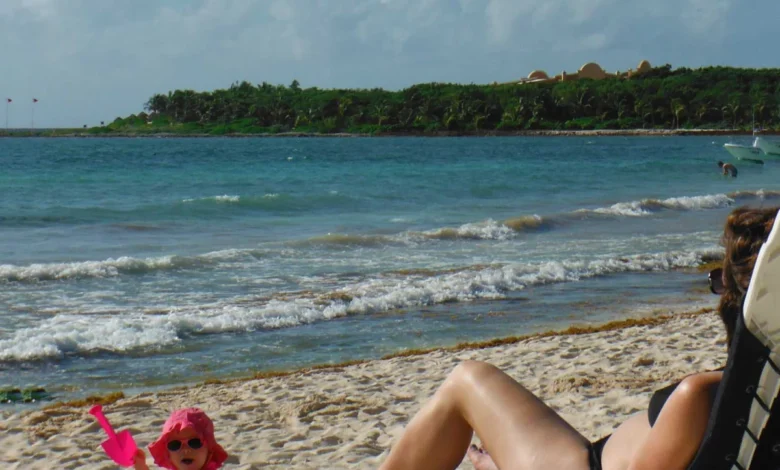
The concept of the "babymoon"—a final period of leisure taken by expectant parents before the arrival of a new child—has evolved significantly in recent years. While traditional babymoons were often characterized by spontaneous travel, adventurous itineraries, and adult-focused luxury, the rise of the "second-child babymoon" has introduced a new paradigm in family travel. Unlike the first excursion, which prioritizes the couple’s transition into parenthood, a babymoon with a toddler requires a meticulous balance of maternal physical health, toddler developmental needs, and the logistics of managing a growing family.

The Shift in Travel Philosophy
For many couples, the first babymoon is defined by freedom. Data from the travel industry suggests that first-time parents often lean toward high-activity destinations—hiking trips, city breaks, or international excursions that may be more difficult to navigate with a stroller. However, a survey of travel patterns indicates that the secondary babymoon is increasingly shifting toward "low-impact" tourism.
When a parent is pregnant with a second child, they are frequently managing the physical demands of a later-stage pregnancy while simultaneously tending to the high-energy needs of a toddler. This biological and logistical shift necessitates a pivot from "adventure-first" to "ease-first" travel. Medical professionals often advise that while travel remains safe for many, the second pregnancy often presents with different symptoms, including increased fatigue and musculoskeletal strain, which should dictate the scope of the vacation.

Chronology of the Second-Trimester Sweet Spot
Planning for a family-inclusive babymoon generally follows a strategic timeline. Most travel experts and medical advisors recommend the second trimester (weeks 14 to 28) as the optimal window for such trips. During this period, the morning sickness associated with the first trimester has typically subsided, and the physical limitations of the third trimester have yet to set in.
A successful trip during this time requires a phased planning approach:

- The Planning Phase (Weeks 10-14): Selection of a destination that minimizes travel time and maximizes accessibility.
- The Booking Phase (Weeks 14-18): Securing accommodations that offer "toddler-friendly" amenities, such as kitchenettes, separate sleeping areas, or proximity to childcare and medical facilities.
- The Execution Phase (Weeks 20-26): The actual trip, ideally limited to a duration of four to seven days to prevent over-exhaustion of both the pregnant parent and the toddler.
The Rise of All-Inclusive Resorts for Growing Families
A growing trend in the travel sector is the preference for all-inclusive, family-oriented resorts during the second pregnancy. This preference is rooted in the "one-stop-shop" model, which mitigates the stress of constant decision-making.
Industry reports suggest that parents opting for these properties prioritize three main factors:

- Proximity to Services: Access to on-site medical staff, restaurants, and recreational areas reduces the need for complex transit.
- Structured Entertainment: Kids’ clubs and splash pads allow toddlers to engage in supervised play, offering the pregnant parent much-needed downtime.
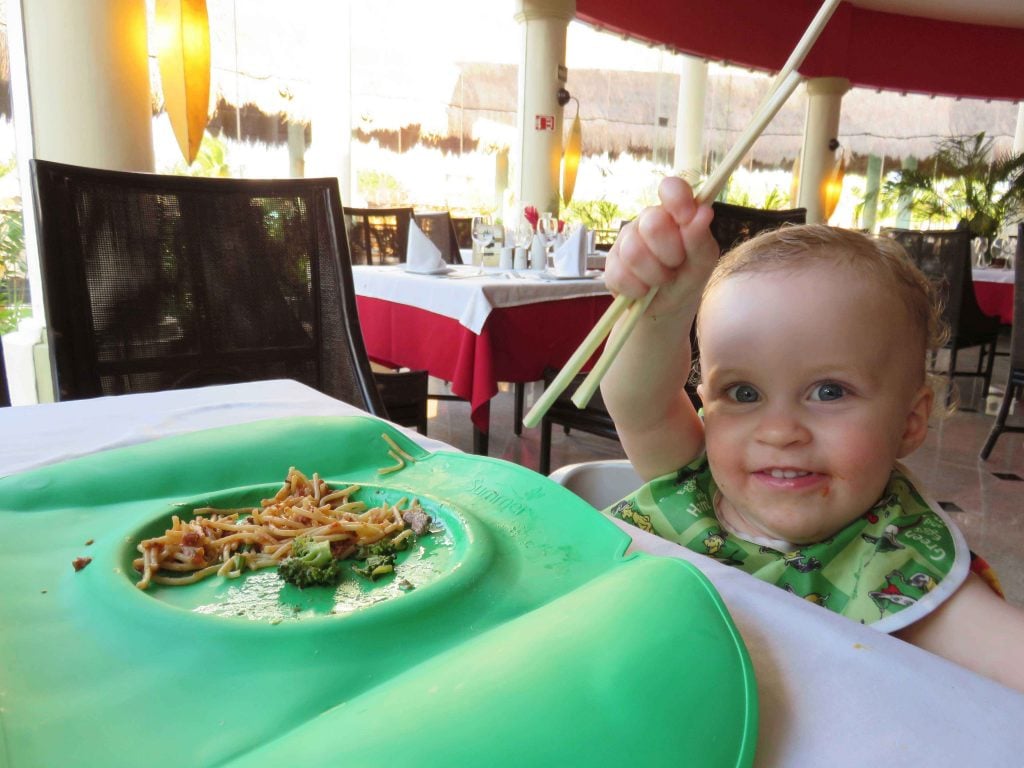
- Predictability: Familiar food and beverage options for picky toddlers reduce the friction often associated with international travel.
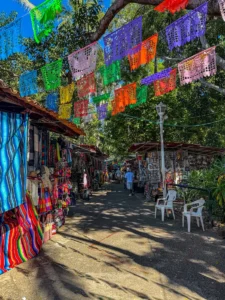
For example, many families choose coastal regions in Mexico or the Caribbean, where the infrastructure is highly developed for families. By staying at a single property, parents avoid the logistical burden of packing and unpacking, which is a significant psychological and physical advantage for those navigating pregnancy-related exhaustion.
Comparative Analysis: First vs. Second Babymoons
A comparative analysis of travel itineraries reveals a stark contrast between first and second babymoons. First-time parents often log between 15,000 and 20,000 steps per day during their travels. In contrast, parents on a second-child babymoon typically see that number drop significantly, with a higher emphasis on stationary activities like beach lounging, resort-based swimming, or low-intensity sightseeing.

The implication here is not a loss of quality, but a shift in the definition of "special." While the first trip is about the couple, the second is about cementing the existing family unit. Pediatric developmental psychologists note that a trip of this nature can serve as a "pre-transition" period, allowing the toddler to receive undivided attention from parents before the inevitable shift in dynamics that occurs when a newborn enters the home.
Practical Considerations for the Expectant Parent
Travel with a toddler necessitates a rigorous adherence to schedules. Unlike adult-only travel, which can be spontaneous, a toddler-friendly babymoon must be built around the child’s circadian rhythm.

Logistics and Safety Protocols:
- The "One-Activity-Per-Day" Rule: To avoid meltdowns and physical strain, experts recommend a single planned activity daily, leaving the rest of the time open for rest or unplanned exploration.
- Medical Documentation: For those flying, international travel requires a "fit-to-fly" certificate from an obstetrician, especially as the pregnancy progresses toward the third trimester.
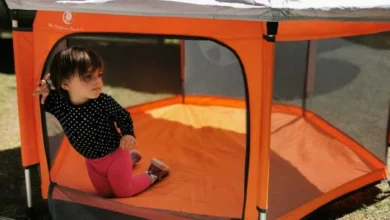
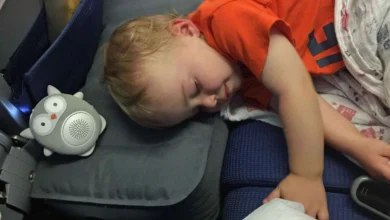
- Gear Optimization: Minimizing the amount of luggage by leveraging travel-ready gear—such as lightweight strollers or portable white noise machines—is essential.
Broader Impact and Industry Implications
The travel industry has responded to this shift by creating more niche offerings for "multi-generational" or "pre-arrival" families. Hotels are increasingly offering "babymoon packages" that include prenatal spa treatments, pre-stocked baby supplies, and flexible check-in times to accommodate nap schedules.

From a sociological perspective, the secondary babymoon represents a broader trend of "conscious parenting," where the preservation of the family unit’s mental health is prioritized over the pursuit of bucket-list experiences. By choosing to stay local or selecting resorts that cater to young children, parents are actively reducing the cortisol levels associated with travel stress, thereby creating a more stable environment for the toddler.
Expert Recommendations for Success
To ensure a successful transition into the family’s next chapter, travel advisors and experienced parents offer several key recommendations:
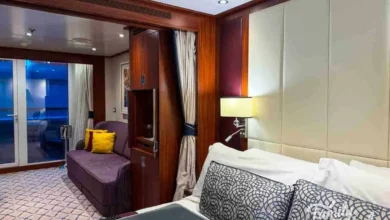
- Prioritize Sleep Environments: If possible, book a suite or a two-bedroom unit to ensure that the toddler’s early bedtime does not interfere with the parents’ need for rest.
- Flexible Itineraries: The most common failure in family travel is an over-booked schedule. Allowing for "downtime" is not an admission of defeat; it is a necessary component of successful parenting.
- Involvement of the Firstborn: By involving the toddler in the vacation planning—such as letting them choose a beach toy or a specific meal—parents can help foster a sense of excitement and security.
Conclusion: The Value of the Pause
Ultimately, the secondary babymoon is not merely a vacation; it is a strategic pause. As families prepare to navigate the complexities of life with two children, these trips provide a rare opportunity to solidify the bonds of the current trio. While the logistics are undoubtedly more complex than a solo or couple’s trip, the emotional return on investment is significant.
Whether the trip consists of a weekend at a local cabin, a road trip to a regional park, or an all-inclusive resort vacation, the underlying goal remains the same: to create a foundation of connection and shared joy. By setting realistic expectations, prioritizing the health of the pregnant parent, and embracing the inevitable unpredictability of toddlerhood, families can ensure their final trip as a family of three is as memorable and meaningful as their first. As the family grows, these moments of collective peace become the anchors that hold the household together during the transition to a four-person dynamic.
Related posts: