Unveiling Lima’s Culinary Legend: A Definitive Exploration of Javier Wong’s Iconic Chez Wong


The Peruvian capital of Lima has long held a reputation as a premier global gastronomy destination, drawing culinary travelers from every corner of the world. Among the city’s constellation of celebrated dining establishments, few hold the mythical status of Chez Wong, the private residence-turned-restaurant of legendary chef Javier Wong. Operating out of an unassuming residential neighborhood in Lima, this establishment offers an exclusive dining experience centered around just two primary preparations: ceviche and high-heat stir-fried fish. For international food critics and dedicated epicures alike, securing a seat at Chez Wong is frequently cited as a primary motivation for traveling to Peru, representing an uncompromising commitment to ingredient freshness, culinary minimalism, and lifelong craftsmanship.
The Historical Context of Peruvian Ceviche and Nikkei Fusion
To understand the cultural significance of Chez Wong, one must examine the broader evolution of Peruvian cuisine, specifically the national dish of ceviche. Traditionally consisting of fresh raw fish or seafood marinated in citrus juice—typically lime or bitter orange—and seasoned with salt and chili peppers, ceviche is a cornerstone of coastal Peruvian identity. Over generations, this indigenous preparation intersected with waves of immigration, most notably the influx of Chinese and Japanese immigrants in the 19th and 20th centuries.
This culinary convergence gave rise to Nikkei cuisine, a synthesis of Japanese precision and Peruvian indigenous ingredients. Chef Javier Wong stands as a pioneer of this movement. Rather than masking the natural flavor profile of the ocean with complex sauces, Wong champions an austere philosophy: premium-grade seafood, fresh citrus, minimal seasoning, and absolute respect for the raw materials. His establishment bridges East Asian wok techniques with the vibrant, marine-rich ecosystem of the Pacific Ocean off the coast of Peru.
Operational Precision and the Reservation-Only Model
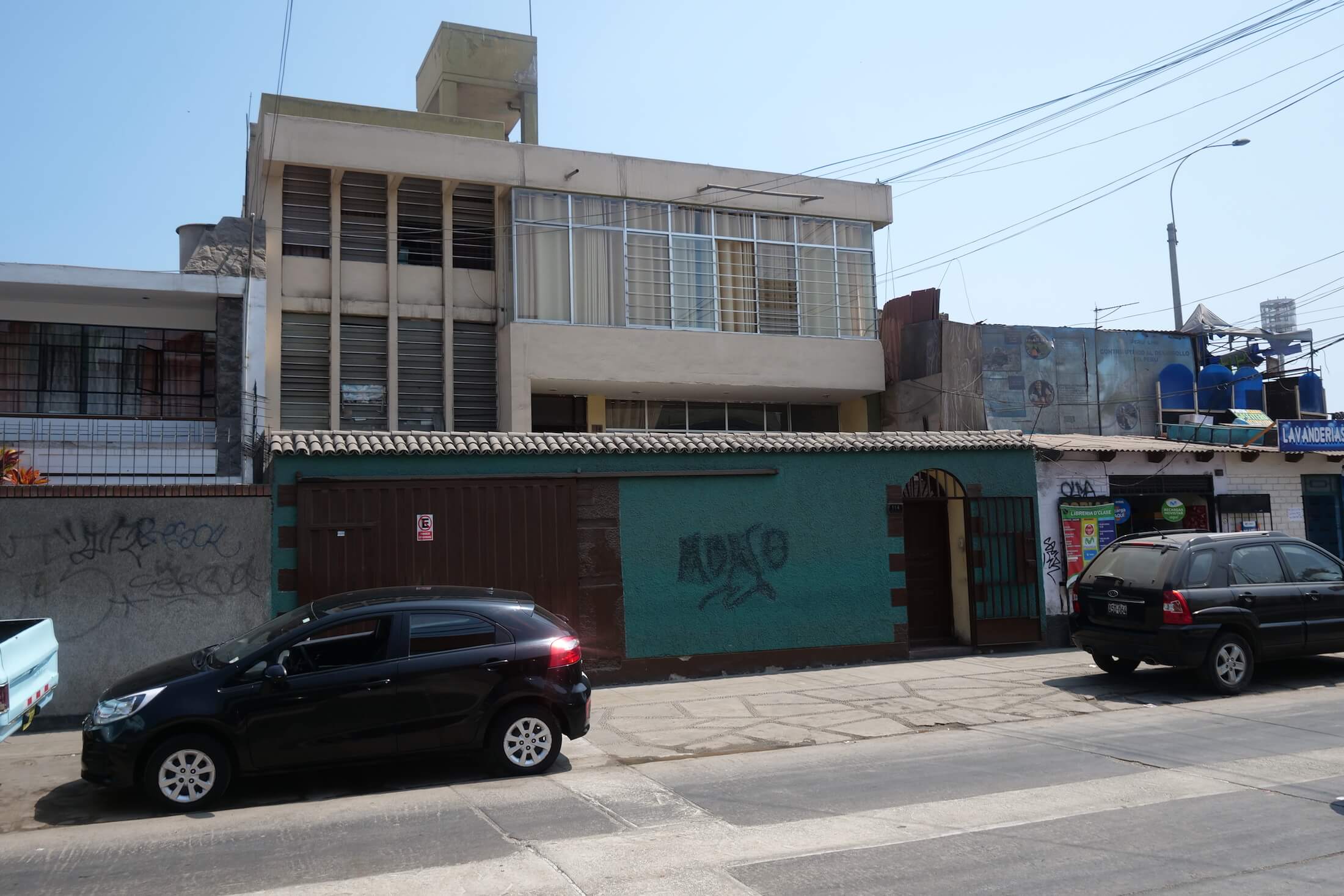
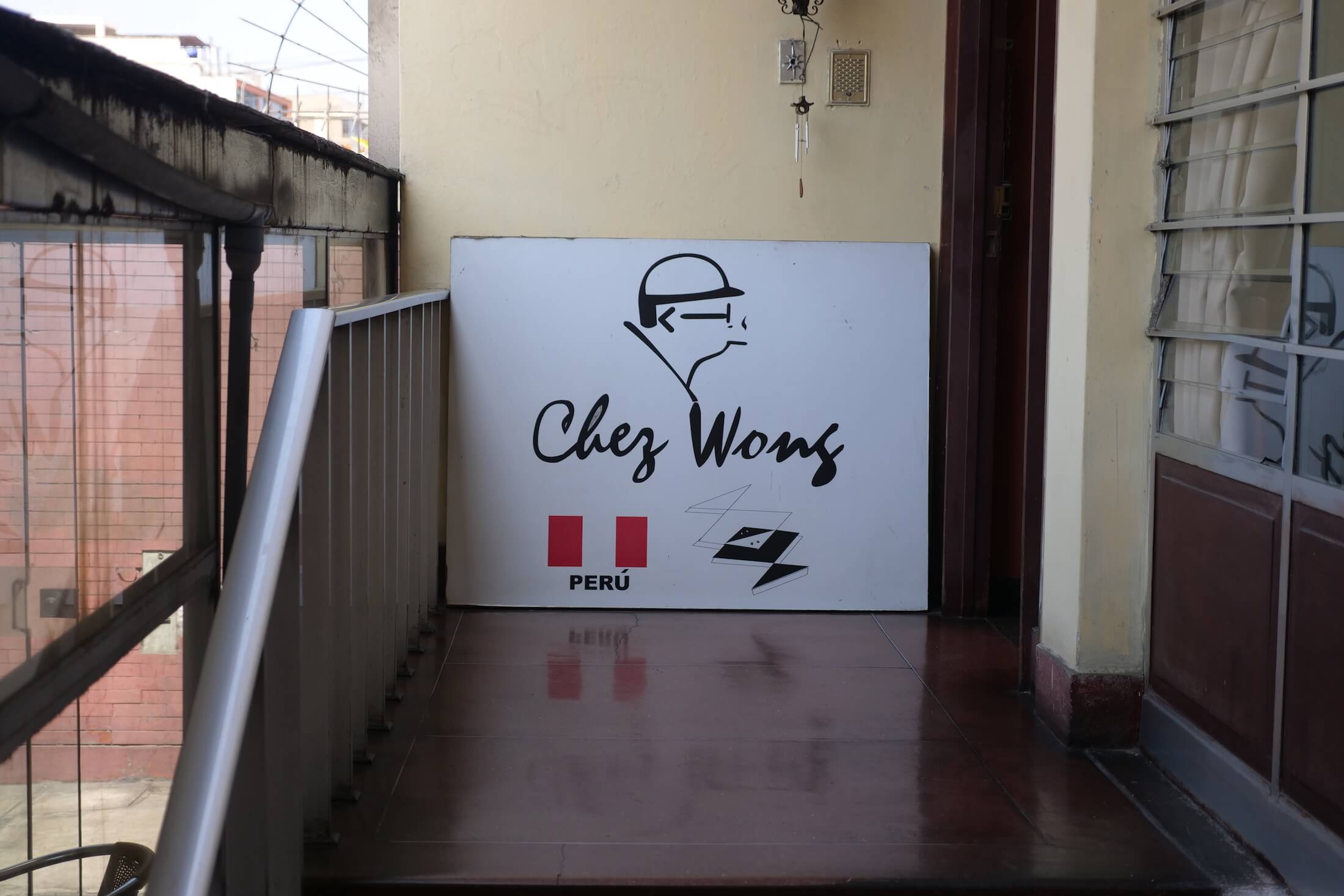
Behind an unremarkable exterior and locked gate in a quiet Lima suburb lies a dining room that operates under strict logistical parameters. Chez Wong is open exclusively for lunch, operating Tuesday through Saturday from 1:00 PM to 3:30 PM. There are no walk-in tables, no exterior signage indicating a restaurant of global renown, and no traditional menu from which guests order.
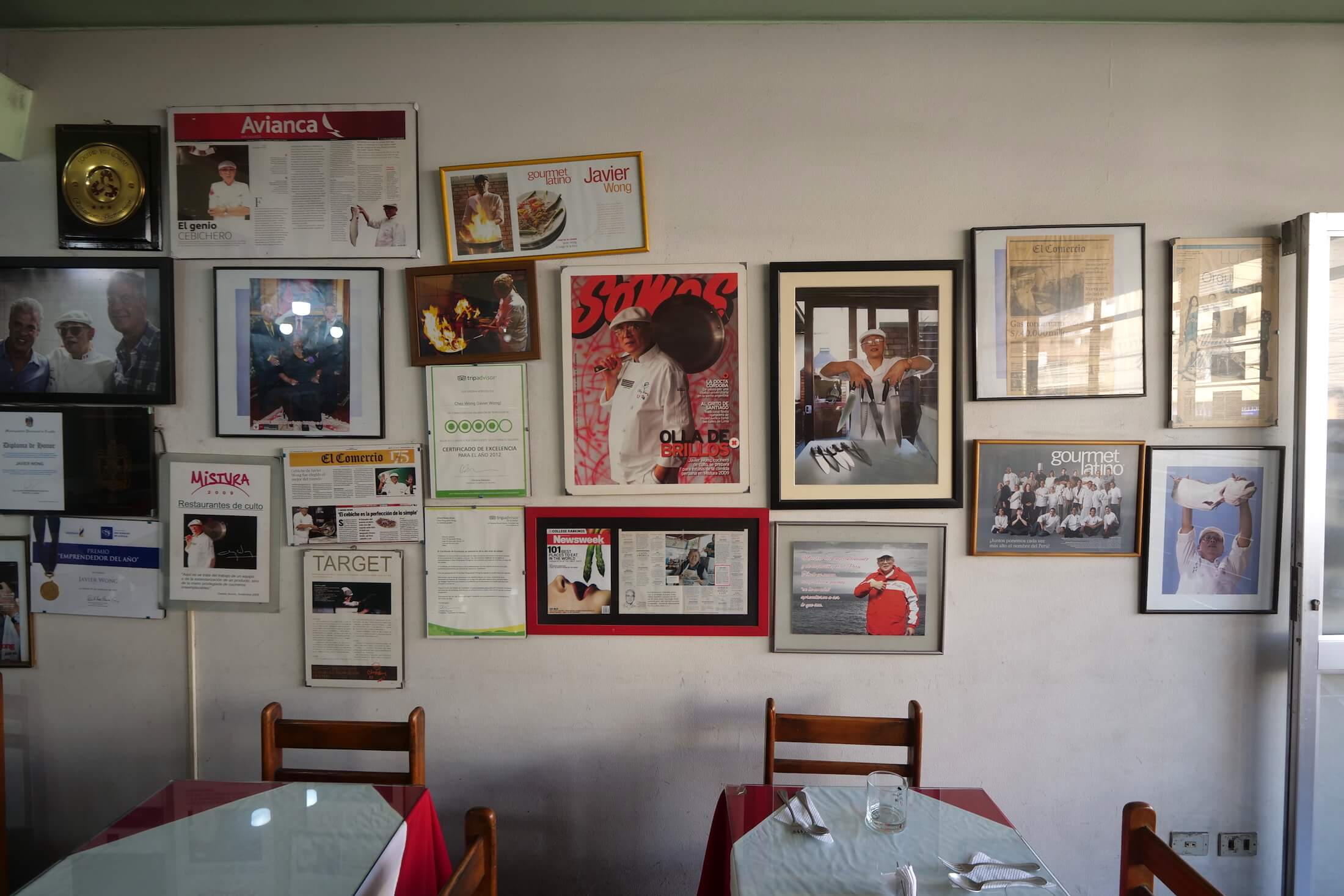
The operational model is dictated entirely by daily market availability. Each morning, Chef Wong personally visits the fish market to procure a precise quantity of seafood based strictly on the confirmed reservation headcount for that day. Consequently, the waiting list for a table often extends several weeks or months in advance. Unannounced guests are routinely turned away—not out of hostility, but due to the mathematically precise supply chain that prevents any food waste or compromise in quality. The dining room itself is intimate, featuring only eight tables and walls adorned with photographs and international press clippings that chronicle decades of culinary acclaim.
Chronology of the Meal: The First Course and Ceviche Mastery
A typical seating at Chez Wong follows an unhurried, synchronized chronology dictated by the chef. Guests arrive to find no menus; drinks are ordered, and the experience unfolds entirely at the discretion of the kitchen.
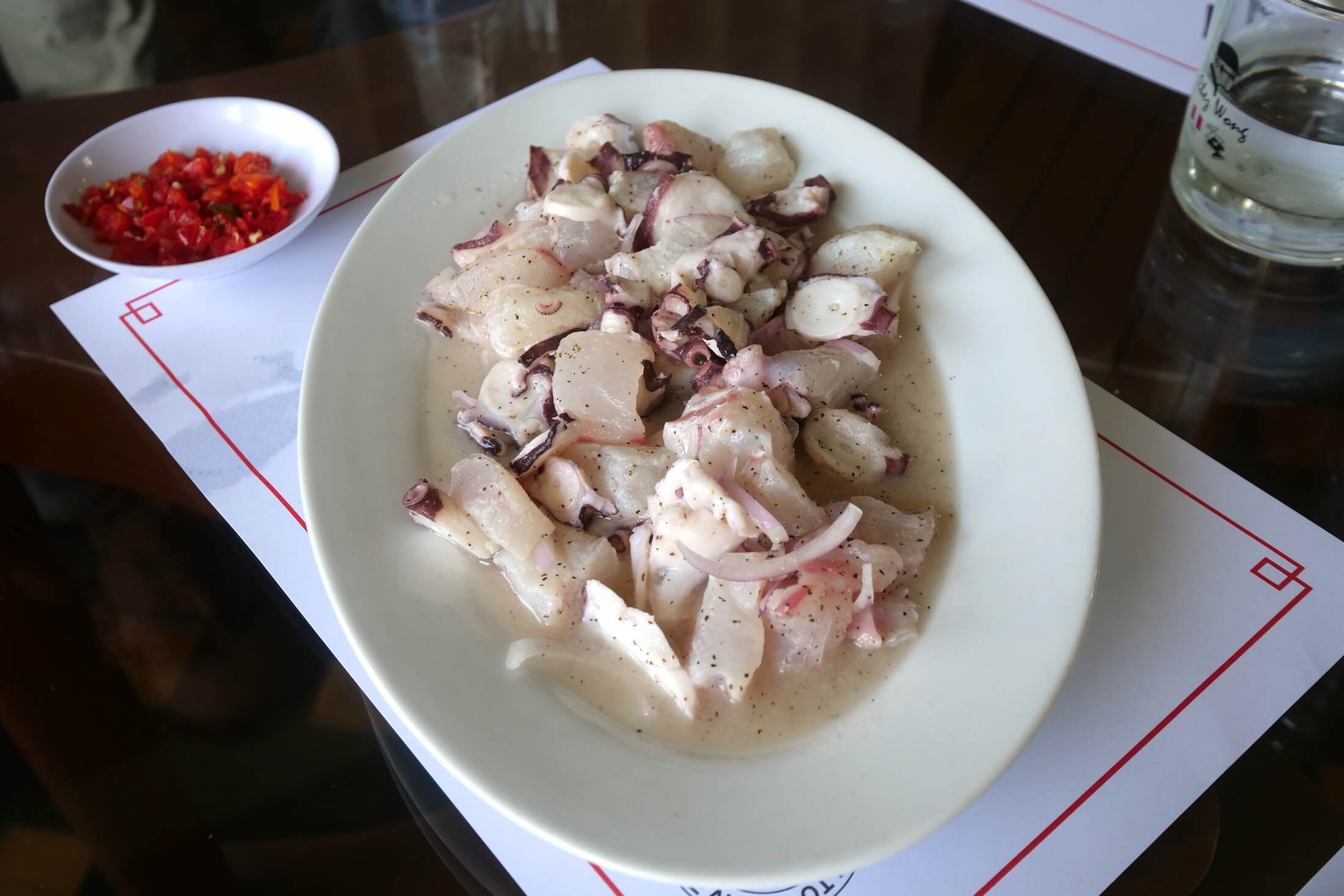
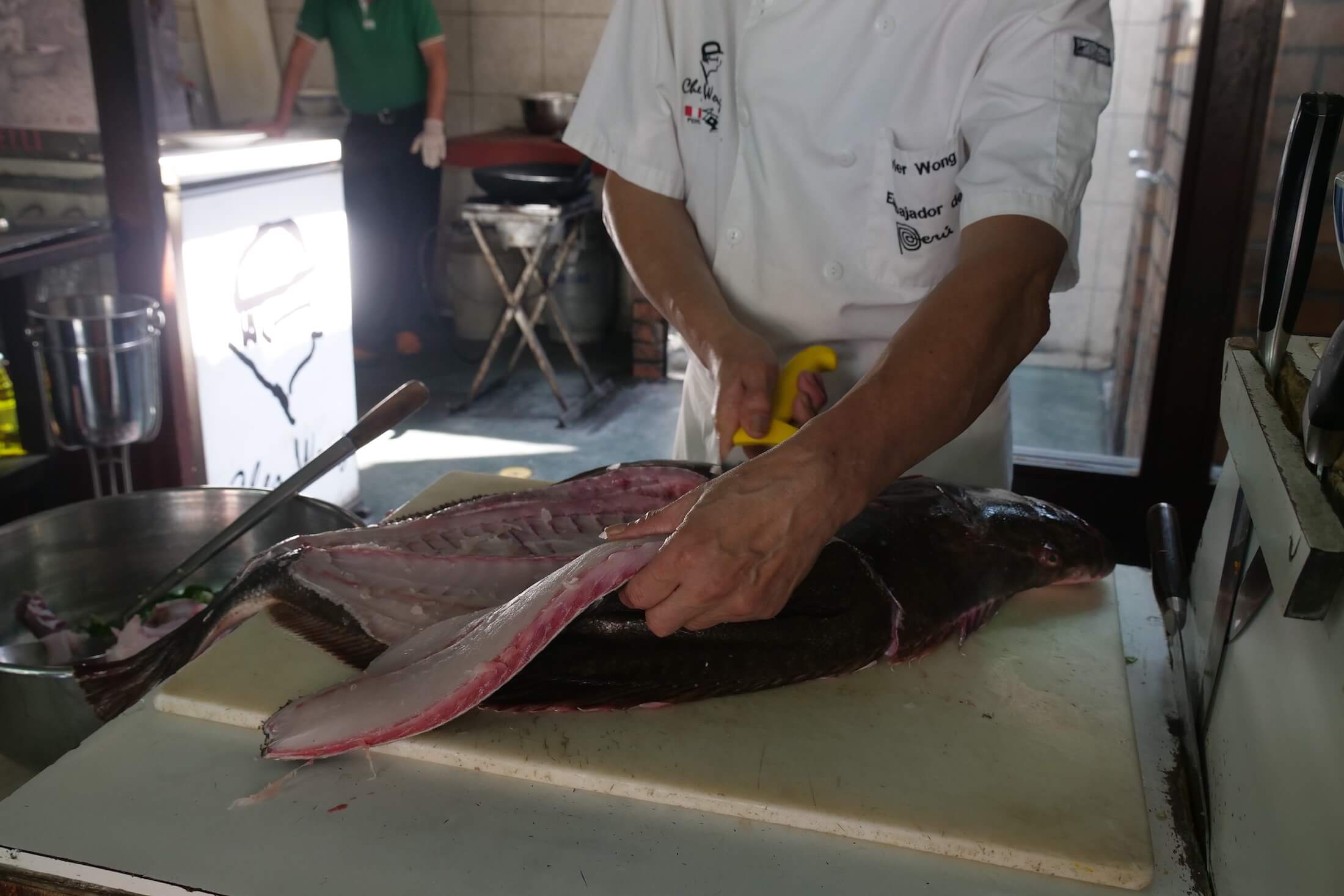
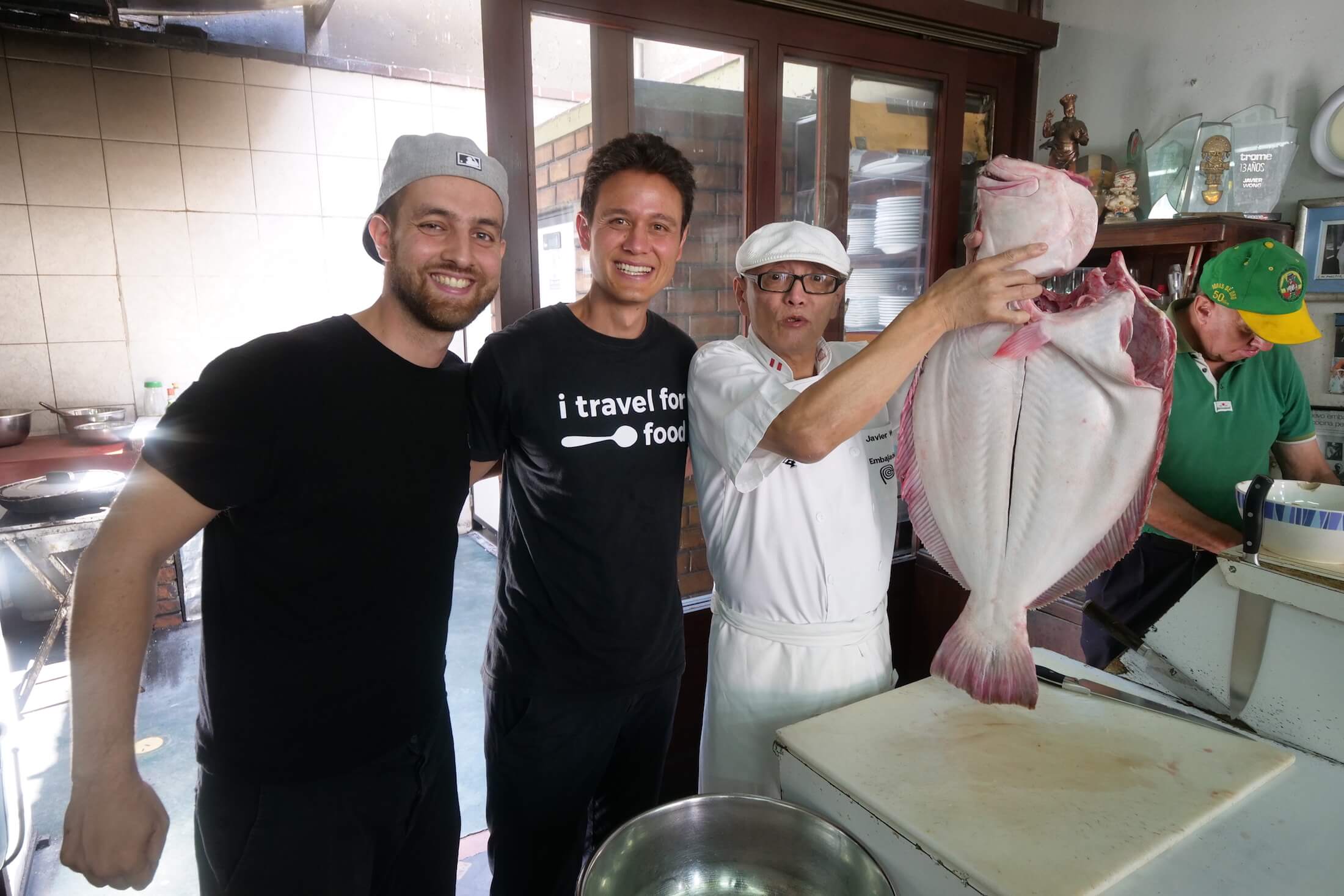
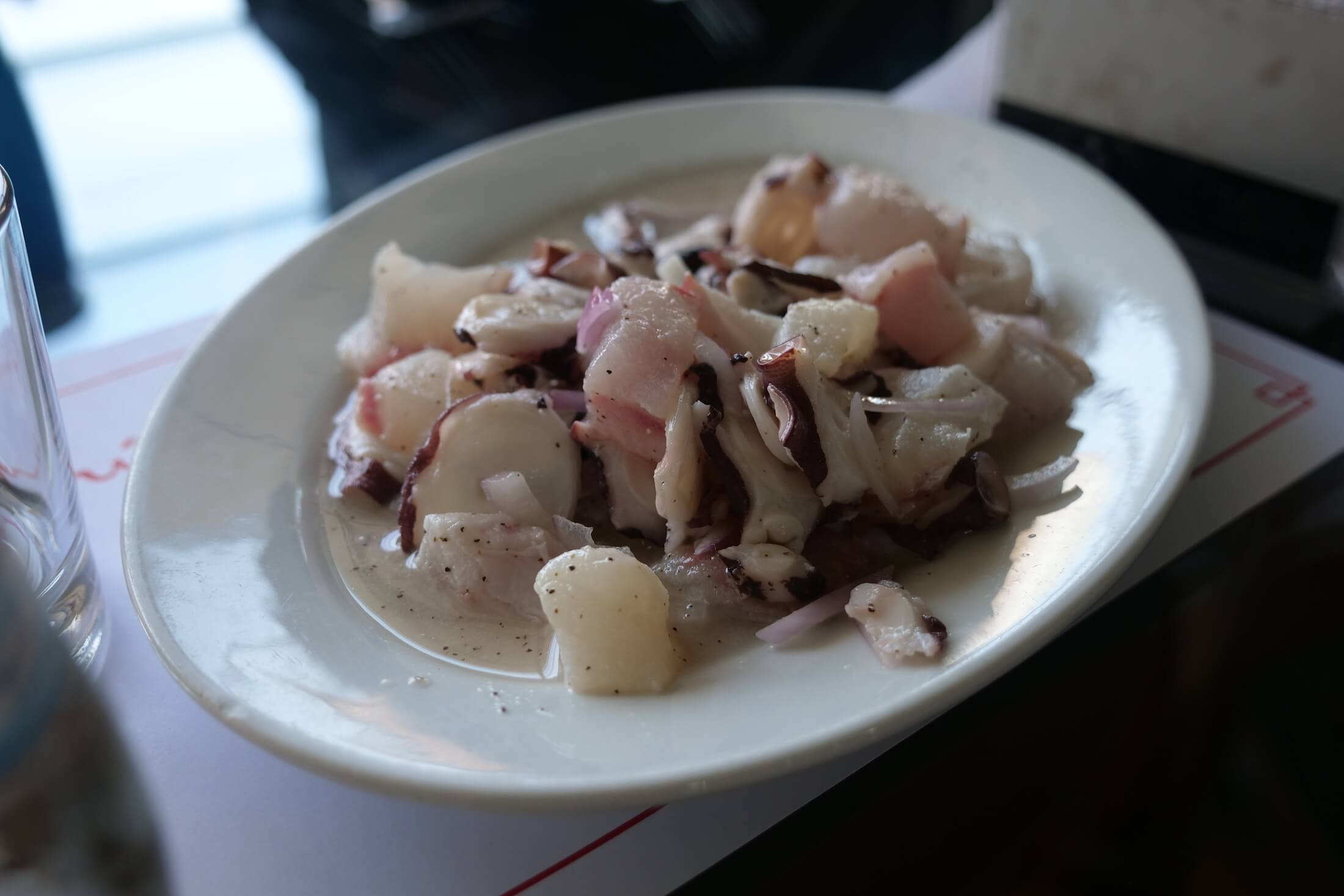
The meal invariably commences with the preparation of ceviche, executed by Chef Wong directly in front of the diners at a central preparation station. Wong exclusively utilizes Dover sole, a variety of flounder, supplemented by fresh octopus. With decades of muscle memory guiding his blade, he separates the fillets from the bone with astonishing speed, slicing the fish into thick, substantial cubes rather than the delicate, paper-thin strips common in street-vendor preparations.
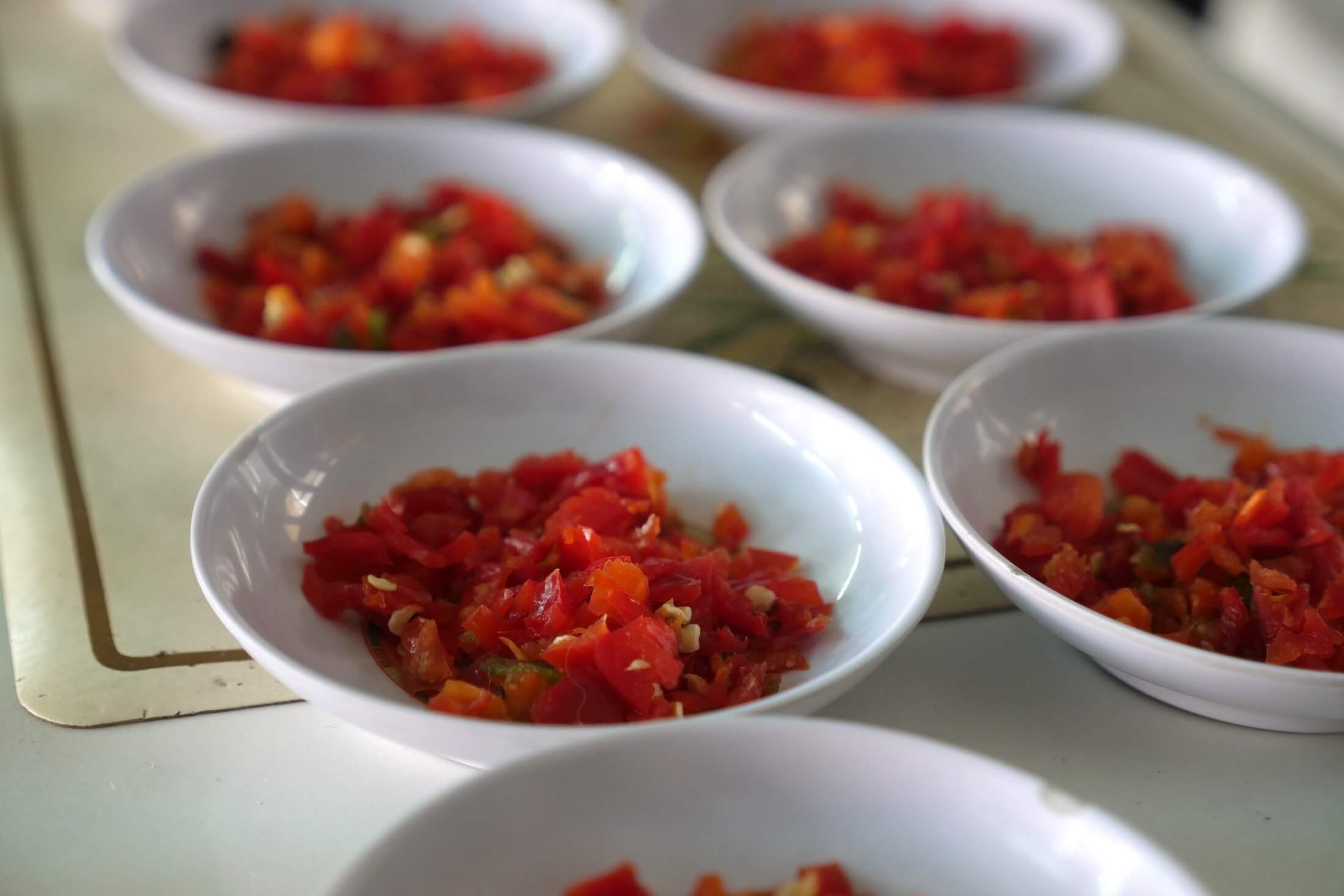
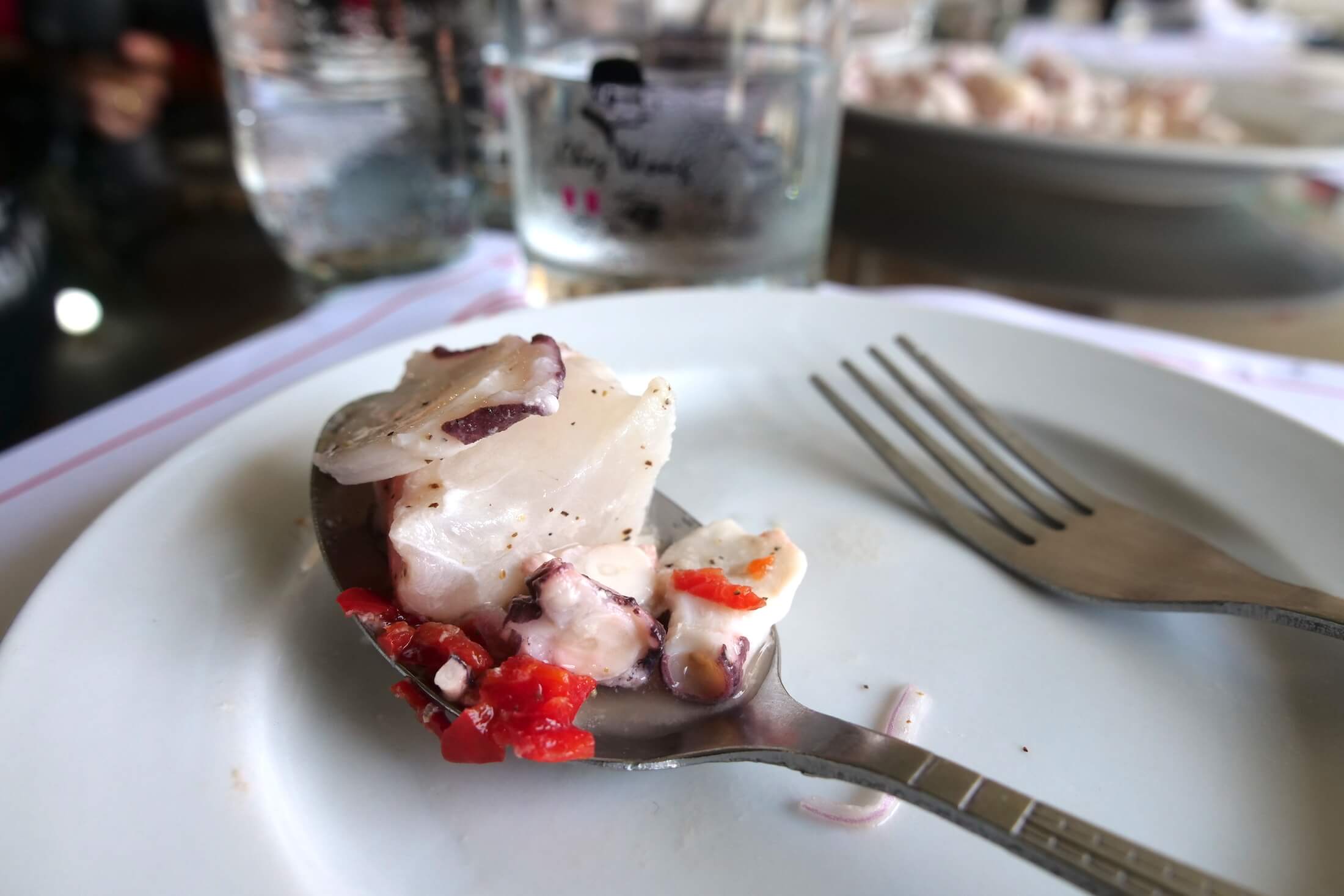
The ingredient list for the ceviche remains remarkably sparse: fresh Dover sole, chunks of blanched octopus, copious amounts of freshly squeezed lime juice, salt, and a dash of black pepper. The marinating process relies entirely on the chef’s intuitive judgment, balancing the acid of the citrus against the thickness of the fish cuts. The dish is served alongside native ají chili peppers, allowing diners to calibrate the spice level individually. The resulting texture is a study in contrasts: the fish is velvet-soft, while the octopus provides a springy, bouncy counterpart, all unified by the acidic, savory liquid at the bottom of the plate.
The Phenomenon of Leche de Tigre
Following the consumption of the ceviche, diners are left with a pooling residue of citrus juice, fish extracts, and aromatics. In Peruvian culinary tradition, this intensely flavorful liquid is known as leche de tigre, or "tiger’s milk." At Chez Wong, staff routinely gather this remaining liquid into dedicated drinking glasses for guests upon request.
Described by culinary experts as a flavor-profile explosion, leche de tigre delivers an immediate, potent fusion of searing acidity, marine umami, saltiness, and lingering warmth from the chilies. While many contemporary establishments serve tiger’s milk as a standalone appetizer or cocktail component, the version produced at Chez Wong derives its exceptional density and richness directly from the high concentration of Dover sole and lime juice utilized during the service, representing an uncompromising distillation of coastal Peru’s flavor profile.
The Second Course: Wok Mastery and High-Heat Stir-Fry
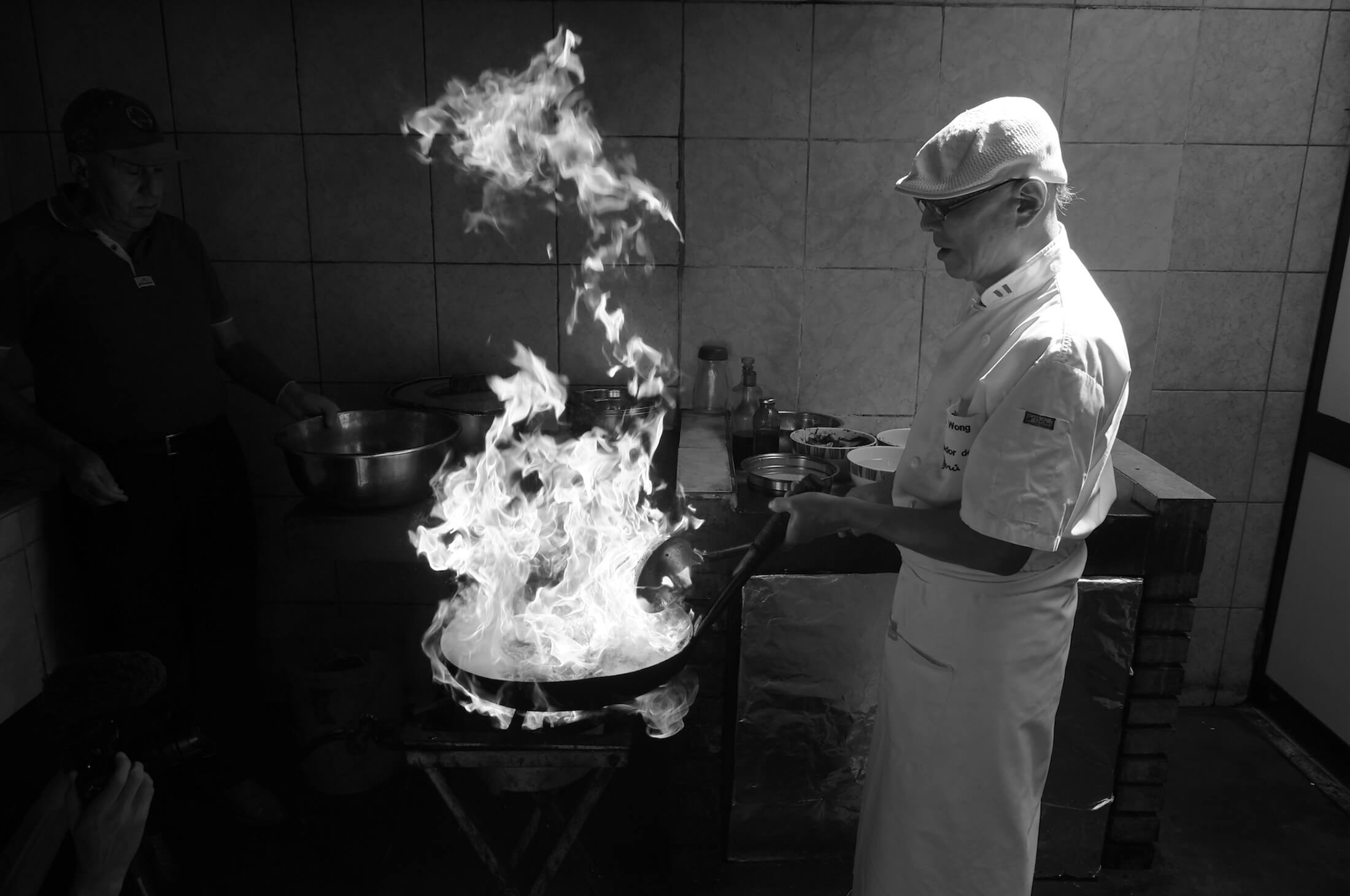
Transitioning from the raw, citrus-cured ceviche, the second phase of the meal shifts dramatically toward intense thermal energy. Chef Wong transitions to a high-pressure gas wok station, demonstrating pyrotechnic culinary skills that draw gasps from the intimate dining room.
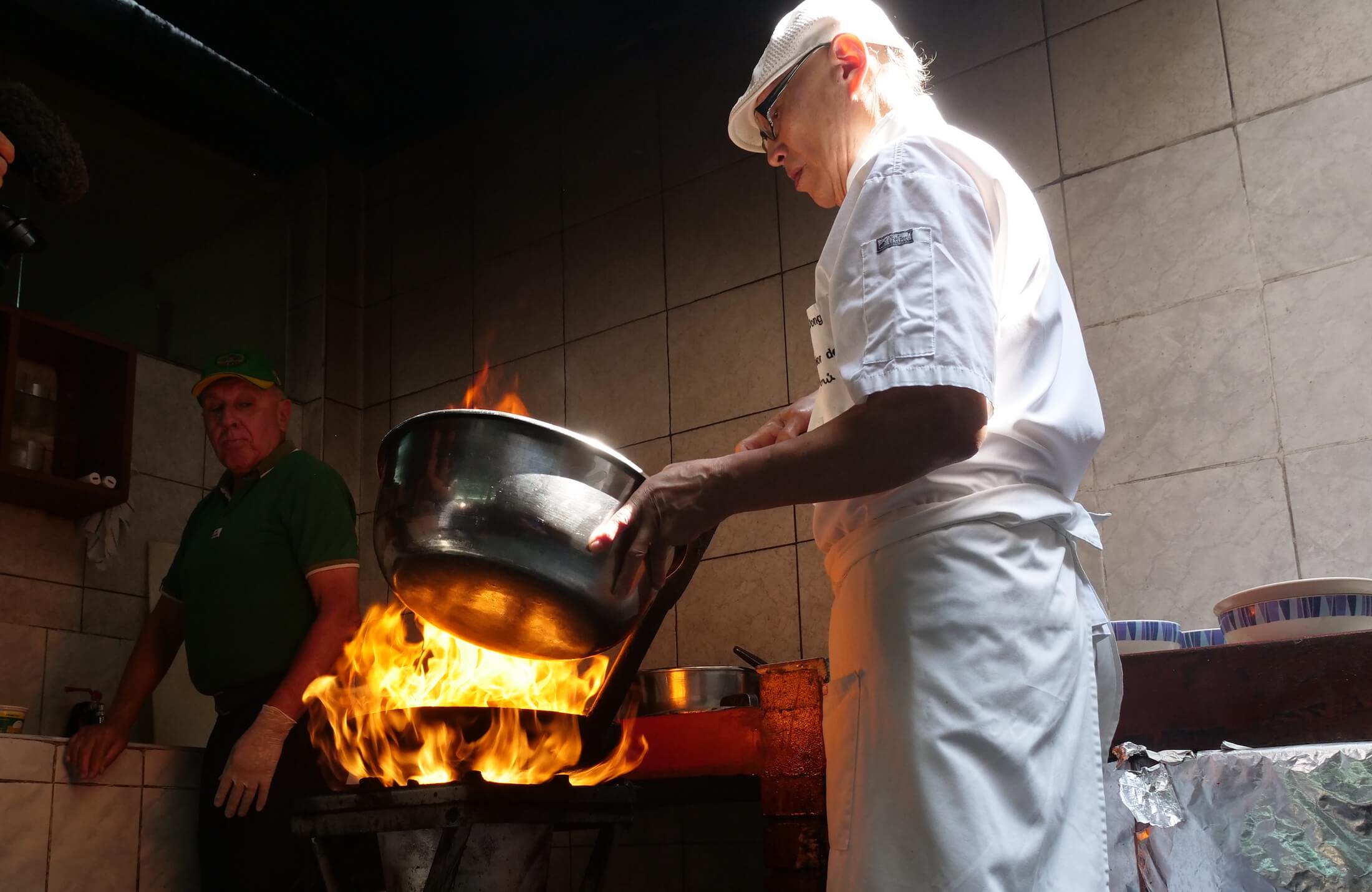
The flames from the wok burner frequently reach several feet toward the ceiling, enveloping the ingredients and the chef in rapid, controlled bursts of fire. Despite the intense heat, Wong’s technique is characterized by restraint; he utilizes a large metal serving spoon only after the burner has been extinguished, ensuring the delicate cubes of fish meat are not mechanically crushed or broken down during the cooking process.
The ingredient composition for the stir-fry reflects the same minimalist philosophy observed in the first course. The wok combines chunks of Dover sole with snow peas, chard, bok choy, thick round mushrooms, and a surprising proprietary addition: fresh tangerine segments. Unlike conventional stir-fry methods where vegetables and proteins are added sequentially based on cooking times, Wong combines all raw components into a single stainless-steel bowl and introduces them to the roaring wok simultaneously.
The inclusion of citrus flesh in a high-heat wok application might seem counterintuitive, but decades of refinement yield a dish defined by smoky aromatics, crisp vegetable textures, and a harmonious balance of sweet, savory, and charred notes. Soy sauce is applied sparingly, serving primarily to impart color rather than overpower the natural sweetness of the seafood and produce.
Economic Impact and Gastronomic Implications
While Chez Wong operates on a micro-scale—accommodating a limited number of guests per week—its influence on Lima’s broader culinary ecosystem is profound. The restaurant exemplifies a shift away from hyper-industrialized, multi-course tasting menus toward hyper-specialized, proprietor-driven craftsmanship.
During a recorded seating for four diners, the total bill amounted to approximately 545 Peruvian Soles (roughly equivalent to $165 USD), placing the experience at an accessible price point relative to global fine-dining establishments of comparable reputation. This economic model prioritizes ingredient sourcing and personal labor over elaborate dining room architecture or expansive corporate infrastructure.
Broader Industry Analysis and Legacy
The enduring success of Chez Wong offers a case study in culinary sustainability and brand longevity. In an era where modern restaurants frequently rely on complex technological equipment, extensive international supply chains, and frequent menu overhauls, Javier Wong’s methodology remains steadfastly anchored in traditional precision and daily market curation.
As Lima continues to solidify its status as a global culinary capital—anchored by internationally recognized institutions like Central and Maido—establishments like Chez Wong provide the essential historical and cultural bedrock. They remind the international gastronomic community that true culinary excellence often requires nothing more than exceptional raw ingredients, decades of disciplined knife skills, and an unwavering respect for cultural heritage. For travelers and food historians alike, a pilgrimage to Chez Wong remains an irreplaceable milestone in understanding the soul of Peruvian cuisine.