The Undaunted Weka: How New Zealand’s Feisty Native Rail Bird Captured the Public Imagination


New Zealand’s native bird conservation narrative is frequently dominated by the plight of fragile, elusive, and endangered species such as the kiwi, the vibrantly colored kea, and the forest-dwelling kererū. However, amidst a national landscape heavily focused on ecological vulnerability, one resilient species continues to carve out a distinct niche through sheer audacity: the weka. Scientifically classified as Gallirallus australis, this large, flightless bird belonging to the rail family (Rallidae) has increasingly drawn the attention of ecologists, conservationists, and travelers alike for its unapologetic demeanor, complex ecological role, and stubborn survival instincts.
Taxonomic Profile and Physical Characteristics
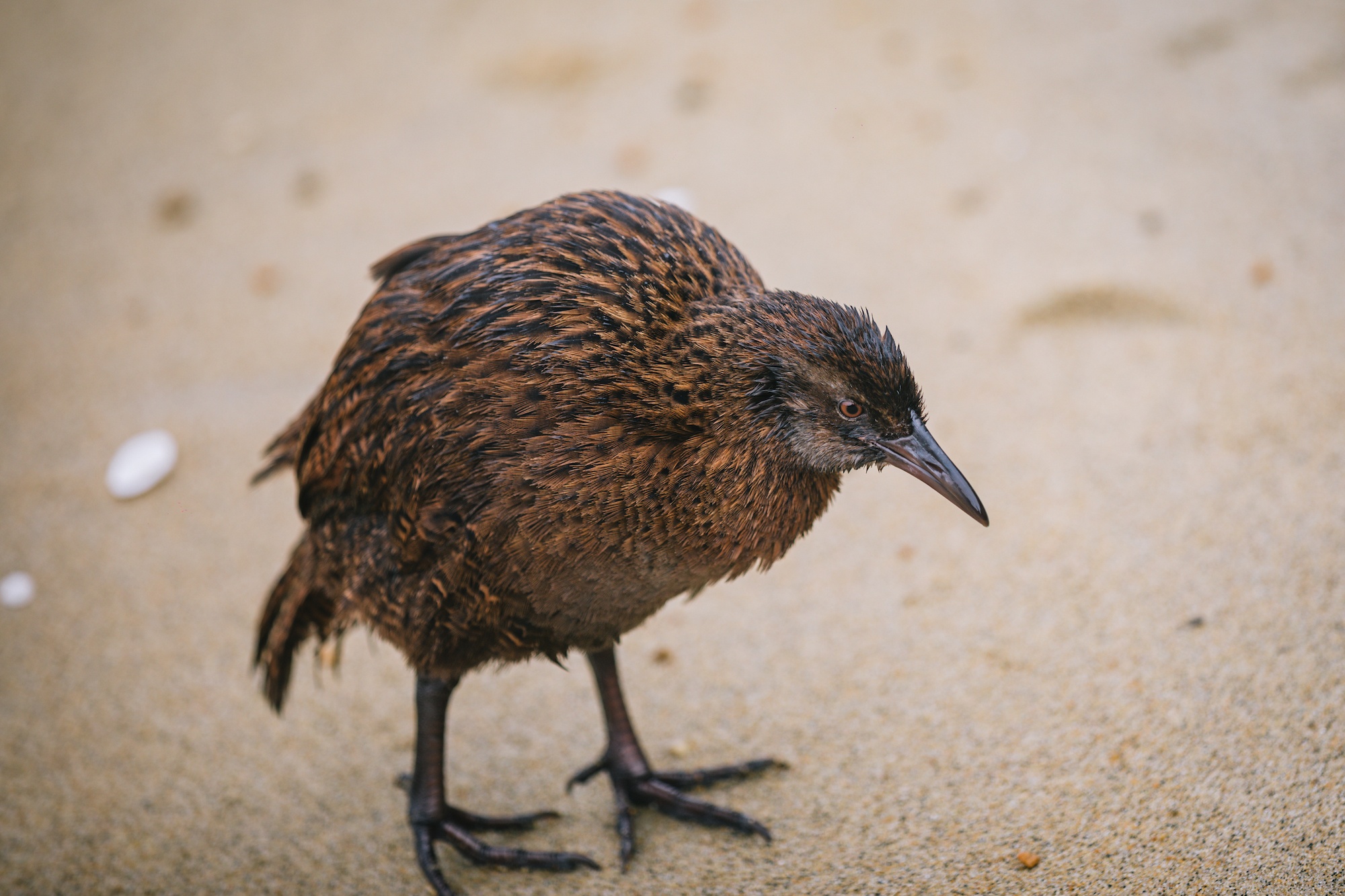
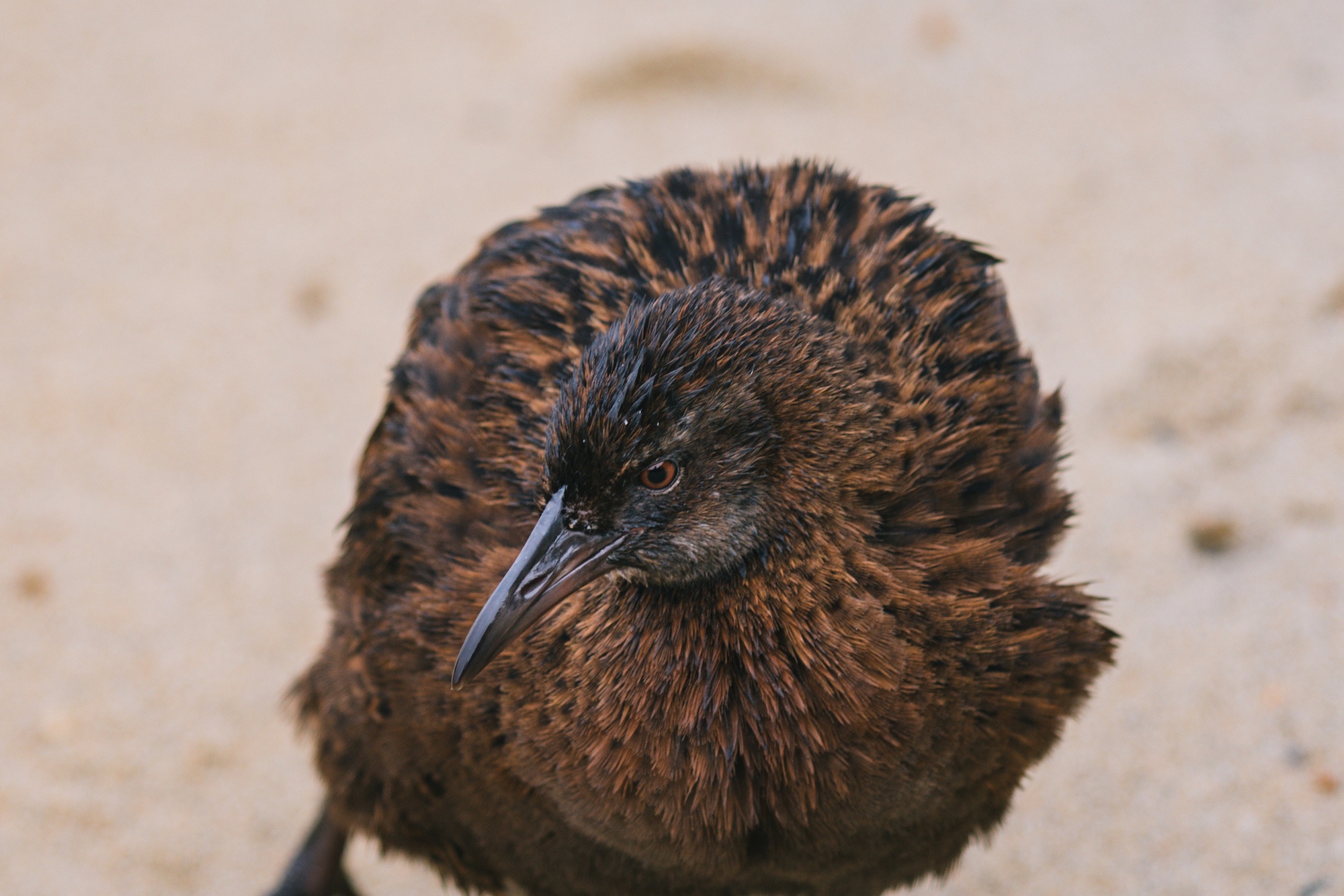
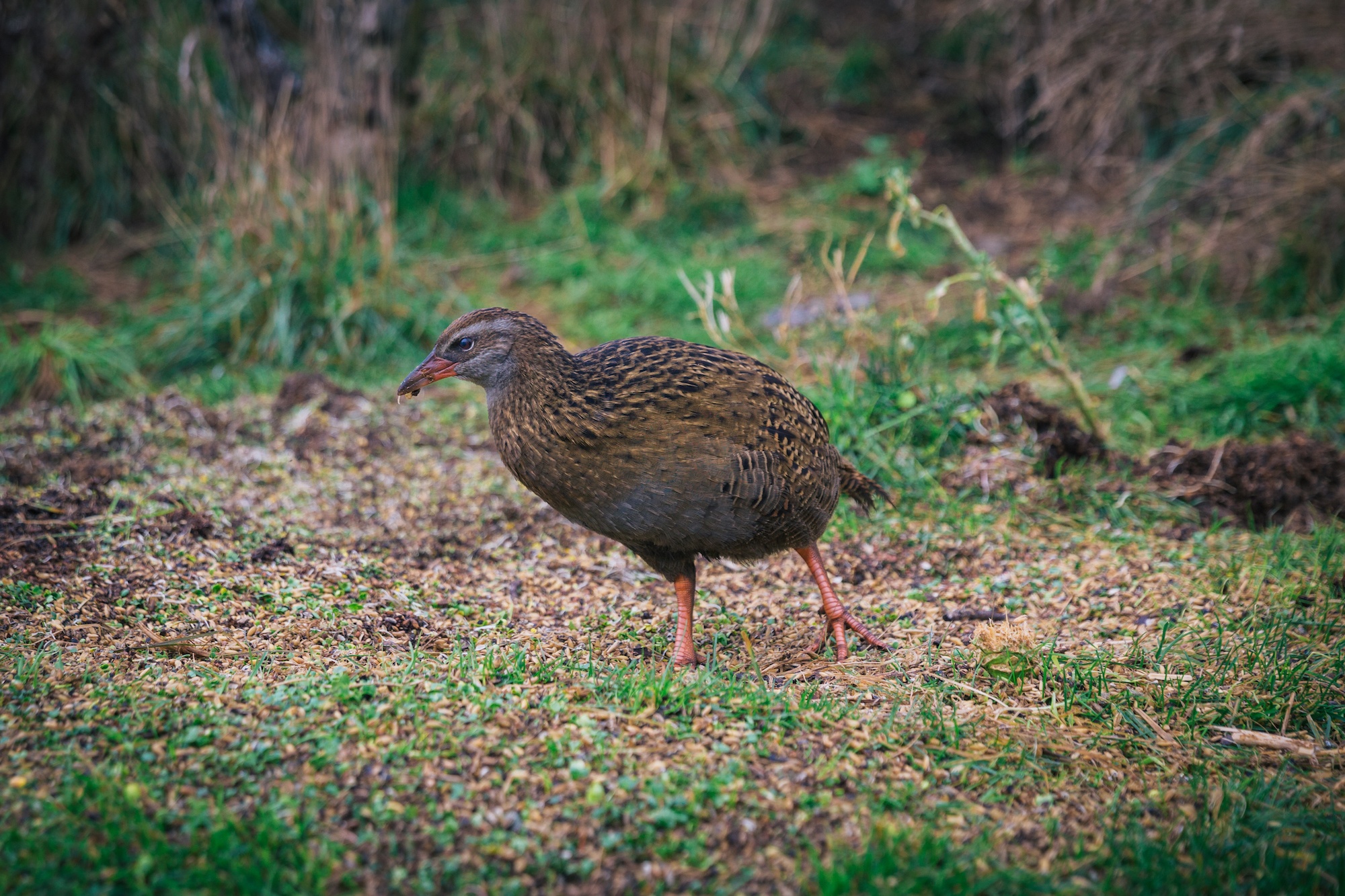
The weka is a sturdy, heavily built terrestrial bird characterized by strong legs, a robust bill, and reduced wings that render it entirely flightless. Weighing anywhere from 350 grams to over two kilograms depending on the subspecies and sex, weka often present a distinctly spherical silhouette. Their plumage varies significantly across the four recognized subspecies—the North Island weka, western weka, buff weka, and Stewart Island weka—ranging from deep chestnut and tawny browns to mottled blacks and grays.

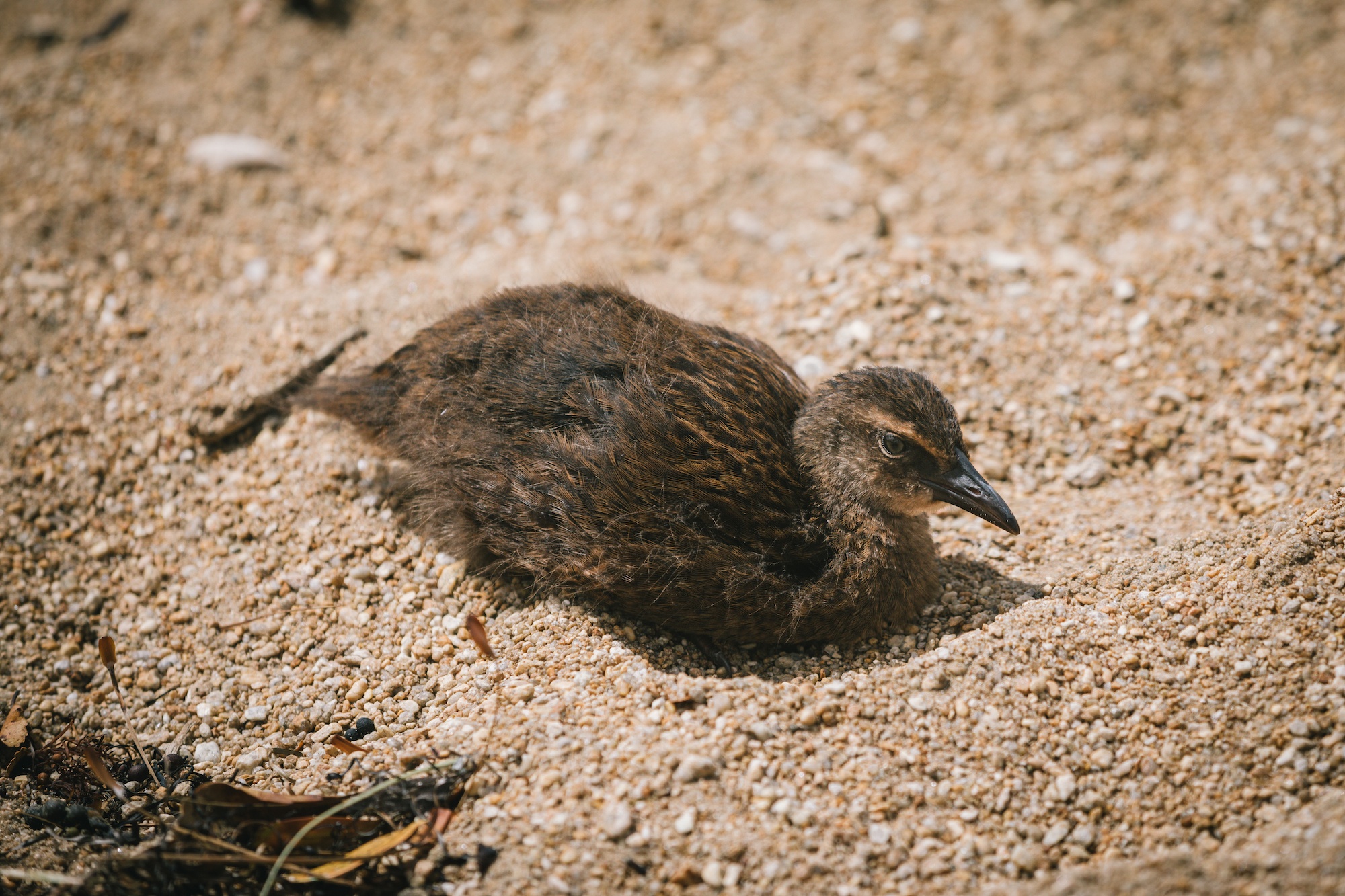
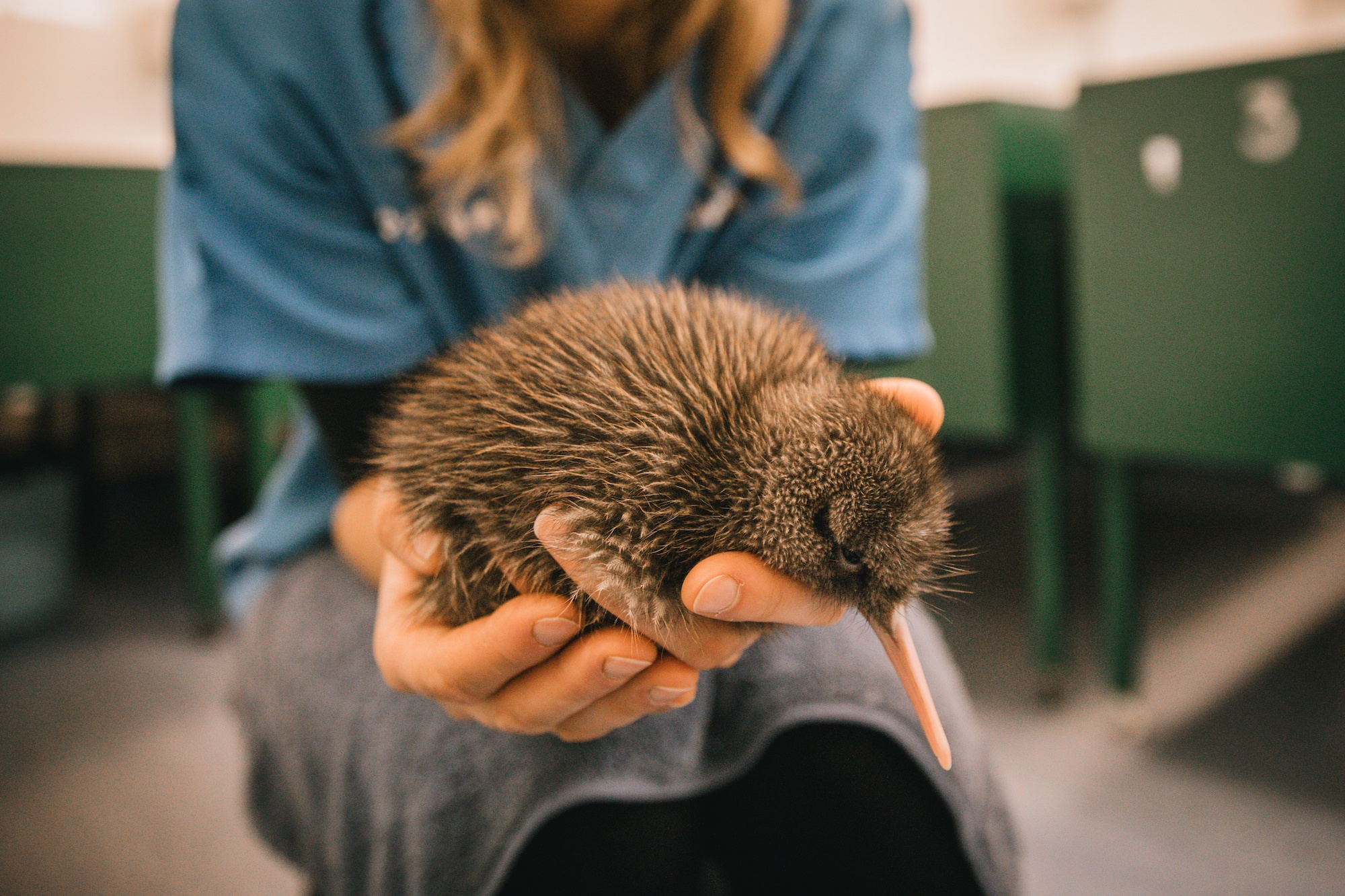
One of their most striking physical features is a pair of intense, piercing red eyes. Coupled with a loud, distinctively raspy call—often likened to a harsh, gravelly chuff—the bird possesses a commanding presence in its natural habitat. Despite lacking the conventional aesthetic appeal of other endemic New Zealand fauna, the weka displays an undeniable charisma, particularly during its fluffy, dark brown chick stage.
Historical Context and Cultural Significance
Long before European settlement altered the ecological fabric of New Zealand, weka held a significant place in Māori culture. Indigenous iwi utilized the bird as an essential resource for sustenance, gathering its meat, utilizing its rendered oil for preservation and medicinal purposes, and employing its feathers in traditional weaving and garments.
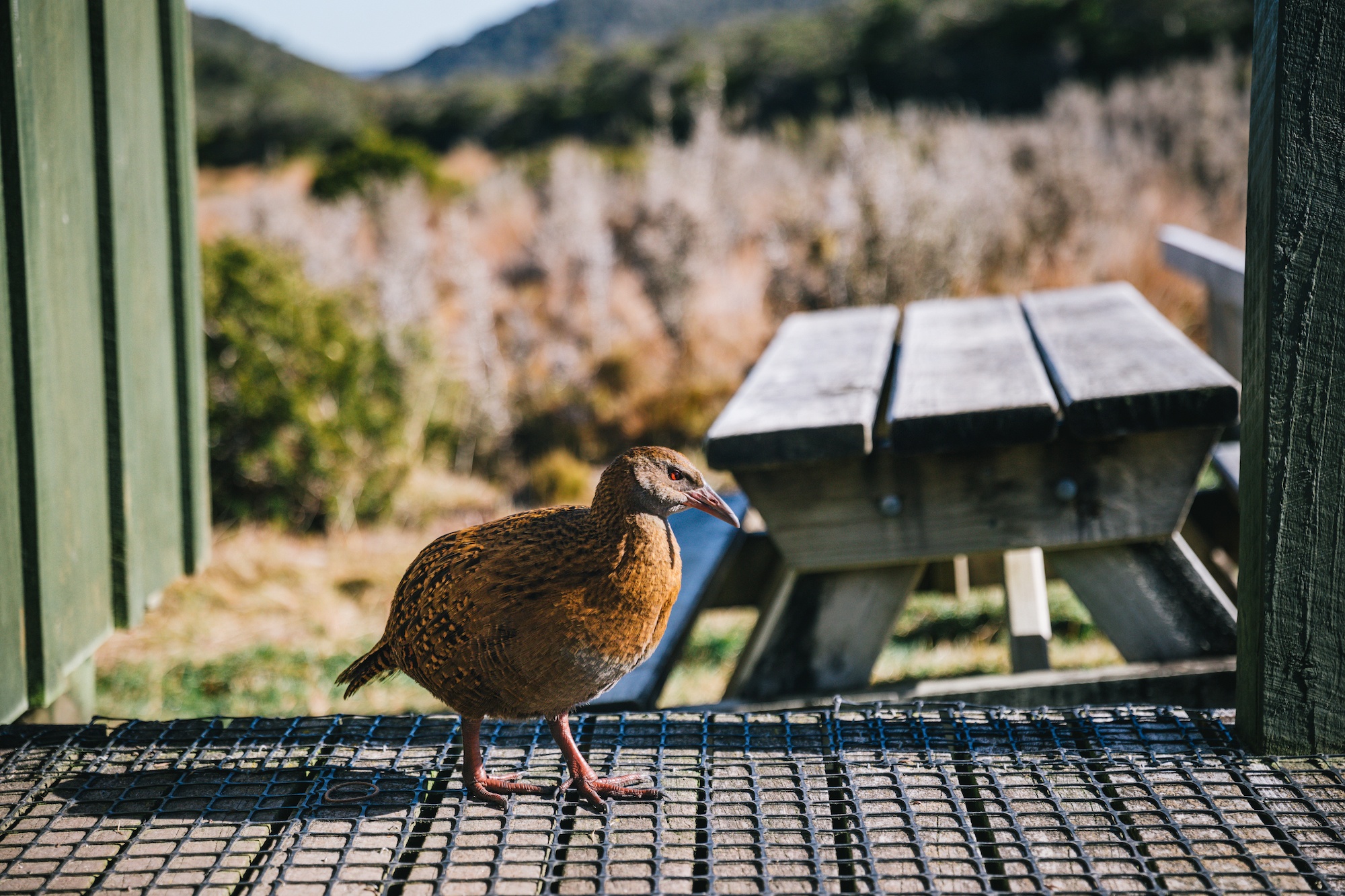
Early European explorers and settlers frequently documented encounters with the species in their journals, noting both its inquisitive, bold nature and its notorious penchant for thievery. Accounts from the 19th century highlight the bird’s inclination to scavenge shiny objects, tools, and food supplies from camps and homesteads, establishing a long-standing pattern of interaction between human settlements and weka populations.

Ecological Role: Predator, Scavenger, and Competitor
Unlike many of New Zealand’s native species, which suffered catastrophic declines following the introduction of mammalian predators, weka have demonstrated a remarkable capacity to adapt and persist. Their diet is exceptionally diverse, consisting primarily of invertebrates, fruit, small lizards, carrion, and shoreline marine life.
Crucially, weka act as both beneficial controllers of introduced pests and formidable competitors within local ecosystems. They readily prey upon introduced rodents, rabbits, and mice, providing a natural pest-management service. However, their opportunistic diet also includes the eggs, chicks, and vulnerable juveniles of other native bird and lizard species. This predatory behavior places them in direct conflict with intensive conservation initiatives.
Consequently, weka are frequently excluded from offshore predator-free islands and high-security mainland eco-sanctuaries. Conservation managers carefully weigh the benefits of weka reintroductions against the potential risks they pose to rarer, more vulnerable endemic fauna. This paradoxical status—being a protected native species that nevertheless acts as a localized apex predator—underscores the complex management challenges facing New Zealand’s Department of Conservation (DOC).

Conservation Status and Regional Threats
Under current New Zealand wildlife legislation, mainland weka populations enjoy full legal protection. Nevertheless, the species faces a complex array of modern anthropogenic and environmental pressures. While certain regional populations experience rapid population booms, others suffer sudden declines due to habitat fragmentation, vehicular strikes on rural roads, food scarcity, and ongoing mammalian predation.
Population distribution across the country remains fluid. In response to fluctuating numbers, the Department of Conservation has periodically implemented recovery and translocation plans aimed at restoring weka to parts of their historical range. These initiatives seek to balance ecological restoration goals with the management of human-wildlife conflicts, particularly in areas where high tourist foot traffic intersects with habituated bird populations.
Human-Wildlife Dynamics and Cultural Controversies
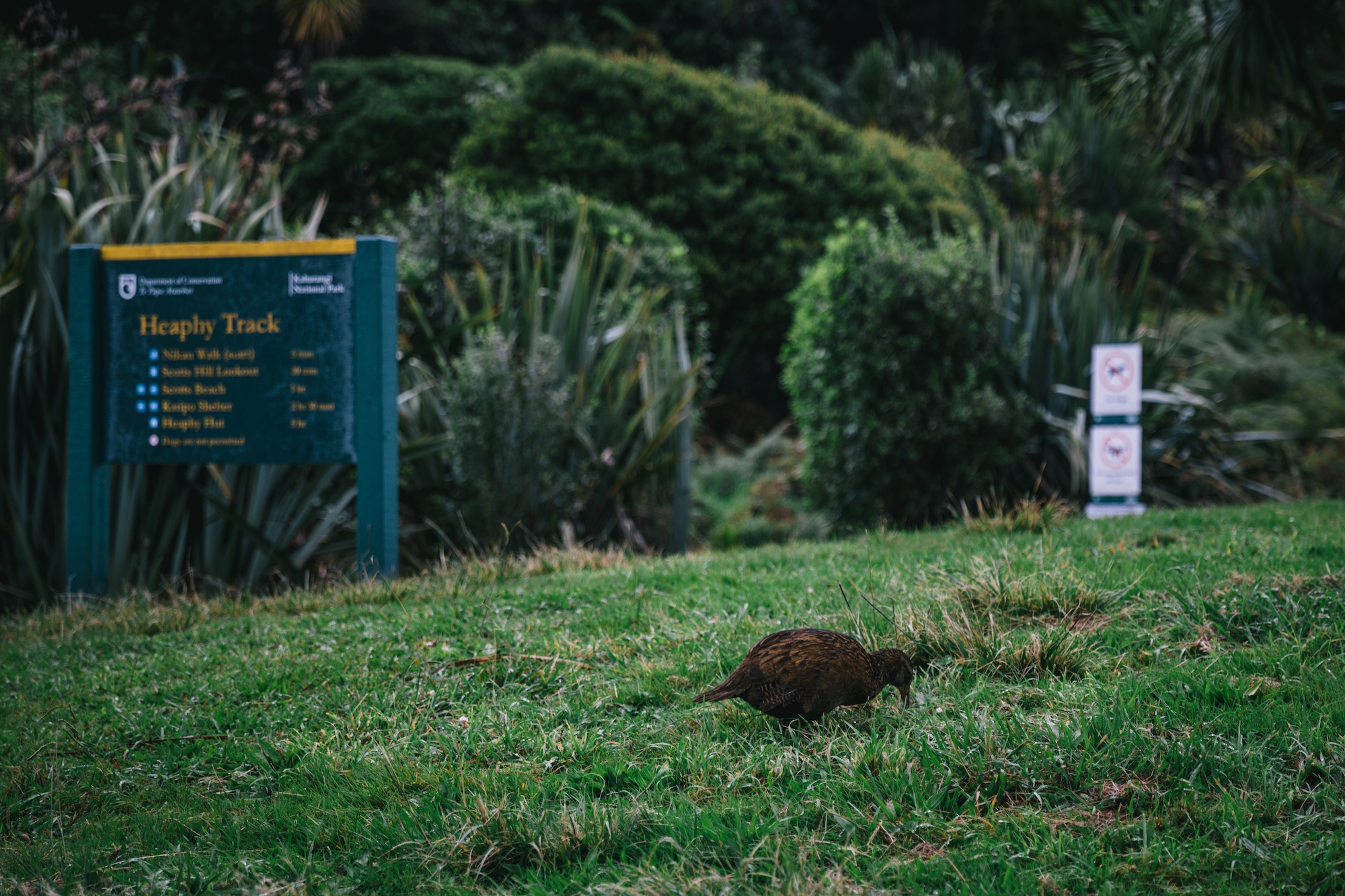
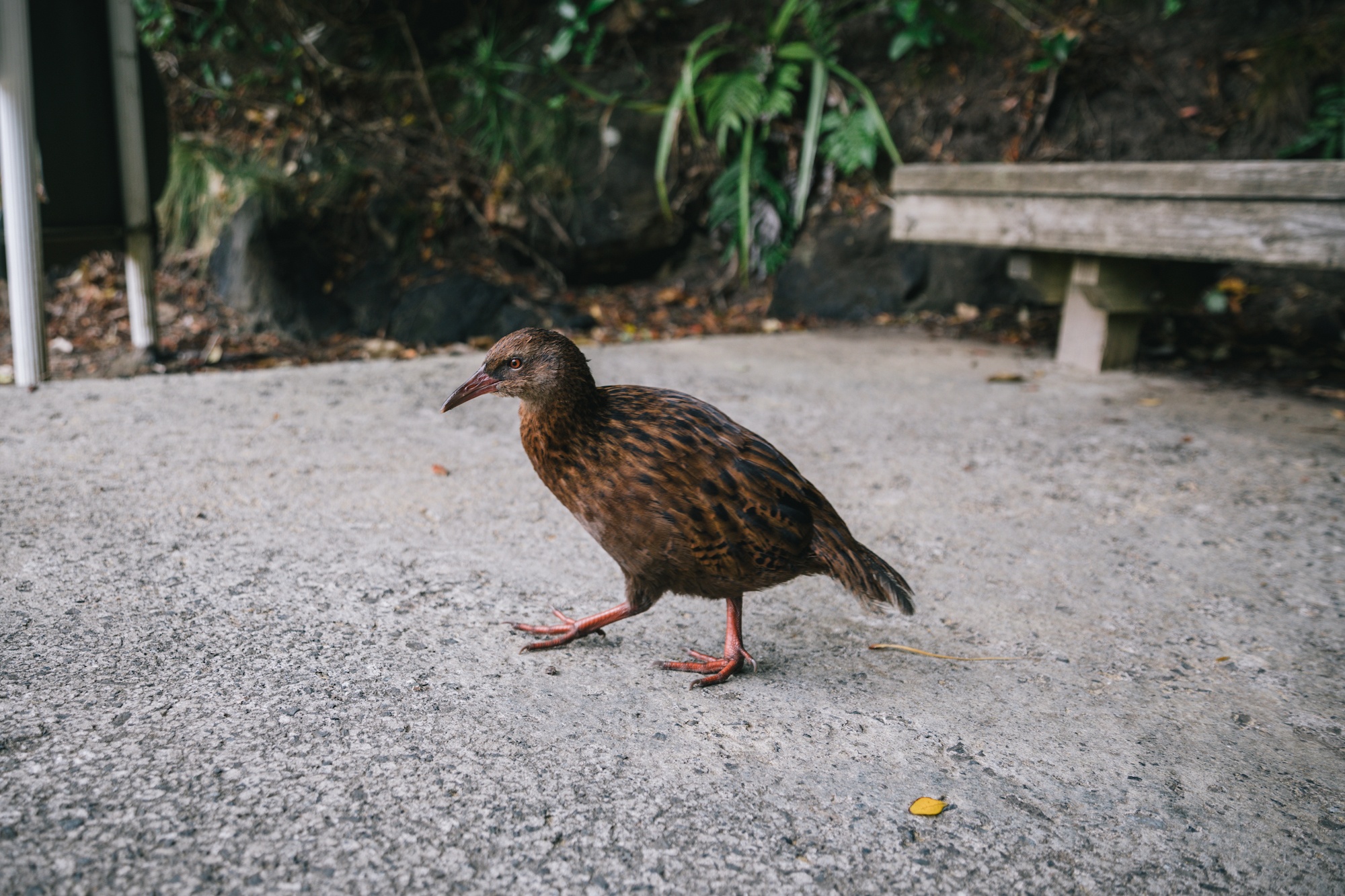
The intersection of weka behavior and human activity regularly generates notable public discourse. In regions frequented by trampers and campers—such as the Heaphy Track on the South Island—weka routinely approach human shelters in search of food. Their persistent foraging tactics and lack of fear frequently result in stolen provisions and memorable encounters for outdoor enthusiasts.

Beyond tourism, the species occasionally occupies a contentious space in rural policy debates. Historical and localized discussions regarding the management—and occasional unauthorized harvesting—of weka have occasionally sparked intense debate. Incidents involving rural landholders challenging regulatory boundaries regarding native bird populations illustrate the complex cultural attitudes toward wildlife management in regional New Zealand.
Implications for New Zealand Conservation Strategy
As New Zealand presses forward with ambitious nationwide conservation targets, such as the Predator Free 2050 initiative, the management of versatile species like the weka offers critical insights into broader ecological restoration. The bird’s ability to thrive outside strict sanctuary walls demonstrates that resilience is possible within modified landscapes, provided basic habitat and food sources remain intact.

Ultimately, the weka occupies a unique space in the national consciousness. Bridging the gap between vulnerable endemic species and adaptable generalists, the bird remains an enduring symbol of untamed spirit within New Zealand’s wilderness. Whether viewed as an opportunistic nuisance by campers or a tenacious survivor by ecologists, the weka continues to command attention as an irreplaceable component of the country’s natural heritage.
Related posts: