The Essential Guide to Selecting the Best Baby Sun Hats for Maximum UV Protection and Safety

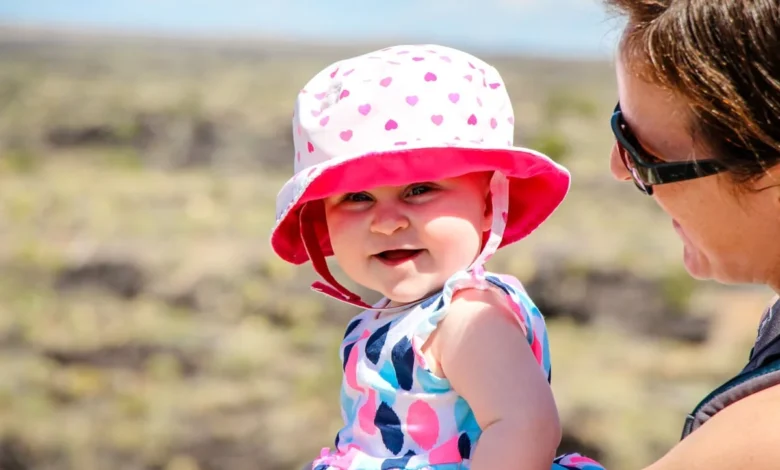
Sun exposure represents a significant health consideration for parents of infants and toddlers, particularly as global temperatures rise and ultraviolet (UV) radiation levels intensify. Because an infant’s skin contains significantly less melanin than an adult’s, they are uniquely susceptible to UV-induced damage, which can lead to severe sunburns and increase the long-term risk of skin cancer. Experts at the Skin Cancer Foundation and the Food and Drug Administration (FDA) emphasize that for infants under six months of age, physical barriers—such as protective clothing and shade structures—are the primary and recommended defense against sun exposure, as the use of chemical or mineral sunscreens is generally discouraged for this age group.
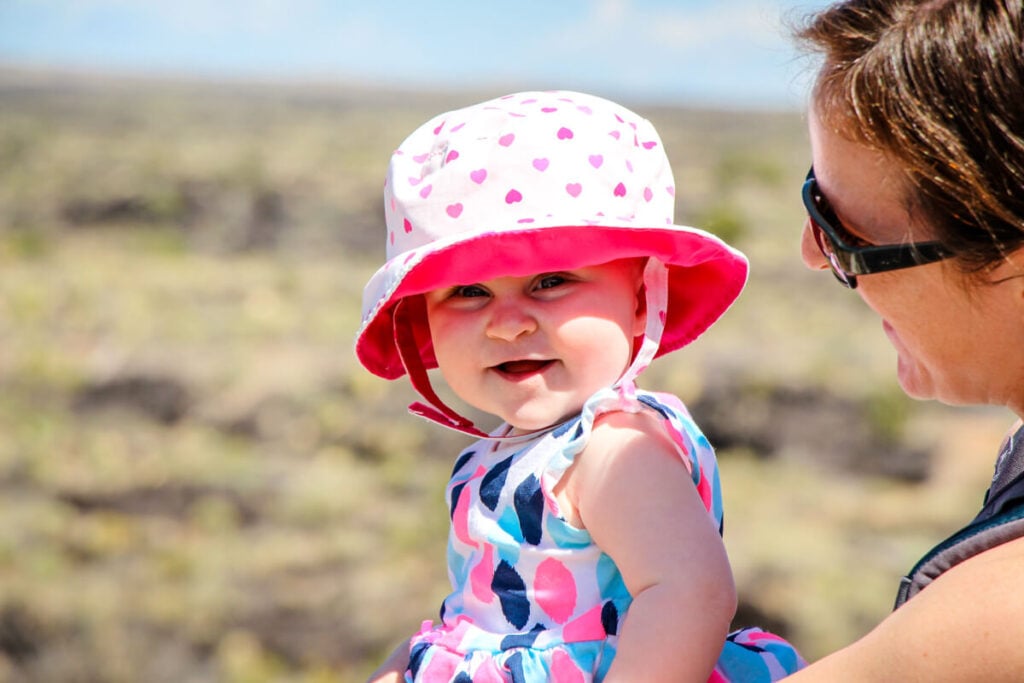
The selection of a high-quality, functional sun hat serves as a critical component of any comprehensive infant sun protection strategy. While strollers, beach tents, and hiking carriers provide essential overhead coverage, these environments do not offer total protection, necessitating the use of specialized headwear that remains secure during outdoor activities.

The Science of Pediatric UV Protection
The biological necessity for protective headwear is grounded in the anatomy of an infant. Newborns and infants have a thinner epidermis and a less developed protective barrier, making them highly sensitive to solar radiation. UV rays are classified into UVA and UVB spectrums; both contribute to skin damage. Pediatric dermatologists note that even brief, incidental exposure during daily activities can cause lasting cellular changes.
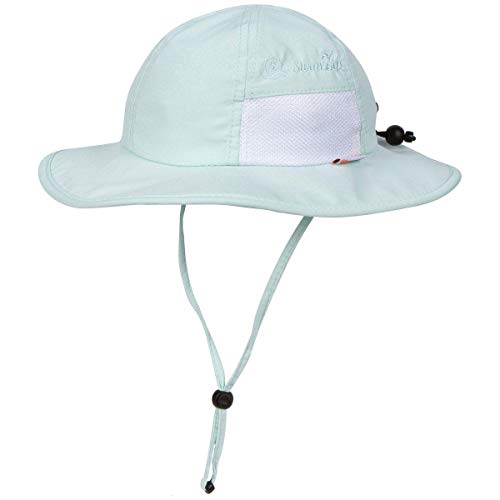
According to guidelines issued by the American Academy of Pediatrics (AAP), the most effective hats for infants feature a wide brim of at least three inches, which provides consistent coverage for the ears, nose, and back of the neck. When a hat is chosen, parents are encouraged to prioritize products that offer Ultraviolet Protection Factor (UPF) 50+ fabric. This rating indicates that the material allows less than 2% of the sun’s UV radiation to penetrate, effectively blocking 98% of harmful rays.

Criteria for Optimal Infant Headwear
Selecting the appropriate gear requires an evaluation of design, utility, and safety features. Market-leading products typically incorporate specific engineering elements to address the needs of active families:

- Material and Breathability: High-performance sun hats utilize lightweight, moisture-wicking fabrics. Synthetic blends or specialized performance polyesters are preferred over heavy cotton, as they facilitate the evaporation of sweat, which is vital for thermoregulation in children who cannot yet effectively manage their own body temperature.
- Adjustability: Because head circumference varies widely among children of the same age, hats with internal drawstrings or toggle-based adjustment systems allow for a customized fit that can extend the lifespan of the product as the child grows.
- Retention Systems: A persistent challenge for parents is ensuring the hat remains on the infant. Adjustable chin straps are standard, but the most sophisticated designs now include a "breakaway" safety fastener. This feature is designed to release under pressure, mitigating the risk of choking while ensuring the hat stays in place during windy conditions or active play.
- Coverage Geometry: The presence of a "neck flap" or "cape" is increasingly recognized as a superior design feature. By extending fabric down the back of the neck, these hats provide a continuous barrier against direct sunlight, even when the child is looking upward or moving in a carrier.
Market Analysis: Leading Product Categories
The current market for infant sun protection has evolved to include specialized categories tailored to specific environments:
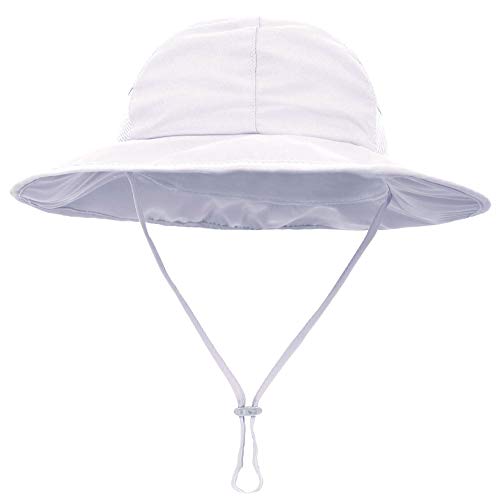
- Adventure and Daily Use: Brands such as Jan & Jul have popularized "grow-with-me" designs. These models often feature internal adjustment mechanisms that accommodate multiple growth stages, making them a cost-effective choice for long-term use.
- Water-Specific Gear: For aquatic environments, such as swimming pools or coastal areas, manufacturers like SwimZip focus on chlorine-resistant and salt-resistant materials. These hats are designed for rapid moisture drainage and quick drying, preventing the heavy, water-logged sensation that often leads to infant discomfort and subsequent removal of the headwear.
- Infant-Specific Ergonomics: The Sunday Afternoons SunSprout hat is frequently cited for its suitability for children under 12 months. Its design omits a rigid rear brim, which is a strategic choice for stroller-bound infants, as it prevents the brim from pushing the hat forward when the child is leaning back against a headrest.
- Budget-Conscious Solutions: Brands like SimpliKids demonstrate that advanced features—such as UPF 50+ ratings and breakaway chin straps—are accessible at lower price points, provided the consumer remains diligent about verifying the technical specifications in product descriptions.
Regulatory and Health Context
The FDA advises that until a child reaches six months of age, parents should strictly avoid direct sunlight during peak hours (typically 10:00 a.m. to 4:00 p.m.). When outdoor exposure is unavoidable, the "cover-up" method—utilizing wide-brimmed hats, long-sleeved UPF-rated clothing, and shade—is the only medically endorsed method of protection.

The integration of these habits into a family’s travel routine is essential. For parents who frequently travel or engage in outdoor activities, the recommendation is to treat the sun hat as a non-negotiable item on the packing list, similar to a diaper bag or essential documents. The portability of modern, packable hats—which can be folded or rolled without losing their shape—minimizes the logistical burden on traveling parents.

Broader Implications for Child Development and Safety
The decision to invest in high-quality sun protection reflects a broader shift toward proactive pediatric health management. As environmental factors change, the reliance on passive, physical protection is becoming a standard of care. Furthermore, early exposure to sun protection rituals helps children acclimate to wearing gear, which can prevent future resistance to hats and sunglasses as they transition into toddlerhood.

Beyond the hat itself, parents are encouraged to maintain a holistic view of sun safety. This includes the use of infant-safe, mineral-based sunscreens (zinc oxide or titanium dioxide) once the child reaches the six-month threshold, and the utilization of polarized sunglasses to protect the developing retina from UV-induced cataracts later in life.

Conclusion: A Strategic Approach
Selecting the best sun hat for an infant is not merely a matter of aesthetics; it is a calculated health decision. By prioritizing coverage, breathability, and secure retention systems, parents can significantly reduce the cumulative UV damage to their child’s skin. As the industry continues to refine these products, the focus remains on combining technical efficacy with the practical realities of parenting, ensuring that children can safely explore the outdoors while maintaining the highest possible standards of protection. Through informed selection, families can build a robust defense that supports a lifetime of healthy outdoor habits.