The Art of the Archive: Christie’s Unveils a Landmark Louis Vuitton Collection at Auction

For decades, Louis Vuitton has functioned not merely as a fashion house, but as a bridge between the rigid traditions of luxury trunk-making and the fluid, disruptive world of contemporary fine art. This cultural synergy is reaching a new zenith this winter as Christie’s prepares to host Scarcity & Infinity: An Important Collection, an unprecedented auction event featuring more than 100 rare Louis Vuitton artist collaboration pieces across 88 distinct lots. The collection, sourced from a single private consignor, serves as a comprehensive retrospective of the maison’s evolution from a purveyor of travel luggage to a curator of wearable sculpture.
The Evolution of the Collaborative Vision
The history of Louis Vuitton’s creative partnerships is rooted in the early 2000s, a period defined by the daring vision of then-artistic director Marc Jacobs. Tasked with revitalizing the house’s iconic monogram, Jacobs sought to dismantle the formality of the brand’s heritage by inviting contemporary artists to deconstruct the house’s most recognizable symbols.
The strategy was, at the time, radical. In 2001, the collaboration with Stephen Sprouse—the downtown New York designer and artist—marked a turning point. By overlaying the classic monogram with neon graffiti, Jacobs signaled a transition into the 21st century. This move was not merely aesthetic; it was a structural shift that prioritized cultural relevance over the preservation of static tradition.

Max Brownawell, Christie’s head of department for handbags and accessories, notes that the success of these early endeavors was predicated on deep personal relationships. "Marc Jacobs’s relationship with Stephen Sprouse stretched back to the 1980s, when Jacobs observed Sprouse’s downtown fashion shows assembling artists and designers in a new milieu of culture," Brownawell explains. "When he took the reins at Louis Vuitton, he wanted to disrupt the monogram while honoring the house’s history. The 2001 graffiti collection was his way of dragging the LV trunk into the modern era. The personal connection between the designer and artist was the spark that made this first collaboration so successful and impactful."
Chronology of Creative Intersections
The trajectory of these collaborations can be traced through several defining moments that have fundamentally altered the landscape of luxury goods:
- 2001: The debut of the Louis Vuitton x Stephen Sprouse Graffiti collection, which established the blueprint for future artist partnerships.
- 2003: The partnership with Takashi Murakami, which introduced the Multicolore Monogram, a vibrant departure from the brand’s traditionally muted palette.
- 2008: The debut of the Monogramouflage collection, again in collaboration with Murakami, which combined the house’s most famous print with military-inspired aesthetics.
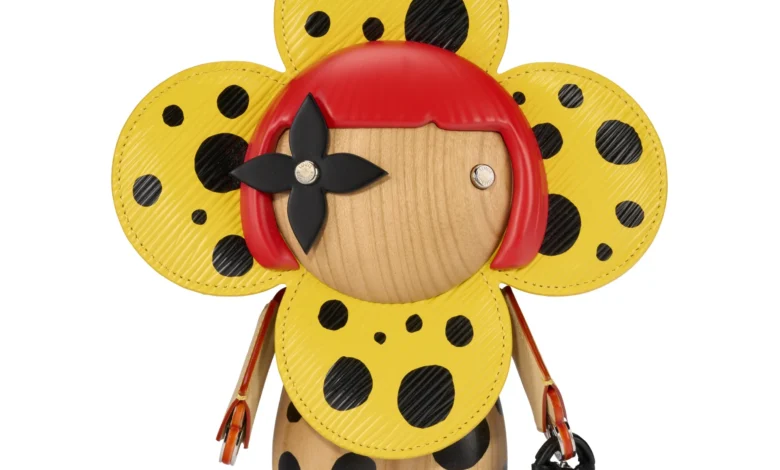
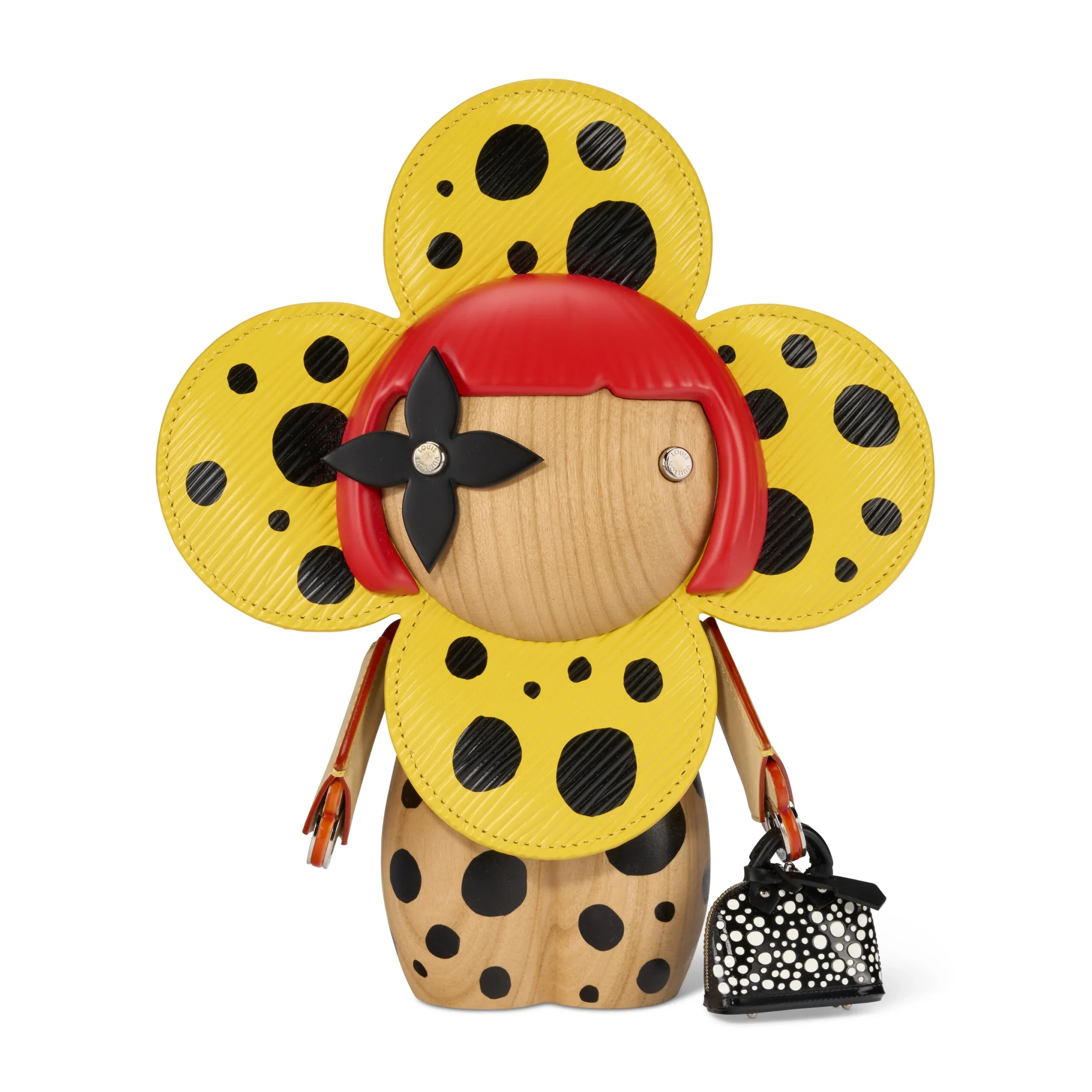
- 2012: The Yayoi Kusama collection, which utilized the artist’s signature "Infinity Dots," marking a deeper integration of fine art concepts into accessory design.
- 2019–Present: The launch of the Artycapucines series, an ongoing project where artists are given total creative freedom to reinterpret the iconic Capucines handbag, resulting in limited-edition pieces that function as legitimate works of art.
Analysis of the Collection: Scarcity & Infinity
The upcoming Christie’s auction, Scarcity & Infinity, is not simply a sale of vintage handbags; it is a catalog of artistic experimentation. The collection includes pieces that highlight the technical ingenuity required to bridge the gap between traditional leatherworking and avant-garde sculpture.
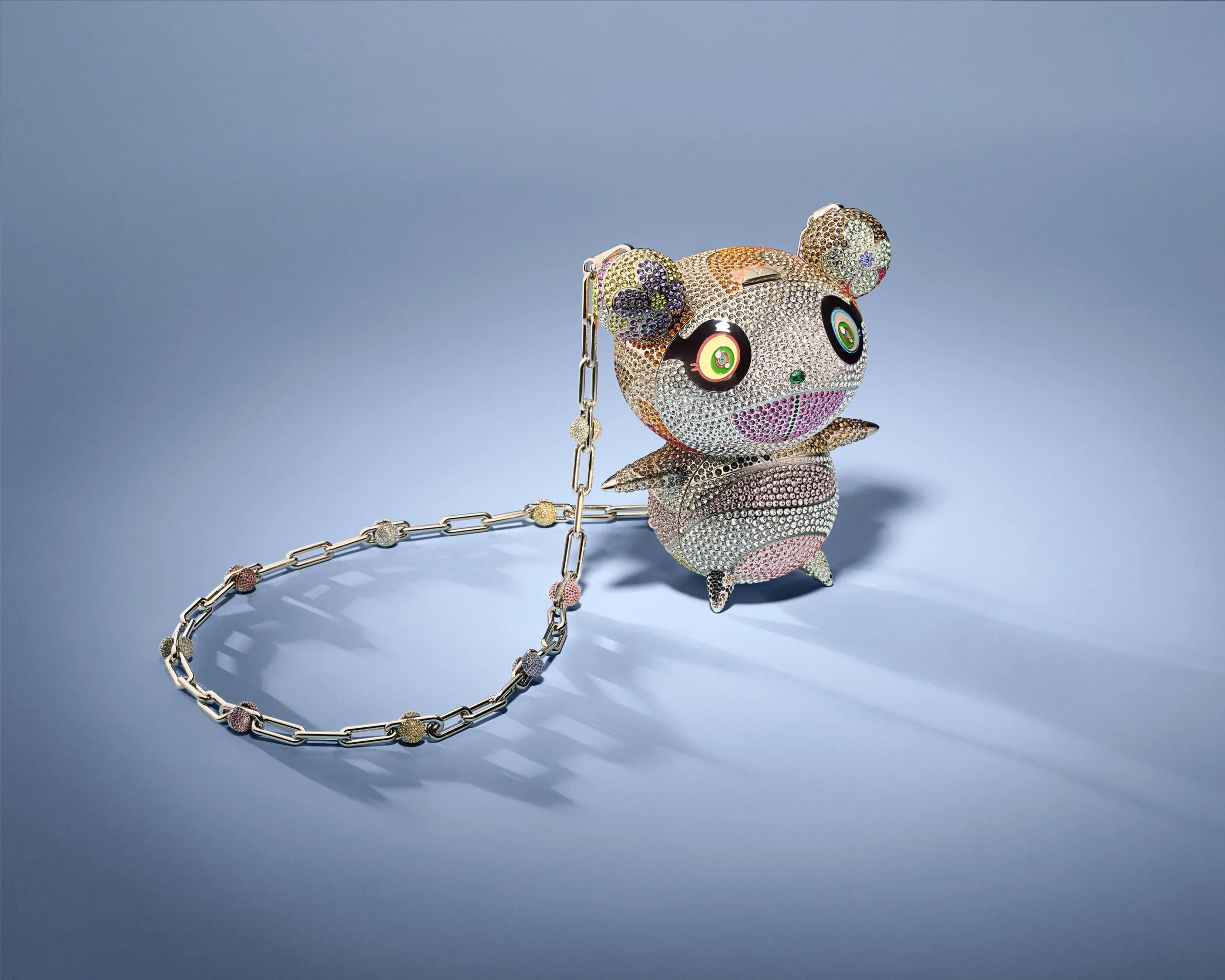
Among the standout items is the Artycapucines Crystal Panda clutch by Takashi Murakami, a piece that carries an estimated value of $20,000 to $30,000. Encrusted with over 6,000 individual Swarovski crystals, this item represents the absolute upper limit of the house’s production capabilities. Only 130 of these models were ever produced, cementing their status as rarities in the secondary market.
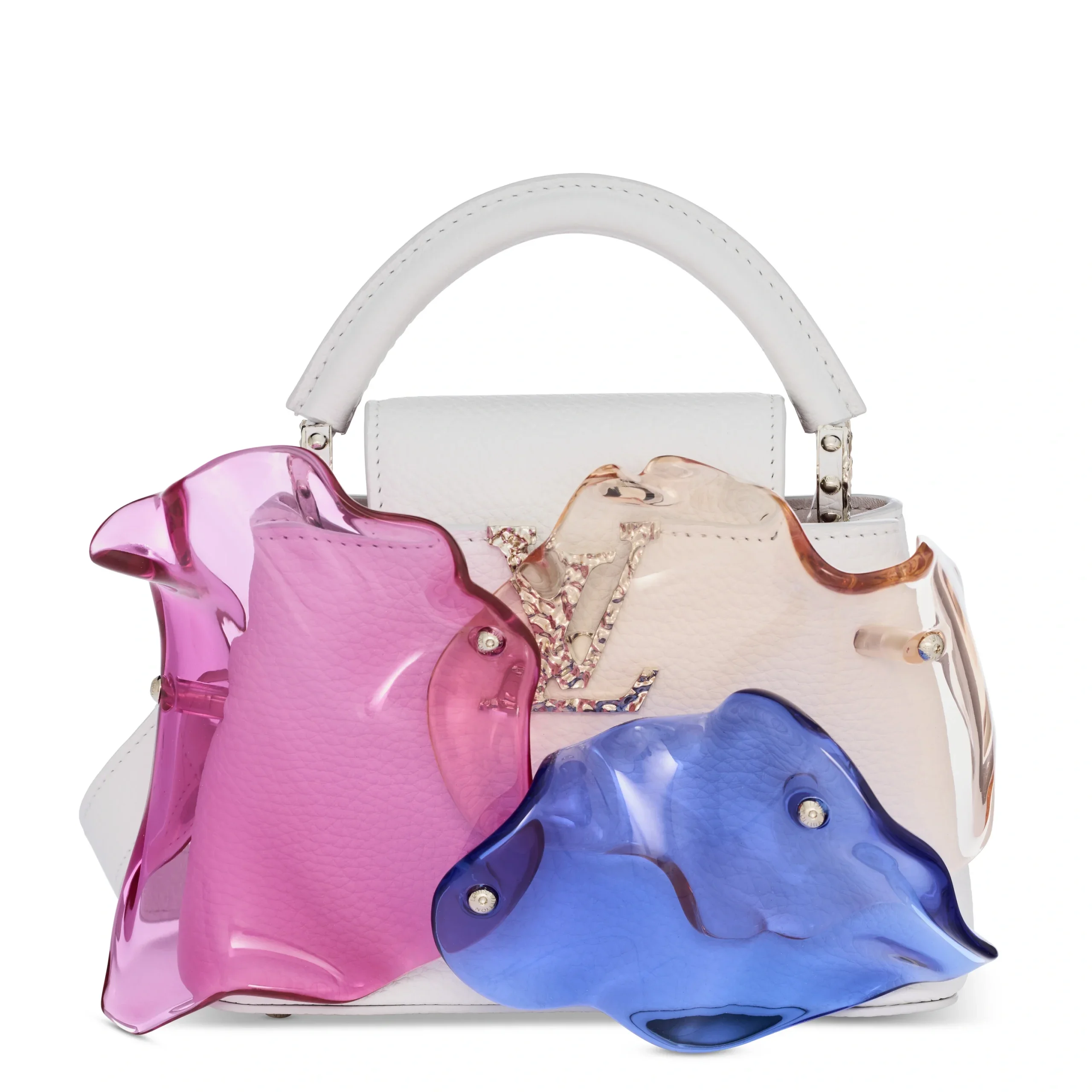
Equally significant is the inclusion of a limited-edition yellow and black monogram leather pumpkin bag by the late Yayoi Kusama, with an estimated valuation between $8,000 and $10,000. Additionally, the collection features a metallic bear clutch by architect Frank Gehry, inspired by his 2014 sculpture Bear With Us. Such items, which command high premiums at auction, demonstrate how the intersection of architecture, fine art, and luxury manufacturing creates assets that function as both personal accessories and investment-grade collectibles.
The Institutional Shift in Luxury Collecting
The perception of luxury handbags has undergone a seismic shift over the last fifteen years. Once viewed primarily as functional consumer goods, these items are now analyzed with the same rigor as paintings, sculptures, or high-end horology.
"It is becoming increasingly common to view exceptional handbags such as these as works of art, especially when they are designed by well-established artists," says Brownawell. "Many collectors of Murakami or Kusama will love and cherish the bags and accessories they designed as tangible and wearable touchpoints of their artistic careers. Masterpieces by these artists are in museums—but their bags could be in your hands."
This transition is supported by the data of recent secondary market performance. According to industry reports on luxury asset classes, artist-collaboration handbags from major houses have outperformed traditional S&P 500 growth in specific five-year windows, particularly when the provenance is tied to significant artistic movements or limited-production runs. The "rarity factor"—defined by the number of units produced and the historical significance of the collaboration—acts as a hedge against the depreciation typically associated with consumer fashion.
The Role of the Artist in Luxury Construction
A central theme in this auction is the blurring of boundaries between the artisan and the fine artist. When Frank Gehry or Takashi Murakami engages with the Louis Vuitton atelier, the product is no longer defined by its utility as a handbag. Instead, it becomes a vessel for the artist’s philosophy.
Brownawell emphasizes this point: "In the same way John Chamberlain changes the way we think about scrap metal, or Andy Warhol changed the way we think about soup cans, artists like Kusama, Gehry, and Murakami can make us question the role of a handbag, what it could be, how it can be constructed, and what it can represent."
For collectors, the interior of these bags is often as significant as the exterior. During his curation of the Scarcity & Infinity sale, Brownawell frequently pointed to the hidden details—the lining, the hardware, and the craftsmanship—that distinguish these limited editions from mass-market luxury products. He encourages potential bidders to inspect these elements, noting that they often contain subtle, charming flourishes that reflect the artist’s personal touch.
Auction Logistics and Exhibition Details
The significance of this collection has necessitated a high-profile exhibition schedule. The lots will be on public display at Christie’s New York during the house’s pre-sale exhibition of 20th- and 21st-century art, running from November 7 to November 17. This placement alongside fine art masterworks further underscores the house’s intent to position these accessories within the broader art market.
The auction itself will take place as part of the Handbags & Fashion: The New York Edit online sale. Bidding is scheduled to open on November 25, with the final gavel falling on December 10. By hosting this event during the height of the winter auction season, Christie’s is signaling that the market for collectible fashion has reached a level of maturity that demands the same prestige as the traditional fine art market.
Future Implications for the Luxury Sector
As the luxury market continues to consolidate, the reliance on high-concept artist collaborations is likely to intensify. Louis Vuitton’s success in this arena suggests that the future of brand loyalty lies in the ability to offer clients a stake in the cultural zeitgeist. By transforming the handbag into a canvas, the house ensures that its products remain relevant to a new generation of collectors who prioritize intellectual property, rarity, and artistic pedigree.
The Scarcity & Infinity collection acts as a benchmark for this strategy. It provides a historical record of what happens when a global fashion entity grants its resources to the world’s most influential creative minds. For the successful bidders, the acquisition of these lots will represent more than a fashion statement; it will be an investment in a specific moment of art history, captured in leather, metal, and canvas. Whether these items are destined for a private archive or a curated display, their presence in the auction room marks an important milestone in the ongoing dialogue between luxury commerce and the fine arts.