The Essential Guide to Optimizing Travel Gear for Long-Term Expeditions and Modern Tourism

The modern landscape of travel has undergone a significant transformation over the past decade, driven by the rise of the digital nomad economy and the increasing accessibility of compact, high-performance technology. As global tourism data indicates that travelers are increasingly opting for carry-on-only logistics to navigate congested airports and reduce transit friction, the importance of strategic packing has reached a critical inflection point. Achieving efficiency while maintaining comfort requires a disciplined approach to selecting equipment that serves multiple functions.

The Evolution of Minimalist Travel Logistics
For over a decade, professional travelers have shifted toward the 40-liter backpack standard. This transition is not merely a trend; it is a response to the logistical challenges of international travel, including airline weight restrictions, baggage loss risks, and the physical demands of navigating urban environments. Research from aviation industry analysts suggests that checked baggage remains the primary cause of traveler anxiety, with millions of bags mishandled annually. By optimizing gear, travelers mitigate these risks while significantly reducing the overhead costs associated with baggage fees.
Essential Hardware for the Mobile Professional
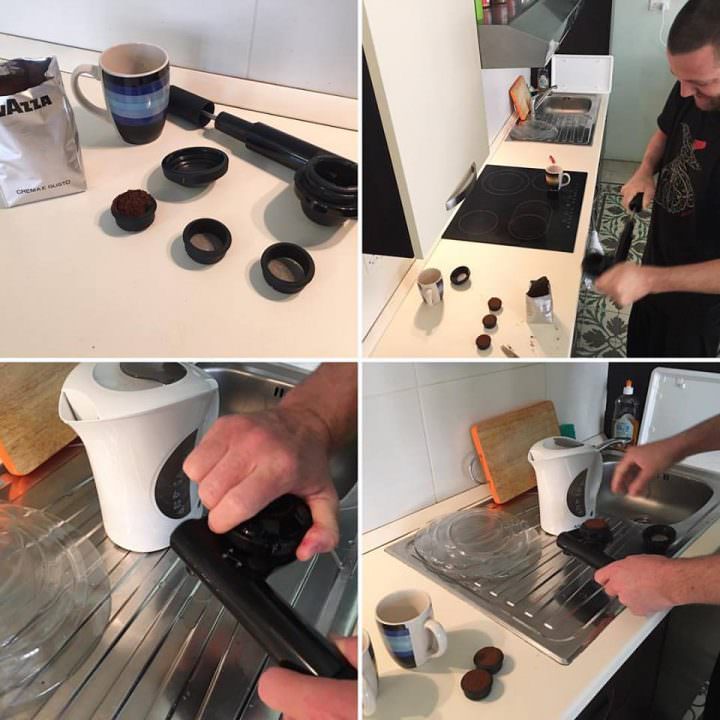
The integration of specialized hardware has become a cornerstone of contemporary travel. Among the most significant advancements is the proliferation of portable espresso technology, such as the Handpresso. For the frequent traveler, this represents a transition from dependency on local infrastructure to self-sufficiency. From a fiscal perspective, the cost-benefit analysis is clear: while a manual espresso pump requires an initial capital investment, the cumulative savings compared to daily café purchases—often exceeding $1,000 annually for frequent travelers—provide a clear return on investment.
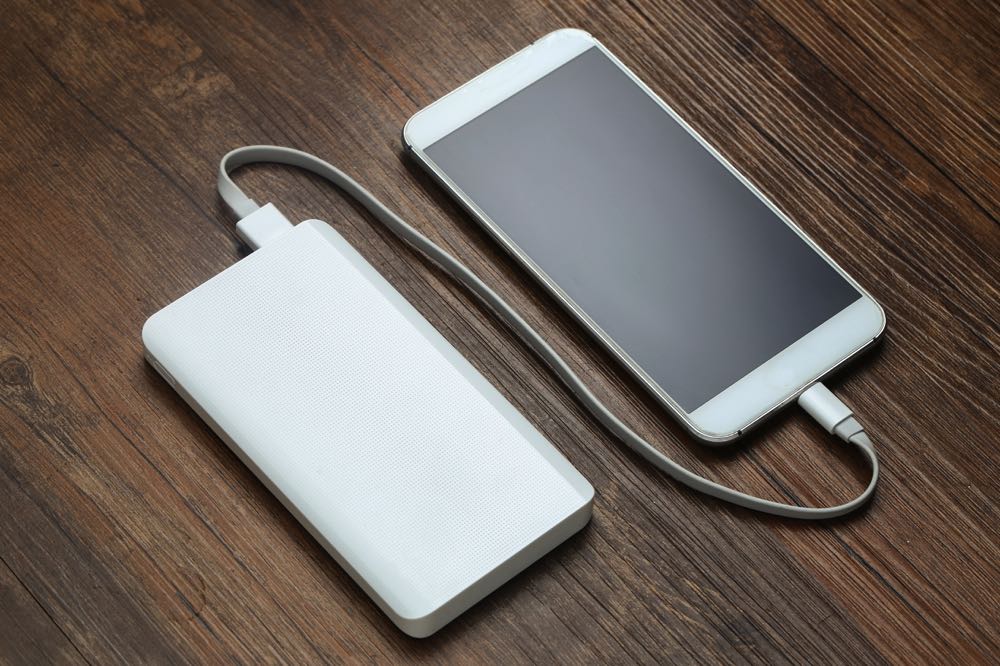
Complementing this are advancements in power management. The global reliance on smartphones and tablets has made the portable power bank an essential safety and utility tool. Current market standards for power banks have evolved to include high-capacity lithium-ion cells with multi-output capabilities, allowing for the simultaneous charging of multiple devices. This is particularly vital in regions with unstable electrical grids, where consistent access to power is not guaranteed.
Enhancing Security and Organizational Efficiency
Security remains a paramount concern for long-term travelers. The adoption of specialized security hardware, such as portable doorstop alarms, addresses the vulnerability inherent in temporary accommodations. These devices, which utilize 120-decibel sirens to deter unauthorized entry, provide an affordable, low-weight solution for travelers staying in hostels or private rentals. This, combined with the use of TSA-approved combination locks, forms a baseline for personal safety and asset protection.
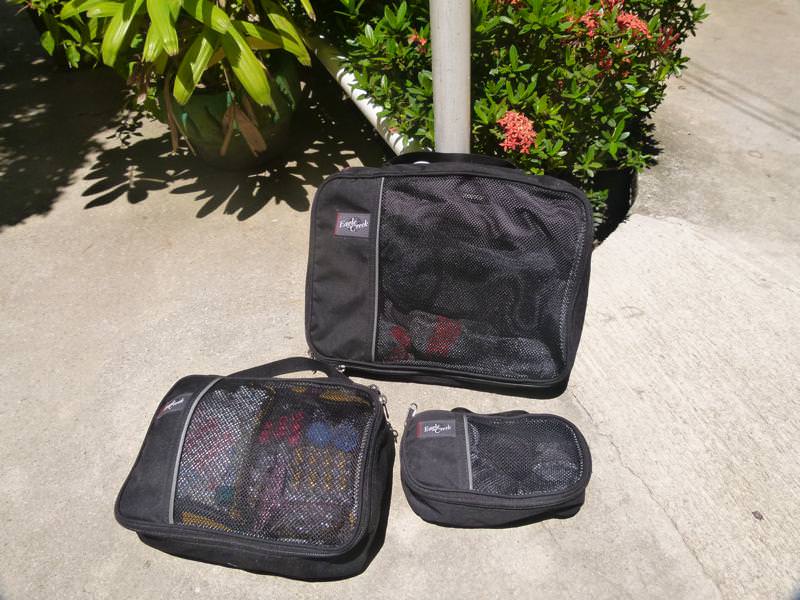
Organizational tools have also seen a technological shift. Compression packing cubes, specifically those constructed from durable, high-denier fabrics, have become the industry standard for space optimization. By utilizing vacuum-sealed or compression-zipper technology, travelers can increase their carry-on capacity by approximately 20% to 30%, a significant margin when working within the strict dimensions mandated by international carriers.
The Role of High-Performance Media Gear
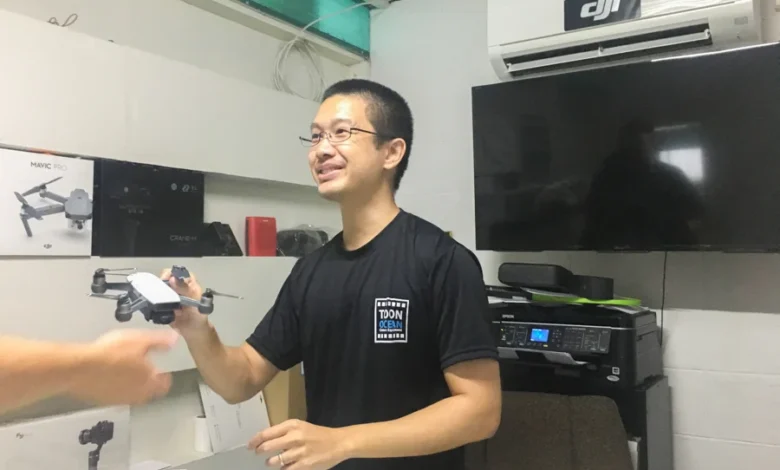
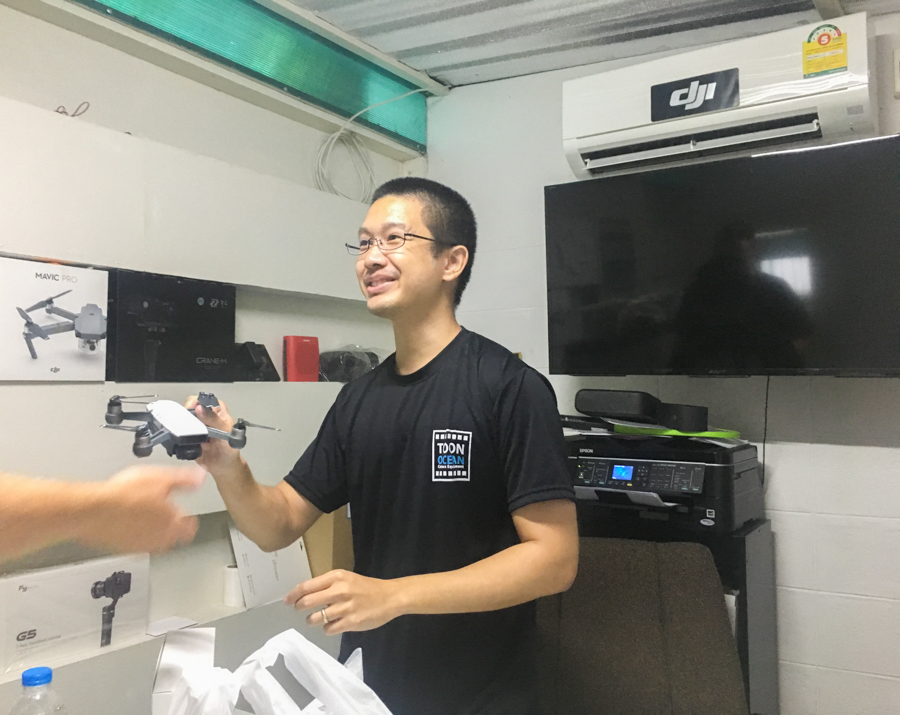
As digital content creation becomes a common byproduct of international travel, the demand for compact, professional-grade media equipment has skyrocketed. The evolution of drone technology—moving from large, complex units like the DJI Phantom series to ultra-portable models such as the Mavic Mini—has democratized aerial photography. These devices now feature 3-axis gimbals and 4K resolution, offering production values that were previously exclusive to high-budget film crews.
Similarly, the camera market has shifted toward high-performance compacts. Devices like the Sony RX100 VII and the Canon G7x series offer professional-grade sensors in a pocket-sized form factor. The implication for travelers is profound: the ability to document experiences with high fidelity without the burden of heavy, delicate DSLR equipment.
Sustainability and Ethical Consumption
A critical shift in the gear industry is the movement toward sustainable materials and ethical manufacturing. Companies like Prana have set a precedent by prioritizing organic cotton, recycled polyester, and Fair Trade certification. For the modern consumer, this is not just an ethical choice but a functional one. Technical apparel designed for both rugged environments and urban settings reduces the total number of items required in a packing list. A single pair of high-quality, versatile trousers can replace three specialized garments, adhering to the principle of "less is more."
Furthermore, the environmental impact of single-use plastics has prompted a widespread shift toward personal water purification systems. The adoption of Steri-Pen technology and high-quality reusable bottles allows travelers to adhere to local health standards while significantly reducing their individual carbon footprint. In many developing regions, this is the only responsible way to consume water without contributing to the massive waste management crises often seen in tourist-heavy destinations.
Health, Hygiene, and Specialized Needs
Maintaining health and hygiene on the road requires a proactive approach. The use of the Diva Cup or similar menstrual products has revolutionized female travel health by eliminating the need for bulky, unreliable supply chains of traditional sanitary products in remote areas. This is a clear example of how modern design has addressed a long-standing logistical pain point for women traveling long-term.
Simultaneously, the development of cordless hair styling tools, such as those from Tymo, reflects a broader trend toward the miniaturization of luxury items. By removing the dependency on wall outlets and heavy cords, these tools provide a level of convenience that was previously unattainable for travelers who prioritize appearance alongside mobility.
Analyzing the Broader Implications
The synthesis of these items into a single, cohesive travel kit represents a broader cultural shift toward "intentional travel." This philosophy emphasizes the quality of the journey over the quantity of the possessions. When analyzed, this shift reveals several key implications:
- Economic Autonomy: By investing in high-quality, long-lasting gear, travelers reduce their recurring costs and increase their independence from local services.
- Environmental Responsibility: A move away from disposable items (bottles, wipes, low-quality clothing) toward reusable, sustainable alternatives is a measurable step toward reducing the negative impact of tourism.
- Safety and Risk Mitigation: The use of specialized alarms and secure storage solutions reflects a sophisticated understanding of travel risk and a proactive approach to personal security.
Chronology of Gear Integration
The last decade has witnessed a clear timeline of adoption:
- 2010–2014: The rise of durable organizational gear (packing cubes) and basic digital photography.
- 2015–2018: The mainstreaming of drone technology and the professionalization of the digital nomad toolkit (power banks, high-end compact cameras).
- 2019–Present: A focus on sustainability, ethical manufacturing, and the miniaturization of high-performance wellness and lifestyle tools (cordless styling, advanced water purification).
Conclusion: The Future of Efficient Travel
The objective of efficient packing is not merely to carry less, but to carry exactly what is necessary to maintain a high quality of life while remaining mobile. As technology continues to advance, the distinction between "luxury" and "essential" will continue to blur, favoring tools that are multi-functional, durable, and sustainable. For the modern traveler, the challenge remains to curate a kit that is as adaptable as the world they intend to explore. By prioritizing quality, the risks of international transit are mitigated, and the capacity for spontaneous, stress-free exploration is maximized. Whether for a short-term holiday or a permanent nomadic lifestyle, the strategic selection of gear is the foundation upon which successful modern travel is built.