The Ultimate Guide to Exploring Australia’s Gold Coast: From Coastal Escapes to Hinterland Adventures

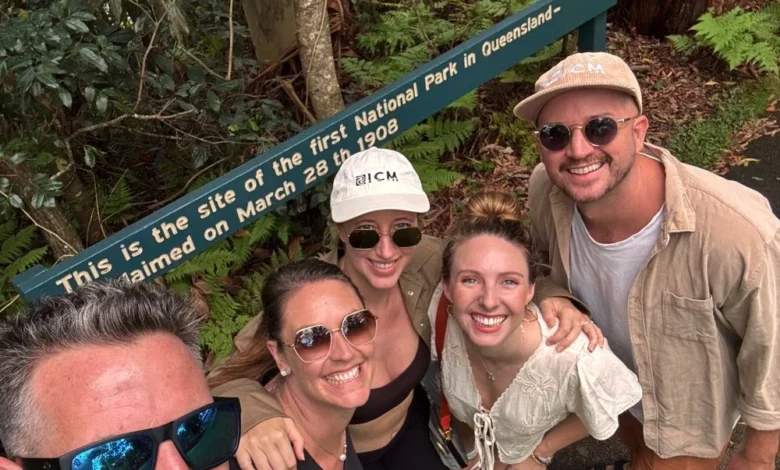
The Gold Coast, located in Southeast Queensland, has solidified its reputation as one of Australia’s premier tourism hubs, drawing millions of domestic and international visitors annually. Spanning approximately 50 kilometers of coastline, the region offers a diverse array of experiences ranging from high-density urban developments and surf culture to protected national parks and temperate rainforests. For travelers arriving from international hubs such as Bali, the transit into Brisbane—the primary gateway to the Gold Coast—serves as the starting point for a multifaceted regional exploration.

Regulatory Requirements and Entry Procedures
A critical aspect of planning any Australian itinerary involves the mandatory procurement of a valid travel authority. Under Australian law, all non-citizens—with the notable exception of New Zealand passport holders, who may be eligible for a Special Category Visa upon arrival—must possess a pre-approved visa before departure. Failure to secure this documentation can result in immediate travel denial or significant delays.

The application process, while digitized and streamlined, requires attention to detail. Inconsistencies between passport data and visa information are common points of failure that can lead to administrative delays. According to recent data from travel advisory firms, professional processing services maintain high approval rates for Electronic Travel Authorities (ETAs), yet the burden of compliance remains with the traveler. It is advised that prospective visitors initiate this process at least several weeks prior to their planned departure to mitigate the risk of last-minute complications.

Geographic and Demographic Overview
The Gold Coast’s development is characterized by a stark contrast between its iconic, high-rise-dominated shoreline and its lush, mountainous hinterland. Surfers Paradise remains the region’s commercial and tourist center, known for its dense concentration of accommodation, retail, and nightlife. However, recent urban planning trends have favored the revitalization of surrounding suburbs such as Broadbeach, which provides a more balanced infrastructure for long-term visitors, offering accessibility to public transit and lifestyle amenities without the congestion of the primary tourist corridor.

Beyond the immediate coastal strip, the hinterland—including areas such as Tamborine Mountain—plays a vital role in the region’s biodiversity and economic diversity. These inland areas contribute to the "green" tourism sector, providing essential ecosystem services and attracting visitors interested in hiking, viticulture, and ecotourism.

Chronology of a Regional Itinerary
A comprehensive exploration of the Gold Coast typically requires a minimum of ten to twelve days to experience the full spectrum of its offerings. A logical progression for a regional visit follows a structured path:

- Initial Orientation (Days 1–3): Establishing a base in central hubs like Broadbeach. This allows for proximity to the primary public transport network, including the G:link tram system, which connects key coastal nodes from Helensvale to Broadbeach South.
- Coastal Immersion (Days 4–6): Exploring the southern stretches of the coast, specifically Burleigh Heads and the surrounding national park. This area serves as a transition point between the urbanized center and the more traditional, community-focused surf towns of the south.
- Inland Excursions (Days 7–9): Transitioning to the hinterland regions. Trips to Tamborine National Park and the Currumbin Valley allow for a change in climate and activity, emphasizing the region’s environmental preservation efforts and agricultural output, such as the local winery scene.
- Southern Gateway (Days 10–12): Concluding the itinerary in the Coolangatta and Snapper Rocks area. This region is geographically significant as it borders New South Wales and serves as a site of global importance for professional surfing, frequently hosting international competitions.
Economic and Environmental Impact
The tourism industry accounts for a significant portion of the Gold Coast’s Gross Regional Product (GRP). The local government has invested heavily in infrastructure to support this, including the expansion of the tram network and the rejuvenation of beach facilities. However, this growth necessitates a delicate balance between development and environmental protection.

The management of Tallebudgera Creek and the Burleigh Head National Park are prime examples of this effort. These areas are under strict conservation management to preserve water quality and native flora. Local authorities often release environmental impact statements highlighting the importance of balancing high-density tourism with the preservation of natural assets, which are primary drivers of the region’s long-term sustainability.

The Role of Wellness and Sustainable Tourism
A notable shift in the Gold Coast tourism market is the rise of the "wellness economy." Recent years have seen an increase in the establishment of high-end bathhouses and holistic health centers, particularly in the Tallebudgera and Currumbin valleys. This reflects a broader trend in Australian travel where visitors are increasingly seeking experiences that combine leisure with health-focused activities.

These facilities provide an alternative to the high-energy beach lifestyle, promoting a slower pace of travel that encourages longer stays. Economically, this sector helps distribute tourist spending away from the central urban hubs and into the smaller, regional economies of the valleys, supporting local employment and infrastructure.

Strategic Transportation Considerations
While the Gold Coast offers an extensive public transit system, the efficacy of this system is largely confined to the coastal strip. For travelers intending to venture into the hinterland—including the Tamborine Mountain rainforests or the scenic drives of the Currumbin Valley—private vehicle rental remains the most practical method of transport.

Data regarding vehicle rentals indicates a high demand for SUVs and mid-sized vehicles, which are better suited for the winding mountain roads of the hinterland. Furthermore, for those on extended Australian tours, the "campervan" route remains a distinct cultural phenomenon, allowing for flexible travel along the Pacific Highway, which connects the Gold Coast to the wider Queensland and New South Wales regions.

Professional Observations and Future Outlook
The Gold Coast is evolving from a single-dimensional beach destination into a multifaceted regional hub. This maturation is evidenced by the diversification of its offerings—moving beyond theme parks and surf beaches to include sophisticated dining, protected natural areas, and professional wellness services.

Industry analysts suggest that the future of the Gold Coast’s tourism sector will depend on its ability to maintain its natural capital. As climate change impacts coastal regions globally, the Gold Coast’s ongoing efforts in beach nourishment and hinterland preservation will be critical. The region’s ability to cater to both the short-term, high-intensity visitor and the long-term, leisure-oriented traveler ensures its continued relevance in the competitive Pacific tourism market.

For the modern traveler, the Gold Coast offers a unique synthesis of urban convenience and natural wonder. Success in navigating this region relies on careful planning, from the initial visa application to the strategic selection of a base that aligns with the desired pace of travel. Whether one is seeking the professional surfing waves of Snapper Rocks or the serene, cool air of the Tamborine rainforest, the region remains a vital component of the Australian identity and a cornerstone of the national tourism economy.