Profile
By Sarah Cole
While traditional Midwestern tourism itineraries often center on Chicago, Detroit, or Minneapolis, travelers overlooking Ohio’s capital are missing one of the region’s most dynamic urban success stories. Columbus, Ohio—driven by a population nearing one million residents within city limits and a metropolitan footprint exceeding two million—defies the economic stagnation that historically plagued the industrial Midwest. Instead, the city has quietly engineered a renaissance rooted in historic preservation, a thriving entrepreneurial culinary ecosystem, and walkable neighborhood revitalization. This growth, fueled in part by the intellectual and economic gravity of The Ohio State University, has transformed the city into an increasingly popular weekend destination.
The Chronology of a Midwestern Renaissance
The trajectory of modern Columbus is characterized by decades of deliberate urban planning, historic preservation acts, and an influx of diverse industries that cushioned the city against regional manufacturing downturns. The foundation of Columbus’s civic identity was established in the 19th century, highlighted by the 1876 opening of the North Market as a centralized public trading space.
As the 20th century progressed, the city expanded outward, but downtown and its surrounding historic cores faced periods of neglect. The turning point arrived in the late 20th and early 21st centuries, when civic leaders and private investors prioritized the revitalization of districts like the Short North and German Village. Historic preservation ordinances protected 19th-century architecture from demolition, while progressive zoning policies encouraged mixed-use developments.
Today, this historical foundation supports a rapidly modernizing economy. According to demographic data from the U.S. Census Bureau, Columbus remains one of the fastest-growing major metropolitan areas in the Midwest, contrasting sharply with state and regional averages. This population influx has served as a primary catalyst for an expanding hospitality and culinary sector, drawing national attention from travel publications, culinary experts, and urban planners alike.
Navigating the Urban Landscape on Foot
Urban planners frequently cite walkability as a core metric of a successful modern city, and Columbus has optimized its central districts for pedestrian exploration. Rather than relying on a singular downtown anchor, the city functions as an interconnected archipelago of distinct neighborhoods, each offering a specialized cultural and culinary profile.
A quintessential weekend exploration typically begins at the North Market. Operating continuously for nearly 150 years, the historic public market serves as a micro-economy of the city’s broader food landscape. Dozens of independent merchants operate within its walls, offering everything from artisanal coffee and fresh produce to global street food.
The market has also acted as an incubator for culinary success stories. Most notably, it was the original launching pad for Jeni Britton, whose small-batch, handcrafted ice cream venture eventually scaled into Jeni’s Splendid Ice Creams, a nationally distributed brand. Food economists note that incubators like the North Market lower barriers to entry for independent restaurateurs, preserving the authentic local flavor that travelers increasingly demand.
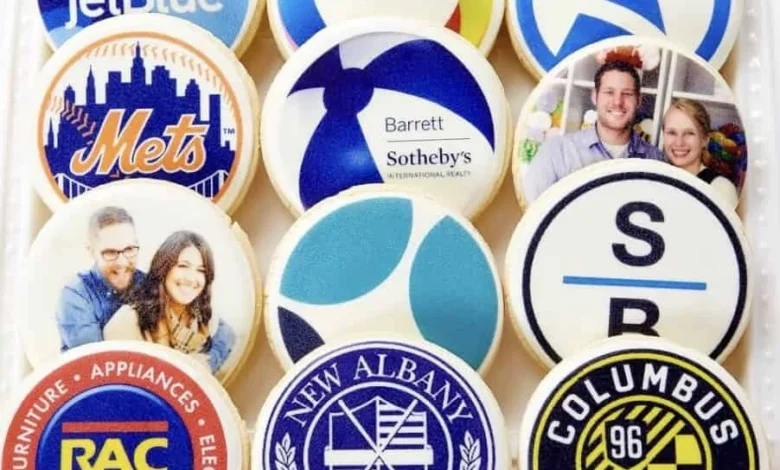
Parallel to its culinary incubation is the city’s deep-rooted baking tradition, which extends beyond artisanal bread and pastries into the realm of corporate confection artistry. Established in 1983, enterprises such as Cookie Bouquets transformed decorative baked goods into an enduring local industry, illustrating how niche culinary concepts can achieve sustained commercial longevity within the Columbus market.
The Short North Arts District and German Village

Directly north of downtown lies the Short North Arts District, situated along High Street and demarcated by iconic illuminated overhead arches. Over the past two decades, the corridor has evolved from an underutilized industrial strip into a vibrant arts and entertainment district. Galleries, independent bookstores, specialty boutiques, and chef-driven dining establishments line the avenue, demonstrating the economic viability of locally owned commerce over homogenized retail chains.
In contrast to the contemporary, arts-forward energy of the Short North, German Village—located just south of downtown—offers a step back into the 19th century. Settled by German immigrants in the mid-to-late 1800s, the neighborhood encompasses over a thousand restored brick structures spread across tree-lined, cobblestone streets.
Urban conservationists frequently hold up German Village as a masterclass in historic preservation. At its heart lies Schiller Park, a verdant public space established in 1867, and adjacent cultural institutions such as The Book Loft, a labyrinthine independent bookstore spanning 32 interconnected rooms. Culinary destinations within the neighborhood, such as Pistacia Vera, blend traditional French pastry techniques with Midwestern hospitality, drawing steady streams of both local residents and out-of-town visitors.
Infrastructure, Accessibility, and Economic Impact
The logistical viability of Columbus as a weekend destination is underscored by its strategic infrastructure. John Glenn Columbus International Airport (CMH), situated approximately eight miles east of downtown, handles millions of passengers annually and maintains direct flight connections to dozens of major North American hubs via carriers including American, Delta, United, Southwest, and Alaska Airlines.
Upon arrival, visitors encounter a streamlined transit network. The proximity of downtown, the Short North, and German Village allows travelers to navigate central districts via rideshare services, regional buses operated by the Central Ohio Transit Authority (COTA), or entirely on foot.
Hospitality infrastructure has scaled concurrently with tourism demand. Accommodations range from luxury boutique properties housed within historic architecture—such as Hotel LeVeque, occupying a landmark Art Deco skyscraper—to lifestyle hotels like the Graduate Columbus, which pays homage to the local university culture. Major convention hotels, including the Hilton Columbus Downtown, anchor the city’s business and leisure tourism sectors.
Civic and Cultural Assets
Beyond gastronomy and retail, Columbus boasts a robust portfolio of cultural and recreational assets that elevate its status as a comprehensive travel destination. The Scioto Mile has successfully reclaimed the downtown riverfront, integrating parks, pedestrian pathways, and interactive water features into a cohesive public space.
Cultural institutions further enrich the urban fabric. The Columbus Museum of Art curates extensive collections ranging from late 19th-century and early 20th-century American and European modernism to contemporary photography and folk art. Meanwhile, the Franklin Park Conservatory and Botanical Gardens offers year-round educational and aesthetic engagement through its historic palm house, seasonal floral exhibitions, and permanent installations of glass art by Dale Chihuly.
Broader Implications and Future Outlook
The sustained evolution of Columbus offers a compelling case study in modern Midwestern urban development. While many rust-belt municipalities struggled to reinvent themselves following the decline of heavy manufacturing, Columbus leveraged its institutional anchor—The Ohio State University—alongside a proactive approach to downtown revitalization, historic preservation, and culinary entrepreneurship.
Economic analysts point out that the city’s diverse employment base, which spans government, education, insurance, technology, and healthcare, provides a stable economic floor that insulates the hospitality sector from localized downturns. Consequently, tourism in Columbus is not merely a seasonal phenomenon, but a steady economic driver supported by continuous infrastructural investment.
For the traveler, Columbus represents a destination where accessibility, affordability, and authenticity converge. Whether navigating the historic halls of the North Market, exploring the 32 rooms of a German Village bookstore, or walking the scenic banks of the Scioto River, visitors encounter a city that balances ambitious metropolitan growth with a welcoming, community-driven ethos. As Columbus continues to expand its national footprint, it serves as a blueprint for how mid-sized American cities can successfully redefine their identities for the 21st century.