A Comprehensive Visitor and Architectural Guide to Wat Rong Khun: The Evolution and Impact of Chiang Rai’s Iconic White Temple

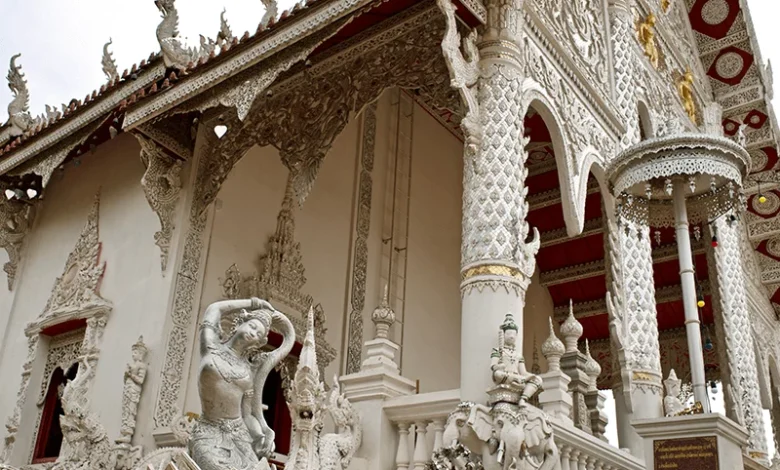
Wat Rong Khun, universally recognized as the White Temple, stands as one of Northern Thailand’s most distinctive architectural and artistic achievements. Situated 13 kilometers south of Chiang Rai, this contemporary Buddhist temple merges traditional religious iconography with modern pop culture, surrealism, and avant-garde design. Conceptualized, funded, and principally designed by visionary Thai national artist Chalermchai Kositpipat, the landmark draws hundreds of thousands of international and domestic tourists annually, reshaping the cultural tourism landscape of Northern Thailand.
Architectural Genesis and Background Context

The origins of Wat Rong Khun are rooted in both local heritage and catastrophic fortune. The site originally occupied a conventional Buddhist temple that had fallen into severe disrepair by the late 20th century. Recognizing the structure’s structural decay, Chalermchai Kositpipat elected in 1997 to privately finance the complete restoration and expansion of the grounds.
The turning point for the modern incarnation of the site occurred on May 5, 2014, when a magnitude 6.3 earthquake struck Chiang Rai province. The
tremor caused significant structural damage to several buildings within the Wat Rong Khun complex, leading initial observers to question whether the ambitious art installation could be saved. Rather than abandoning the project, Kositpipat leveraged international media attention and private donations to reinforce the existing structures while significantly expanding the master plan.

Unlike state-funded religious projects, Kositpipat deliberately established strict financial protocols for the temple’s development. To maintain absolute artistic autonomy and prevent external stakeholders from altering his vision, the artist routinely rejects large-scale corporate sponsorships and caps individual monetary donations. This self-imposed financial independence ensures that every sculpture, mural, and structural element strictly adheres to Kositpipat’s psychological and philosophical framework regarding the human condition, existential struggle, and Buddhist teachings.
Chronology and Long-Term Construction Timeline
The development of Wat Rong Khun defies conventional architectural timelines, functioning as an ongoing, generational performance art installation.

- 1997: Chalermchai Kositpipat officially opens the initial phase of the newly envisioned White Temple to the public.
- 2011–2013: Expansion of the surrounding reflection pools, gardens, and auxiliary gallery spaces.
- May 5, 2014: A severe 6.3 magnitude earthquake strikes Northern Thailand, causing structural compromises to spires and murals across the temple complex.
- Late 2014–2016: Comprehensive seismic retrofitting and structural reconstruction led personally by Kositpipat, alongside the integration of new conceptual art pieces.
- Present: Ongoing daily construction, detailing, and structural additions managed by a team of trained apprentices.
- 2070: Project-estimated completion date. Because the master blueprint exists primarily within the creator’s mind, Kositpipat has instituted a rigorous training academy for hand-selected successor artists to complete the complex long after his death.
Symbolism, Design, and Thematic Analysis
The visual impact of Wat Rong Khun is defined by its blinding white exterior, achieved through a combination of brilliant white plaster and embedded mirrored glass fragments. The glass pieces are engineered to reflect the intense tropical sunlight, symbolizing the purity of the Buddha and the radiance of the Dharma illuminating the universe.
Visitors approach the main Ordination Hall (Ubosot) by crossing the Bridge of the Cycle of Rebirth. This elevated pathway spans a meticulously sculpted pit of hundreds of agonized, outstretched white plaster hands and skulls. According to the artist’s theological design, this gruesome foreground represents unrestrained human desire, greed, and the tortures of hell. The bridge forces pilgrims to leave behind temptation and worldly attachments before reaching the Gate of Heaven, which is flanked by death and Rahu—celestial guardians who weigh the karma of humanity.

Upon entering the interior of the Ordination Hall, the visitor experience shifts from traditional serenity to jarring contemporary commentary. The front interior mural challenges traditional Buddhist depictions of hell by blending ancient karmic retribution with modern geopolitics and secular entertainment. Prominent global figures, alongside cinematic icons such as Neo from The Matrix, Batman, Superman, Elvis Presley, Michael Jackson, and characters from Avatar and Predator, are woven into an apocalyptic landscape. Burning skyscrapers, technological debris, and fictional heroes are utilized by Kositpipat to argue that secular pop culture and modern materialism offer false salvation compared to spiritual enlightenment.
Economic and Regional Tourism Implications
The cultural footprint of Wat Rong Khun has transformed Chiang Rai from a quiet transit hub into a primary destination on the Southeast Asian tourist trail. Regional tourism authorities note that the White Temple acts as an economic anchor for Chiang Rai Province, driving hospitality investments, transportation networks, and local artisan markets.

Data compiled by provincial tourism boards indicate that international visitor arrivals to Chiang Rai have increased steadily over the past two decades, largely catalyzed by viral media coverage of the temple’s unconventional design. Beyond its immediate economic benefits, the temple has elevated the profile of contemporary Thai art globally, proving that traditional religious spaces can successfully incorporate modern conceptual critique without abandoning core theological tenets.
Practical Visitor Information and Guidelines
For travelers planning an excursion to Wat Rong Khun, understanding local operational parameters ensures a seamless experience.

Location and Transportation:
The temple is situated approximately 13 kilometers south of Chiang Rai’s city center along Phahonyothin Road. Visitors can utilize several transport options:
- Ride-Sharing Services: Applications such as Grab and Bolt operate within Chiang Rai and provide reliable direct transit, though wait times may vary due to driver availability.
- Public Transit: Songthaews (shared local pick-up trucks) depart infrequently from the old bus terminal in downtown Chiang Rai.
- Independent Rental: Renting a scooter or bicycle allows travelers the flexibility to combine a visit to the White Temple with nearby regional attractions, such as Wat Suea Ten (the Blue Temple) and the Baandam Museum (Black House).
Timing and Photography:
Wat Rong Khun is open daily from 8:00 AM to 5:00 PM. Industry experts and local guides strongly recommend arriving at opening hours. Morning light illuminates the eastern facade of the temple, providing optimal photographic conditions and helping visitors avoid both peak afternoon temperatures and large tour group congestion. Sunset positions the sun directly behind the structure, which can cause backlighting issues for photography.
Dress Code and Etiquette:
While Wat Rong Khun operates primarily as a contemporary art monument rather than an active monastic residence, strict dress standards are enforced out of respect for its sacred components.

- Both male and female visitors must ensure their shoulders and knees are fully covered.
- Visitors wearing skirts with high slits will be assisted by staff to secure the garment.
- Hats must be removed upon approaching the primary structures, and footwear must be removed prior to entering the Ordination Hall.
- Photography is strictly prohibited inside the main Ordination Hall.
Admission Fees:
Entry to the temple complex is free for Thai nationals. International visitors are subject to a nominal maintenance and preservation fee of 200 Thai Baht per person, payable in cash only at the entrance gates.
Broader Cultural Legacy
Wat Rong Khun remains a polarizing yet widely celebrated triumph of modern architecture. By challenging visitors with stark contrasts between suffering and purity, traditional asceticism and pop-culture saturation, Chalermchai Kositpipat has created an enduring monument that transcends standard religious classification. As construction continues toward its projected 20th-century completion date, the White Temple stands as a testament to uncompromising artistic vision and a defining landmark of modern Thai cultural expression.